Quick answer
Start by choosing the party type (at-home, park, or venue), then build everything around durable dinosaur figurines and toys that double as decor, activities, and favors. Pick one anchor figure per child, add a few shared play sets, and keep the schedule to three short activities. This keeps costs predictable and gives kids something to take home that lasts beyond the cake.
A dinosaur party works best when the toys are not just decorations. Figurines can anchor the theme, give kids something to do during downtime, and go home as favors that stay in the toy bin for years. The trick is choosing a small set of durable pieces instead of a pile of single-use plastic.
This guide walks through the planning order: define the party type, set the guest list, pick toys and favors, plan food and games, then run the event with a simple timeline. Each step includes one common mistake to avoid so you do not overbuy or over-schedule.
1. Choose the party type and setting
Decide first whether the party is at home, at a park, or at a venue. At-home parties give you full control over decor and noise but require more setup and cleanup. Park parties need a backup plan for weather and a way to keep small figurines from getting lost in grass. Venue parties reduce setup work but often limit what you can bring in. Pick the setting before buying anything, because it changes how many toys you need and how portable they must be.
If you choose a park or outdoor space, favor larger pieces that are easy to spot and count. If you choose a venue, ask whether outside toys are allowed. For a home party, you can use a tabletop dinosaur scene as both centerpiece and activity station. Write down the setting and one backup option before moving to the guest list.
- Common mistake: booking a venue before checking whether you can bring your own toys and decor.
- Checkpoint: you can name the setting, the backup, and where kids will play.
2. Set the guest list and age range
The age range drives every toy decision. A party for 3- to 5-year-olds needs bigger figures with no tiny parts and simple games. A party for 6- to 9-year-olds can handle smaller miniatures, sorting games, and trivia. If ages are mixed, plan two activity levels: a simple dig-and-find for younger kids and a naming or matching challenge for older ones. Keep the guest count realistic for the space you chose in step one.
Write the ages next to each guest name. This makes favor selection faster because you can match the toy to the child rather than buying one generic item for everyone. If you have more than a few 3-year-olds, avoid very small pieces and check the age rating on each product before buying.
- Common mistake: buying one favor type for a wide age range, which leaves either the youngest or the oldest kids bored.
- Checkpoint: every guest has an age noted and a rough activity level assigned.
3. Pick dinosaur figurines as your anchor toy
Figurines are the most flexible dinosaur party toy because they work as decor, cake toppers, game pieces, and favors. Choose one larger anchor figure per child if your budget allows, or a few shared play sets if you prefer group play. Look for solid construction and accurate details, since kids often keep these figures long after the party. A meat-eating dinosaur with a distinctive look, like the Majungasaurus Toy, gives kids something specific to talk about and can double as a table centerpiece.
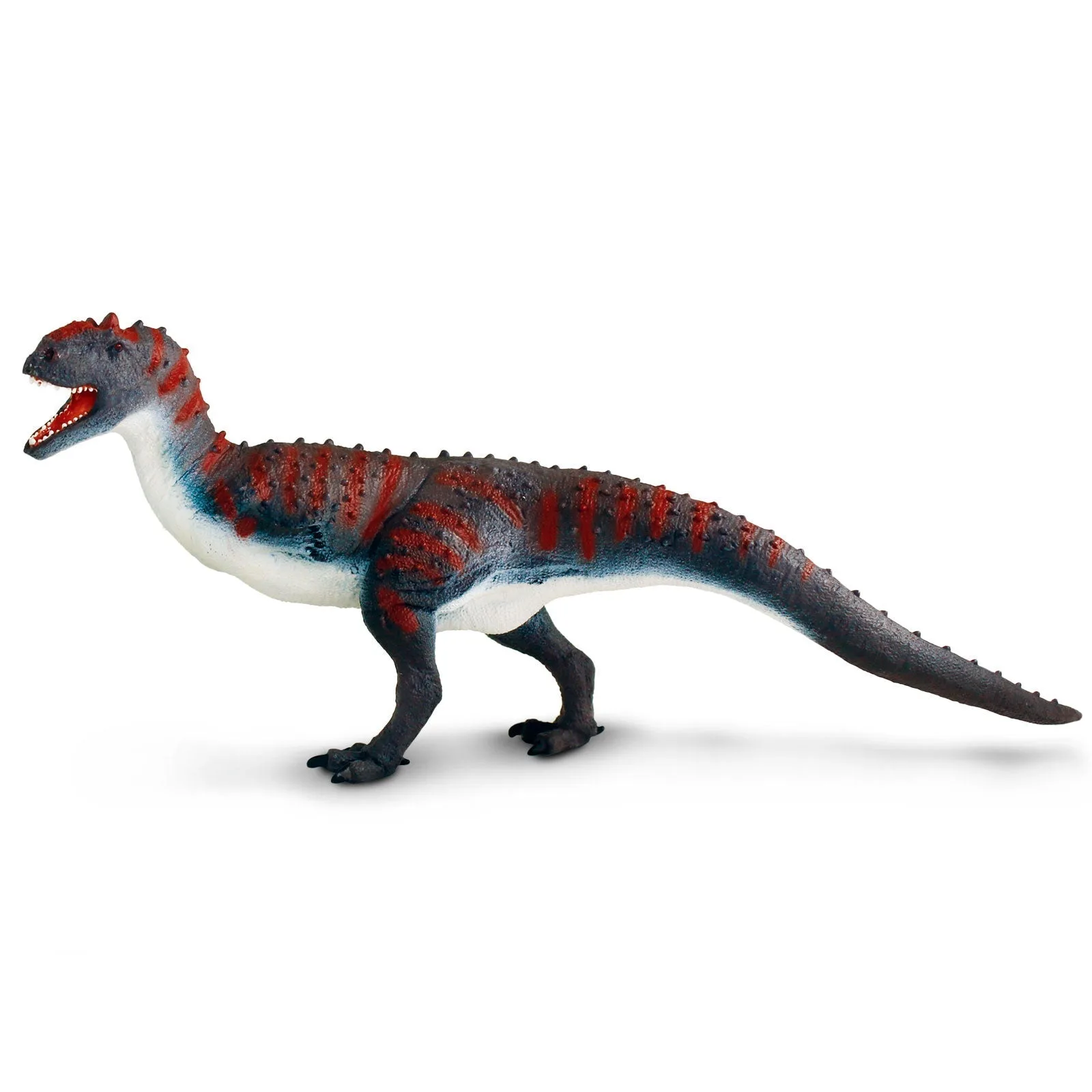
Majungasaurus Toy
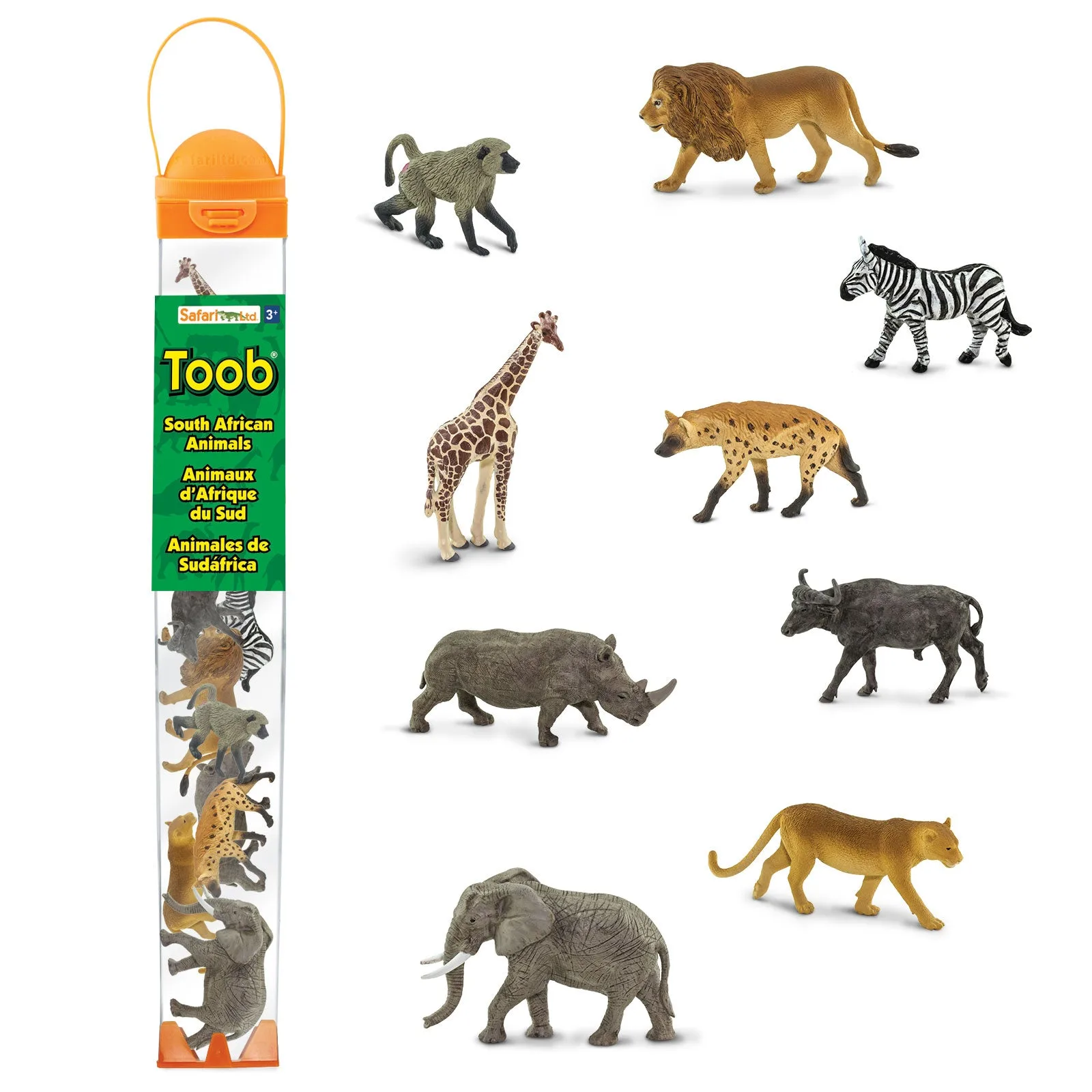
If you want a set that covers several animals at once, a TOOB-style collection gives you multiple miniatures in one purchase. That works well for a group activity where kids match animals to habitats or sort by size. Mixing one larger figure with a small set gives you both a take-home item and a shared play station without doubling your spending.
- Common mistake: buying only tiny miniatures for young kids, which are hard to handle and easy to lose.
- Checkpoint: you have at least one larger figure per child or one shared set that supports a group game.
4. Plan favors kids will actually keep
Good dinosaur party favors are toys, not clutter. A single quality figurine, a small plush, or a mini craft kit usually beats a bag of plastic trinkets. If you have a range of ages, you can match favors: a larger animal figure for younger kids and a mini set or craft kit for older ones. Keep the favor tied to the theme so it feels like part of the party, not an afterthought.
One practical approach is to let each child choose a figure from a small selection at the end of the party. That turns favor distribution into an activity and reduces the chance of duplicates. If you prefer pre-packed favors, assemble them the night before and label them by age group so handing them out is fast.
- Common mistake: waiting until the last minute and grabbing whatever is left on the shelf.
- Checkpoint: favors are chosen, counted, and packed before party day.
5. Plan food and a simple dinosaur table
Food does not need to be elaborate. A few themed labels and one centerpiece do most of the work. Use a larger dinosaur figure as the table anchor, then name simple snacks after dinosaurs or habitats. Keep portions small and easy to grab, since kids at a dinosaur party tend to move between activities quickly. If you are serving cake, place a clean figurine on top as a topper and remove it before slicing.
Set the table so toys and food stay separate. A small side table for the play figures keeps them clean and gives kids a place to return them between games. If you are outdoors, use a tray with raised edges so small pieces do not roll away.
- Common mistake: putting small toy parts directly on the food table where they get lost or dirty.
- Checkpoint: food table has one centerpiece and a separate toy station.
6. Run three short games, not ten
Three activities are enough for most parties: a dig-and-find, a matching or sorting game, and a free-play station. The dig-and-find works with small figures buried in a shallow bin of shredded paper or sand. The matching game uses miniatures and picture cards or habitat labels. Free play lets kids return to the figures when they need a break from structured games. Rotate groups if the party is large.
Keep each game to ten or fifteen minutes. If a game is not working, move to free play rather than forcing it. Have a helper manage the toy station so pieces stay together and get counted at the end. A quick count before favors are handed out prevents missing pieces from becoming a problem.
- Common mistake: planning too many games and rushing kids through them.
- Checkpoint: three activities planned, each with a clear start and stop.
7. Build a simple timeline and a cleanup plan
Write a timeline that covers arrival, one active game, food, cake, favors, and pickup. Leave buffer time between blocks because transitions with kids always take longer than expected. Assign one adult to the toy station and one to food so no single person is doing everything. Print the timeline or keep it on your phone where you can see it.
Cleanup starts before the party ends. Have bins or bags ready for toys, and do a quick count of shared pieces before guests leave. If a piece is missing, check the play area and the food table first. A five-minute count saves you from replacing a set later.
- Common mistake: no assigned helpers, which leaves one adult managing food, games, and favors alone.
- Checkpoint: timeline written, helpers assigned, and toy count done before pickup.
Dinosaur party planning steps at a glance
- Step 1: Choose the setting: Decide between home, park, or venue and note one weather backup. Checkpoint: you know where kids will play and what you can bring.
- Step 2: Set the guest list and ages: Write each guest's age so you can match toys and activities to the group. Checkpoint: no guest is left without an age-appropriate option.
- Step 3: Pick anchor figurines: Choose one larger figure per child or a shared set for group play. Checkpoint: at least one durable toy per child or one group set.
- Step 4: Choose favors: Select one quality toy per guest and pack them before party day. Checkpoint: favors counted and labeled by age group.
- Step 5: Plan food and table: Use one centerpiece and keep toys on a separate table. Checkpoint: food and toys do not share the same surface.
- Step 6: Run three short games: Plan a dig-and-find, a matching game, and free play, each about ten to fifteen minutes. Checkpoint: each game has a clear start and stop.
- Step 7: Use a timeline and count toys: Assign helpers, keep a written timeline, and count shared pieces before pickup. Checkpoint: no missing pieces and no single adult doing everything.
Dinosaur party toys that do double duty
- Majungasaurus Toy: Majungasaurus is an abelisaurid dinosaur related to Carnotaurus, with a single horn on its head and tiny backswept arms. It was discovered on the island of Madagascar. A distinctive meat-eating dinosaur gives kids a specific figure to talk about and makes a strong table centerpiece or take-home favor.
- South African Animals TOOB®: This TOOB features miniature mammals including the African Elephant, Lion, Lioness, Spotted Hyena, White Rhino, Giraffe, Zebra, Cape Buffalo, and Cape Baboon. A single set covers multiple animals, which works well for a sorting or matching game and gives you several small favors from one purchase.
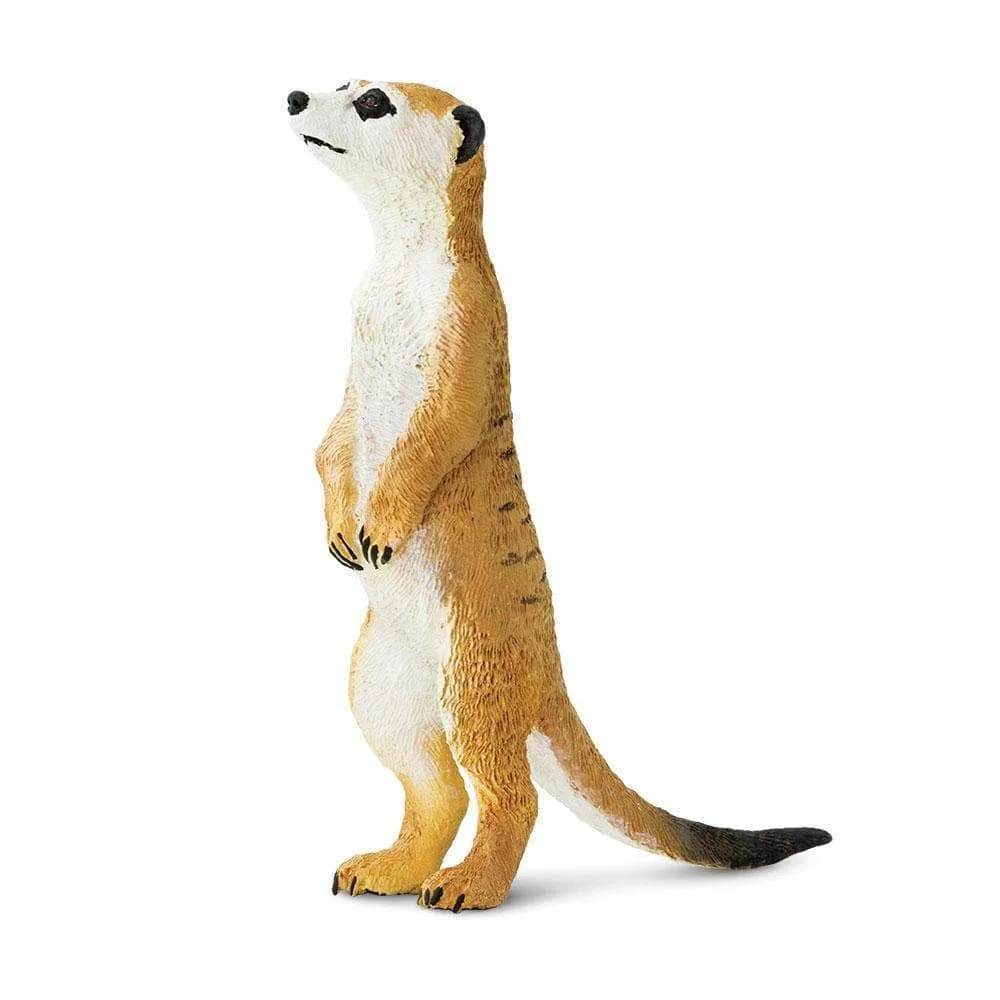
- Meerkat Toy: The meerkat is a member of the mongoose family that primarily eats insects, and it is classified as an animal of least concern. A small, affordable figure that can be used as a party favor or as part of a habitat-matching activity without adding much cost per guest.
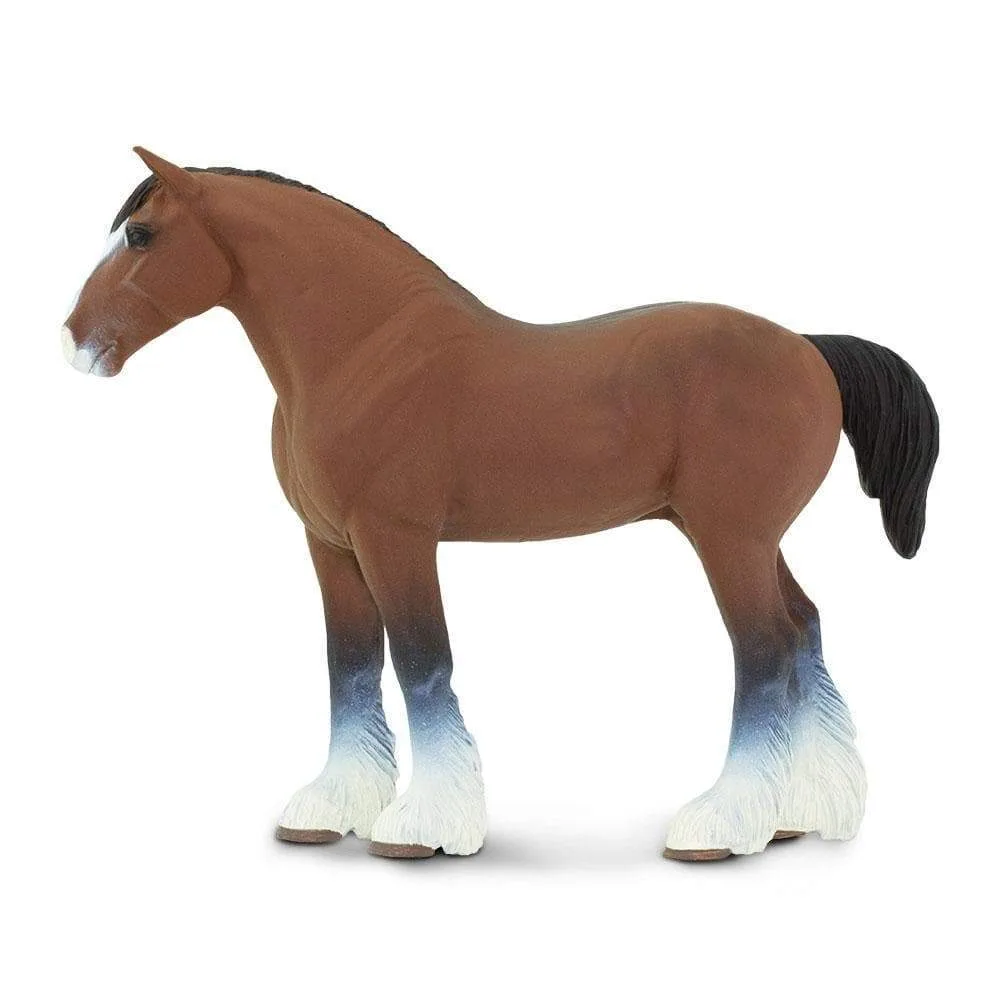
- Clydesdale Horse Toy: The Clydesdale is a horse breed known for its mammoth size, broad face, and extensive feathering about the ankles, standing around 18 hands high. A larger farm figure that can serve as a contrast animal in a sorting game or as a bigger take-home favor for younger guests.
A dinosaur-themed party works when the toys do more than decorate. Pick durable figurines that can serve as centerpieces, game pieces, and favors, keep the schedule to three short activities, and count your shared pieces before guests leave. That approach keeps the party manageable and sends kids home with something they will actually play with again.