Quick answer
For a clean, professional look, match the vessel to the dessert: use a coupe gelee bowl for loose or layered items like panna cotta, mousse, or fruit compote, and a ramekin for denser portions like custards, crumbles, or ice cream. Chill both the bowls and the dessert components before plating, then build in layers and finish with one contrasting texture.
Choose the right small ceramic bowl for the dessert
The shape of your vessel controls how the dessert reads. A coupe gelee bowl has a wide, shallow profile that shows off swirls, layers, and garnishes, while a ramekin’s straight sides contain soft custards and keep crumbles from spreading. For a coupe gelee bowl dessert, think of the bowl as a frame: the wider opening lets you place a quenelle of cream or a scatter of berries without crowding. Ramekins, by contrast, are built for depth—they hold a baked custard or a dense mousse without the dessert slumping. If you are plating desserts in ramekins, choose a size that leaves about half an inch of headspace so you can add a topping without overflow. For small ceramic bowl plating, the rule is simple: the more liquid or delicate the dessert, the wider and shallower the bowl should be.
Prep the bowls and components before you plate
Chill your coupe gelee bowls and ramekins in the freezer for 10 minutes before plating cold desserts; this slows melting and keeps whipped cream from sliding. Have all components ready in separate bowls: the base (custard, mousse, or compote), the body (cake cubes, fruit, or granola), and the finish (cream, sauce, or fresh herbs). For warm desserts like a fruit crumble, warm the ramekin slightly but never hot enough to cook the cream. A common mistake is plating directly from the mixing bowl—use a spoon or piping bag to portion neatly, and wipe the rim with a damp cloth before adding the final garnish.
Build in layers with contrasting textures
Start with the heaviest element at the bottom. In a coupe gelee bowl, spoon a base of jam, curd, or caramel, then add a layer of cake or crumble, followed by a dollop of cream or yogurt. In a ramekin, pipe or spoon the mousse or custard first, then add a thin layer of fruit or sauce, and finish with a small amount of whipped cream. Contrast is what makes small ceramic bowl plating look intentional: pair smooth with crunchy, sweet with tart, and soft with firm. For gelee bowl uses beyond dessert, the same layering works for savory amuse-bouches, but keep sweet and savory components separate to avoid flavor muddling.
Finish with height, color, and a clean rim
The final touch should add height or color without overwhelming the portion. A single raspberry, a mint leaf, a dusting of cocoa, or a drizzle of sauce is enough. If you are plating desserts in ramekins, add a small cookie or a piece of chocolate on an angle for height. For a coupe gelee bowl dessert, place the garnish slightly off-center to create movement. Always wipe the rim and the plate around the bowl with a damp cloth—smudges are the fastest way to make a careful plating look messy. Serve immediately, especially if the dessert includes ice cream or whipped cream.
Step-by-step dessert plating
- Chill the bowls and set up your station: Place coupe gelee bowls or ramekins in the freezer for 10 minutes. Arrange your base, body, and garnish components within arm’s reach. Checkpoint: bowls should be cold to the touch but not frosted.
- Add the base layer: Spoon or pipe the heaviest element—custard, mousse, or compote—into the bowl, filling it about two-thirds full. Level the surface with the back of a spoon. Common mistake: overfilling, which leaves no room for toppings and makes the rim messy.
- Build texture with a middle layer: Add a contrasting layer such as cake cubes, granola, or fresh fruit. Keep pieces small enough to fit on a spoon. Checkpoint: each spoonful should include at least two textures.
- Finish with cream or sauce: Add a dollop of whipped cream, yogurt, or a drizzle of sauce. Use a piping bag for cleaner edges, or a spoon for a rustic look. Common mistake: adding too much sauce, which can pool and soften the layers.
- Garnish and clean the rim: Place a single garnish—berry, mint leaf, or chocolate shard—slightly off-center. Wipe the rim and the plate around the bowl with a damp cloth. Final check: the rim is spotless and the garnish is stable.
Small ceramic dishes for dessert plating
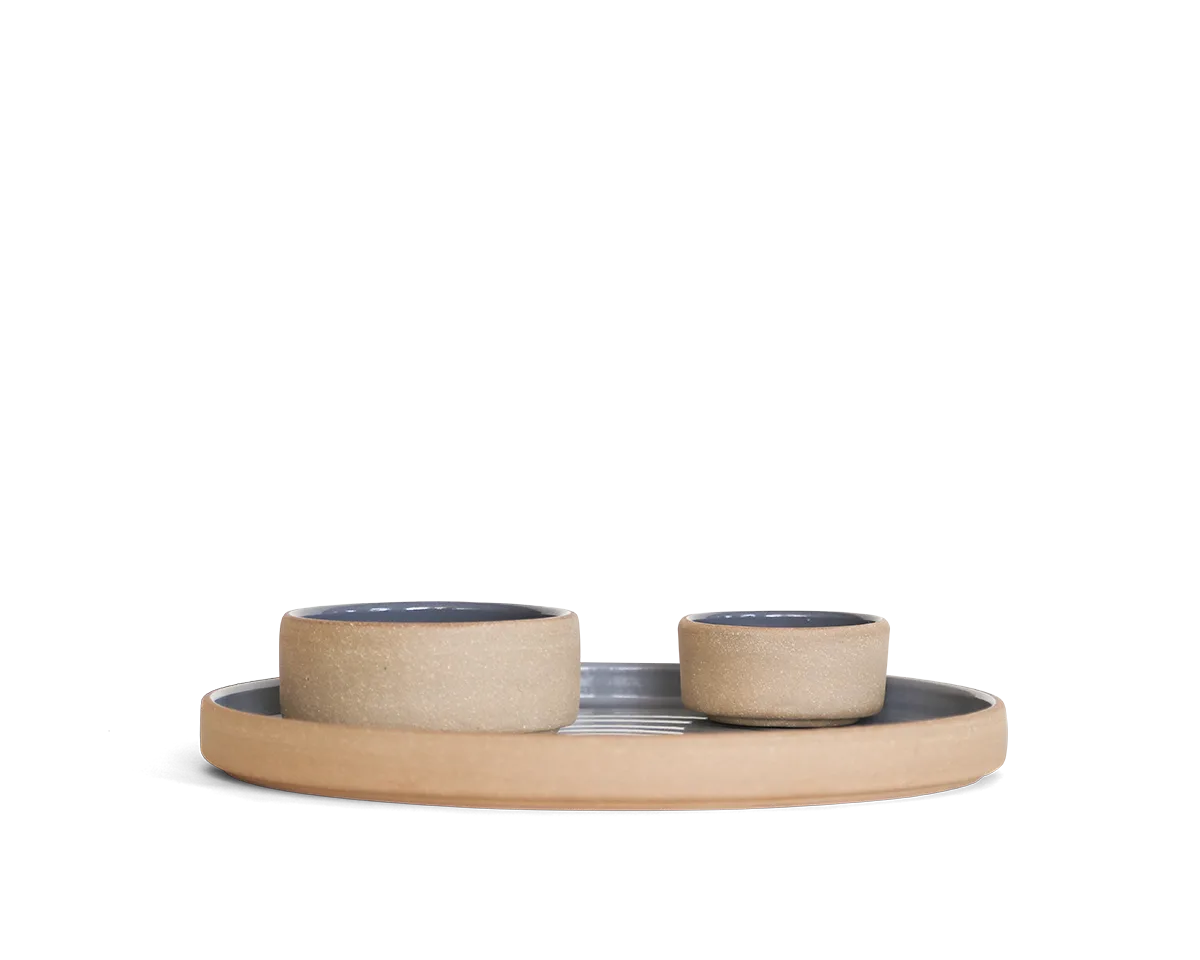
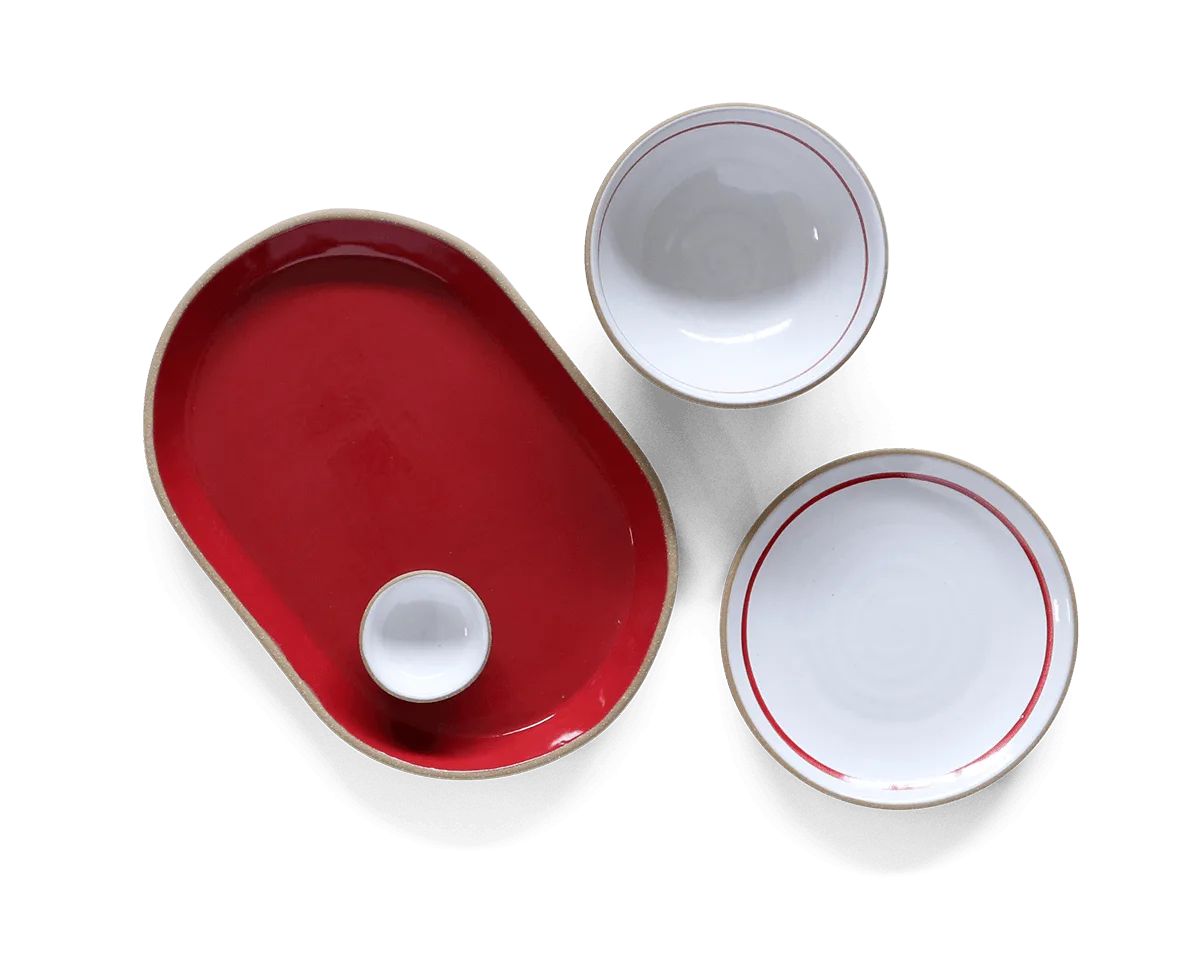
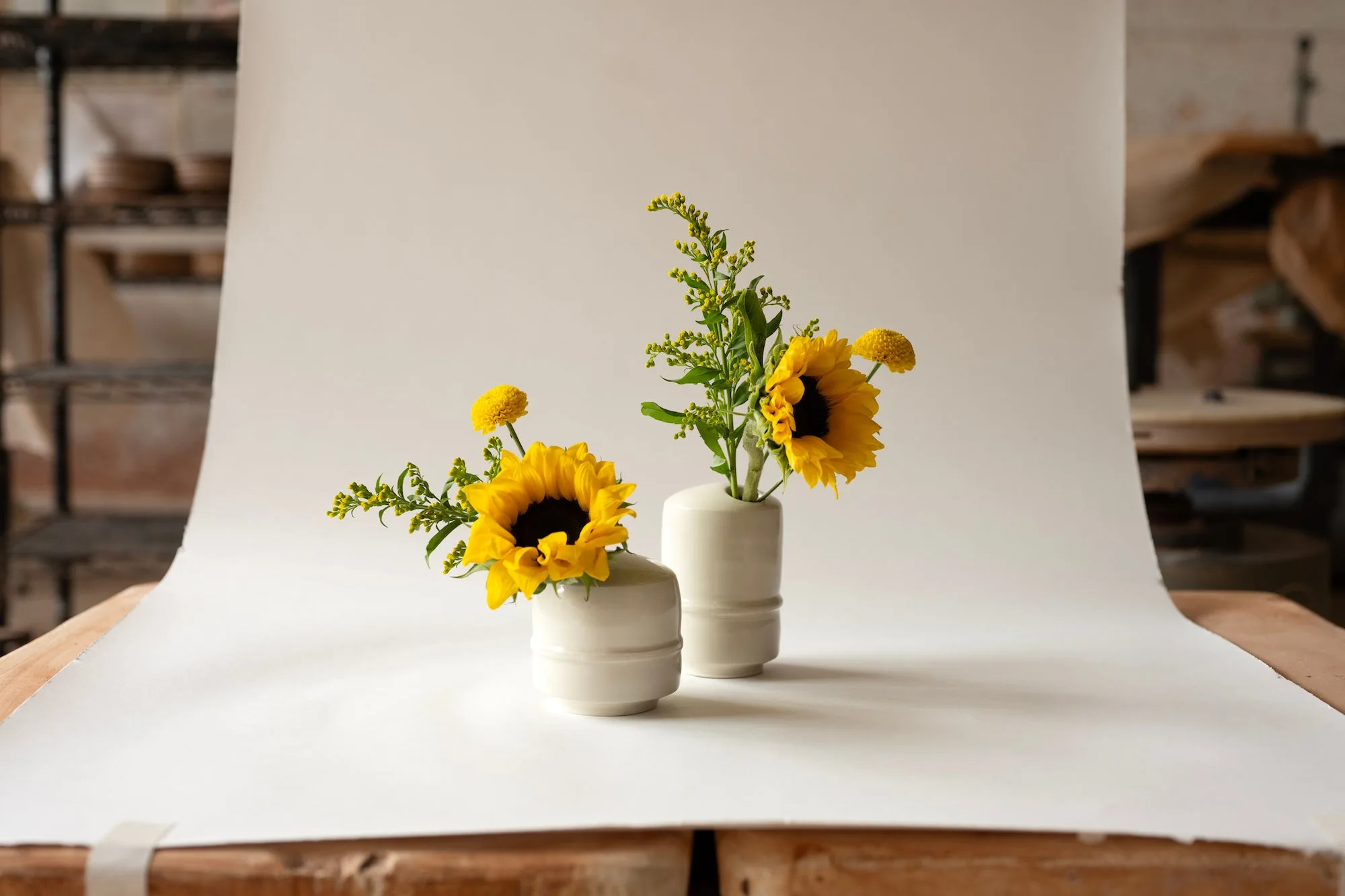
- 3.75" Coupe Gelee Bowl: 3.75"W x 1"H Coupe Gelee Bowl, originally created for the amuse-bouches course at Eleven Madison Park; also good for olives, almonds, hummus, and shared dipping sauces. The wide, shallow shape is ideal for a single-serving dessert like panna cotta or fruit compote, and the 1-inch depth keeps garnishes visible.
- Pro Shop 2.5" Coupe Condiment Bowls: Pro Shop 2.5" Coupe Condiment Bowls hold up to 1.5 fl oz; order minimum of 24 pieces, increase in lots of 6. These are best for professional kitchens or large events where you need many identical small portions, such as dessert amuse-bouches or condiment servings.
- Pro Shop 2.5" Square Sided Ramekins: Pro Shop 2.5" Square Sided Ramekins hold up to 2.5 fl oz; order minimum of 24 pieces, increase in lots of 6. The straight sides and slightly larger capacity suit baked custards, mousses, or crumbles, and the square shape adds a modern look to plating.