Quick answer
To play BLORP!, set up the bouncy board and give each player their pieces. On your turn, bounce or toss your piece onto the board, then resolve where it lands and score any matches. The first player to reach the target score wins. Keep turns moving quickly and agree on any house rules before you start.
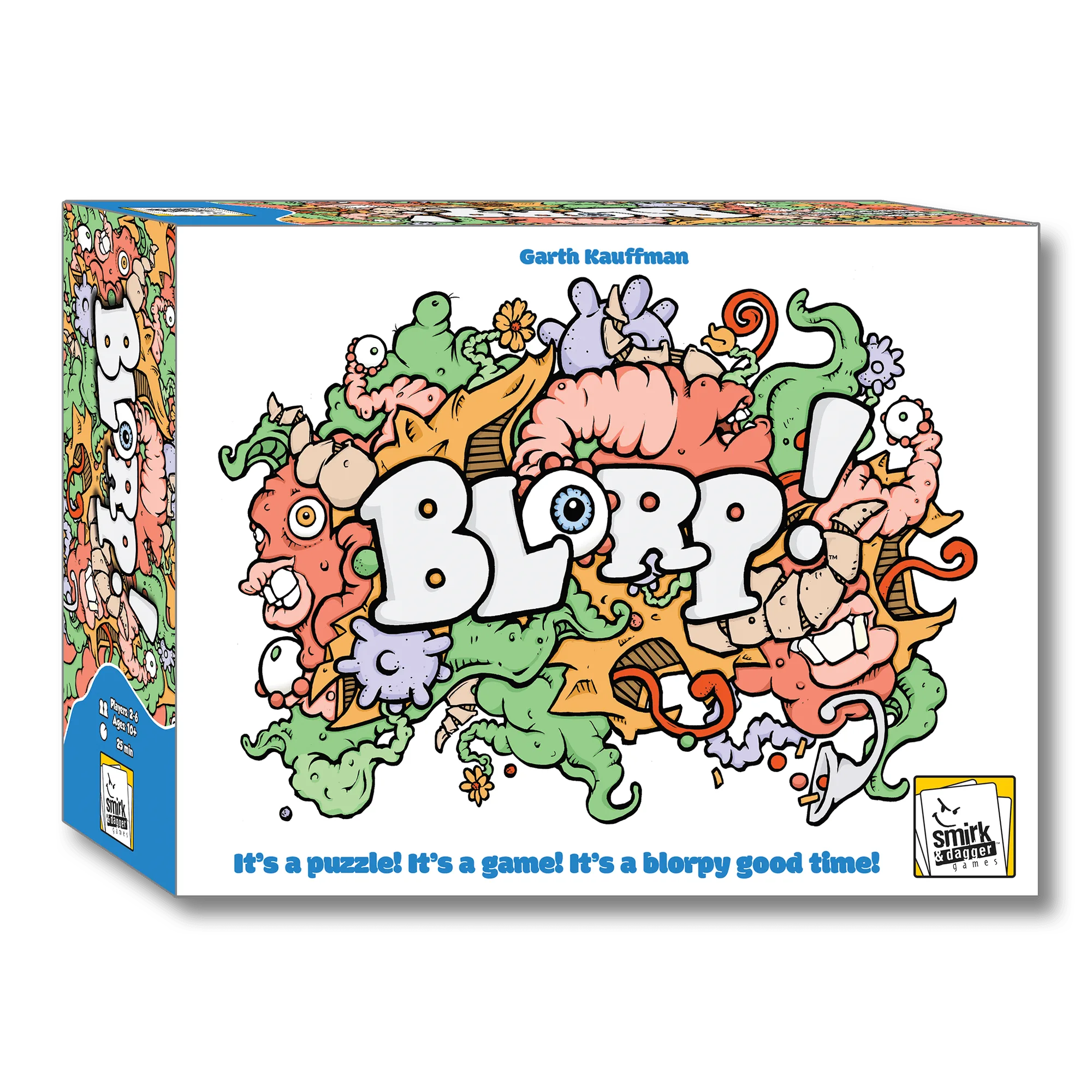
BLORP!
BLORP! is a light, bouncy party game that works best when everyone understands the flow before the first piece flies. This guide walks you through setup, turn order, and scoring so you can teach it in a few minutes and get straight to playing.
Because BLORP! is a physical dexterity game, small differences in how you bounce or toss can change the outcome. That is part of the fun, but it helps to agree on a few table rules up front so nobody feels cheated by a lucky bounce.
What you need before you start
Open the box and check that you have all the pieces listed in the rulebook. BLORP! typically includes the bouncy board or play surface, player pieces, and a score tracker. If your copy uses cards or tokens, sort them into piles so they are within reach of every player.
Clear a flat, stable table with enough room for pieces to bounce without hitting drinks or lamps. A tablecloth can make pieces slide unpredictably, so a bare surface is usually better. If you are playing with younger kids, set a boundary for where pieces may land so you are not crawling under furniture every turn.
- Check the rulebook for your specific edition, since component counts can vary.
- Keep a spare bowl or tray for pieces that bounce off the table.
Setting up the play area
Place the board or play surface in the center of the table. If the game uses a target zone, make sure it is flat and not tilted. Give each player their pieces and a clear spot to keep them between turns.
Decide who goes first. Many party games use youngest player first, but you can also roll off or use a quick round of rock-paper-scissors. Once the first player is chosen, play continues clockwise unless your rulebook says otherwise.
- Do not stack pieces on the board before the game starts; that can knock the surface off balance.
- If the board slides, put a non-slip mat underneath.
Turn order and how a turn works
On your turn, take one piece and bounce or toss it toward the board. The exact method depends on your edition: some versions ask you to bounce the piece off the table, while others have you toss it directly. Follow the rulebook for your copy so everyone uses the same technique.
After the piece lands, resolve the result. If it lands in a scoring zone, you score points. If it knocks other pieces, those pieces may move or be removed depending on the rules. Then the next player takes their turn. Keep a steady pace so the game stays lively.
- Agree before the game on what counts as a legal bounce versus a toss.
- If a piece lands on the floor, most editions treat it as a miss and no score.
Scoring and winning
Scoring in BLORP! usually depends on where your piece lands and whether it matches or covers other pieces. Check your rulebook for the exact values, because they can differ by edition. Common setups award points for landing in the center, for stacking on an opponent, or for matching colors.
The game ends when a player reaches the target score or when the agreed number of rounds is complete. If you are playing with a mixed-age group, you can lower the target score to keep the game short. Announce the score after each turn so everyone can track who is close to winning.
- Use a pad and pencil if your copy does not include a score tracker.
- If scores are tied, play one more round as a tiebreaker.
Common mistakes and how to avoid them
The most common mistake is not agreeing on what counts as a legal bounce. One player might bounce off the table while another tosses directly, which leads to arguments. Decide the technique before the first turn and stick to it.
Another frequent issue is playing on a surface that is too soft or too slippery. A rug will absorb the bounce, while a glass table may send pieces flying. A bare wooden or plastic table usually gives the most consistent results. Finally, do not let turns drag; if a piece lands ambiguously, make a quick ruling and move on.
- If a piece lands on a line, agree in advance whether it counts as in or out.
- Keep drinks off the play surface to avoid sticky pieces.
BLORP! turn checklist
- Set up the board and pieces: Place the play surface flat in the center and give each player their pieces. Check the rulebook for your edition's component list. Checkpoint: the board should not wobble when you press a corner.
- Choose the first player: Use youngest player, a roll-off, or rock-paper-scissors. Play continues clockwise from there. Checkpoint: everyone knows who is first before any piece is bounced.
- Take your turn: Bounce or toss one piece toward the board using the method your rulebook specifies. Resolve where it lands and any pieces it moves. Checkpoint: if the technique is unclear, pause and agree before continuing.
- Score the result: Award points based on the landing zone or matches. Announce the score so everyone can track it. Checkpoint: if a piece lands on a line, use your pre-agreed rule.
- Pass to the next player: Keep turns moving quickly. If a ruling is ambiguous, make a quick call and move on. Checkpoint: aim for under 30 seconds per turn to keep the party pace.
- End the game and declare a winner: Play until someone reaches the target score or the agreed number of rounds is done. Break ties with one extra round. Checkpoint: confirm the target score before the first turn.
Games that pair well with BLORP!
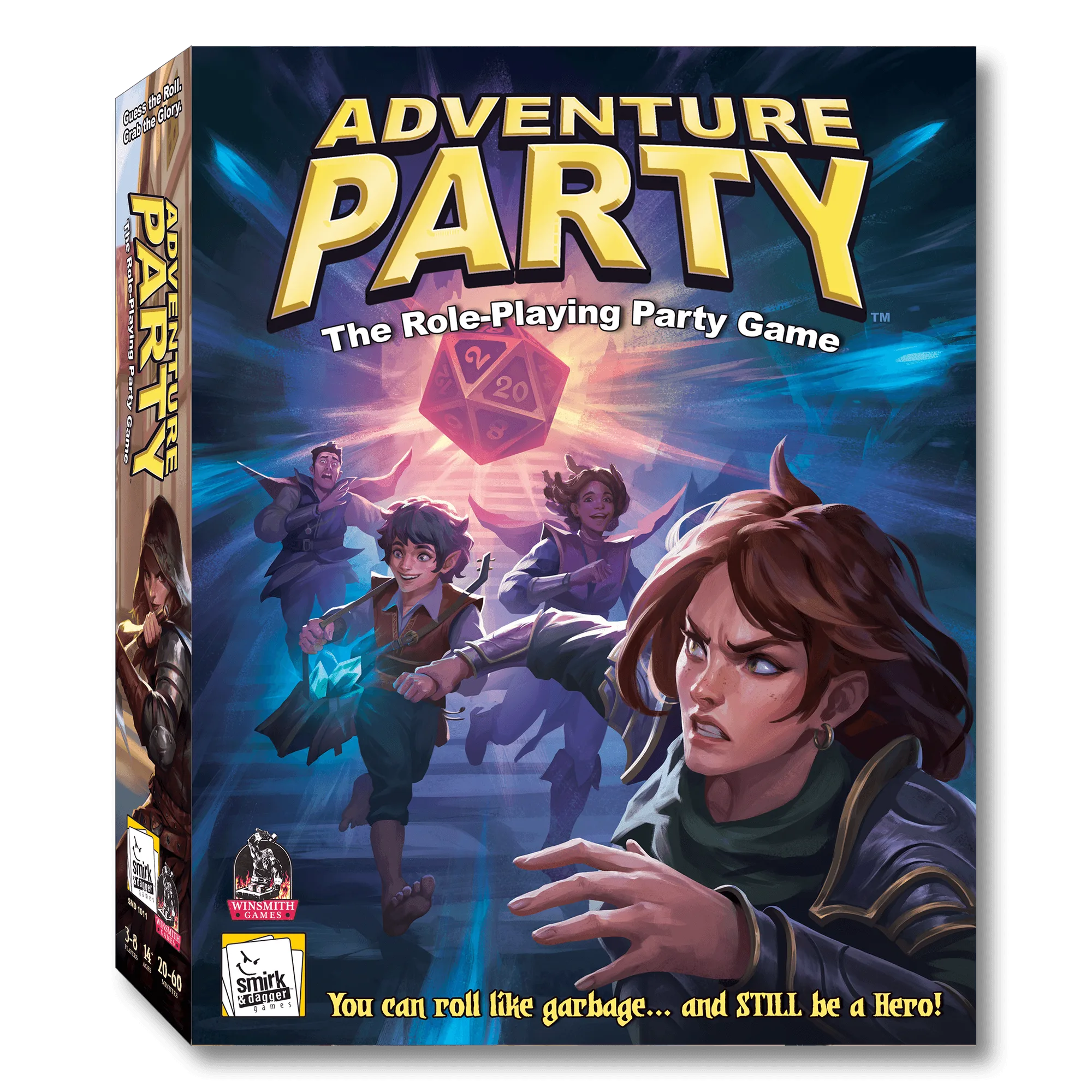
- Adventure Party: The Role-Playing Party Game: A cooperative, party-weight, guessing game that delivers a robust role-playing experience. You and your friends are classic fantasy characters facing up to 3 unique adventure scenarios, rolling a 20-sided die behind your player screen so no one can see the result. If your group enjoys party games with hidden information and storytelling, this is a natural next step after a few rounds of BLORP!
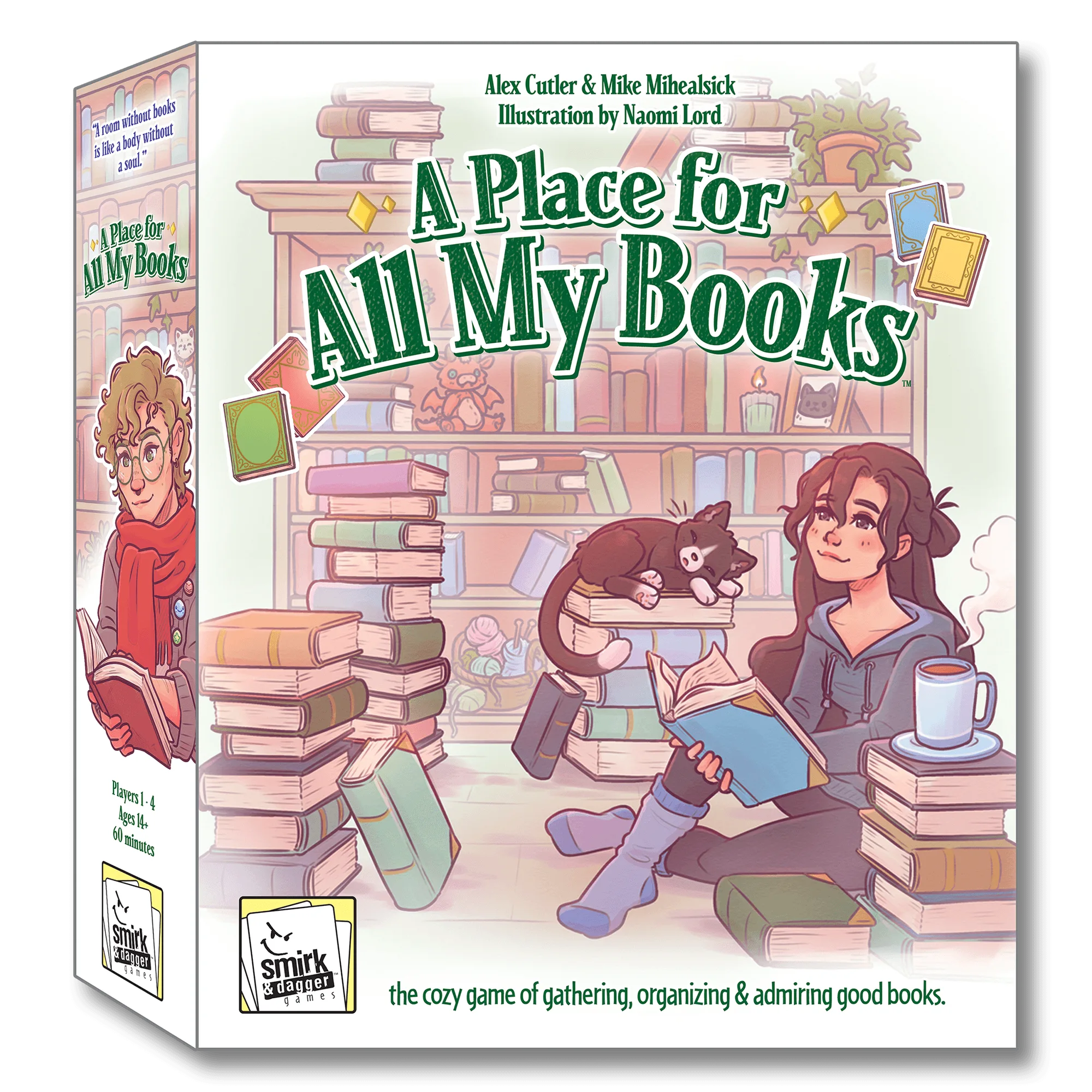
- A Place for All My Books: A puzzley book gathering, sorting and organizing strategy game where players arrange stacks of books in different rooms of their apartment as personal projects. For players who want a quieter, puzzle-style game after the high energy of BLORP!, this offers a calm contrast without leaving the table.
BLORP! is easy to teach once you lock in the setup, turn order, and scoring. Agree on the bounce technique and line rules before you start, keep turns short, and the game will run itself. If you want a change of pace afterward, a cooperative party game like Adventure Party or a quiet puzzle game like A Place for All My Books can round out the night.