Quick answer
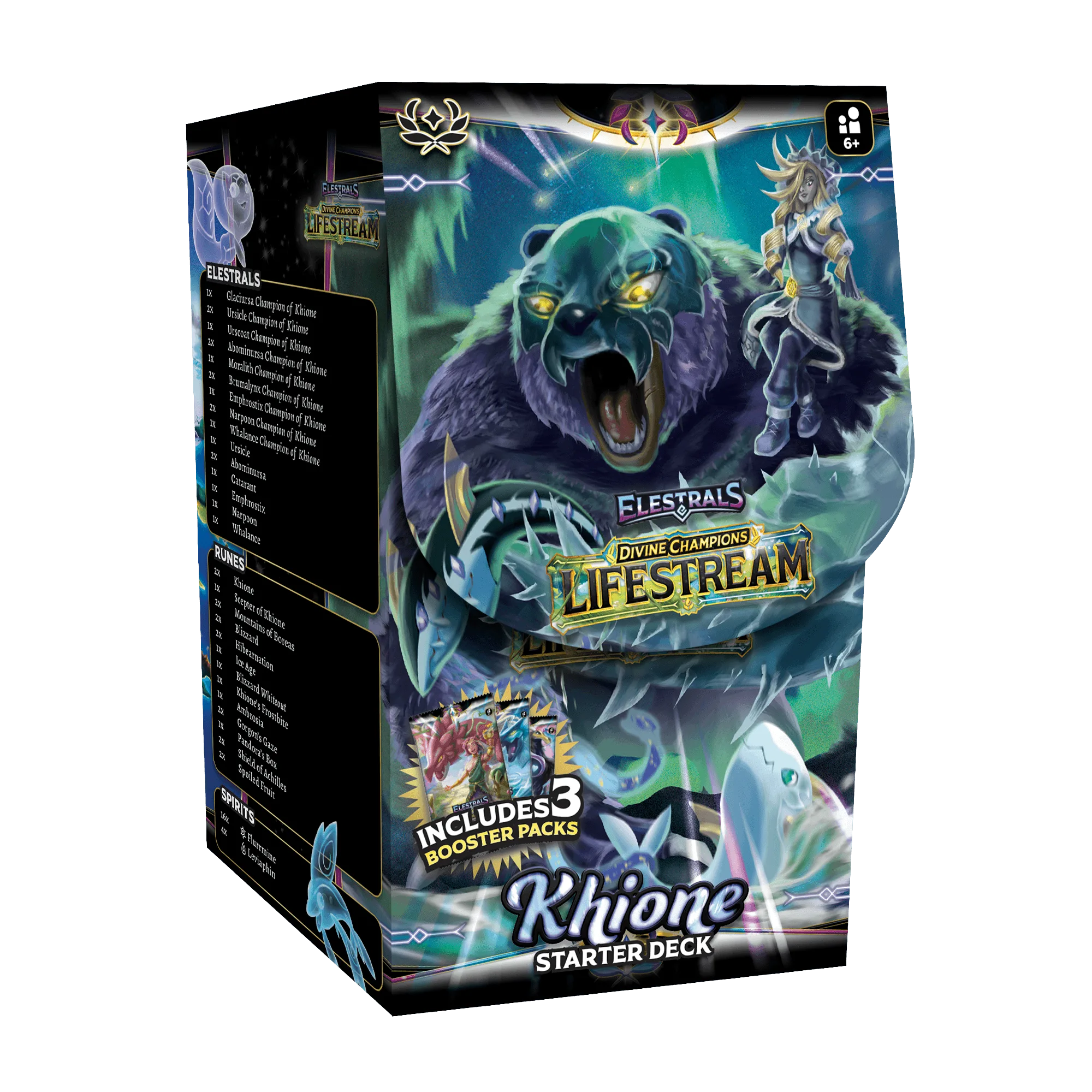
Start with a preconstructed Elestrals starter deck, read every card once before shuffling, and play one full practice game with your hand revealed. Learn the turn sequence first, then casting costs, then combat. Do not chase advanced combos until you can finish a game without asking what happens next.
Set up the table before you shuffle
Clear a flat surface wide enough for two play areas. Each player needs their own deck, a way to track damage or counters, and space for a discard pile. Keep your deck on one side and your discard on the other so you never mix them mid-game.
A playmat is not required, but it solves two beginner problems at once: it defines where your cards live and it stops sleeves from catching on a bare table. If you already own sleeves, put them on before your first game rather than after, because shuffling unsleeved cards repeatedly is the fastest way to scuff the ones you care about.
Shuffle, draw, and decide who starts
Shuffle thoroughly, offer your opponent a cut, then draw your opening hand. Randomize who goes first. In most head-to-head card games the first player skips their first draw step, so confirm that rule with your group before the game rather than mid-turn.
Checkpoint: if you drew a hand with no affordable plays, that is a normal outcome, not a broken deck. Note what you were missing and keep playing. Mulligan rules vary by format, so agree on them before the first shuffle.
Walk through one turn in order
Most beginner confusion comes from doing turn phases out of order. Move through them deliberately: untap or ready your cards, draw, play cards or cast spells, resolve combat if your game uses it, then pass. Say each phase out loud for your first two games. It feels slow, but it builds the habit faster than reading the rulebook again.
A common mistake is casting something before readying your resources, then realizing you cannot pay for it. Ready first, count second, cast third.
Pay casting costs correctly
Casting costs are where new players lose games quietly. Count the cost, confirm you have the required resources available, then move the cards. Do not partially pay and hope to finish the payment with a card you have not drawn yet.
Checkpoint: after each cast, ask yourself whether you could have cast the same card next turn with more information. If yes, you probably cast too early.
Resolve combat without guessing
Announce attackers, then let your opponent respond, then resolve damage. Never skip the response window because you assume the answer. If a card's wording is unclear, read it aloud exactly as printed and apply only what it says.
If your game group disagrees on a timing question, write it down and check the official rules after the game. Arguing mid-turn teaches nobody the rules.
Keep your cards playable between sessions
Elestrals cards see a lot of shuffling, so protection matters more than most new players expect. Standard-size matte sleeves cut glare and keep cards sliding cleanly, and a playmat keeps edges off rough tables. You do not need premium gear to learn the game, but you do need cards that still shuffle well after twenty games.
Your first game, step by step
- Read your deck before you shuffle: Lay out every card once and read the text. You will spot your main play pattern before the game starts. Checkpoint: if you cannot explain what your deck wants to do in one sentence, read it again.
- Play one open-hand practice game: Both players reveal their hands and talk through each decision. Correct mistakes out loud instead of quietly. Do not count this game as a real result. It is a walkthrough.
- Play one closed-hand game slowly: Hide your hand, but narrate each phase as you enter it. Pause before casting anything. Common mistake: rushing combat before readying resources.
- Review the turn you lost: After the game, replay the turn where the game turned. Identify the single decision that caused it. One reviewed loss teaches more than three fast wins.
- Protect the deck before game four: Sleeve your cards and move play onto a mat if you have one. Repeated shuffling is what wears cards down. Do this before the cards show edge wear, not after.
Gear that helps while you learn
- Elestrals TCG: Ladogon Champion of Dionysus Playmat: Elestrals TCG: Ladogon Champion of Dionysus Playmat is a premium neoprene playmat with stitched edges and 1.5mm thickness, built for Earth Casters. The stitched edge resists the peeling that kills cheap mats, and 1.5mm neoprene gives sleeves a consistent surface to slide on while you practice.
- Elestrals TCG: Majesea Champion of Poseidon Card Sleeves: Elestrals TCG: Majesea Champion of Poseidon Card Sleeves are premium standard-size matte sleeves, 100 per pack with two designs (60 Majesea, 40 Leviaphin), made for Water Casters. Matte finish reduces glare so you can read card text during long learning games, and 100 sleeves covers a full deck plus spares.