Quick answer
To play Seas of Havoc, set up the board and give each player their starting pieces, then take turns in order by resolving each phase on your player aid. Move, attack, and manage your resources in the sequence the rulebook lists, and keep the reference card visible until the flow feels automatic. Your first game is about learning the rhythm, not winning.
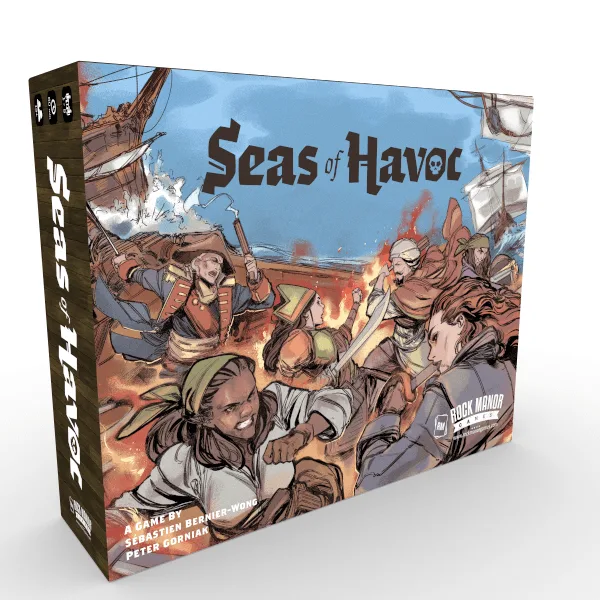
Seas of Havoc
Seas of Havoc rewards players who understand the turn structure before they start chasing big plays. The rulebook is your source of truth for exact numbers and edge cases, but this guide gives you the practical flow most groups need: what to set up, what to do on a turn, and where new players usually get stuck.
I'll walk through setup, the turn sequence, and the strategy basics that matter in your first few games. I'll also point out a few Rock Manor Games titles that pair well if your group enjoys cooperative or dice-driven play between heavier sessions.
Seas of Havoc setup: build the board before you deal
Start by clearing a table large enough for the main board plus each player's personal area. Unfold the board, place the shared tokens and decks where the rulebook indicates, and give every player their starting ship, crew, and resource markers. Do this before anyone picks a strategy, because your opening options depend on what the board looks like.
A common mistake is shuffling everything together and sorting later. Instead, separate the decks by type first, then shuffle only the decks the rulebook says to shuffle. If your copy includes player aids, hand one to each seat. This keeps the first round moving and prevents the mid-game pause where everyone digs through the box for a missing token.
- Checkpoint: every player should have the same starting components before the first turn begins.
- Keep the rulebook open to the turn-order page for the first full round.
Seas of Havoc turn guide: the phase order that keeps games fair
On your turn, work through the phases in the order printed on your player aid. Most turns follow a pattern: refresh or collect resources, take your movement or action, resolve any combat or interaction, then clean up and pass. The exact names and limits come from the rulebook, so read that page once out loud before you start.
The most common mistake is doing actions out of order because a big play looks tempting. If you move before collecting, or attack before resolving an upkeep step, you can accidentally skip a resource you were owed. Announce each phase as you complete it for the first game. It feels slow for ten minutes and then saves you an hour of rules arguments.
- Checkpoint: if you and another player disagree on phase order, stop and check the rulebook rather than house-ruling mid-turn.
- Tip: narrate your turn out loud during game one so everyone learns the sequence together.
Seas of Havoc strategy basics: play the board, not your hand
New players tend to hoard resources and wait for a perfect turn. In most games of this style, that loses to players who take small, safe actions every round. Look at what the board is offering, take the efficient play, and keep your options open. If a move commits you to one lane for the rest of the game, make sure the payoff is worth it.
Positioning matters more than raw strength in the early rounds. Being one space away from a contested area is often better than being in it, because you can react to what other players do. Save your biggest effects for turns where you can also score or secure something permanent. A big attack that leaves you exposed usually costs more than it gains.
- Checkpoint: after each round, ask whether your last turn improved your position or just spent resources.
- Tip: track what your opponents can do on their next turn, not just what they did on their last one.
Common rules questions and how to resolve them
Every group hits the same three questions: what happens when two players want the same space, how ties resolve, and whether an ability can be used more than once per turn. The rulebook answers these directly, so make one person the rules reader for the session and have them look it up rather than guessing.
If a ruling is genuinely ambiguous, agree on an interpretation, write it down, and keep it consistent for the rest of the game. Changing a ruling mid-game is worse than a slightly wrong ruling applied evenly. After the session, check the publisher's FAQ or errata if one exists for your edition.
- Checkpoint: write down any house ruling so your next session starts from the same place.
- Tip: keep the rulebook's index page bookmarked during your first three games.
Your first game, step by step
- Set up the shared board first: Unfold the board, place shared tokens and decks where the rulebook shows, then give each player their starting pieces. Do not let anyone choose a strategy until the board is fully built. Checkpoint: if a component has no obvious home, stop and check the setup diagram before continuing.
- Read the turn phases out loud once: Before the first turn, read the turn-order page aloud so every player hears the same sequence. Point to each phase on the player aid as you name it. Checkpoint: everyone should be able to name the phases in order before you start.
- Play one full round with open information: For the first round only, let players discuss their intended moves before taking them. This exposes misunderstandings about movement, resources, and timing while they are still cheap to fix. Checkpoint: if two players read the same rule differently, resolve it now rather than mid-game.
- Switch to normal play from round two: Stop the open discussion and play normally. Keep the rulebook visible and assign one player to look up questions so the game does not stall. Checkpoint: a rules question should take under a minute to resolve once you have a designated reader.
- Debrief after the final turn: Ask each player what they would do differently and note any rule that caused confusion. Write those notes on the inside of the box lid for next time. Next step: your second game will run noticeably faster, so schedule it while the rules are still fresh.
Rock Manor Games titles that fit the same table
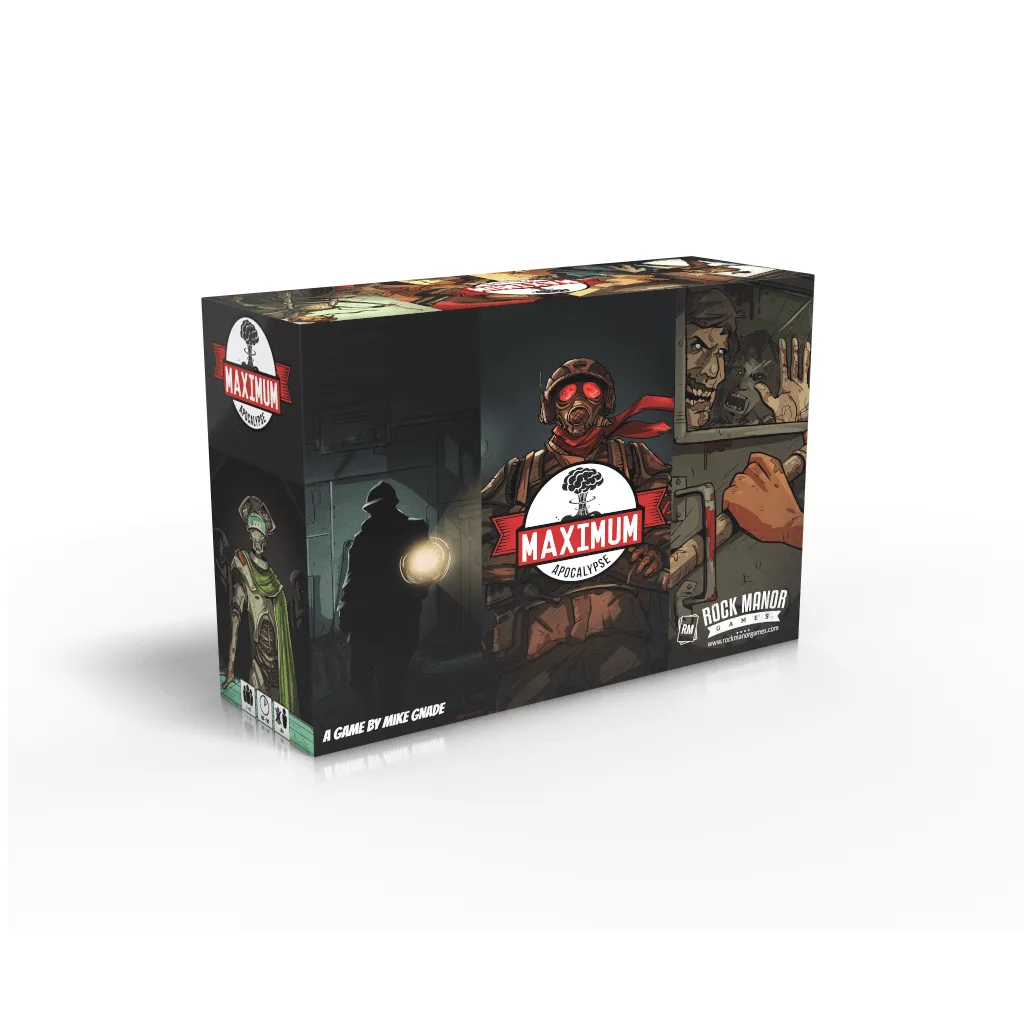
- Maximum Apocalypse 2E: Maximum Apocalypse is a cooperative roguelike adventure game for 1-6 players, and the 2E core set includes miniatures and trays that speed up setup and teardown. If your group likes learning a turn structure together, this is an easy next step because the trays cut the setup time that usually slows down a first play.
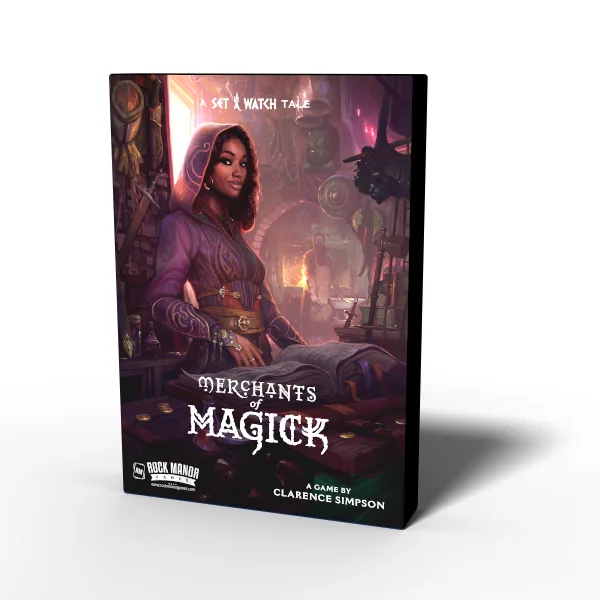
- Merchants of Magick: A Set a Watch Tale: Merchants of Magick is a roll-and-write set in the Set a Watch world where each round four polyhedral dice are rolled and you select two to craft items or research enchantments. It is a lighter, faster option for the same group when you want a game that teaches in one round and still gives you meaningful choices each turn.
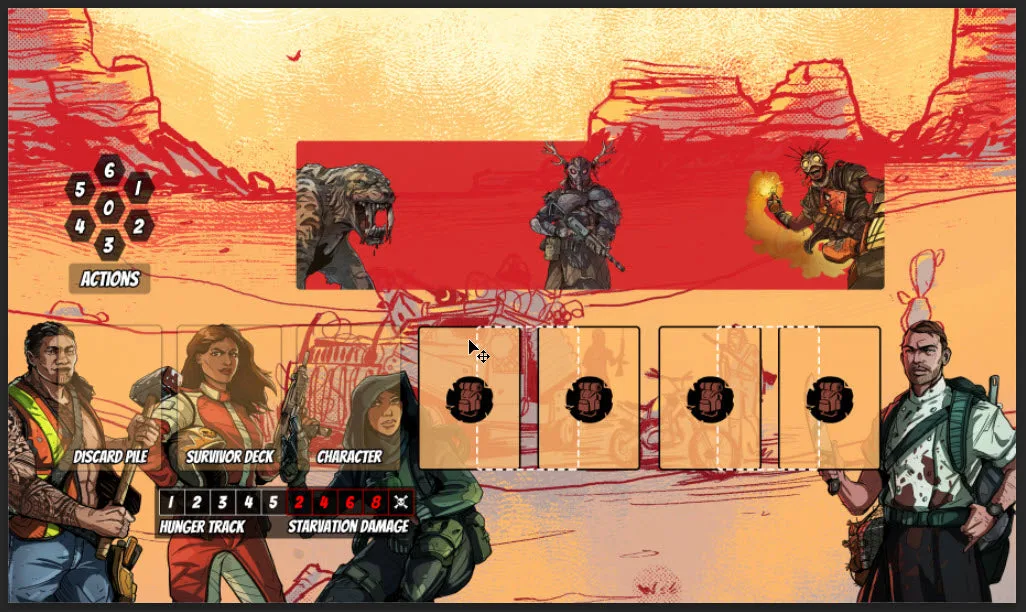
- Maximum Apocalypse: Wasted Wilds Play Mat: This neoprene player mat measures 24" x 14" and provides a defined play area for your game components during play. A defined play area keeps cards and tokens from drifting into another player's space, which is one of the small things that makes a first game run smoother.
Seas of Havoc is easiest to learn when you treat the first game as a walkthrough rather than a competition. Set up carefully, follow the turn phases in order, and keep the rulebook open until the rhythm sticks. Once your group has one full game behind it, the strategy layer opens up and the real fun begins.