Quick answer
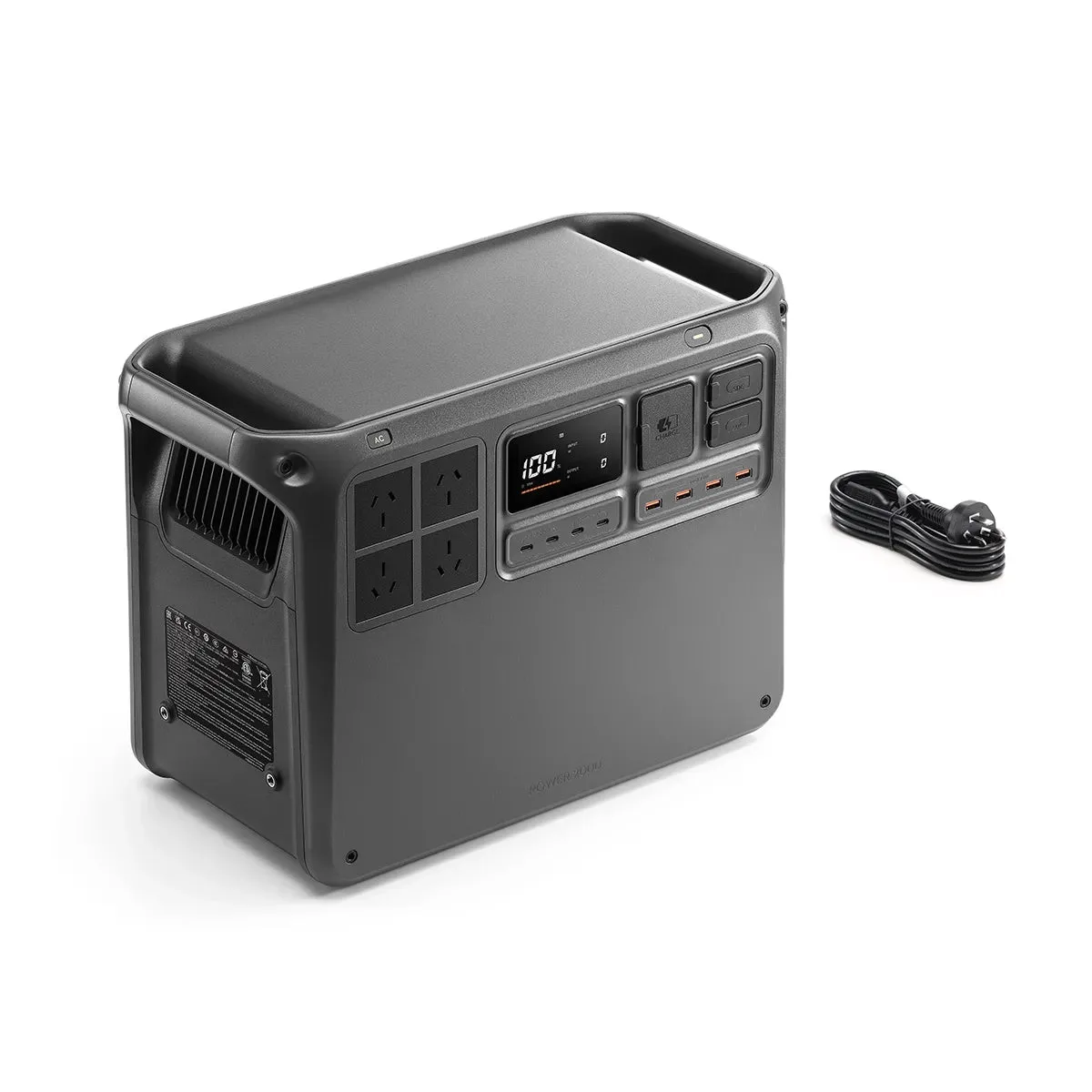
Build your field power setup around one rule: match the station's continuous output and capacity to the gear you actually run, then recharge it faster than you drain it. For most outdoor shoots, a compact high-capacity station such as the DJI Power 2000 covers laptop, monitor, drone and battery-charger duty in one box, while a small USB power bank handles the camera body itself. Calculate first, buy second.
Work out your real power budget before you buy anything
Most photographers overestimate how much power they need and underestimate how much they will actually recharge. List every device you will plug in on a typical shoot day: camera batteries, drone batteries, laptop for backups, monitor, LED panels, phone and maybe a cooler for film stock or food. For each item, note its wattage or charging input and how many times you expect to recharge it. Camera batteries are small loads, usually 10-20Wh each; a laptop is often 60-100Wh per full charge; LED panels and monitors are continuous draws that add up over a long day.
Once you have that list, add a 20-30% buffer for cold weather, inverter losses and the fact that you will always use more than planned. That total is your target capacity in watt-hours. If your number lands under about 500Wh, a large power bank or small station is enough. If it lands between 1000Wh and 2500Wh, you are in portable power station territory and need to think about weight and transport as seriously as capacity.
Match continuous output to your biggest single load
Capacity tells you how long you can run; continuous output tells you what you can run at once. Check the wattage of your highest-draw device and make sure the station's continuous output comfortably exceeds it. A station rated around 2500W continuous with a higher peak will run most chargers, laptops and small appliances without tripping, which matters when you are charging several camera batteries, a drone and a laptop at the same time from one unit.
The mistake here is buying on capacity alone. A huge battery with a low continuous output will still shut down the moment you plug in a kettle, a hair dryer or a high-wattage charger. Read the output figure first, then the capacity figure.
Decide how you will recharge the station in the field
A power station is only useful if you can refill it. Map your recharge options before you leave: vehicle 12V socket while driving between locations, a solar panel if you are stationary for hours, or a wall socket at a cafe or campsite. Fast AC recharge is the difference between a station that works on a road trip and one that sits empty. Some units can recharge to 80% in around 45 minutes from AC, which turns a lunch stop into a full top-up.
The common mistake is assuming solar alone will keep a large station topped up. Solar input is slow and weather-dependent, so treat it as a supplement to AC or vehicle charging, not a replacement.
Separate camera-body charging from everything else
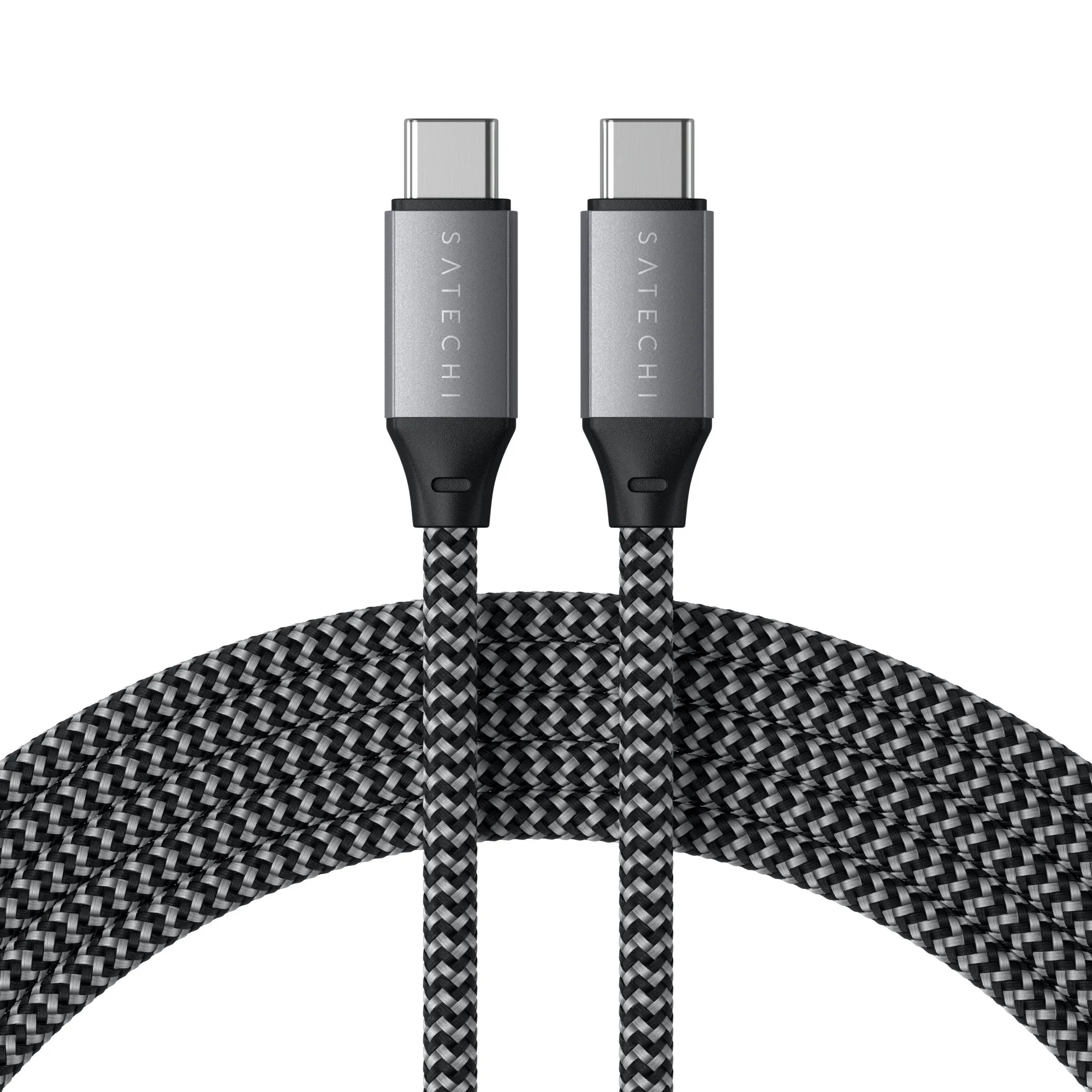
Your camera batteries are the one thing you cannot afford to run out of, so do not put them on the same circuit as your laptop and lights. Carry a small USB power bank for in-bag camera battery charging and keep the main station for the heavy loads. This way, if the station is depleted or you leave it in the car, you can still top up a camera battery while walking or shooting.
Use the correct charger for each battery chemistry and never charge swollen or damaged cells. If a battery is hot from a long shoot, let it cool before charging; heat is the main cause of reduced battery life in the field.
Pack and protect the setup for real outdoor conditions
Dust, moisture and vibration kill electronics faster than drain does. Keep the station in a padded case or hard box, seal unused ports with the supplied covers, and avoid leaving it in direct sun. In cold conditions, capacity drops noticeably, so insulate the station overnight and charge devices during the warmest part of the day.
Weigh the whole kit before you commit. A 2000Wh-class station is manageable for car-based shoots but heavy for multi-day hikes; for walking shoots, two smaller stations or a station plus power banks often beat one large unit. Check airline and campsite rules if you are flying or staying on managed land, since lithium capacity limits vary.
Your field power setup in seven steps
- 1. List every device and its recharge count: Write down each camera battery, drone battery, laptop, light and phone you will use in a day, with watt-hours per charge where known. Checkpoint: if your list is longer than one page, you are probably over-packing chargers, not under-packing power.
- 2. Add a 20-30% buffer to your watt-hour total: Cold, inverter losses and unplanned recharges all eat into capacity. The buffer is what stops you running flat on day two. Checkpoint: recalculate after your first trip and adjust the buffer up or down.
- 3. Choose a station whose continuous output beats your biggest load: Find the highest-wattage device you plan to run and pick a station with continuous output above that figure, not just high capacity. Checkpoint: a station that shuts down under load is worse than a smaller one that runs everything smoothly.
- 4. Confirm your recharge route before you leave: Decide whether you will refill from AC, a vehicle socket or solar, and how often. Fast AC recharge is the most reliable option on road trips. Checkpoint: if you cannot recharge the station at least once per day, reduce your load.
- 5. Keep camera batteries on a separate small power bank: Dedicate a pocket-sized USB bank to camera batteries so a depleted main station never leaves you unable to shoot. Checkpoint: label the bank so you do not accidentally drain it charging a phone.
- 6. Protect and insulate the station in the field: Use a padded case, seal unused ports, keep it out of direct sun and insulate it overnight in cold weather. Checkpoint: never charge a hot or swollen camera battery straight off the station.
- 7. Weigh the full kit and test it at home first: Run a full charge-and-drain cycle at home with your real devices before the shoot so you know your true runtime. Checkpoint: check airline and campsite lithium limits if you are flying or staying on managed land.
Field power options worth knowing
- DJI Power 2000: 2048Wh capacity with 2500W high power output and 3000W stable high-power output, recharging 0-80% in about 45 minutes via AC, with ultra-quiet operation. One compact unit can run chargers, a laptop and small appliances at once, and the fast AC top-up fits a lunch stop on a road-based shoot. The quiet operation helps when you are camped near a wildlife location.
- LIEMKE KEILER-18 PRO Thermal imaging camera: 384 x 288 ceramic VOx thermal detector, 36m field of view at 100m, 2x-4x digital zoom, up to 8 hours battery life, charged via external USB power source. A thermal camera that charges over USB can be topped up from a power station or power bank in the field, so it is a good example of gear that suits a shared USB power plan rather than a dedicated AC outlet.