Quick Answer
Most dog bowl health issues come from biofilm, a slimy layer of bacteria that builds up in scratches and at the waterline even when the bowl looks clean. Wash food bowls daily and water bowls every one to two days with hot water and dish soap, and replace any bowl that is scratched, cracked, or permanently slimy. If your dog has repeated vomiting, diarrhea, or mouth irritation despite clean bowls, stop troubleshooting at home and see your vet.
You rinse the bowl, it looks fine, and your dog still gets an upset stomach. That gap between what you can see and what is actually growing on the bowl is where most dog bowl health issues live. The fix is not a fancier bowl or a stronger cleaner. It is a routine that matches how bacteria actually behave on plastic, stainless steel, and ceramic surfaces.
This guide separates the symptoms you might notice from the causes behind them, gives you corrective actions you can start today, and tells you when a bowl problem is no longer a bowl problem and needs a veterinarian instead.
Symptoms: What Dog Bowl Problems Actually Look Like
Bowl-related trouble rarely announces itself as "dirty bowl." It shows up as a dog that drinks less than usual, leaves food sitting, or develops a red, irritated muzzle and chin. You might notice loose stool that comes and goes, mild vomiting, or a sour smell coming from the bowl area even after washing. Some dogs get picky about a specific bowl and happily eat from a different one.
Because these signs overlap with food sensitivities, dental pain, and plain stress, owners often replace the food first. Before you switch diets, check the bowl. A quick smell test and a finger swipe along the inside edge will tell you more than the bowl's appearance does.
- Run a finger along the inside bottom and sides. A slippery film that survives a rinse is biofilm.
- Smell the bowl after it dries. A sour or musty odor means bacteria are still present.
- Check the waterline on water bowls for a faint ring that does not scrub off.
- Look at plastic bowls under bright light for a web of fine scratches.
Likely Causes: Why Bowl Hygiene Fails
The main cause is biofilm, a community of bacteria that anchors itself to a surface and secretes a protective layer. Once it forms, a quick rinse or a wipe with a cloth spreads it around rather than removing it. Plastic bowls are the worst offenders because their surfaces scratch easily, and every scratch becomes a protected pocket that holds moisture and food residue.
The second cause is timing. Water bowls in particular get refilled instead of washed, so a small amount of old saliva and food particles stays in the bowl indefinitely. Bowls that sit on the floor all day, bowls shared by multiple dogs, and bowls used for wet food all build up contamination faster. None of this means you need to sterilize everything. It means the interval between real washes matters more than the product you use.
- Refilling a water bowl without washing it concentrates residue instead of diluting it.
- Wet food and raw diets leave more organic material than dry kibble.
- Shared bowls transfer bacteria between dogs, including from a dog with loose stool.
- Dishwashers on a light or eco cycle may not reach the temperature needed to clear biofilm.
Corrective Action: A Cleaning Routine That Works
Wash food bowls every day and water bowls every one to two days with hot water and dish soap, using a brush or sponge that goes into the corners. A dedicated bottle brush handles deep bowls far better than a flat sponge. If you use a dishwasher, run bowls on a hot cycle with a heated dry setting, and do not pack them against greasy dishes.
For a bowl that already feels slimy, scrub it with hot soapy water, then soak it for a few minutes in a diluted white vinegar solution and scrub again. Rinse thoroughly. Vinegar is a reasonable household option for routine biofilm removal, but it is not a disinfectant for every situation, and it will not fix a deeply scratched plastic bowl. If the film returns within a day, the surface is holding bacteria and the bowl should be replaced.
Dry bowls upside down with space between them. A bowl that stays damp in a cabinet or on a drying rack rebuilds biofilm faster than a dry one. Keep a second bowl in rotation so one can dry completely while the other is in use.
- Use hot water, dish soap, and a brush that reaches the bottom edge.
- Soak stubborn film in diluted white vinegar, then scrub and rinse well.
- Dry upside down with airflow; do not stack wet bowls.
- Rotate two bowls per dog so each one dries fully.
Material and Placement Choices That Reduce Risk
Stainless steel and ceramic bowls with intact glazes are the easiest to keep clean because they do not scratch as readily as plastic. Ceramic only works if the glaze is uncracked; a chipped or crazed glaze gives bacteria a place to hide. Plastic is fine for some dogs but should be replaced more often, especially once you can feel scratches with a fingernail.
Placement matters too. Bowls near a litter box, a trash can, or an outdoor door pick up more contamination. Elevating bowls off the floor can reduce how much dirt and hair ends up in the water, and it also limits how much your dog drools into the bowl. Whatever setup you choose, the routine still decides the outcome.
- Choose stainless steel or uncracked ceramic over scratched plastic.
- Replace plastic bowls at the first sign of deep scratches.
- Move bowls away from trash, litter boxes, and entryways.
- Wipe the floor under and around bowls weekly.
When to Stop and See Your Vet
Stop treating this as a bowl problem if symptoms continue for more than a day or two after you have established a consistent cleaning routine. Repeated vomiting, diarrhea lasting more than 24 hours, blood in stool, lethargy, or a dog that stops drinking entirely are veterinary issues, not hygiene issues. Mouth irritation that does not clear with clean bowls can also point to dental disease or an allergy.
If your vet rules out medical causes and the problem returns, look at the whole feeding setup. Food storage, treat choices, and chew toys that sit in the bowl area can all contribute. A tough chew toy left in a water bowl, for example, gives bacteria another wet surface to colonize.
- See a vet for vomiting, diarrhea, blood, lethargy, or refusal to drink.
- Do not delay care to try one more cleaning method.
- Ask your vet about dental checks if mouth irritation persists.
- Reassess food storage and toys kept near bowls if problems recur.
Bowl Problem Diagnosis
- Slimy film after washing: Biofilm has anchored to the surface, usually in scratches or along the waterline. Scrub with hot soapy water, soak in diluted white vinegar, and rinse. If the film returns within a day, replace the bowl.
- Sour smell from a dry bowl: Residue is still present after cleaning. Switch to a brush that reaches corners and dry bowls upside down with airflow. Recheck after three days of consistent washing.
- Loose stool or vomiting that improves with a clean bowl: The bowl was likely the source. Keep food bowls washed daily and water bowls every one to two days, and rotate two bowls per dog. If symptoms return despite the routine, see your vet.
- Symptoms continue after a week of clean bowls: This is no longer a hygiene problem. Repeated vomiting, diarrhea beyond 24 hours, blood in stool, lethargy, or refusal to drink needs veterinary care. Stop home troubleshooting and book an appointment.
Products That Support a Cleaner Routine
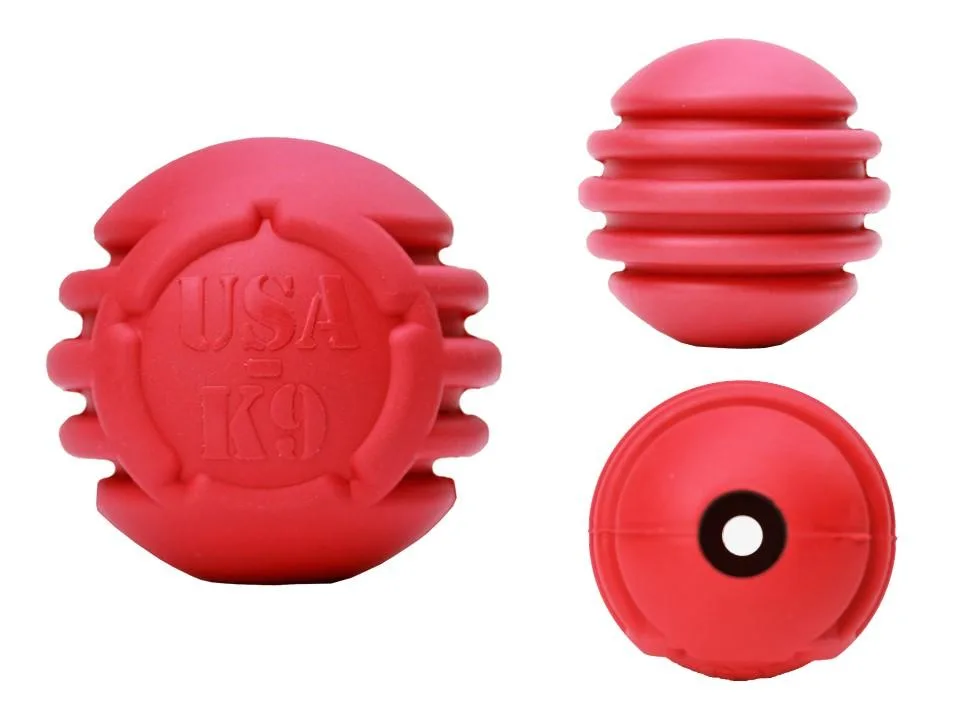
- NEW! K9 Power Chewer Tough Rubber Ball: K9 Power products deliver ultra durability made to withstand aggressive, powerful chewers, and this chew-proof ball is described as strong, wear-resistant, and fortified. A durable rubber toy is easier to rinse and dry than fabric or rope toys that stay damp and hold residue near the bowl area.
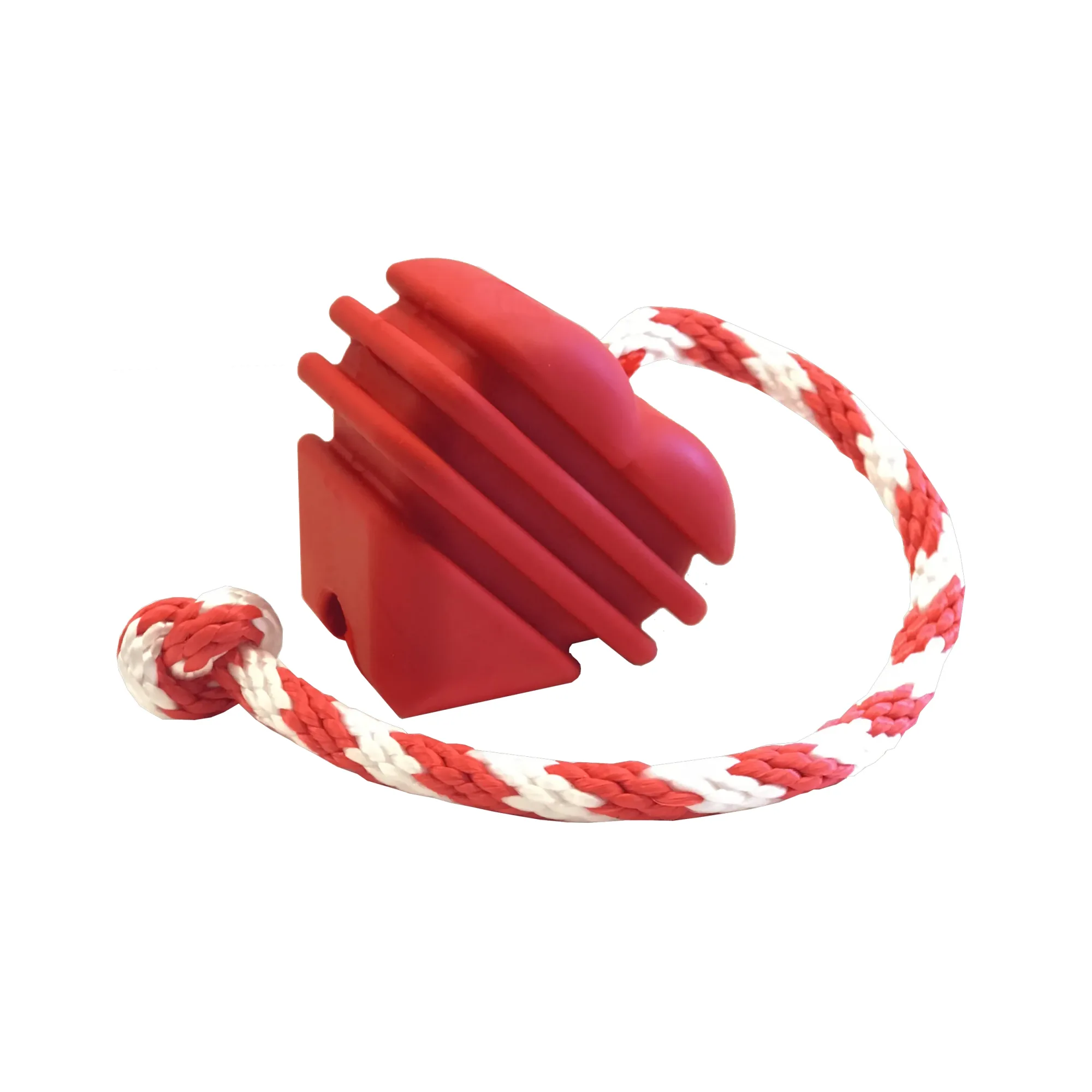
- Large Rubber Heart On A String Toy: This heart-shaped rubber retrieving and tug ball is made of ultra-durable near-solid rubber and is designed to reduce problem chewing, boredom, and separation anxiety. Non-porous rubber surfaces wipe clean quickly, so playtime does not add another wet, bacteria-friendly item to your dog's feeding space.
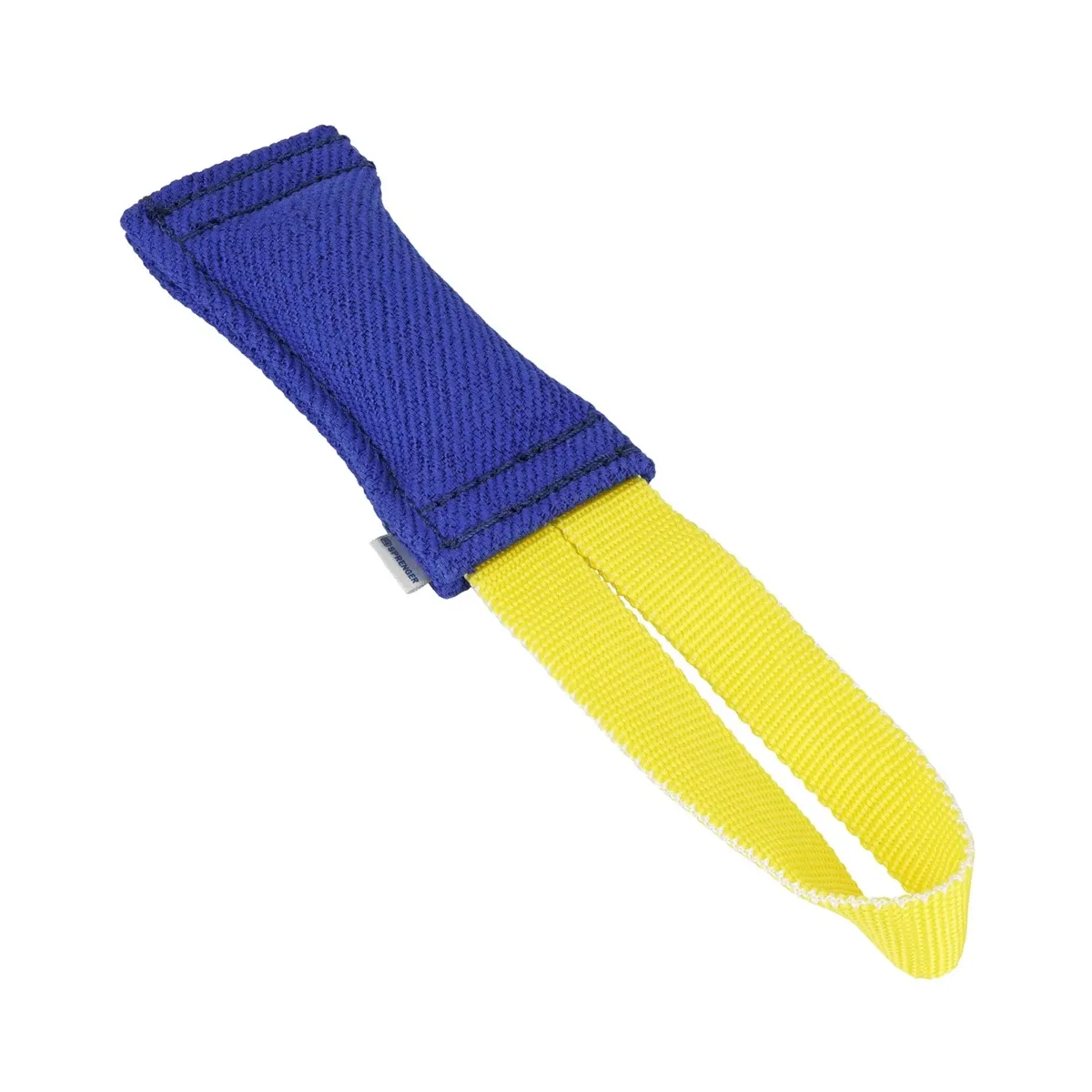
- Herm Sprenger Puppy Bite Tug: Made of high-quality, soft and tooth-friendly cotton, it is suitable for small and medium dogs and puppies, and the catalog notes it is not a chewing or tugging toy. Cotton tug toys absorb water and saliva, so keep them out of water bowls and wash them separately rather than leaving them in the feeding area.
Dog bowl health issues are almost always a routine problem, not a product problem. Wash food bowls daily, wash water bowls every one to two days, dry them fully, and replace anything scratched or permanently slimy. Do that consistently and most bowl-related symptoms disappear. If they do not, the next step is your vet, not another cleaning hack.