Quick answer
Most down scarf shedding comes from a few fixable things: a shell fabric that lets sharp quills poke through, a seam or baffle that has opened, or washing and drying that clumps down and pushes feathers toward the fabric. Start by checking the shell and seams for damage, then switch to a gentle wash and low-heat dry with dryer balls. If quills are coming through intact fabric, the scarf is likely at the end of its useful life.
A few stray feathers on your coat collar are normal. A steady trail of down along your jacket zipper is not. When your down scarf starts shedding, the fix depends on whether the cause is the fabric, a seam, or the way you clean it.
This guide separates the symptom from the likely cause, gives you a corrective action, and tells you when to stop repairing and replace the scarf. You do not need special gear to diagnose it, just good light and a close look at the shell and seams.
Symptom check: Is it shedding or just loose feathers?
Before you assume the worst, look at what is actually escaping. A few down clusters clinging to the outside after you take the scarf off is normal wear. Down clusters are light and can migrate through fabric over time, especially at high-stress points like the ends and where the scarf rubs against a jacket collar.
Real shedding looks different. You will see quills, the sharp central spine of a feather, poking through the fabric. You may also find down collecting in seams, along hems, or inside your coat where the scarf sits. If the loss is steady and visible after every wear, you have a shedding problem, not routine fluff.
- Shake the scarf over a dark surface. A few clusters are normal; a small pile is not.
- Run your fingers along the seams and look for quills sticking out.
- Check whether the loss happens only after washing or every time you wear it.
Likely cause: Shell fabric and seam construction
Down needs a tightly woven shell to stay put. If the scarf uses a lightweight fabric without a down-proof calendering or a tight weave, sharp quills can work their way through over time. This is a design limitation, not something you did wrong, and it is the most common reason a scarf sheds from day one.
Seams are the other weak point. Stitching creates tiny holes, and if the seam is not reinforced or taped, down can escape along the stitch line. Look closely at the seams near the ends and any quilted channels. If you see down gathering along a seam, that seam is the source.
- Hold the scarf up to a light. Pinholes of light along a seam suggest a loose weave or stitch line.
- Check whether shedding is concentrated at one seam or spread across the whole scarf.
- If the fabric feels thin and you can see quills through it, the shell is the limiting factor.
Corrective action: Stop the leak you can fix
If you find an open seam or a small tear, you can often stop the leak with a patch or a few careful stitches using a needle and thread matched to the fabric. Turn the scarf inside out, push the escaping down back inside, and close the gap. Do not use a hot iron directly on the shell, as heat can damage the fabric and the down.
For shedding through intact fabric, a down-proof liner or a fabric spray designed for outdoor gear can reduce migration, but it will not fix a shell that is fundamentally too loose. In that case, the most reliable fix is to wear the scarf under a jacket collar or replace it with one built with a tighter shell.
- Patch small tears from the inside so the repair is less visible.
- Never pull a quill out through the fabric; push it back in from the other side.
- If the leak is along a long seam, a professional repair may be worth it only if the scarf is otherwise in good shape.
Down scarf care that prevents shedding
Washing is where many down scarves start shedding. Harsh detergent strips the natural oils from down, making it brittle and more likely to break into sharp pieces that poke through fabric. Use a gentle, down-specific cleaner or a mild soap, and avoid fabric softener and bleach entirely.
Drying matters just as much. Down clumps when wet, and if you let it dry in a clump, the feathers press against the shell and can work their way out. Tumble dry on low with two or three dryer balls or clean tennis balls. The balls break up clumps and help the down loft evenly. If you air-dry, fluff the scarf by hand every few hours.
- Wash only when needed; spot clean small marks instead of a full wash.
- Use a front-loading washer on a gentle cycle, or hand wash in a sink.
- Dry on low heat with dryer balls until the scarf is completely dry, then give it a final fluff.
When to stop repairing and choose another option
If quills are coming through intact fabric across the whole scarf, no amount of care will stop it. That is a shell problem, and it usually means the scarf has reached the end of its useful life. The same is true if the down has lost its loft and the scarf feels flat even after a proper wash and dry.
At that point, look for a replacement with a tightly woven or recycled shell and responsibly sourced down, which tends to shed less because the down is cleaner and the shell is built to contain it. If you want a down layer that is less prone to shedding at the collar, a hooded jacket or parka with a similar fill power may serve you better than a scarf.
- Replace if shedding continues after two proper wash-and-dry cycles.
- Replace if the shell is visibly thin or you can see quills through the fabric.
- Consider a jacket or parka if you need warmth without the scarf-style shedding risk.
Shedding diagnosis: symptom, cause, action, stop point
- Symptom: a few loose clusters after wear: Normal migration of down through fabric at high-stress points. No action needed beyond routine care.
- Symptom: quills poking through intact fabric: Shell weave is too loose or down has become brittle from harsh washing. Switch to gentle down-specific cleaner and low-heat drying with dryer balls.
- Symptom: down escaping along a seam: Stitch holes or an open seam are letting fill out. Patch or stitch the seam from the inside; if it reopens, stop repairing.
- Symptom: steady shedding after two proper washes: The shell or down is worn out and cannot contain fill. Replace the scarf or choose a down jacket or parka with a tighter shell.
Down gear built to hold its fill
- Fuego Down Hooded Jacket - Men's: Features a 100% recycled DWR-finished shell and responsibly sourced 800-fill down. A tighter, DWR-finished shell helps contain down and resist moisture, which reduces the clumping and quill migration that lead to shedding.
- Fuego Down Parka - Women's: Features a 100% recycled DWR-finished shell and responsibly sourced 800-fill down. If your scarf keeps shedding, a parka with the same down quality and a contained shell gives you warmth without the exposed-edge wear that scarves see.
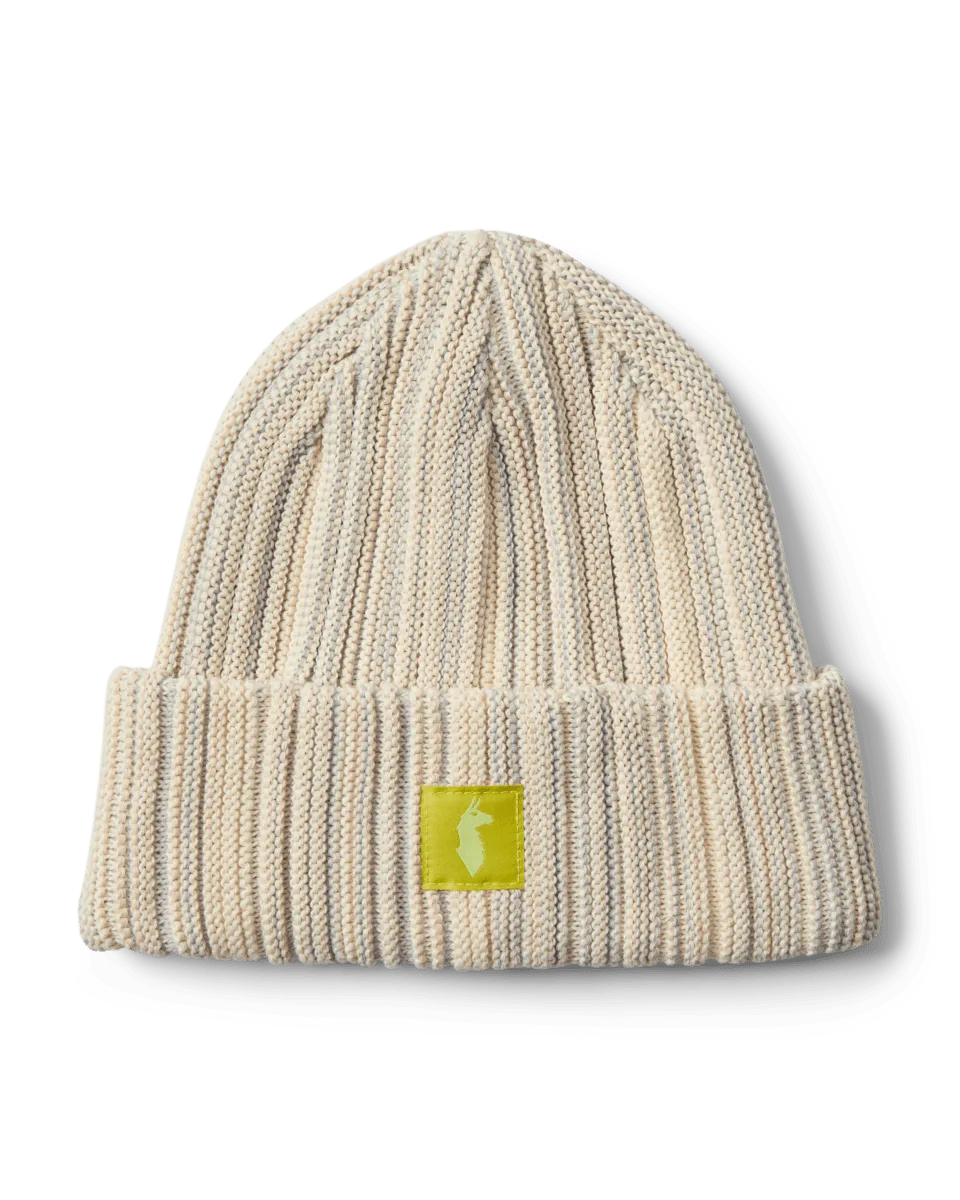
- Vertical Stripe Beanie: Made with 100% recycled yarn. A good alternative for lightweight warmth around the neck and head when you want a layer that does not shed down at all.
Most down scarf shedding is fixable once you know whether the cause is the shell, a seam, or your wash routine. Start with a gentle wash and low-heat dry, patch any open seams, and if quills still come through intact fabric, it is time to replace the scarf with a down layer built to hold its fill.