Quick Answer
Prevent kennel cough by keeping the bordetella vaccine current, choosing boarding facilities that require vaccination and clean regularly, and limiting nose-to-nose contact with unknown dogs. Kennel cough is common and usually mild, but it spreads fast in group settings, so prevention beats treatment every time.
If your dog comes home from boarding, daycare, or a training class with a dry, honking cough, kennel cough is the likely culprit. It's one of the most common respiratory infections dogs pick up in group environments, and it rarely means anyone did something wrong.
The good news is that kennel cough prevention is practical. A few deliberate choices about vaccination, boarding, and hygiene can meaningfully lower your dog's risk without turning your life upside down.
What Kennel Cough Actually Is
Kennel cough is an umbrella term for infectious tracheobronchitis, an inflammation of the windpipe and bronchi. It's usually caused by a combination of bacteria and viruses, with Bordetella bronchiseptica being the most well-known bacterial player. The classic sign is a persistent, dry cough that often sounds like something is stuck in your dog's throat.
It spreads through respiratory droplets and contaminated surfaces, which is why kennels, shelters, daycare, and dog parks are common sources. Most healthy adult dogs recover within one to three weeks, but puppies, seniors, and dogs with underlying conditions can develop more serious illness.
- Watch for a honking cough, gagging, or a retching sound after activity.
- Symptoms often appear 2 to 10 days after exposure.
- A vet visit is warranted if your dog is lethargic, off food, or struggling to breathe.
The Bordetella Vaccine: What It Does and Doesn't Do
The bordetella vaccine is the cornerstone of kennel cough prevention. It doesn't guarantee your dog won't get kennel cough, because multiple pathogens are involved, but it significantly reduces the severity and likelihood of the most common bacterial form. Many boarding facilities and daycares require it, and some require it within a specific window before check-in.
The vaccine comes in injectable, intranasal, and oral forms. Intranasal and oral versions tend to provide faster local immunity, which is why many vets recommend them before a boarding stay. Timing matters: if your dog has never had it, or it's been more than a year, plan ahead rather than scheduling it the day before drop-off.
- Ask your vet which form fits your dog's lifestyle and boarding timeline.
- Keep a copy of vaccination records handy for boarding check-in.
- Puppies may need a series rather than a single dose.
Boarding and Daycare: Questions Worth Asking
Not all boarding facilities are equal when it comes to dog boarding health. A good facility will require current vaccination records, separate dogs appropriately by size and temperament, and have a cleaning routine that goes beyond a quick mop. Ask how often common areas are disinfected and whether dogs share water bowls.
If your dog is older, immunocompromised, or prone to respiratory issues, consider a smaller in-home boarding setup or a sitter rather than a large group environment. Fewer dogs means fewer opportunities for transmission, and it's a reasonable tradeoff even if it costs more.
- Ask whether the facility requires the bordetella vaccine and how recently.
- Request a tour or ask about cleaning frequency for play areas.
- For high-risk dogs, a sitter or in-home option may be the safer choice.
Hygiene Habits That Reduce Risk
Hygiene at home and on the go matters more than most owners realize. Kennel cough pathogens can linger on shared surfaces, so avoiding communal water bowls at dog parks and wiping down your own bowls and toys regularly is a small but useful habit. If you foster or board dogs, isolate new arrivals for a few days before mixing them with resident dogs.
After a boarding stay or daycare day, a quick wipe-down of your dog's face and paws won't sterilize anything, but it can reduce the load of pathogens they bring inside. Keep your own dog's vaccinations current and avoid group settings during local outbreaks when you can.
- Bring your own water bowl to outings instead of using shared ones.
- Wash food and water bowls regularly with hot, soapy water.
- Isolate new or returning dogs for a few days if you have multiple pets.
When to Treat at Home vs. Call the Vet
A mild, dry cough in an otherwise bright, eating, drinking dog can often be monitored at home for a day or two. Keep your dog calm, avoid collar pressure on the throat, and use a harness instead of a neck collar during walks. Most uncomplicated cases resolve on their own.
Call your vet if the cough persists beyond a few days, your dog stops eating, develops a fever, has colored nasal discharge, or seems to be working harder to breathe. Puppies and senior dogs should be seen sooner rather than later. Antibiotics are only useful if a bacterial infection is confirmed or strongly suspected; viral cases don't respond to them.
- Use a harness instead of a collar to reduce throat irritation.
- Keep your dog away from other dogs while coughing to limit spread.
- Seek veterinary care promptly for lethargy, fever, or breathing difficulty.
Symptom, Cause, Action: A Quick Diagnosis Guide
- Dry, honking cough after boarding or daycare: This is the classic kennel cough presentation, usually appearing 2 to 10 days after exposure to a group setting. If your dog is eating, drinking, and acting normal otherwise, monitor at home for 24 to 48 hours and keep them away from other dogs.
- Cough with lethargy, fever, or no appetite: These signs suggest a more serious infection or a secondary bacterial issue that needs veterinary assessment. Call your vet rather than waiting it out. Puppies and seniors should be seen promptly.
- Cough that lingers beyond 10 to 14 days: Most uncomplicated cases resolve within one to three weeks, but a persistent cough can point to pneumonia or another underlying condition. Stop home monitoring and book a veterinary exam. Don't restart antibiotics without guidance.
- Dog has never had the bordetella vaccine and boarding is coming up: The vaccine takes time to build immunity, and many facilities require it within a specific window before check-in. Contact your vet at least two to three weeks before your trip to discuss timing and form.
Products That Support Prevention and Recovery
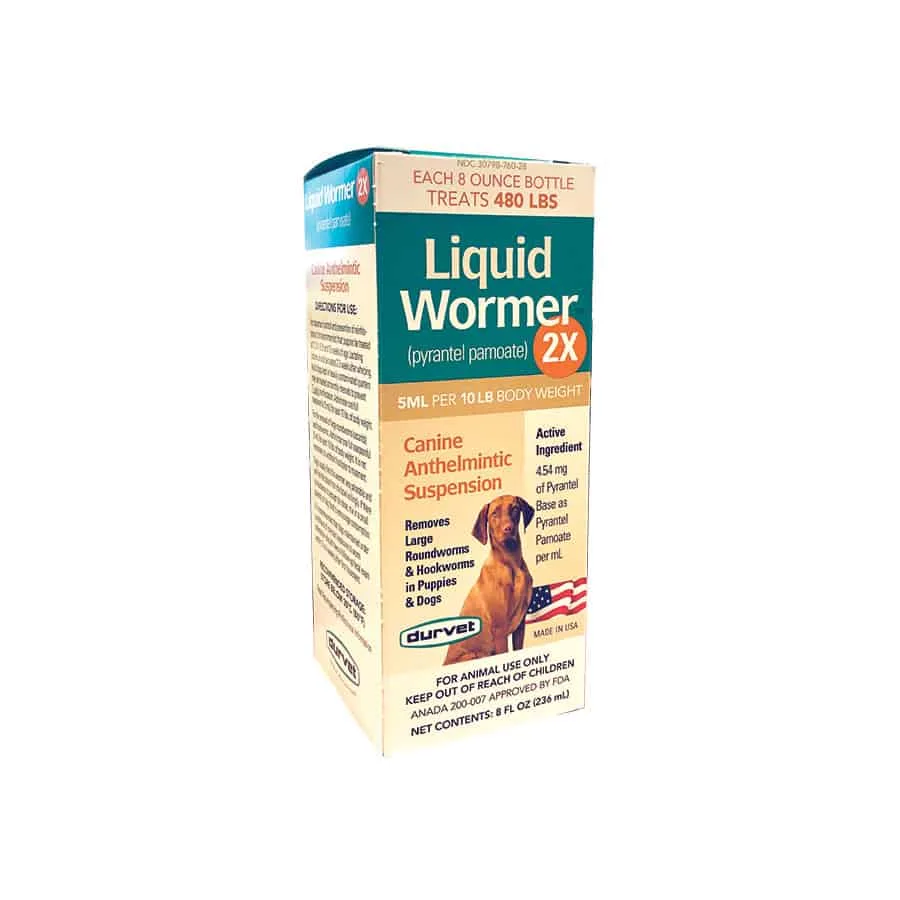
- Canine Liquid Wormer 2X Dog Deworming Liquid 8 oz: Canine Liquid Wormer 2X is used to prevent reinfestation of Toxocara canis in puppies and adult dogs and lactating bitches after whelping, and to remove large roundworms and hookworms in dogs and puppies. Kennel cough is respiratory, not parasitic, so this isn't a treatment for it. But dogs in group settings are also exposed to intestinal parasites, and staying current on deworming keeps overall health sturdier when respiratory bugs are going around.
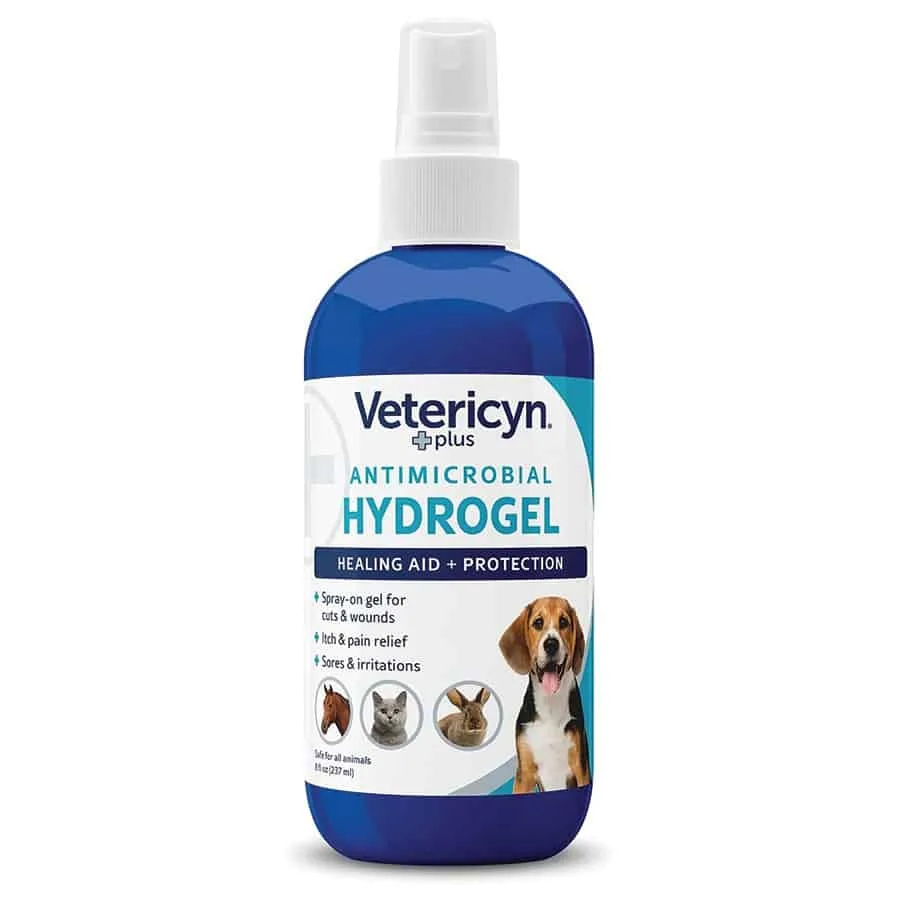
- Vetericyn Plus Antimicrobial Hydrogel Healing Aid 8 oz: This soothing antimicrobial hydrogel helps moisturize, cool, and protect wounds, abrasions, and skin irritations while promoting a clean healing environment. If your dog's coughing fits cause throat irritation or minor scrapes from scratching, a gentle hydrogel can help soothe irritated skin while you focus on the respiratory issue.
Kennel cough prevention isn't about avoiding every dog or every boarding stay. It's about stacking small, sensible habits: keep the bordetella vaccine current, ask boarding facilities the right questions, and pay attention when your dog's cough tells you something more is going on. If you're unsure whether your dog's symptoms warrant a vet visit, err on the side of calling.