Quick answer
Most soggy bottoms come from one of four causes: a wet filling that sits too long before baking, an oven that never gets hot enough, a fat layer that blocks steam, or a crust that goes into the oven raw. Fix the cause, not the symptom. If the crust is already soggy, a short re-bake at 375°F on a lower rack can rescue it, but only if the filling can take the heat.
A soggy pie crust is rarely a mystery. It is usually one specific thing going wrong: the filling released too much liquid, the oven was too cool, the fat was too thick, or the crust never got a chance to set before the filling soaked in. The good news is that each of those has a different fix.
This guide separates the symptom from the likely cause so you can stop guessing. Work through the diagnosis below, apply the corrective action that matches your situation, and know when to stop fiddling and choose a different approach.
Why a wet filling causes a soggy bottom
Fruit fillings release juice as they heat, and that juice has to go somewhere. If the crust has not set first, the juice soaks straight into the dough and stays there. This is the most common reason for a fruit pie soggy bottom, and it is why blind baking pie crust matters more for fruit pies than for custard pies.
The fix is to give the crust a head start. Blind bake the shell until the surface looks dry and just barely golden, then add the filling and finish baking. For very juicy fruit, toss the fruit with a tablespoon or two of cornstarch or tapioca starch and let it sit for 15 minutes before it goes in the shell.
- Blind bake fruit pie shells until the bottom looks dry, not pale and shiny.
- Toss juicy fruit with starch and let it sit before filling the shell.
- Do not let a filled raw shell sit on the counter while the oven preheats.
Why a cold oven and a cold pan cause sogginess
A crust that goes into a cool oven never gets the fast blast of heat it needs to set. The fat melts slowly, the dough stays soft, and the filling has time to soak in. The same thing happens when you bake on a cold sheet pan instead of a preheated one.
Preheat the oven fully, and preheat a sheet pan or pizza stone with it. Slide the pie onto the hot surface so the bottom crust gets direct heat immediately. If your oven runs cool, use an oven thermometer and trust the thermometer, not the dial.
- Preheat a sheet pan or stone with the oven and bake the pie on it.
- Use an oven thermometer; many home ovens run 25°F low.
- Bake on a lower rack so the bottom crust gets the most heat.
Why a thick fat layer blocks steam
Fat is what makes a crust flaky, but a solid layer of butter or shortening pressed flat against the bottom of the pan traps steam and keeps the dough from drying out. The result is a pale, wet bottom even when the edges look done.
Roll the dough evenly, and avoid pressing it into the pan with your fingers. If the recipe calls for a very buttery crust, chill the lined shell for 20 minutes, then dock it with a fork before blind baking. Docking lets steam escape instead of pooling.
- Roll dough to an even thickness; do not press it into the corners.
- Chill the lined shell for 20 minutes before it goes in the oven.
- Dock the bottom with a fork when the filling is wet.
When to stop fixing and change the plan
If you have blind baked, preheated, and docked, and the crust is still soggy, the problem is likely the recipe itself. Some fillings are simply too wet for a single-crust pie, and no amount of technique will save them. At that point, switch to a crumb crust, a galette, or a tart with a pre-baked shell.
Do not keep re-baking a pie with a custard or cream filling to chase a crisp bottom. You will overcook the filling before the crust dries out. Better to accept the softer bottom or serve that pie in a bowl.
- Switch to a crumb crust or galette if the filling is very wet.
- Never re-bake a custard or cream pie just to crisp the bottom.
- If the crust is only slightly soft, serve it warm and stop there.
Pie crust diagnosis: symptom to fix
- Symptom: bottom crust is pale and wet under a fruit filling: The fruit released juice before the crust set. Blind bake the shell until the surface is dry, and toss the fruit with cornstarch or tapioca before filling. If the crust was raw when the filling went in, this is almost always the cause.
- Symptom: crust is soggy all over, not just the bottom: The oven or pan was too cold. Preheat fully, bake on a preheated sheet pan, and check the oven with a thermometer. If the edges browned but the center did not, suspect oven temperature first.
- Symptom: bottom is wet but the edges are flaky and done: A thick fat layer or an undocked crust trapped steam. Roll evenly, chill the shell, and dock the bottom before blind baking. If you already blind baked and docked, the recipe may be too wet for a single crust.
- Symptom: crust is still soggy after blind baking and a hot oven: The filling is too wet for this crust style. Switch to a crumb crust, a galette, or a pre-baked tart shell instead of re-baking. Stop here. Further baking will ruin the filling before it fixes the crust.
What we use in our own bakery
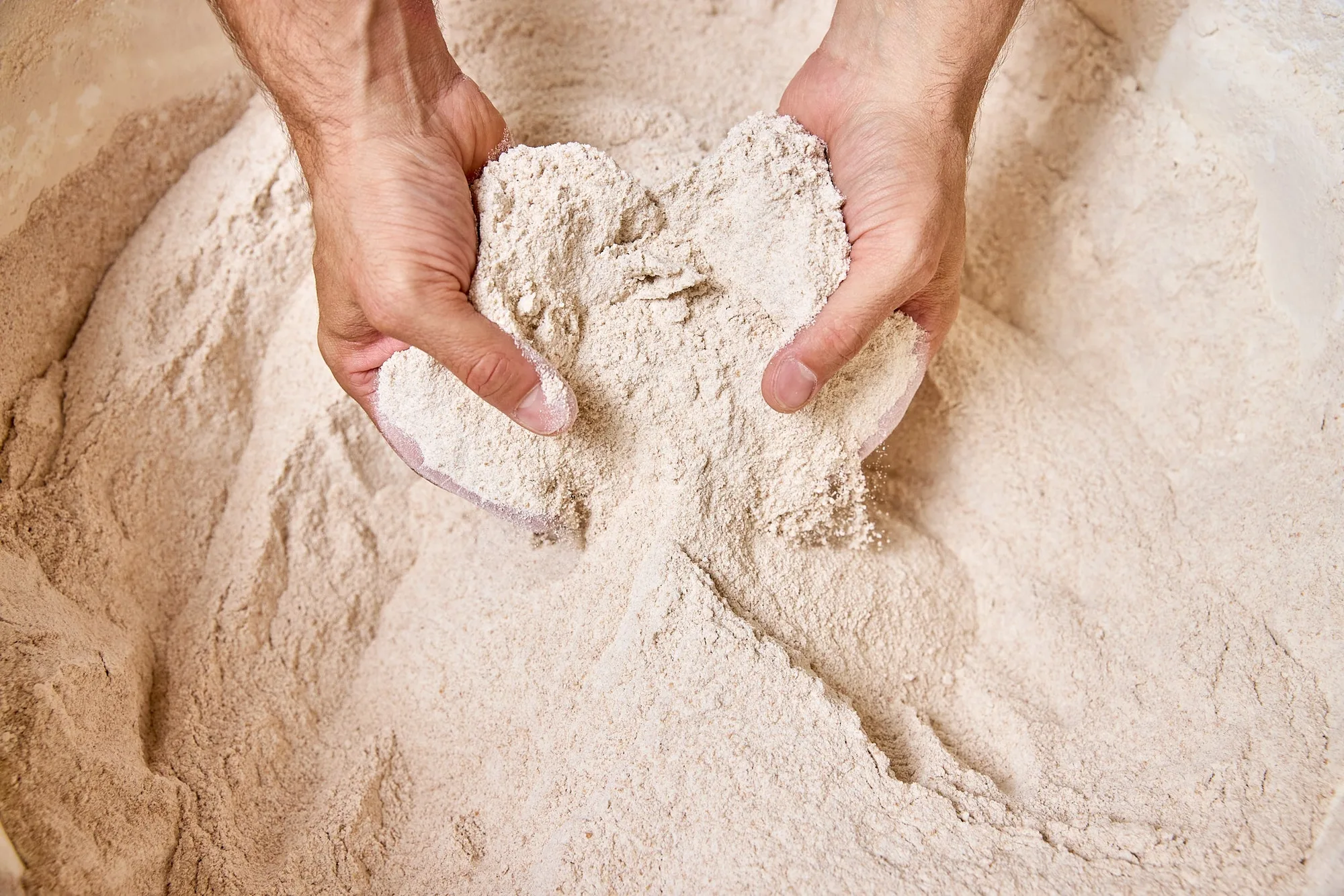
- Bulk Sifted Bread Flour Organic 25#: Organic hard red spring wheat flour, sifted for a finer texture, freshly milled in store on a New American Stone Mill, in a 25# bulk format. A finer sift makes a more even dough, which helps you roll a consistent crust and avoid thick spots that trap steam. The 25# size suits frequent bakers or anyone splitting it with a friend.
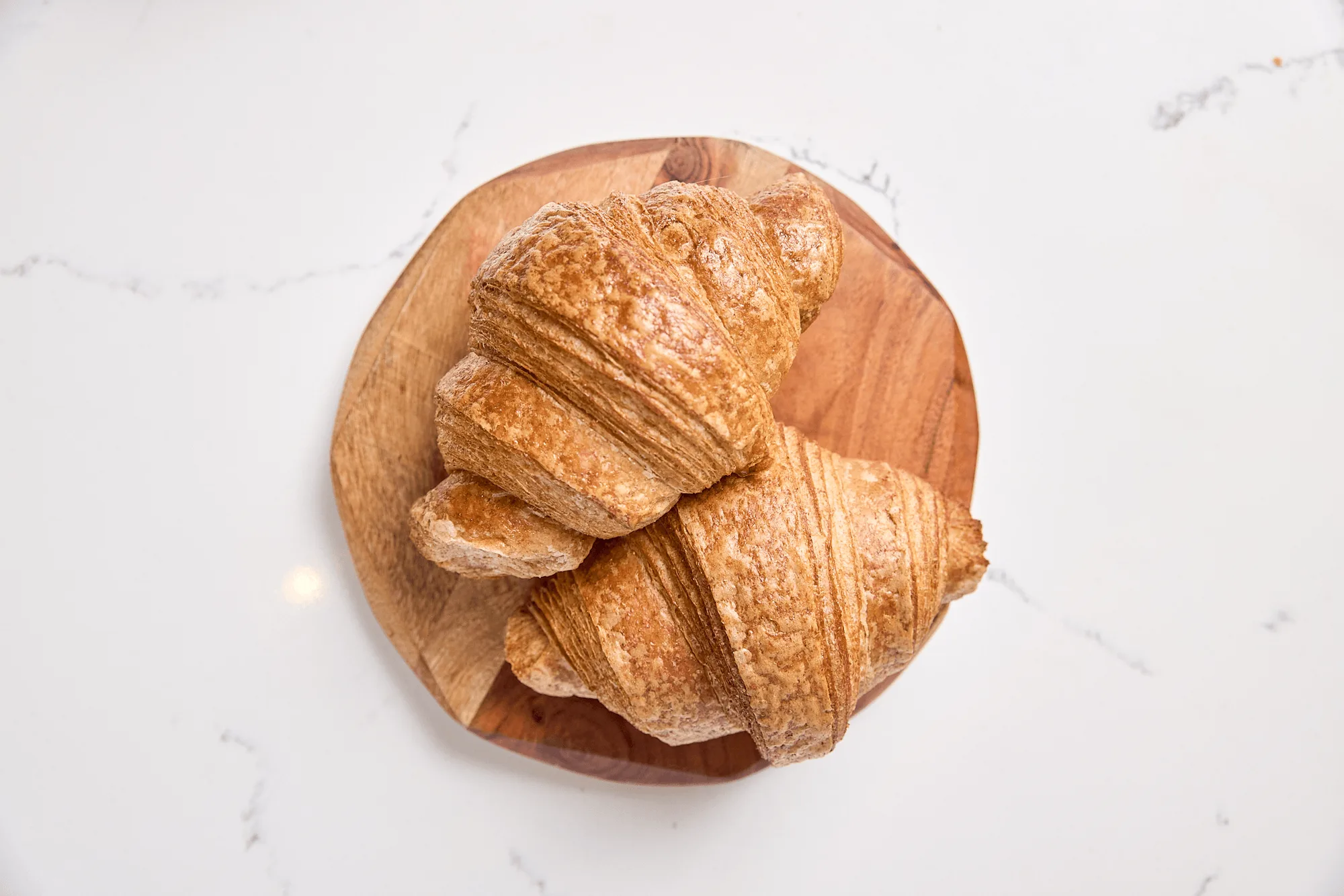
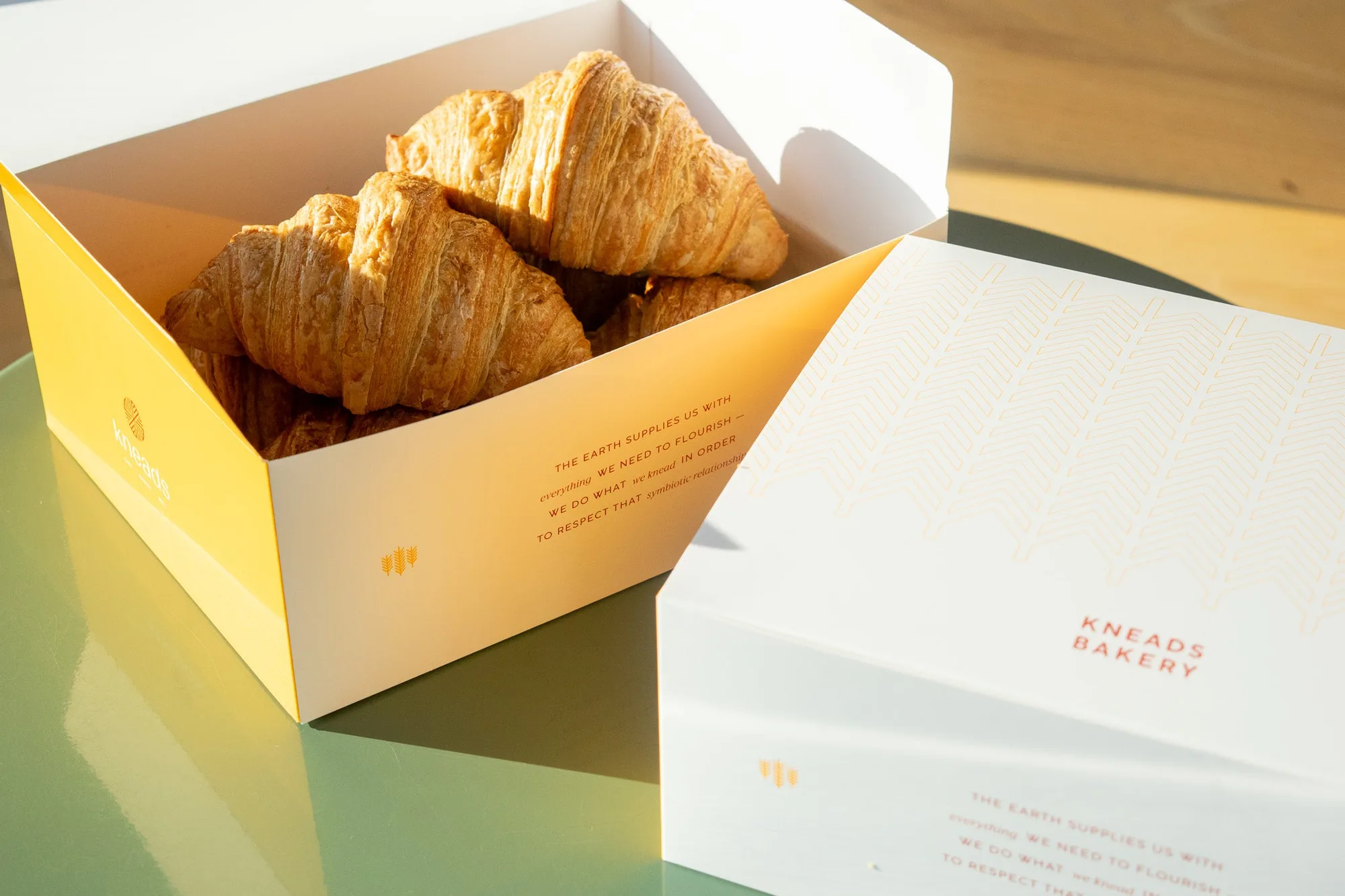
- croissant-box-d6f921f11a994a99e5a09018-1645698">Mini Croissant Box: One dozen mini croissants per box, freshly milled preparation, mini size, part of the Pastry Catering range. If you are testing pie techniques for a crowd, these let you serve something reliable alongside without adding another baking project to the same day.
A soggy pie crust is a solvable problem once you know which of the four causes you are dealing with. Blind bake when the filling is wet, preheat when the oven is suspect, roll and dock when the fat is thick, and change the plan when the recipe itself is the issue. Fix the cause, and the bottom takes care of itself.