Quick answer
An underwire pokes through when the wire escapes its casing, usually after repeated strain from a band that is too loose, a cup that is too small, or rough washing. If the wire has broken through the fabric, stop wearing it and replace it. If it is only bending or rubbing, check your band and cup size first, then hand wash and rotate your bras to prevent it happening again.
You reach under your shirt and feel a sharp point digging in. That is the classic sign of an underwire coming out, and it rarely happens without warning. Before you toss the bra, it helps to understand why the wire moved in the first place. Most cases trace back to fit, fabric wear, or laundry habits rather than a single faulty bra.
This guide separates the symptom from the likely cause so you can decide whether to fix the bra, adjust your size, or replace it. You will also see which construction details hold up best, using real styles from our range as examples.
Why underwires poke through in the first place
An underwire sits inside a fabric channel, called a casing, that runs under the cup. That casing is stitched closed at both ends. Over time, the wire can wear through the fabric at the centre or the underarm tip. The most common trigger is a band that is too loose: the bra shifts, the wire flexes repeatedly, and the casing rubs against itself until it fails.
A cup that is too small is the second big cause. When your breast tissue presses against the wire, the wire bows outward and puts constant tension on the casing seam. Washing machines make it worse because the agitator bends the wire back and forth. None of these are signs that you did something wrong; they are normal wear patterns that show up faster in a bra that is not quite the right size.
- Check the band first: it should feel snug on the loosest hook, not ride up your back.
- If the centre gore floats away from your chest, the cup is likely too small.
- Always use a mesh bag and a gentle cycle, or hand wash, to protect the wire casing.
How to fix a poking wire safely (and when not to)
If the wire has already cut through the fabric, you can sometimes push it back into the casing and stitch the opening closed with a needle and thread. Use a small, tight stitch and match the thread to the bra colour. This is a temporary repair: the fabric around the hole is already weakened, so the wire will usually work its way out again within a few wears.
Do not attempt this fix if the wire is bent, kinked, or broken. A bent wire will never sit flat against your ribcage, and it will keep poking no matter how well you sew the casing. The same applies if the tip has snapped off inside the channel. In those cases, the bra has reached the end of its useful life. Replace it rather than risk skin irritation or a wire that shifts mid-day.
- Push the wire back in, then stitch the casing closed with a tight overcast stitch.
- Never wear a bra with a broken or bent wire, even if it feels fine for an hour.
- If the wire has poked through more than once, the bra is done.
Prevention starts with the right size and shape
The best way to prevent underwire damage is to wear a bra that fits properly in the band and cup. A band that is too loose lets the wire move; a cup that is too small forces the wire to flex. If you are between sizes, go with the band size that feels firm on the loosest hook and adjust the cup until the wire sits flat against your ribcage without digging in.
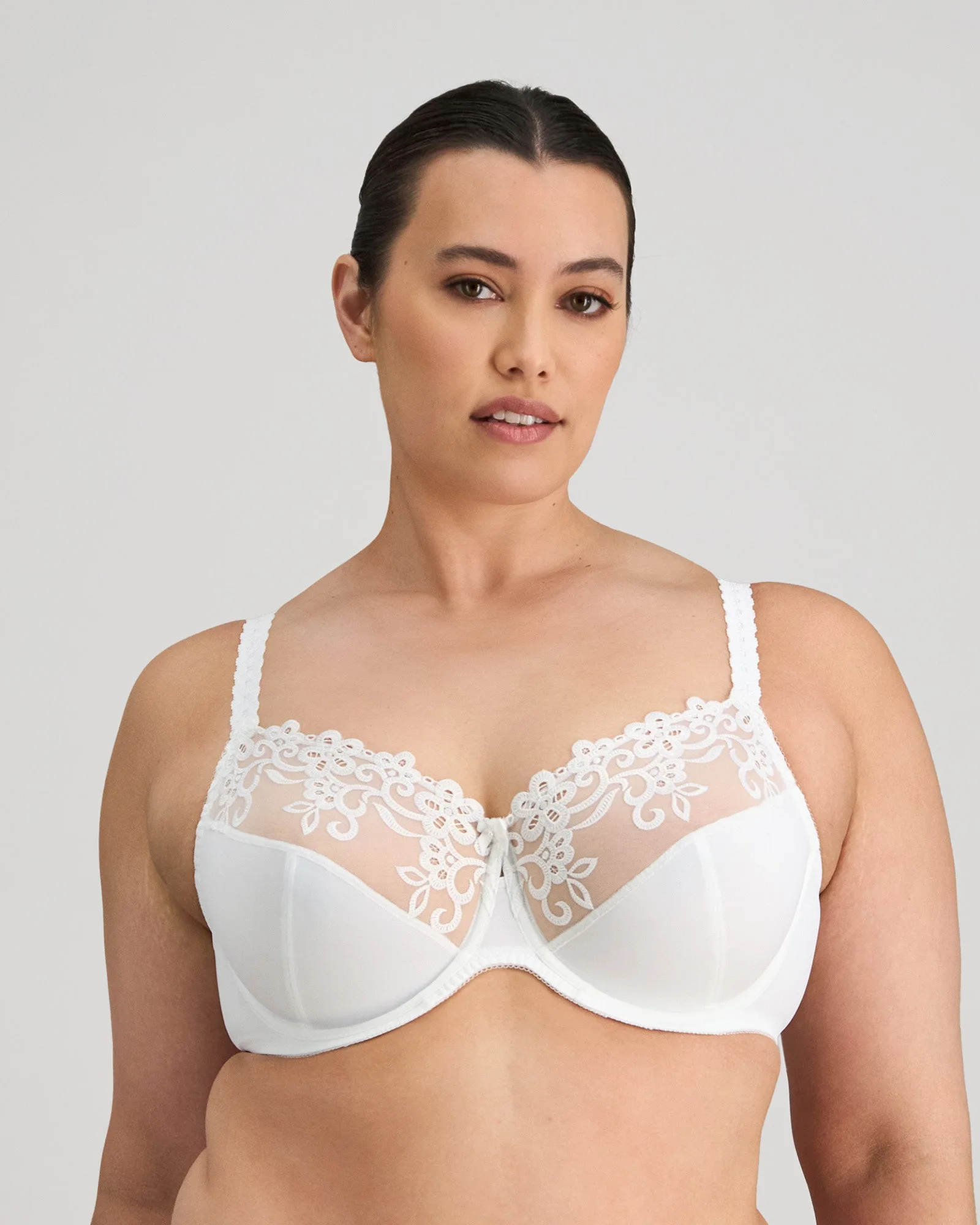
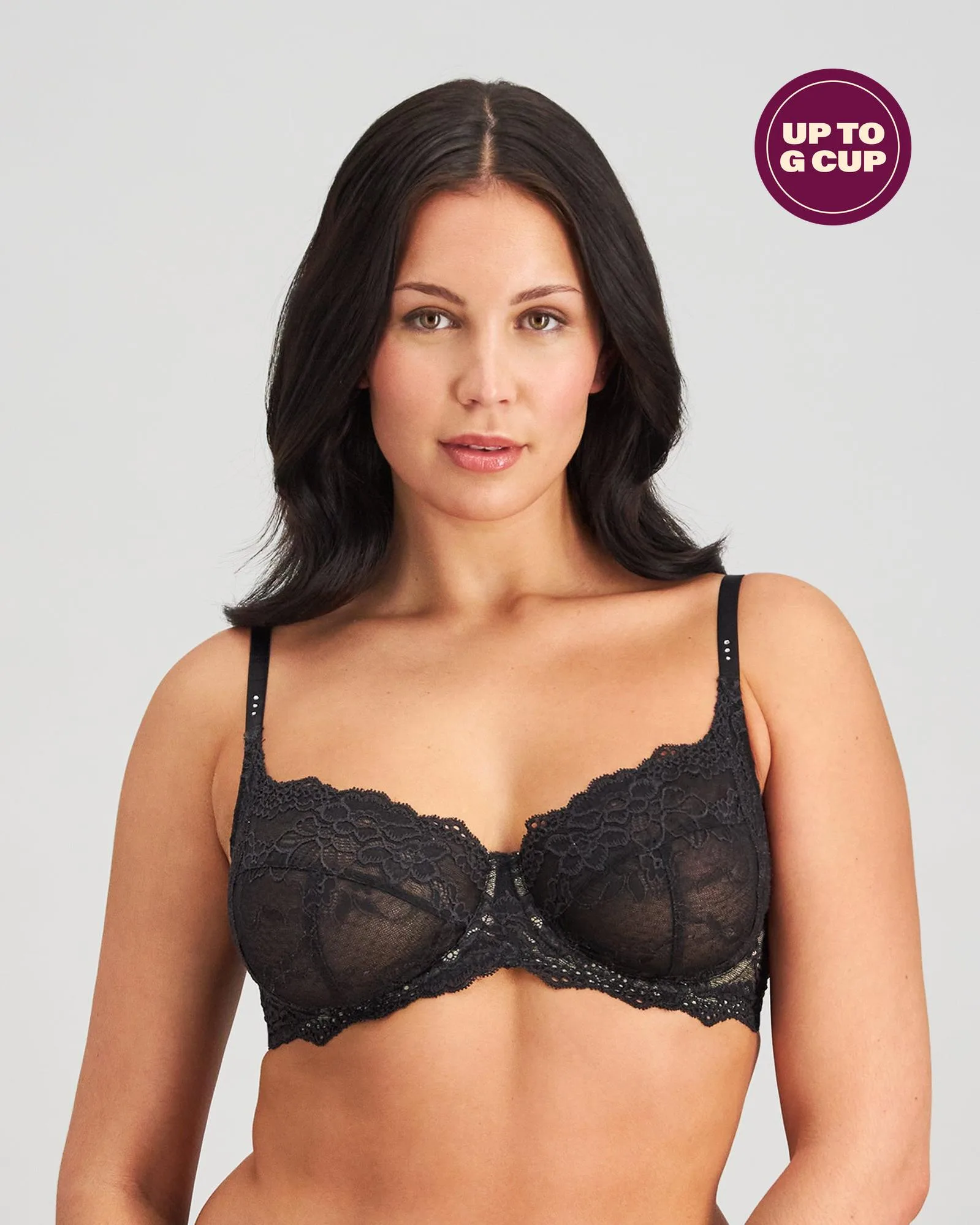
Construction matters too. Look for bras with a reinforced wire casing, often described as a double-layer or bound channel. Lightly lined cups with a four-piece construction, like the My Fit Lace Underwire Bra, distribute pressure more evenly than a simple two-piece cup. That reduces the repeated flexing that wears out the casing. If you are fuller-figured, a style with thick straps and solid elastane at the back, such as the Coral Underwire Bra, can help keep the band stable so the wire stays put.
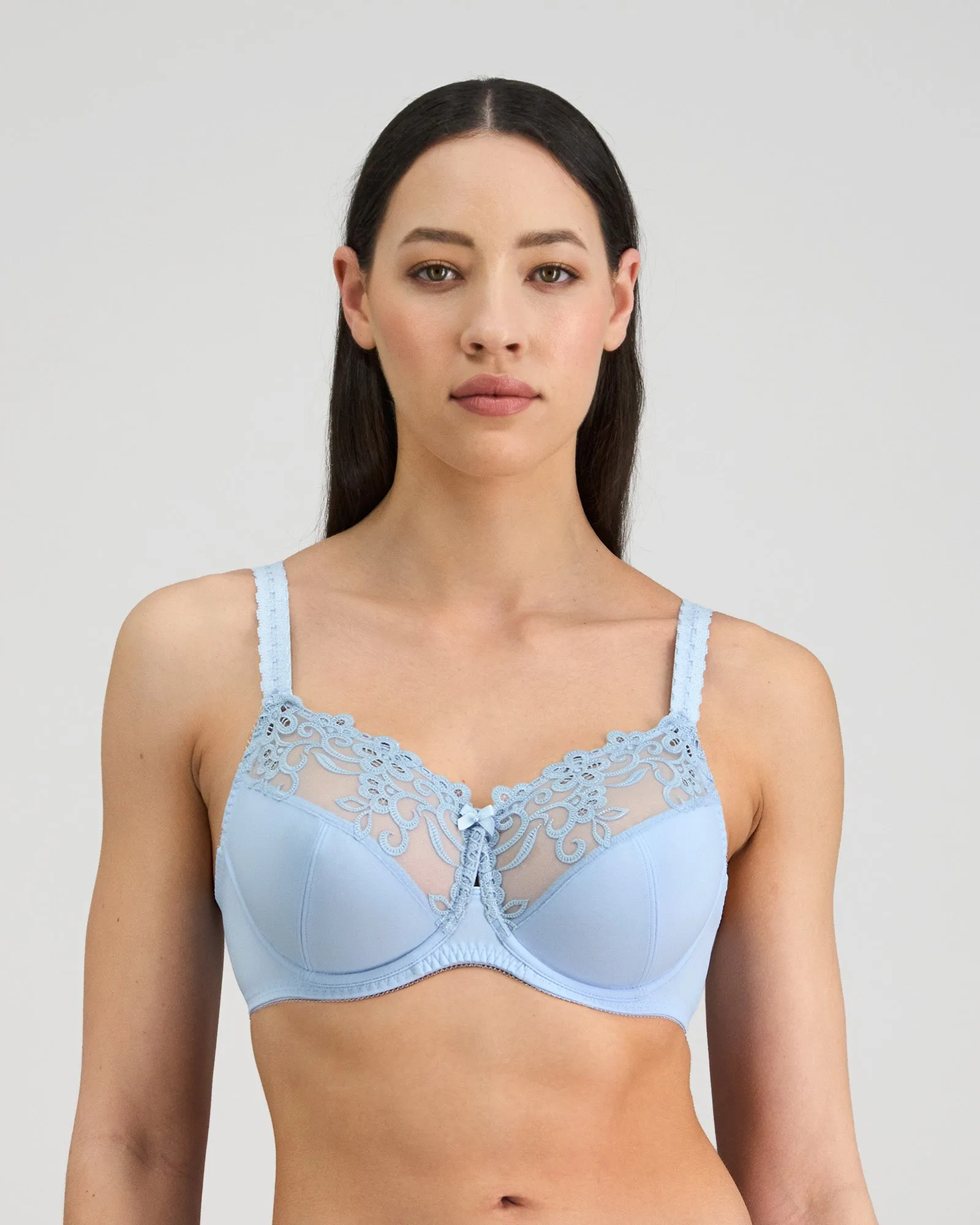
Coral Underwire Bra
- Check the wire casing for double stitching or a bound edge before you buy.
- Rotate your bras so no single style gets worn two days in a row.
- If you are between band sizes, size down in the band and up in the cup.
Care habits that make underwires last longer
Heat and agitation are the enemies of wire casings. Wash bras in cold water on a delicate cycle, or hand wash them, and never put them in the dryer. The heat breaks down the elastane in the band, which makes the bra looser over time, and that looseness is what lets the wire flex and rub. A mesh laundry bag keeps straps from tangling and protects the casing from the drum.
Give your bras a rest day between wears. Elastane needs about 24 hours to recover its shape. If you wear the same bra every day, the band stretches out faster, the wire starts to shift, and the casing wears through sooner. Two or three bras in rotation will each last longer than one bra worn constantly.
- Hand wash in cool water with a gentle detergent, then air dry flat.
- Never wring or twist the cups; press water out with a towel instead.
- Store bras flat or stacked, not hung by one strap, to keep the wire shape.
Diagnose your poking underwire
- Wire tip pokes through the fabric at the centre or underarm: The casing has worn through. This usually happens after months of flexing from a loose band or a too-small cup. If the wire is intact, you can stitch the casing closed as a short-term fix, but plan to replace the bra soon.
- Wire feels bent or kinked and digs in even when the bra is new: The wire has lost its shape, often from machine washing or from being folded in storage. It will not sit flat against your ribcage. Do not try to repair a bent wire. Replace the bra with a style that has a reinforced casing.
- Wire sits flat but rubs or leaves red marks: The band is likely too loose or the cup too small, so the wire is pressing instead of supporting. Re-measure your band and cup size. If the wire still rubs, try a different cup construction, such as a contour or lightly lined style.
- Wire has snapped or the tip has broken off inside the channel: This is structural failure. The bra cannot be repaired safely. Stop wearing it immediately and replace it. A broken wire can irritate skin or poke through during the day.
Styles built to keep the wire in place
- My Fit Lace Underwire Bra - Black: Specially engineered for B-G sizes with a lightly lined, four-piece cup for support and a naturally rounded shape. A four-piece cup spreads tension across more seams, so the wire is less likely to flex and break through the casing.
- Coral Underwire Bra - White: Thick straps and solid elastane at the back provide extra support for fuller figures. A stable band and straps keep the bra from shifting, which reduces the repeated rubbing that wears out the wire channel.
- Bendon Dream-Fit Contour Bra: Memory foam full coverage cups with foam-lined front straps for a light, comfortable fit. The moulded cup holds its shape and cushions the wire, so you feel less pressure even on long days.
An underwire poking through is a signal, not a sentence. Fix the fit and your laundry routine, and you will get far more wear from every bra. If the wire is already broken or bent, let it go and choose a style with a reinforced casing and a band that stays put.