Quick answer
Most collar chewing is a fit, comfort, or boredom problem, not a dog being stubborn. Start by checking the collar for tightness and trapped fur, give your dog a legal outlet for chewing, and switch to a durable dog collar with metal hardware if the behavior continues. If your dog is chewing through collars repeatedly, stop leaving the collar on unsupervised until you have ruled out skin irritation or anxiety.
You take the collar off and find it frayed, cracked, or missing a chunk. Dog collar destruction is frustrating, but it is also a message. Dogs rarely chew a collar for no reason, and the fix depends on which reason applies to your dog.
This guide separates the symptom from the likely cause, gives you corrective actions you can start today, and tells you when to stop using a particular collar or ask a professional for help. The goal is not just to save the collar, but to keep your dog comfortable and safe.
Symptom: what collar chewing actually looks like
Collar damage does not always look like a clean bite mark. Look for frayed webbing, flattened or chewed plastic buckles, missing stitching, stretched D-rings, and saliva-soaked patches near the buckle. Some dogs chew only when the collar is off and left within reach, while others chew while wearing it, usually at the front where the collar sits against the throat.
The location of the damage tells you a lot. Chewing at the buckle often points to discomfort or a poor fit. Chewing the dangling end suggests the loose strap is tempting to grab. Chewing that happens only when you are away points toward boredom or separation-related stress. Note when and where the damage happens before you change gear.
- Check the collar daily for cracks, fraying, and loose hardware after any chewing episode.
- Photograph the damage so you can see whether the pattern changes after you adjust fit or routine.
Likely cause 1: the collar does not fit or feel right
A collar that is too tight can rub the throat and trap fur, and a collar that is too loose can slide, flap, and invite grabbing. Either way, the collar becomes something to scratch at, nibble, or pull. A proper fit usually allows two fingers to slide under the collar without forcing it, but the exact fit depends on your dog's neck shape and coat.
Material matters too. Heavy metal hardware on a thin strap can bounce against the throat, and rough edges or exposed links can irritate skin. If your dog only chews one specific collar, the problem may be that collar rather than a chewing habit. Try a different width, a smoother strap, or a different closure before assuming your dog is destructive.
- Re-measure your dog's neck and check the collar fit at the narrowest point, not the base of the neck.
- Run your fingers along the inside of the collar to feel for rough edges, exposed metal, or trapped fur.
Likely cause 2: your dog needs more legal chewing
Chewing is normal dog behavior, and dogs who do not get enough appropriate chewing often redirect to whatever is available, including collars, leashes, and furniture. This is especially common in puppies, adolescent dogs, and high-energy breeds. The fix is not to punish the chewing but to give it a better target and reward your dog for choosing it.
Offer a variety of textures so your dog can pick what satisfies the urge. Rotate chew toys to keep them interesting, and supervise new toys until you know how your dog uses them. If your dog destroys every toy quickly, look for tougher options and replace worn toys before they break into unsafe pieces.
- Rotate two or three chew toys at a time instead of leaving everything out at once.
- Praise and reward your dog whenever they pick a toy instead of the collar.
Likely cause 3: boredom, stress, or attention-seeking
If chewing happens mainly when you are gone, during crate time, or right after a schedule change, the collar may be a stand-in for something else. Boredom and stress chewing often comes with other signs such as pacing, whining, destructive chewing on multiple objects, or drooling. In those cases, changing the collar alone will not solve the problem.
Add structured exercise, food puzzles, and short training sessions to give your dog something to do. Keep departures and arrivals low-key, and consider a camera to see whether the chewing happens at the moment you leave or later. If the behavior is intense, self-injurious, or continues despite exercise and enrichment, talk to your veterinarian or a certified behavior professional.
- Track when chewing happens for a week to see whether it lines up with alone time or schedule changes.
- Give your dog a food-stuffed toy or puzzle before you leave to redirect energy.
Corrective action: fit, gear, and routine changes that work
Start with fit. Adjust the collar so it sits high on the neck, snug enough that it does not slide over the head, but not so tight that it presses into the throat. Remove the collar during unsupervised time if your dog chews it, and use a separate walking collar or harness for outings so you are not relying on damaged gear.
Next, upgrade the parts your dog damages most. If the strap is fine but the links or buckle fail, replacement links and stainless hardware can extend the life of a collar you already own. If your dog chews through every strap, look for a durable dog collar with metal hardware and a design that does not dangle. Keep chew toys more interesting than the collar by rotating them and using them during downtime.
- Remove the collar before crating or leaving your dog alone if chewing is ongoing.
- Replace any collar with cracked hardware, frayed stitching, or a chewed buckle immediately.
When to stop and choose another option
Stop using a collar if your dog has chewed through it, if the hardware is bent or cracked, or if you see skin irritation, hair loss, or raw spots under the collar. A damaged collar can fail during a walk, and a chewed buckle can release under pressure. Do not rely on a collar that has already been compromised.
If your dog continues to chew collars after you have corrected fit, added enrichment, and tried tougher materials, the issue is likely behavioral or medical rather than a gear problem. At that point, switch to a harness for walks, keep the collar off during alone time, and consult your veterinarian or a certified trainer. A chew proof dog collar does not exist in a literal sense, so choose the most durable option you can supervise rather than expecting any collar to be indestructible.
- Use a harness for walks if your dog targets the collar during exercise.
- Ask your vet about skin issues or anxiety if chewing persists despite training and enrichment.
Diagnosis: match the damage to the fix
- Chewing at the buckle or front of the collar: This usually points to fit or comfort problems such as tightness, trapped fur, or rough hardware against the throat. Re-fit the collar, check the inside surface for irritation, and try a smoother strap or different closure.
- Chewing the dangling end or loose strap: A loose end invites grabbing, especially on walks or when the collar slides low on the neck. Tighten the fit or use a collar with a trimmed end, and consider replacement links to remove excess length.
- Chewing only when alone or crated: This pattern suggests boredom, stress, or separation-related behavior rather than a gear problem. Remove the collar during alone time, add enrichment, and seek professional help if the behavior continues.
- Chewing through every collar you try: Repeated destruction across materials and fits means the cause is likely behavioral or medical, not the collar itself. Switch to a harness for walks, keep collars off unsupervised, and consult your veterinarian or a certified trainer.
Gear facts that matter for collar chewers
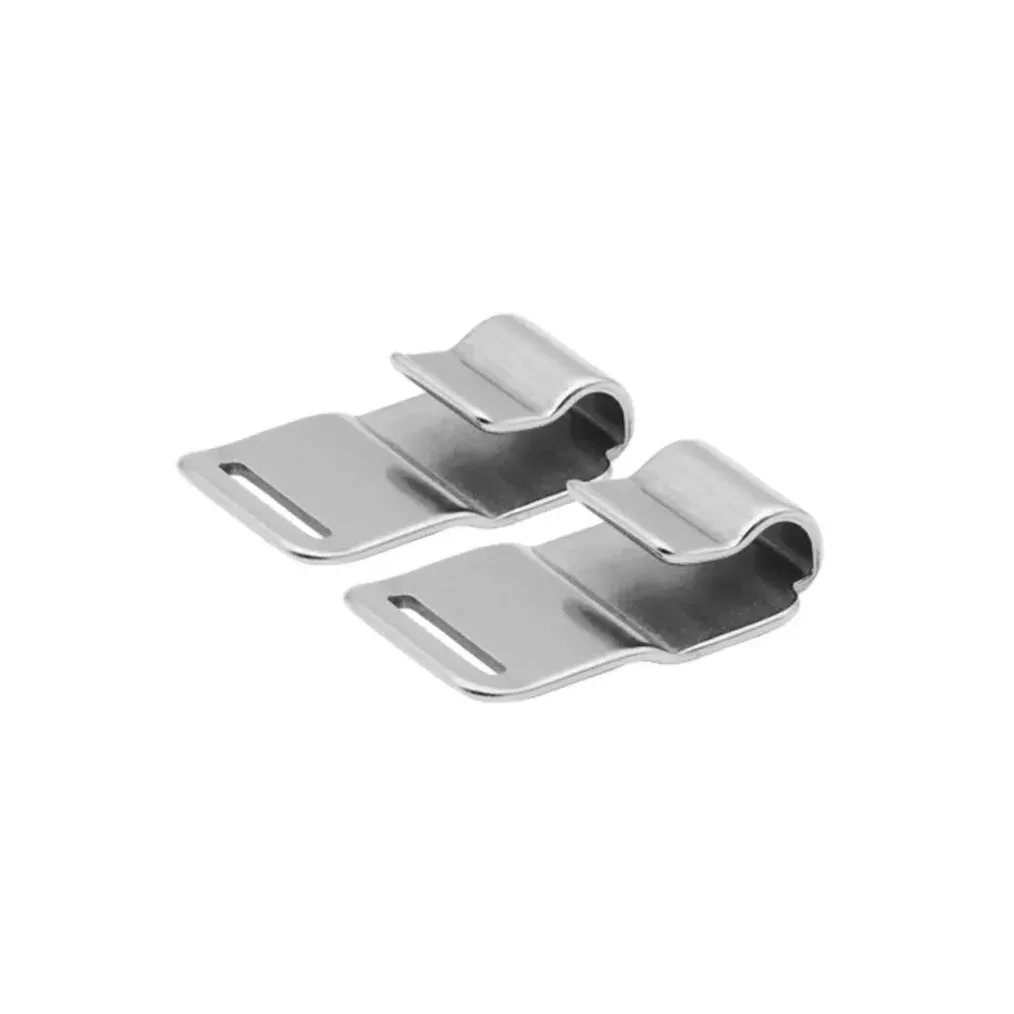
- Herm Sprenger NeckTech Fun Extra Stainless Steel Links (2): Extra links are made of stainless steel to prevent rust or corrosion, add 1.25 inches (3 cm) to the total length of the collar, and come two per set. If your dog damages only the metal portion of a NeckTech collar, stainless replacement links let you restore the fit instead of replacing the whole collar.
- Herm Sprenger NeckTech Sport Extra Stainless Links (2): Each extra link for stainless steel Neck-Tech collars adds 1.25 inches (3 cm) to the total collar length and is sold in packs of two. Sport owners can fine-tune collar length with the same stainless material, which helps if a loose or dangling collar is what your dog keeps grabbing.
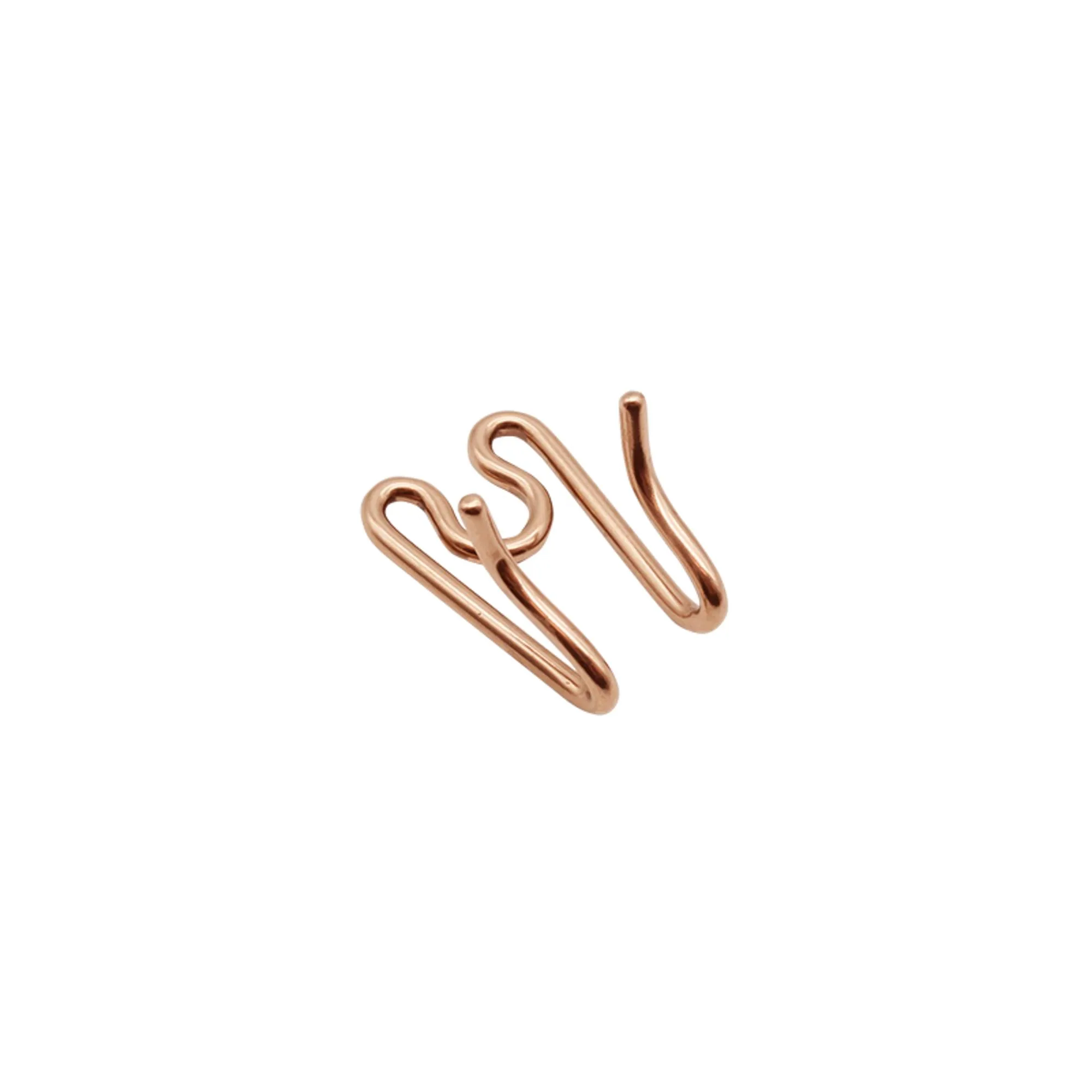
- 2.25mm Curgoan Herm Sprenger Ultra-Plus Prong Training Dog Collar Replacement Links: These links add length to Herm Sprenger Ultra-Plus Prong Training Dog Collars, and the blunt design attaches easily to existing links for a perfect fit. If your dog chews at a prong collar's fit rather than the strap, correct sizing with replacement links can reduce the loose, grabby section.
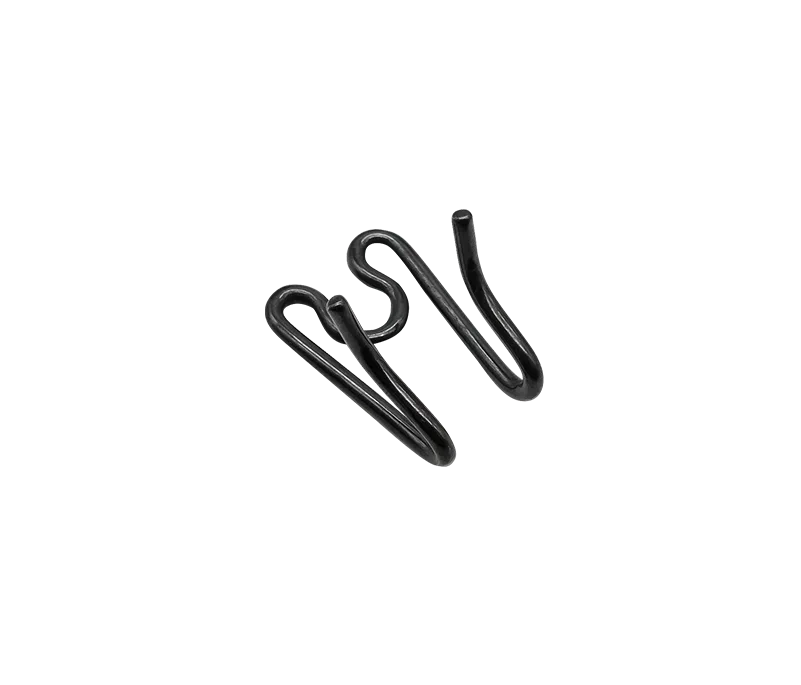
- 4.0mm Black Stainless Herm Sprenger Ultra-Plus Prong Training Dog Collar Replacement Links: These links add length to Herm Sprenger Ultra-Plus Prong Training Dog Collars, with a blunt design that attaches easily to existing links. The 4.0mm size gives owners of heavier Ultra-Plus collars a matching replacement option so the collar stays consistent and secure.
Collar chewing is solvable once you treat it as information rather than misbehavior. Check the fit, give your dog better things to chew, and replace damaged gear with durable parts when the collar itself is the weak point. If your dog keeps chewing through collars after those steps, stop relying on the collar and get professional input.