Quick Answer
To properly attach a carabiner leash to your dog's collar, first ensure the collar is snug but comfortable, then clip the carabiner through the collar's D-ring, and finally give a gentle tug to confirm it's secure. Avoid clipping to the collar's buckle or hardware that isn't a D-ring, and never attach the leash to a harness's back clip if your dog pulls.
Attaching a carabiner leash might seem straightforward, but doing it wrong can lead to escapes, injuries, or damaged gear. Whether you're using an ultralight leash for trail runs or a standard rope leash for daily walks, the method matters more than you might think.
In this guide, we'll walk you through the correct way to connect your carabiner leash to your dog's collar, highlight common mistakes to avoid, and share a few safety checkpoints to keep every walk secure.
Why Proper Attachment Matters
A carabiner leash uses a spring-loaded clip to connect to your dog's collar. When attached correctly, it provides a secure connection that won't accidentally open. But if you clip it to the wrong spot or don't ensure the gate is fully closed, your dog could slip free at the worst moment.
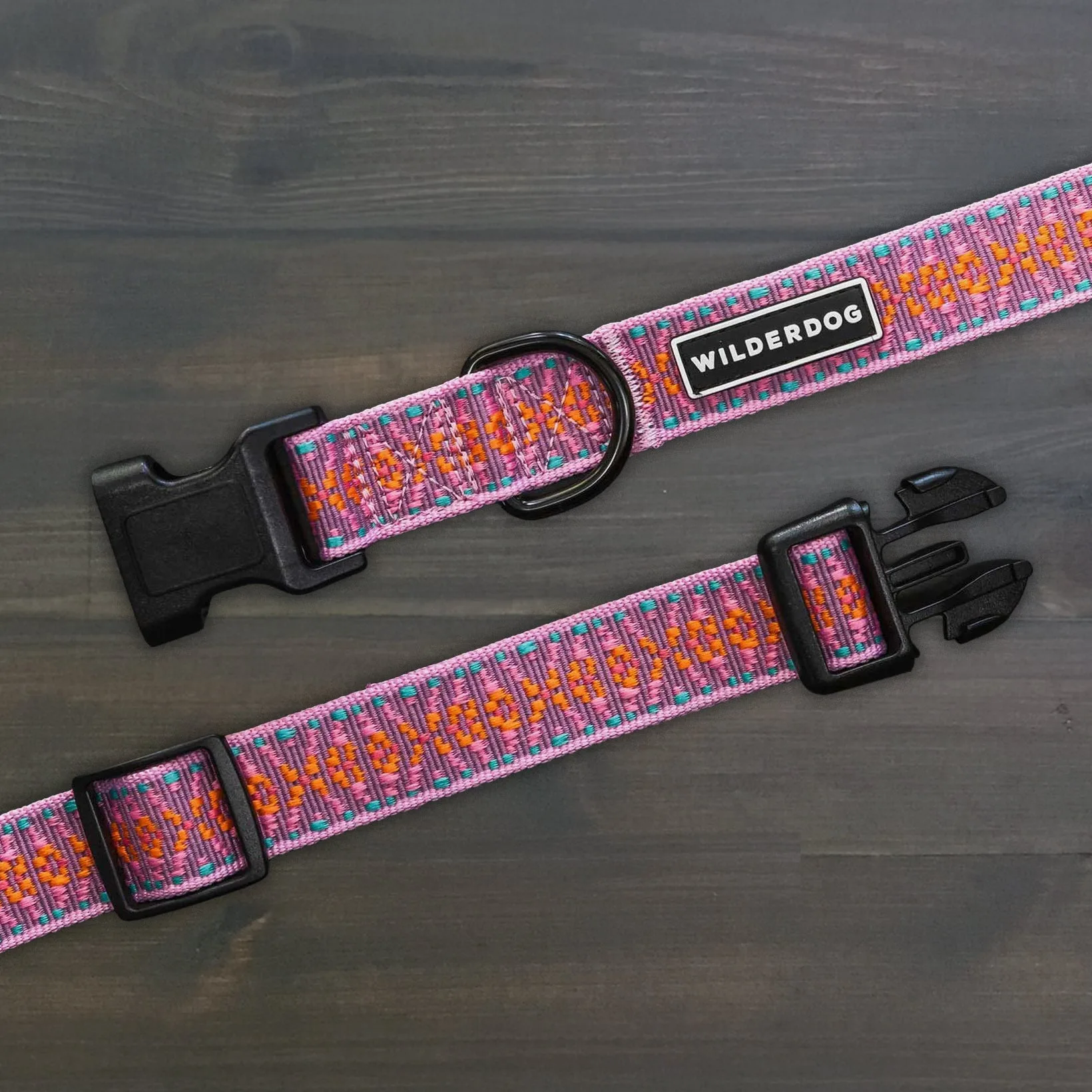
The most common attachment point is the D-ring on your dog's collar. This metal loop is designed to handle the force of pulling and tugging. Clipping to other parts of the collar, like the buckle or a plastic quick-release, can damage the hardware or cause the leash to detach unexpectedly.
Also, consider the carabiner's orientation. Many carabiners have a locking mechanism or a swivel that reduces twisting. Aligning the carabiner so it moves naturally with your dog reduces strain on both the collar and the leash.
- Always inspect the carabiner gate for debris or wear before clipping.
- If your dog pulls, use a carabiner with a swivel to prevent leash twisting.
Step-by-Step: Attaching a Carabiner Leash
Follow these steps every time you leash up. With practice, it becomes second nature, but it's worth being deliberate to avoid mistakes.
Start by holding the leash in one hand and your dog's collar in the other. Locate the D-ring—usually on the back of the collar, near the neck. Make sure the collar is snug but not too tight; you should be able to fit two fingers between the collar and your dog's neck.
Next, press the carabiner's gate open and slide it through the D-ring. Release the gate and listen for a click. Give the leash a gentle tug to confirm the carabiner is fully closed and secure. If the gate doesn't click, reposition and try again.
Finally, check that the carabiner isn't twisted or caught on any fabric. The leash should hang freely from the collar, allowing your dog to move without restriction.
- Pro tip: Use a carabiner with a swivel to prevent leash twisting.
- Double-check the gate is fully closed—a half-open gate can release under pressure.
Common Mistakes to Avoid
One of the most common mistakes is clipping the carabiner to the collar's buckle instead of the D-ring. The buckle is not designed for leash attachment and can break or open under tension. Always use the D-ring.
Another mistake is attaching the leash to a harness's back clip if your dog pulls. While many harnesses have a back clip, it's not always the safest for strong pullers. For pulling dogs, a front clip harness is often better, but that's a separate topic.
Also, avoid clipping the carabiner to any plastic parts or decorative loops. These can snap under pressure. Stick to the metal D-ring.
Finally, don't forget to check the carabiner's gate for wear. Over time, the spring can weaken, and the gate may not close securely. Replace your leash if you notice any damage.
- If your dog pulls, consider a harness with a front clip instead of attaching to the collar.
- Inspect your carabiner regularly for signs of wear or weakening.
Safety Checkpoints Before Every Walk
Before heading out, do a quick safety check. First, ensure the collar is snug but not too tight. You should be able to fit two fingers between the collar and your dog's neck. A loose collar can slip off over your dog's head, while a too-tight collar can be uncomfortable.
Second, check the carabiner gate. It should open and close smoothly and click shut securely. If it feels sticky or doesn't close fully, replace the leash or carabiner.
Third, verify that the leash is attached to the D-ring, not any other part of the collar. Give a gentle tug to confirm it's secure.
Finally, make sure the leash is free of tangles and that your dog's collar isn't twisted. A twisted collar can cause chafing and make the leash attachment less secure.
- Make it a habit: check collar fit, carabiner gate, and attachment point every time.
- If you use a harness, ensure the leash is attached to the correct clip for your dog's pulling style.
Step-by-Step: Attach Your Carabiner Leash in 3 Steps
- Step 1: Check the collar fit: Ensure the collar is snug but not tight—you should be able to fit two fingers between the collar and your dog's neck. This prevents slipping and discomfort. A properly fitted collar is the foundation of a secure leash attachment.
- Step 2: Clip to the D-ring: Open the carabiner gate and slide it through the metal D-ring on your dog's collar. Avoid clipping to plastic buckles or decorative loops. The D-ring is the only safe attachment point on a collar.
- Step 3: Confirm the gate is closed: Listen for a click and give a gentle tug to verify the carabiner is fully closed. If the gate doesn't click, reposition and try again. A fully closed gate prevents accidental detachment during walks.
Gear That Makes Attachment Easier
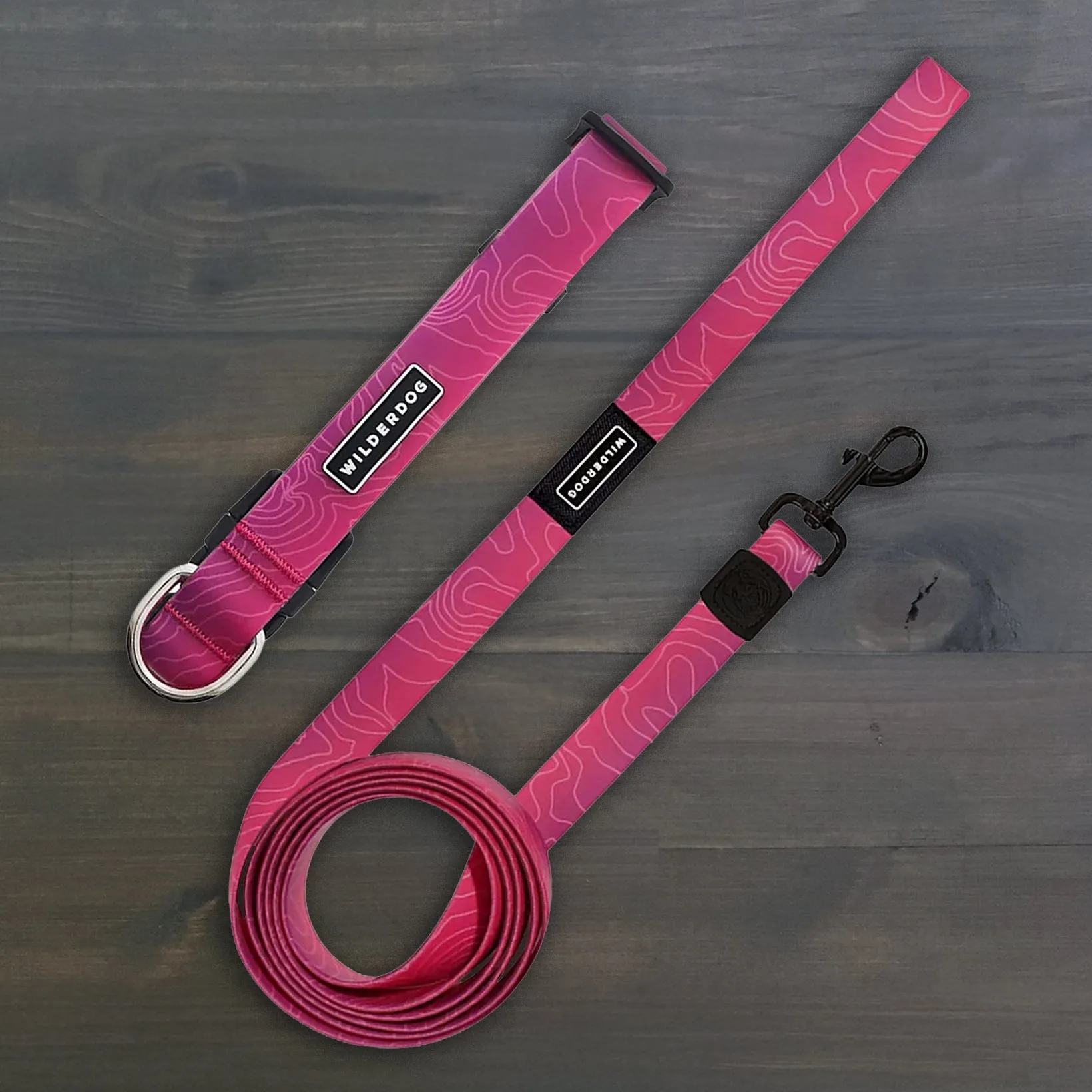
- Sumac Ultralight Leash: Aluminum carabiner swivels and locks, rated for 3 kN, with a padded handle. The swivel prevents the leash from twisting while you walk, and the locking carabiner ensures it stays attached to your dog's collar even during active play.
- Lilac Ultralight Collar: Made from tightly woven, lightweight polyester webbing with a heavy-duty plastic buckle and iron D-ring. The iron D-ring provides a sturdy attachment point for your carabiner leash, and the lightweight webbing keeps your dog comfortable on long walks.
Attaching a carabiner leash to your dog's collar is a simple skill that makes a big difference in safety and comfort. By always clipping to the D-ring, checking the gate, and ensuring a proper collar fit, you set up every walk for success. With a reliable leash and collar, you can focus on enjoying the time with your dog.