A plate carrier is one of the most critical pieces of tactical gear you'll own. Whether you're a professional operator, a competitive shooter, or a weekend warrior, the way your carrier fits can make the difference between peak performance and a day of misery. A poorly fitted plate carrier can restrict your movement, cause chafing, and even compromise your safety by allowing plates to shift. In this guide, we'll walk you through the steps to properly fit a plate carrier for maximum comfort, using FERRO CONCEPTS as our reference point.
We'll cover everything from choosing the right size to fine-tuning the shoulder straps and cummerbund. We'll also highlight common mistakes to avoid and how to adjust your carrier for different missions. By the end, you'll know exactly how to make your gear work with you, not against you.
Why Proper Plate Carrier Fit Matters
A plate carrier that fits correctly distributes the weight of your plates evenly across your torso, reducing strain on your shoulders and back. It also ensures that your plates stay in the optimal position to protect your vital organs. If your carrier is too loose, plates can shift and leave gaps in coverage. If it's too tight, you'll restrict your breathing and movement, which can be dangerous in high-stress situations.
Comfort is not just about luxury; it's about sustainability. You may need to wear your carrier for hours on end, and any discomfort can become a distraction. A well-fitted carrier allows you to focus on the mission, not on adjusting your gear. For FERRO CONCEPTS, the Slickster and FCPC are designed with adjustability in mind, but you still need to know how to use those adjustments to your advantage.
- Proper fit ensures ballistic plates stay in place for maximum protection.
- Even weight distribution prevents fatigue and long-term back issues.
- A comfortable carrier allows for full range of motion and quick reactions.
Step-by-Step Guide to Fitting Your Plate Carrier
Start with the right size. Most plate carriers, including those from FERRO CONCEPTS, are sized based on the plates you intend to use. Measure your chest and torso length to determine the correct plate size. For example, a 10x12 plate is common for most users, but you should always check the manufacturer's sizing chart. If you're between sizes, it's usually better to go with the larger carrier and adjust it down.
Once you have the carrier on, adjust the shoulder straps so that the plates sit at the correct height. The top of the front plate should be about two finger widths below your collarbone. Tighten the straps just enough to keep the carrier snug but not restrictive. You should be able to take a deep breath without feeling constricted.
Next, adjust the cummerbund. This is the part that wraps around your torso and secures the carrier. The cummerbund should be snug enough to keep the carrier stable but not so tight that it digs into your sides. For FERRO CONCEPTS carriers, you can adjust the cummerbund tension and even swap out different types, such as the elastic or structural cummerbunds, depending on your loadout.
- Always adjust shoulder straps before the cummerbund to set the plate height first.
- Use a mirror or have a buddy check the plate position from the side.
- If your carrier has quick-release buckles, ensure they are properly routed and accessible.
Adjusting Shoulder Straps and Cummerbund for Comfort
Shoulder straps are often the first place where discomfort occurs. They can dig into your shoulders, especially under heavy loads. To avoid this, ensure the straps are not twisted and that they sit flat against your shoulders. Some carriers, like the FERRO CONCEPTS Slickster, have minimalist shoulder straps that are designed to be lightweight but still distribute weight effectively. You can also add aftermarket pads if needed.
The cummerbund should be positioned so that it sits just below your ribcage and above your hips. This allows for natural movement and prevents the carrier from riding up. If your cummerbund is too loose, the carrier will shift when you bend or reach. If it's too tight, it can restrict your breathing and cause discomfort. A good rule of thumb is to tighten it until you can just slide two fingers between the cummerbund and your body.
- Consider using a cummerbund with elastic sections for better flexibility and breathability.
- If your carrier has a quick-release system, practice using it to ensure you can easily get out of the carrier in an emergency.
Positioning Your Plates Correctly
Proper plate placement is crucial for both protection and comfort. The front plate should cover your sternum and upper abdomen, while the back plate should cover your spine and lower thoracic region. The plates should sit high enough to protect your vital organs but low enough to allow you to move your arms freely.
To check if your plates are positioned correctly, perform a few range-of-motion tests. Raise your arms overhead, bend at the waist, and twist your torso. If the plates shift significantly, you need to tighten the carrier or adjust the plate placement. In some carriers, you can move the plate bags up or down using the internal Velcro or adjustable straps.
- Use a marker or tape to mark the correct plate position on your carrier for future reference.
- If you're wearing a chest rig over your carrier, ensure it doesn't interfere with your plates.
Common Fitting Mistakes to Avoid
One of the most common mistakes is wearing the carrier too low. This often happens when the shoulder straps are too loose, causing the plates to sit too low and leaving your upper chest unprotected. Another mistake is over-tightening the cummerbund, which can restrict breathing and cause discomfort, especially during prolonged wear.
Additionally, many users forget to adjust the carrier for different seasons or clothing layers. In winter, you may need to loosen the carrier to accommodate a heavy jacket, while in summer, you'll want it snugger to prevent shifting. Always re-fit your carrier when your clothing changes.
- Avoid wearing the carrier over bulky clothing without adjusting the straps accordingly.
- Don't ignore hot spots or pressure points – address them immediately with padding or adjustments.
How Ferro Concepts Gear Can Help You Achieve the Perfect Fit
FERRO CONCEPTS is known for its modular and adjustable designs. The Slickster and FCPC are both excellent platforms that can be tailored to your body. For example, you can add the Soft Armor Plate Backer - Level IIIA - Shooter Cut to increase comfort and protection. This backer not only adds a layer of soft armor but also helps to cushion the hard plates, making the carrier more comfortable to wear for extended periods.
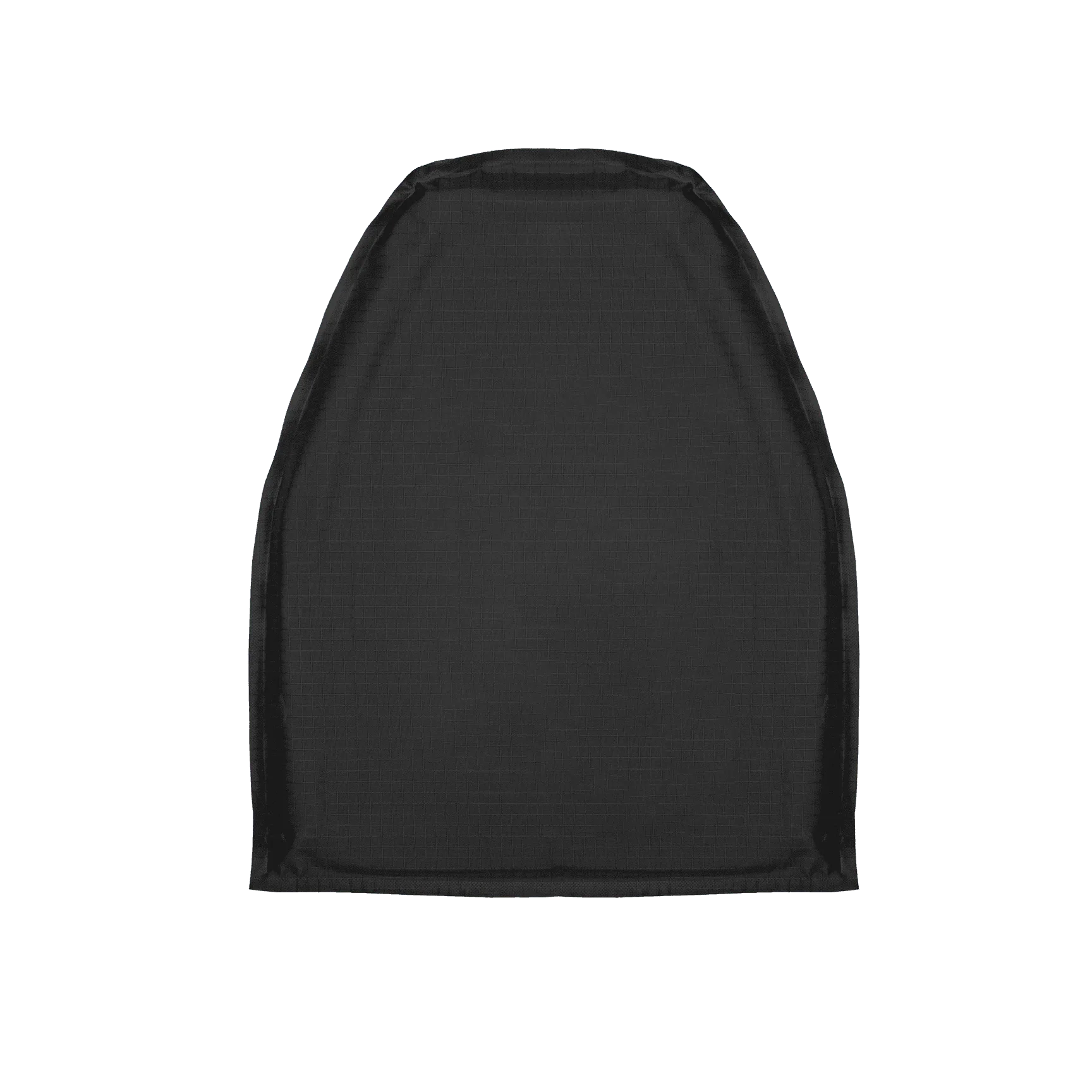
Soft Armor Plate Backer - Level IIIA - Shooter Cut
Accessories like the TurnoverTM - Double Pistol and the Kangaroo V2 Insert - Triple 556 can also affect how your carrier fits by adding weight and bulk. When adding accessories, it's important to re-evaluate your fit to ensure the additional gear doesn't compromise comfort or mobility.
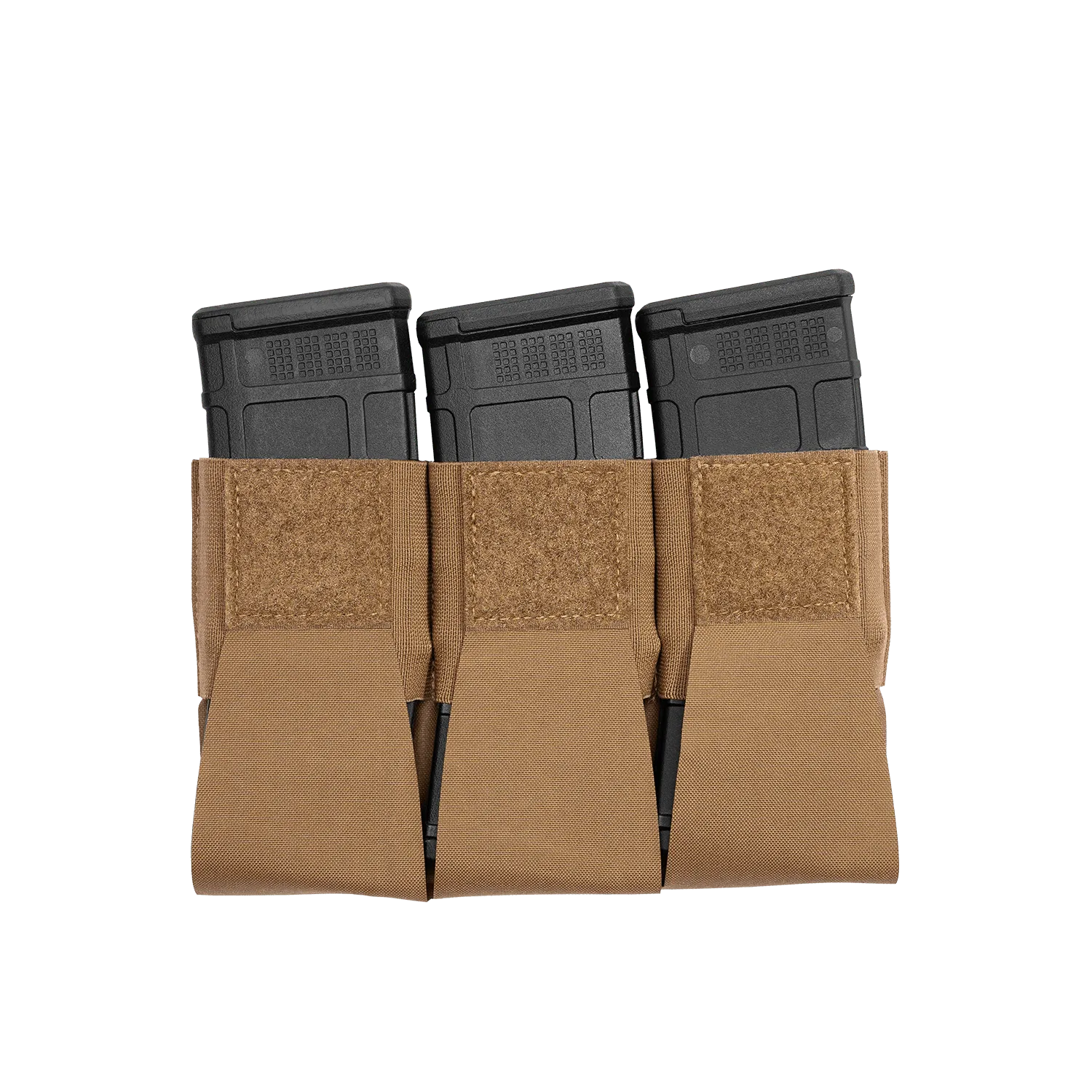
Kangaroo V2 Insert - Triple 556
- Consider adding a plate backer for extra comfort and protection.
- Use modular inserts to organize your gear without adding unnecessary bulk.
Properly fitting your plate carrier is essential for comfort, safety, and performance. By following the steps outlined above, you can ensure your carrier fits like a glove. Remember to take the time to adjust your gear before every mission, and don't hesitate to invest in accessories that enhance your fit, such as the Soft Armor Plate Backer. Your body will thank you.