Quick answer
Putting on a nursing pillow slipcover is easiest when you match the cover to your pillow model, work the fabric on before the pillow is fully stuffed, and secure the zipper or closure without forcing it. Start by checking the label, then follow the steps below for a snug, wrinkle-free fit.
Why the right slipcover makes a difference
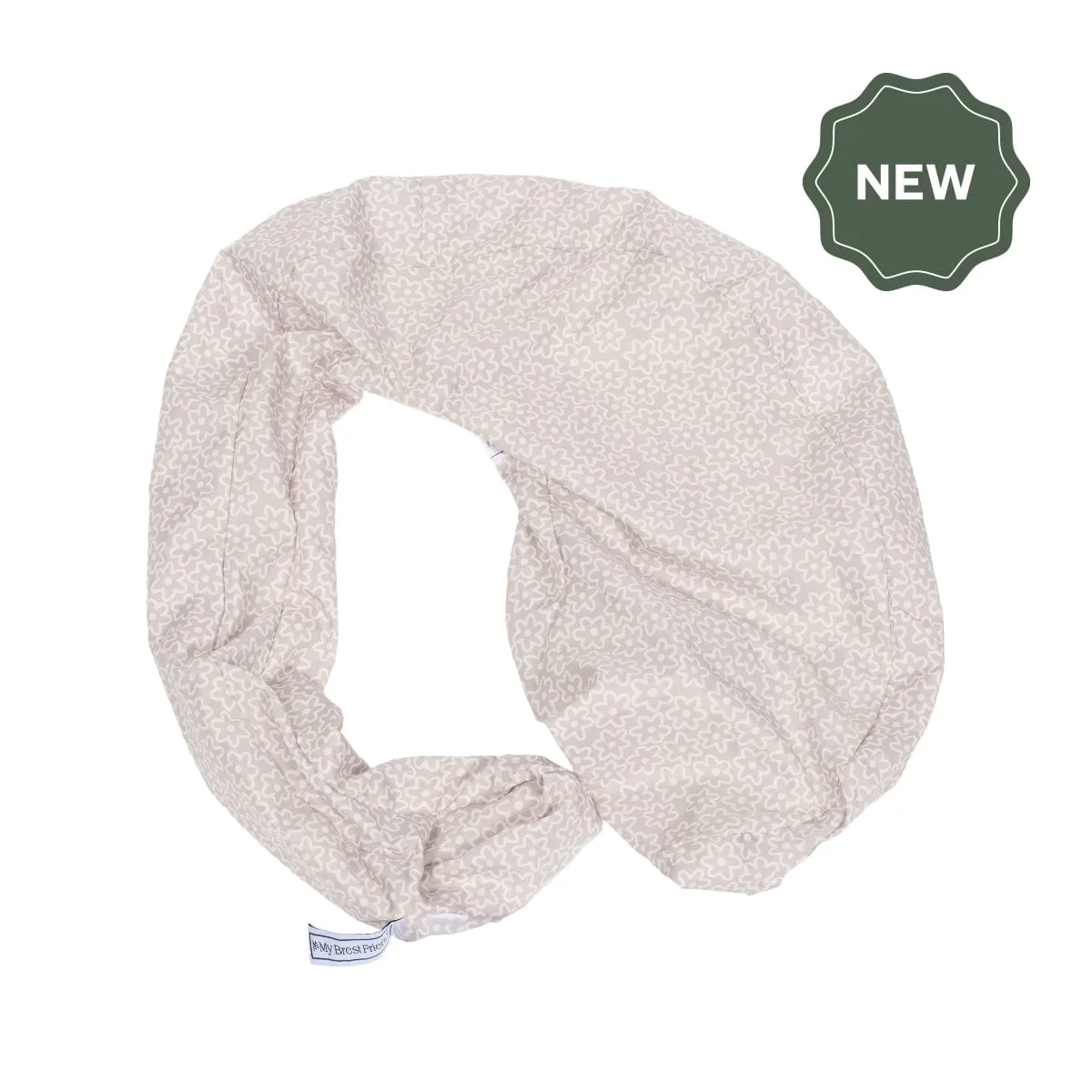
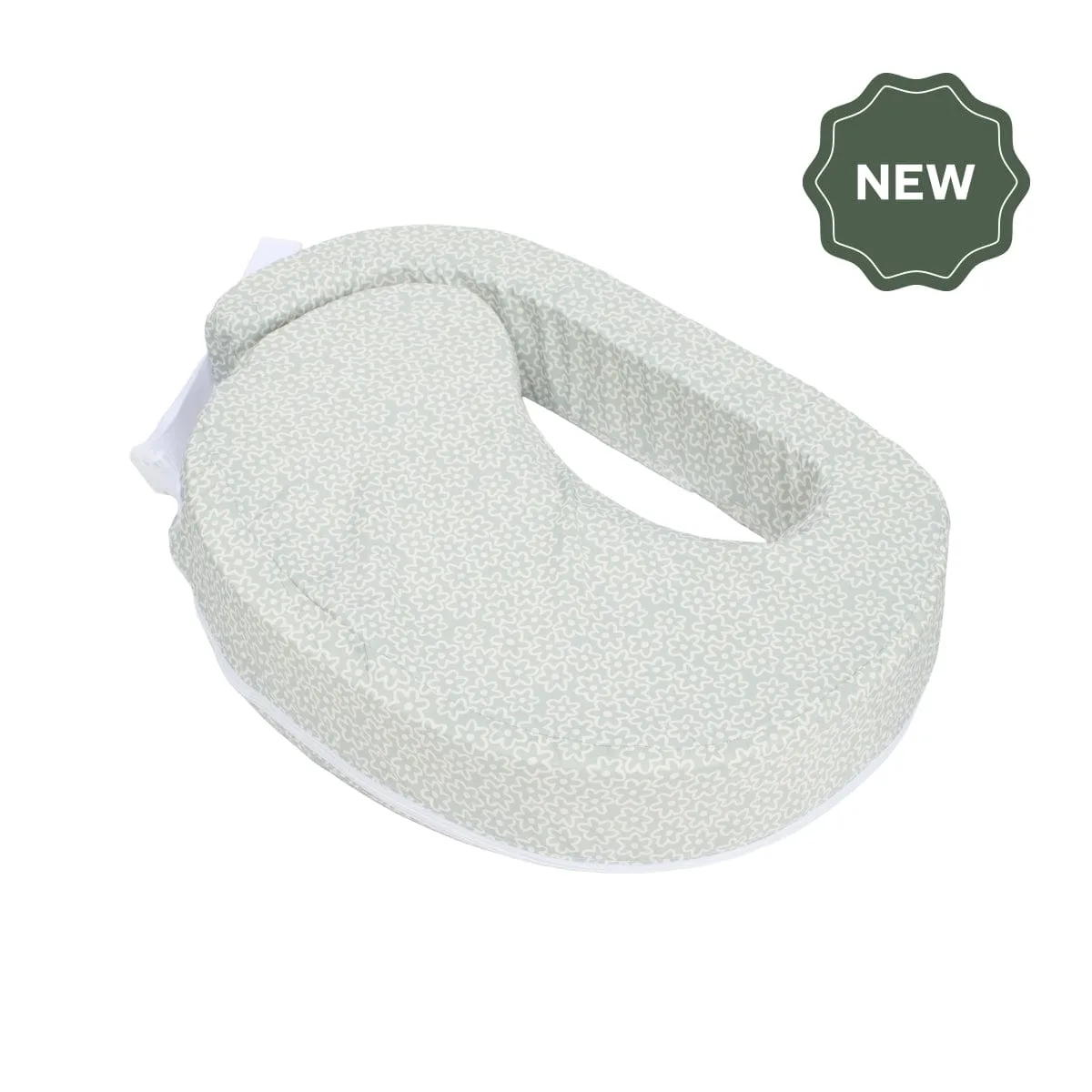
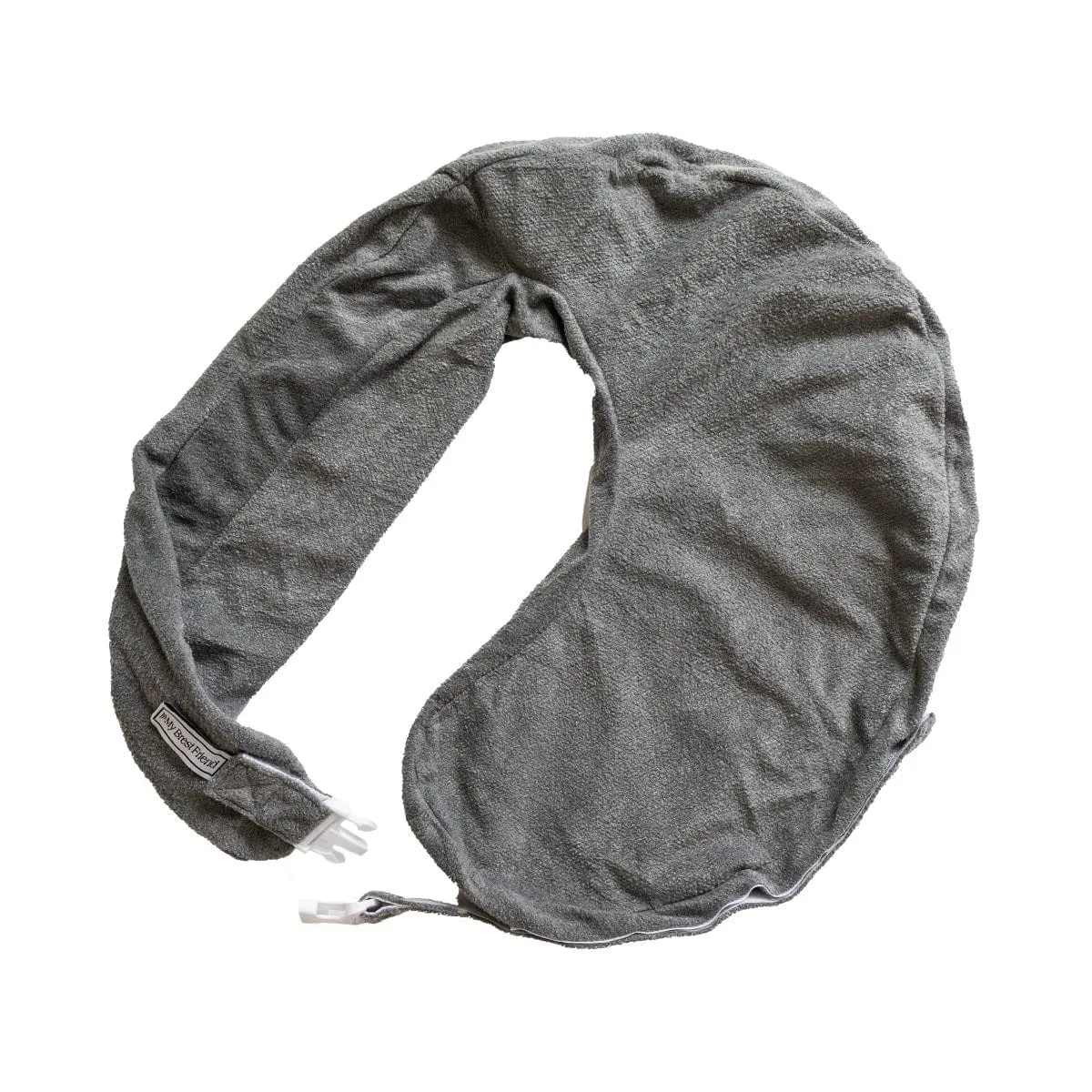
A well-fitting slipcover keeps your nursing pillow clean and extends its life. Spit-up and leaky diapers are inevitable, so having a spare cover means you can toss the dirty one in the wash without missing a feeding. The key is choosing a cover designed for your specific pillow shape and size. My Brest Friend offers several options, including the Basic Nursing Pillow Slipcover, the Deluxe Nursing Pillow Slipcover, and the Twin & Plus Nursing Pillow Slipcover - Coral. Each is made for different pillow models, so check compatibility before you buy.
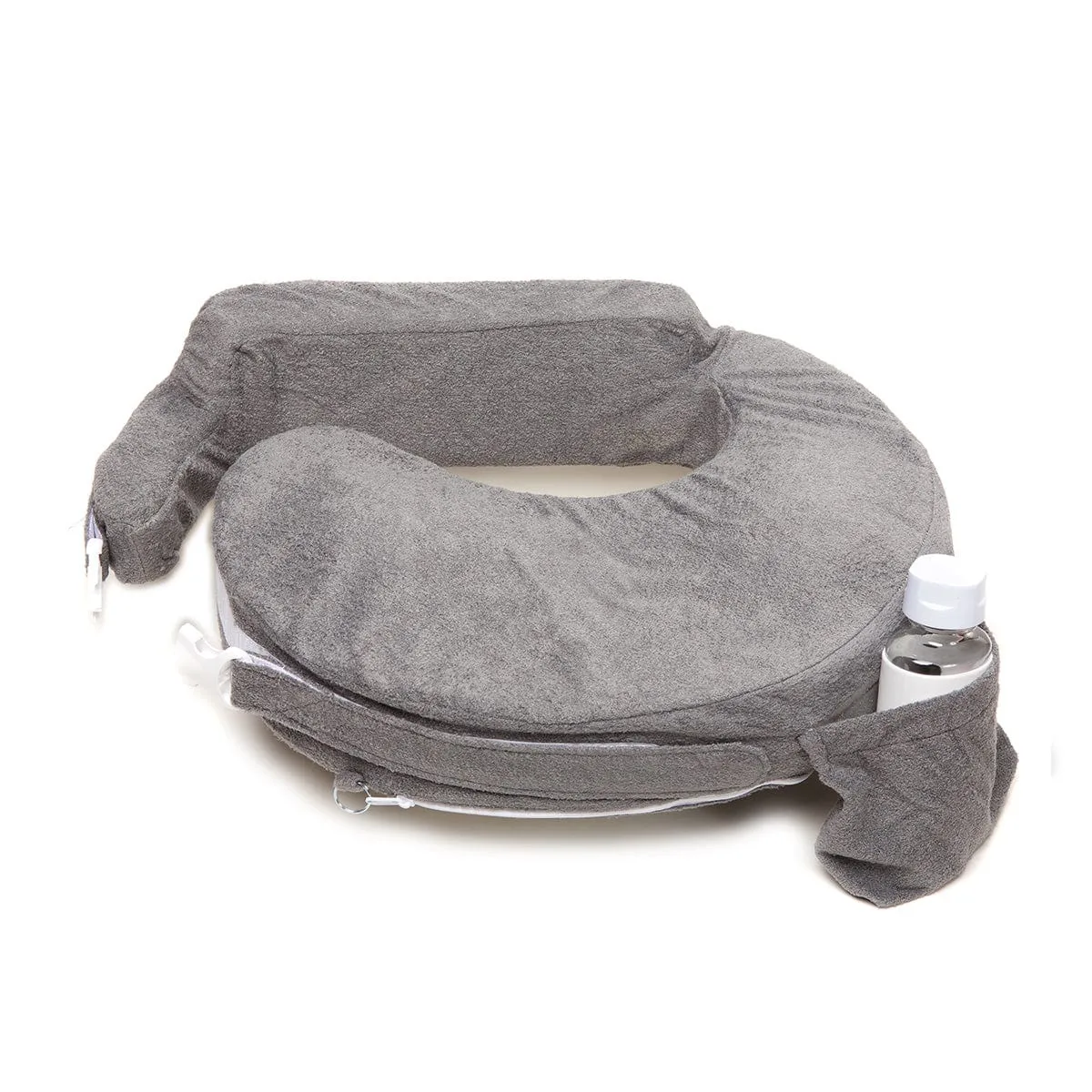
Deluxe Nursing Pillow
Step-by-step: putting on your slipcover
Follow these steps to get a smooth, secure fit every time. If your cover won't fit, don't force it - double-check the size and model first.
Steps for a perfect slipcover fit
- Match the cover to your pillow model: Check the label on your pillow and the slipcover packaging. My Brest Friend covers are model-specific; using the wrong size is the top reason a cover won't fit. If you're unsure, measure your pillow's length and width before ordering.
- Unzip and locate the openings: Open the zipper or closure completely. Identify the front and back of the cover - some have a designated top edge that should align with the pillow's top. Laying the cover flat helps you see the shape before you start.
- Slide the pillow in at an angle: Insert one end of the pillow into the cover first, then work the rest in gradually. Don't bunch the fabric; smooth it as you go. If it feels tight, stop and check that you're using the correct size.
- Adjust and align the seams: Once the pillow is inside, shift it so the seams line up with the pillow's edges. This prevents twisting and ensures a comfortable surface for baby. A twisted cover can create lumps that disturb feeding.
- Zip or fasten the closure: Close the zipper or hook-and-loop closure slowly, making sure no fabric is caught. Zip from one end to the other to avoid stress on the seams. If the zipper resists, readjust the pillow inside rather than pulling harder.
- Do a final smooth-down: Run your hands over the covered pillow to smooth out wrinkles. Check that the cover isn't too loose or too tight - it should fit snugly without straining. A proper fit means no bunching and no gaps.
Slipcover options that make changes easier
- Basic Nursing Pillow Slipcover: Basic Nursing Pillow Slipcover - an easy to use, easy to clean solution that every nursing mom can use. A spare basic cover lets you swap and wash without delay, so you always have a clean pillow ready.
- Deluxe Nursing Pillow Slipcover: Deluxe Nursing Pillow Slipcover - available in multiple colors. Color options let you coordinate with your nursery or designate one cover for backup while the other washes.
- Twin & Plus Nursing Pillow Slipcover - Coral: Twin & Plus Nursing Pillow Slipcover - Coral is designed for larger pillow models. If you use a twin or plus-size pillow, this cover provides the right fit so you avoid the frustration of a cover that won't stretch.