Quick Answer
To read a supplement label effectively, start with the Supplement Facts panel to check serving size and active ingredients, then scan the ingredient list for allergens and fillers, and finally look for third-party seals or certifications. Focus on the amounts of key nutrients and herbs, not just the front-of-package claims.
Walking down the supplement aisle can feel like decoding a foreign language. Between 'proprietary blends,' 'standardized extracts,' and a long list of scientific names, it's easy to grab a bottle based on the flashiest label. But the real story is in the fine print.
Whether you're choosing a herbal tea detox, a vitamin, or a wellness supplement, understanding the label helps you pick products that actually match your goals and avoid unnecessary additives. Here's a practical guide to reading supplement labels like a pro.
Start with the Supplement Facts Panel
The Supplement Facts panel is the backbone of any supplement label. It lists serving size, servings per container, and the amount of each ingredient per serving. Pay attention to the serving size—it tells you how much you need to take to get the listed amounts. If the serving size is two capsules, the numbers apply to two capsules, not one.
Check the % Daily Value (%DV) for vitamins and minerals. This tells you how much of your daily need is covered by one serving. For herbs and other botanicals, there's often no %DV, so you'll see the raw amount in milligrams (mg) or micrograms (mcg) instead. Use this to compare products and ensure you're getting a meaningful dose.
- Always check the serving size first—it prevents accidental under- or over-dosing.
- Compare the amount of key ingredients across similar products to find the best value.
Decode the Ingredient List
The ingredient list shows everything in the product, from active ingredients to fillers and preservatives. Ingredients are listed in descending order by weight, so the first few are the most abundant. For herbal supplements, you'll often see the plant part used (like leaf, root, or seed) and the extraction method, which affects potency.
Look out for common allergens like soy, gluten, dairy, and shellfish, which may be present as additives. Also watch for 'proprietary blends'—these allow manufacturers to hide the exact amount of each ingredient behind a single total. If a blend is listed, it's harder to know if you're getting an effective dose of any single herb, so you may want to choose a product with transparent labeling.
- If you have allergies, scan the ingredient list for hidden triggers.
- Prefer products that list specific amounts for each herb rather than a proprietary blend.
Understand Common Label Terms
Terms like 'standardized,' 'full-spectrum,' and 'extract' tell you how the herb was processed. A standardized extract guarantees a certain level of active compounds, which can be helpful for consistency. Full-spectrum means the whole plant is used, preserving a range of compounds. 'Extract' simply means the herb was concentrated, but the ratio matters—a 10:1 extract is more concentrated than a 4:1.
Other terms to know: 'hypoallergenic' means the product is formulated to reduce allergens, but it's not a regulated term. 'Non-GMO' and 'organic' refer to farming practices and can be verified by third-party certifications. 'Gluten-free' is regulated and must meet FDA standards, which is useful if you have celiac disease.
- Standardized extracts are ideal when you want a consistent dose of active compounds.
- Full-spectrum products are better if you prefer a more holistic approach.
Check for Third-Party Verification
Third-party seals like USP, NSF, or ConsumerLab indicate that the product has been independently tested for quality, purity, and accurate labeling. These seals aren't required, but they add confidence. If a product has no third-party verification, it doesn't necessarily mean it's low quality, but you have less assurance about what's inside.
Also look for the manufacturer's contact information. A reputable company will provide a way to reach them with questions. Some brands also offer batch-specific certificates of analysis (COAs) on their websites, which show test results for contaminants and potency.
- Look for USP, NSF, or ConsumerLab seals for added quality assurance.
- Check the brand's website for COAs to verify what's actually in the bottle.
Step-by-Step Guide to Reading a Supplement Label
- Identify the serving size and servings per container: Look at the top of the Supplement Facts panel. Note the serving size (e.g., 1 capsule, 2 g powder) and how many servings are in the bottle. This tells you how long the product will last and how to take it. Checkpoint: If you need 2 capsules per day and the bottle has 60 capsules, it's a 30-day supply.
- Review the active ingredients and their amounts: Scan the list of ingredients with their amounts. For vitamins and minerals, check the %DV. For herbs, note the mg or mcg. Compare these amounts to clinical studies or recommended dosages if you have a specific goal. Common mistake: Assuming a higher amount is always better—some nutrients are toxic in excess.
- Scan the 'Other Ingredients' for fillers and allergens: Look for inactive ingredients like magnesium stearate, silica, or cellulose. These are usually harmless but can be problematic if you have allergies. Check for common allergens like soy, gluten, or dairy. Checkpoint: If you have a known allergy, look for a 'free-from' statement or a certified seal.
- Evaluate the label claims and certifications: Read the front label claims like 'supports immunity' or 'all-natural' with skepticism. Look for third-party seals (USP, NSF) and check the back for a full ingredient disclosure. If a claim seems too good to be true, it probably is. Common mistake: Trusting marketing buzzwords without verifying the actual ingredients.
Real-World Examples
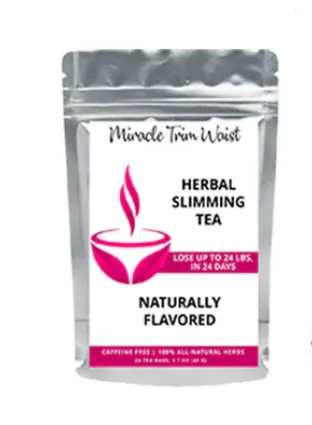
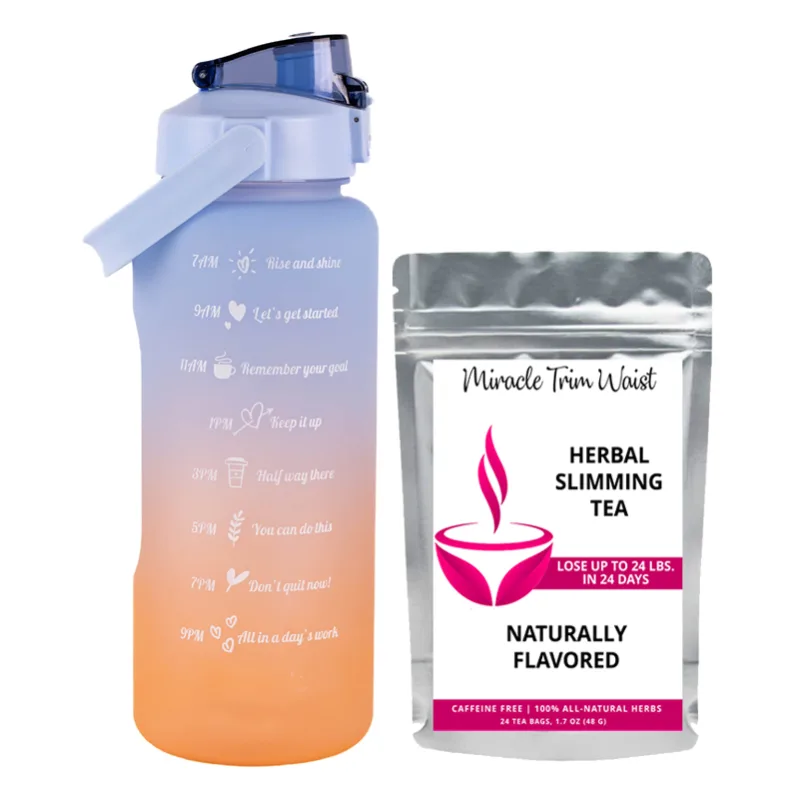
- https://naturalsblessingtg.com/products/products-24-day-keto-flat-tummy-cleanse-tea-cb006ff4167800789bb1bc1d-64986624-Day (GLP-1) KETO Flat Tummy Cleanse: Premium natural formula crafted by Shashicka Tyre-Riley — results you can see and feel. Kickstart Your Metabolism and Beat the Bloat Experience a lighter, more energized you with our 24-Day KETO Flat Tummy Cleanse. Specially formulated to complement your keto lifestyle or daily wellness routine, this all-natural herbal slimming tea works to gently detoxify your system, reduce stubborn bloating, and support healthy... When you see a cleanse like this, check the ingredient list for the specific herbs and their amounts. Since it's a tea, the serving size is likely one tea bag or a scoop of powder—make sure you know how to prepare it to get the intended effect.
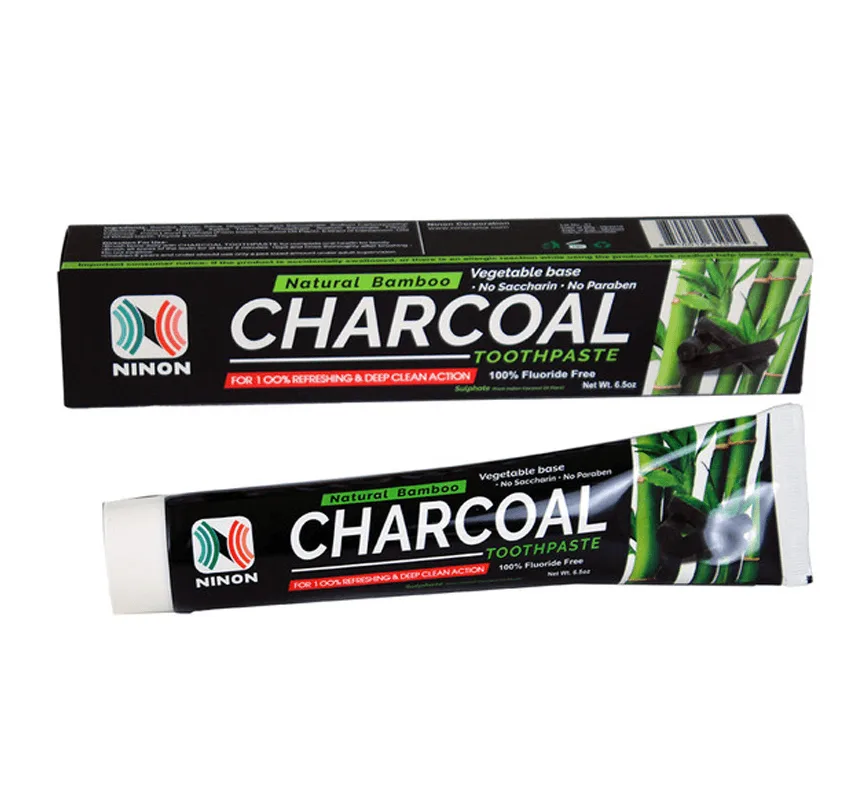
- https://naturalsblessingtg.com/products/charcoal-herbal-toothpaste-07103f769b5a472827793f65-650147Charcoal Herbal Toothpaste: What it isCharcoal Herbal Toothpaste is a 7 oz bamboo charcoal toothpaste made for daily oral-care routines.Why customers choose it Bamboo charcoal helps lift surface stains during brushing Mint and clove oil support a fresher-feeling mouth Gentle gum-cleansing support for customers who prefer herbal oral care 7 oz tube format works for everyday use How to useApply a small amount to your toothbrush, brush gently,... Though not a supplement, this toothpaste shows how herbal ingredients like bamboo charcoal, mint, and clove oil are highlighted on labels. Understanding these terms helps you evaluate oral care products with the same critical eye.
Reading a supplement label doesn't have to be overwhelming. Start with the Supplement Facts panel, understand the ingredient list, and look for third-party verification. With these skills, you can choose herbal and vitamin products that align with your health goals and avoid unnecessary additives. Always consult a healthcare professional before starting any new supplement, especially if you have underlying conditions or take medications.