Quick Answer
To read supplement labels effectively, focus on the Supplement Facts panel, check the active ingredients and their amounts, verify serving size, and look for third-party certifications. For gummy vitamins, also note sugar content and any artificial additives. Always prioritize products that clearly list clinically studied ingredients at effective doses.
Gummy vitamins have become a popular way to support your health, offering a tasty alternative to pills and powders. But with so many options on the shelf, how do you know what you're actually getting? The key is learning to read supplement labels correctly. This guide will walk you through the essential parts of a supplement label, specifically tailored for gummy vitamin users, so you can make informed choices.
Whether you're shopping for yourself or your kids, understanding the Supplement Facts panel is crucial. It tells you exactly what's in the product, how much of each ingredient you're getting, and what it's supposed to do. By mastering label reading, you'll avoid misleading marketing and choose gummies that truly meet your needs.
Start with the Supplement Facts Panel
The Supplement Facts panel is the most important part of any supplement label. It lists the serving size, the amount of each ingredient per serving, and the percent Daily Value (%DV) where applicable. For gummy vitamins, serving size is often two gummies, so always check how many gummies you need to eat to get the listed amounts. This prevents under- or over-dosing.
Pay attention to the 'Amount Per Serving' column. This tells you the exact quantity of each nutrient. For example, if a vitamin C gummy provides 45 mg per serving, that's the dose you'll get. Compare this to your dietary needs or health goals. Also, check the %DV: 20% or more is considered high, while 5% or less is low. However, for some nutrients like vitamin D, even 100% DV might not be enough if you're deficient, so consult a healthcare professional.
- Always check the serving size first—it's the foundation for interpreting everything else.
- Look for the %DV but remember it's based on a 2,000-calorie diet and may not reflect your individual needs.
Identify Key Ingredients and Their Forms
The ingredient list reveals what's inside the gummy. Look for the active ingredients—the vitamins, minerals, and botanicals that provide the health benefits. For example, a product like Multivitamins for Kids contains 12 essential vitamins and minerals, including vitamins C, D3, B12, zinc, and folate. These are the nutrients that support your child's growth and immune function.
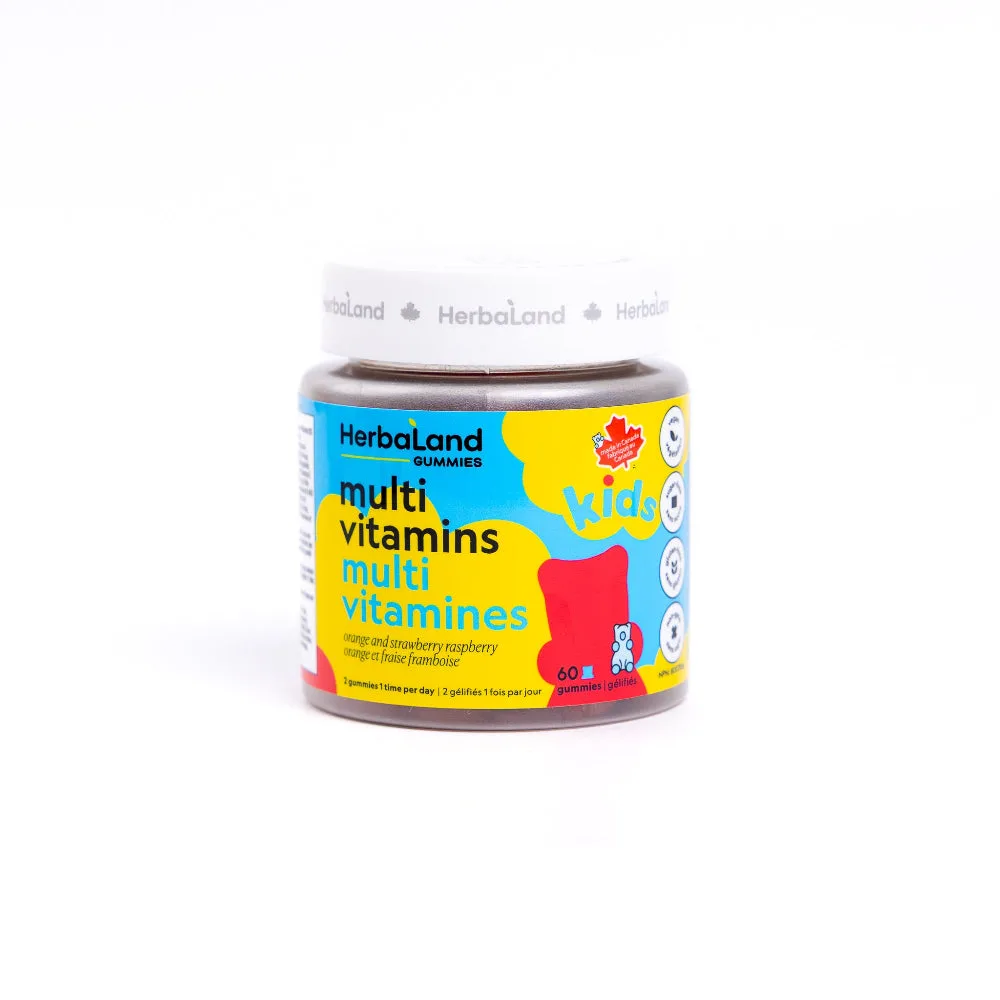
Multivitamins for Kids
Also, note the form of each ingredient. Some forms are better absorbed than others. For instance, vitamin D3 is more effective than D2, and magnesium citrate is more bioavailable than magnesium oxide. If a label doesn't specify the form, it might be using a cheaper, less effective version. When in doubt, research or ask a professional.
- Check for the specific form of vitamins and minerals (e.g., D3 vs. D2).
- Look for clinically studied ingredients like creatine monohydrate, which is well-researched for muscle support.
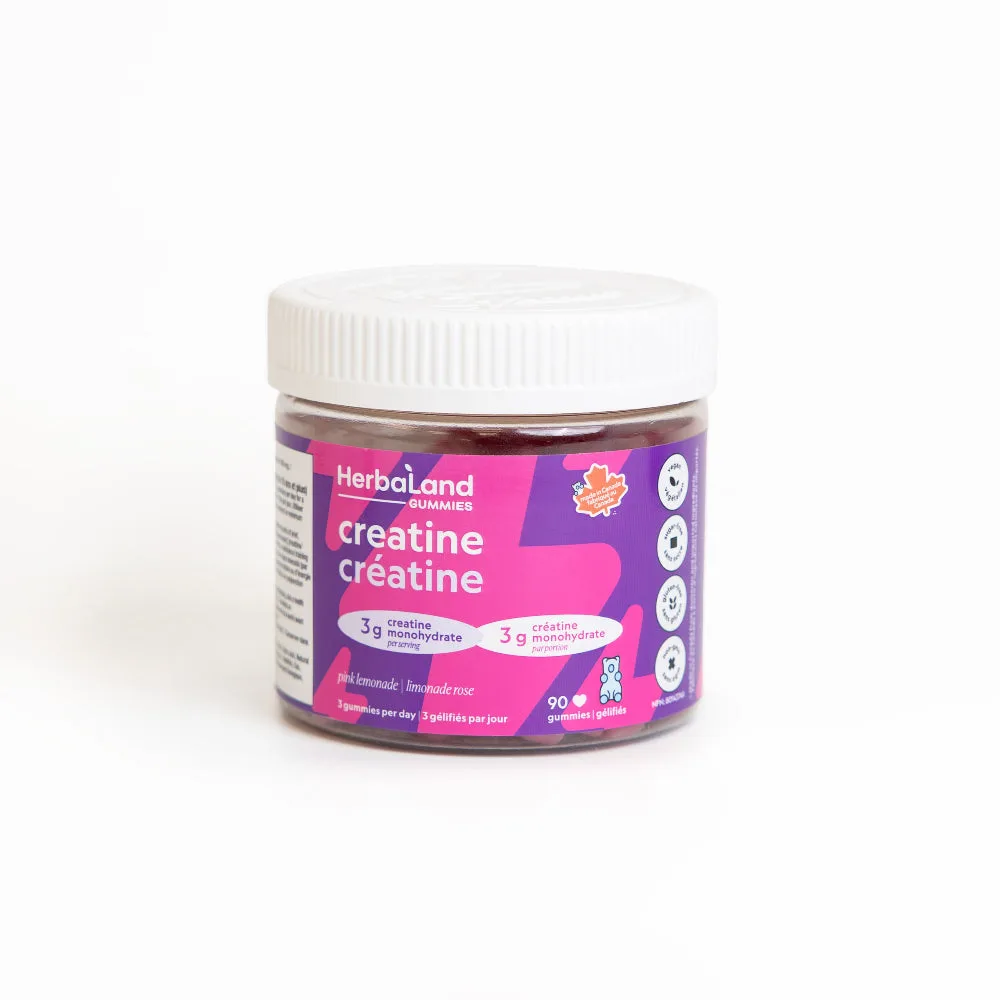
creatine
Check for Added Sugars and Artificial Additives
Gummy vitamins often contain sugar to improve taste, but too much can be counterproductive. The label will show 'Total Sugars' and 'Added Sugars' under the carbohydrates section. The American Heart Association recommends limiting added sugars to no more than 25-36 grams per day, so a gummy with 2-3 grams of added sugar per serving can fit into a balanced diet. However, if you're watching sugar intake, look for sugar-free options.
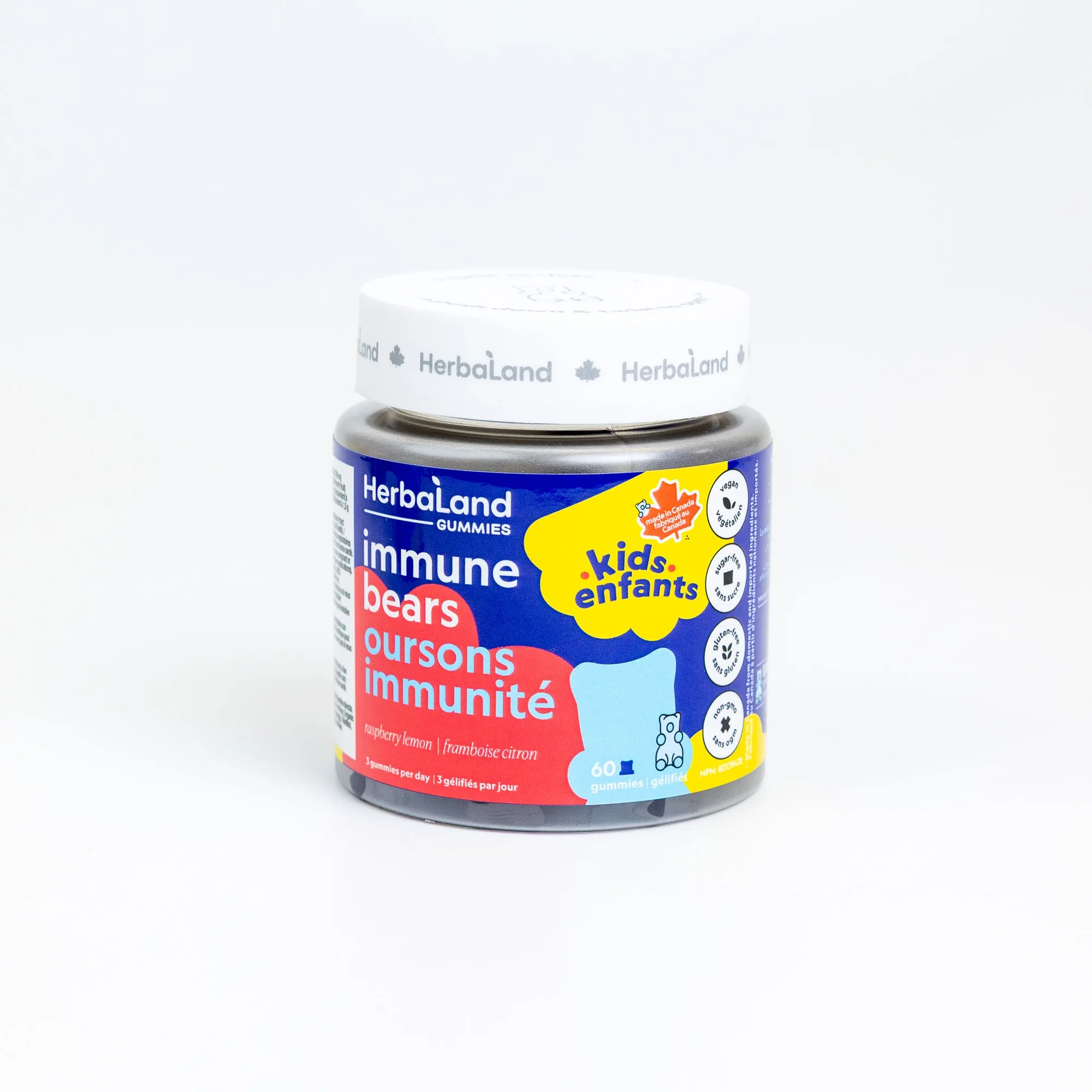
Artificial colors, flavors, and preservatives are also common in gummy vitamins. Some people prefer to avoid these, especially for children. Look for products that use natural fruit flavors and colors, or those that are vegan and free from common allergens. For example, Immune Bears for Kids are sugar-free and vegan, making them a cleaner choice for daily immune support.
- Compare sugar content across brands; sugar-free doesn't mean less effective.
- If you have allergies, check for allergen statements like 'contains tree nuts' or 'gluten-free'.
Look for Third-Party Certifications and Quality Seals
Third-party certifications provide an extra layer of assurance that a product contains what it claims. Look for seals like NSF International, USP, or Informed Choice. These organizations test products for purity, potency, and contaminants. While not mandatory, these certifications indicate a brand's commitment to quality.
Some brands also provide 'Certified Vegan' or 'Non-GMO' labels, which can be important for ethical or dietary reasons. However, don't rely solely on certifications—always read the label yourself. A certification doesn't guarantee that the product is right for your specific health needs.
- Familiarize yourself with common certification logos.
- Remember that certifications are not a substitute for reading the Supplement Facts panel.
Understand the 'Other Ingredients' Section
The 'Other Ingredients' section lists everything that isn't a nutrient, such as sweeteners, gelling agents, and coatings. This is where you'll find things like pectin (a plant-based gelling agent), citric acid (for flavor), and natural flavors. For gummy vitamins, pectin is a common alternative to gelatin, making them suitable for vegetarians and vegans.
Be wary of long lists of chemical-sounding names, but remember that not all additives are harmful. Some, like ascorbic acid (vitamin C), are beneficial. If you see ingredients you don't recognize, look them up or choose a product with a shorter, cleaner list. Transparency is a good sign of quality.
- Look for 'pectin' instead of 'gelatin' if you prefer plant-based gummies.
- Avoid products with hydrogenated oils or high-fructose corn syrup.
Step-by-Step: How to Read a Supplement Label
- Step 1: Check the Serving Size: Look at the serving size and the number of servings per container. For gummies, this is often 2 gummies. This tells you how much you need to consume to get the listed nutrients. Mistake: Ignoring serving size can lead to over- or under-dosing. Always start here.
- Step 2: Review the Active Ingredients: Identify the key vitamins, minerals, and botanicals. Note their amounts per serving and compare to your needs or goals. Checkpoint: Ensure the ingredients are present in clinically effective doses.
- Step 3: Assess Sugar and Additives: Look at the sugar content and the 'Other Ingredients' list. Aim for low added sugars and avoid artificial colors and flavors if possible. Mistake: Overlooking sugar can undermine your health goals. Choose sugar-free or low-sugar options.
- Step 4: Verify Quality Seals: Look for third-party certifications like NSF or USP to ensure quality and purity. Checkpoint: Certifications add confidence but don't replace label reading.
- Step 5: Consider Your Specific Needs: Evaluate whether the product aligns with your age, health status, and dietary preferences (e.g., vegan, allergen-free). Mistake: Buying based on marketing rather than your actual needs. Always prioritize your health goals.
Product Facts: What to Look For
- Multivitamins for Kids: Supports the maintenance of health and healthy growth and development in children with 12 essential vitamins and minerals, including vitamins C, D3, B12, zinc, and folate. When reading labels for kids' gummies, ensure they contain a broad spectrum of nutrients at appropriate doses for growth and immunity.
- Immune Bears for Kids: Supports a healthy immune system in children with vitamin C, vitamin D3, zinc, elderberry, and echinacea. For immune support, look for gummies that combine vitamins with botanical extracts like elderberry and echinacea for added benefit.
- Creatine: Supports muscle strength, muscle growth, and exercise performance with 3 g of creatine monohydrate per serving. For fitness-focused gummies, verify the active ingredient dose (like 3 g creatine) matches clinical recommendations for effectiveness.
Reading supplement labels doesn't have to be overwhelming. By focusing on the Supplement Facts panel, understanding ingredients, and checking for quality seals, you can confidently choose gummy vitamins that support your health. Remember, the best supplement is one that meets your specific needs and fits your lifestyle. For a great starting point, explore Multivitamins for Kids or Immune Bears for Kids to see how quality labels can make a difference.