Quick answer
To read a hot sauce label, start with the first ingredient: if it's a specific pepper or pepper mash, the sauce is pepper-forward; if it's vinegar or water, the sauce is likely thinner and more acidic. Next, identify the pepper type to estimate heat, and check for a Scoville rating if you need a precise heat level. Finally, scan the remaining ingredients for sweeteners, fruits, or spices that signal flavor balance. Use this order every time to choose sauce by heat level and match it to your food.
Why the first ingredient matters more than the front label
The front of a hot sauce bottle often shouts a pepper name or a heat level, but the ingredient list—ordered by weight—tells the real story. The first ingredient is the most abundant. If it's a pepper (like habanero or Fresno), you're getting a sauce where pepper flavor and heat lead. If it's vinegar or water, the sauce will taste sharper and thinner, with pepper playing a supporting role. This single check helps you predict both texture and burn before you buy.
Pepper mash vs vinegar base: what the label reveals
Pepper mash is a fermented or pureed pepper mixture that often appears as the first or second ingredient. It signals a thicker, more robust sauce with deeper flavor. Vinegar base, on the other hand, usually means a thinner, tangier sauce designed for acidity and shelf stability. Neither is better—it depends on whether you want a sauce for dipping (thicker mash) or for cutting through rich foods (vinegar). Check the order: mash first means flavor-first; vinegar first means tang-first.
How to use Scoville ratings without getting burned
Understanding Scoville rating helps you choose sauce by heat level, but not all labels list it. When present, it's usually a range (e.g., 1,000–2,000 SHU). Use it as a guide, not gospel: your personal tolerance and the amount you use matter more. If a sauce lists a pepper known for high heat (like habanero or ghost pepper) but no Scoville, assume it's hotter than a mild sauce. Start with a small drop on a spoon, then adjust.
Spotting flavor clues in the rest of the list
After the first few ingredients, look for sweeteners (fruit, sugar, honey), acids (lime, vinegar), and spices (garlic, onion). These tell you how the sauce will taste beyond heat. For example, a sauce with fruit puree early in the list will be sweeter and milder; one with garlic high up will be savory and pungent. This helps you match sauce to food—sweet sauces for chicken, garlicky sauces for pizza or eggs.
Step-by-step: how to read any hot sauce label
- Check the first ingredient: Look at the top of the ingredient list. If it's a pepper or pepper mash, expect a thicker, pepper-forward sauce. If it's vinegar or water, expect a thinner, tangier sauce. Common mistake: assuming the front label's pepper is the main ingredient. The list order is law.
- Identify the pepper type: Scan for specific peppers like habanero, serrano, or Fresno. Each has a typical heat range. Habanero is hotter than serrano; Fresno is milder and sweeter. Checkpoint: if you know your tolerance, pick a sauce with a pepper you've enjoyed before.
- Look for a Scoville rating: If the label lists SHU (Scoville Heat Units), use it as a rough guide. No rating? Rely on pepper type and your own taste test. Common mistake: treating Scoville as exact. It's a range, and your palate is the final judge.
- Scan for sweeteners, fruits, and spices: Ingredients like fruit puree, sugar, or honey indicate sweetness; garlic, onion, or spices indicate savory notes. These appear after the main pepper and vinegar. Checkpoint: match the flavor profile to your dish—sweet for chicken, garlicky for pizza.
- Consider the vinegar-to-pepper ratio: If vinegar is first and pepper is second, the sauce will be tangy and thin. If pepper mash is first and vinegar later, it'll be thicker and more flavorful. Common mistake: ignoring texture. A thin sauce is great for dashing; a thick sauce is better for dipping.
Label examples from our shelves
- Red Habanero & Black Coffee Hot Sauce | Queen Majesty: Queen Majesty's Red Habanero & Black Coffee Hot Sauce uses cold-brewed coffee with vinegar instead of water, combined with habanero mash. It's her hottest sauce to date and pairs with roast potatoes or pulled pork. Shows how a first ingredient (habanero mash) and a liquid (coffee) create an earthy, hot sauce that's still balanced—great for mornings or rich meats.
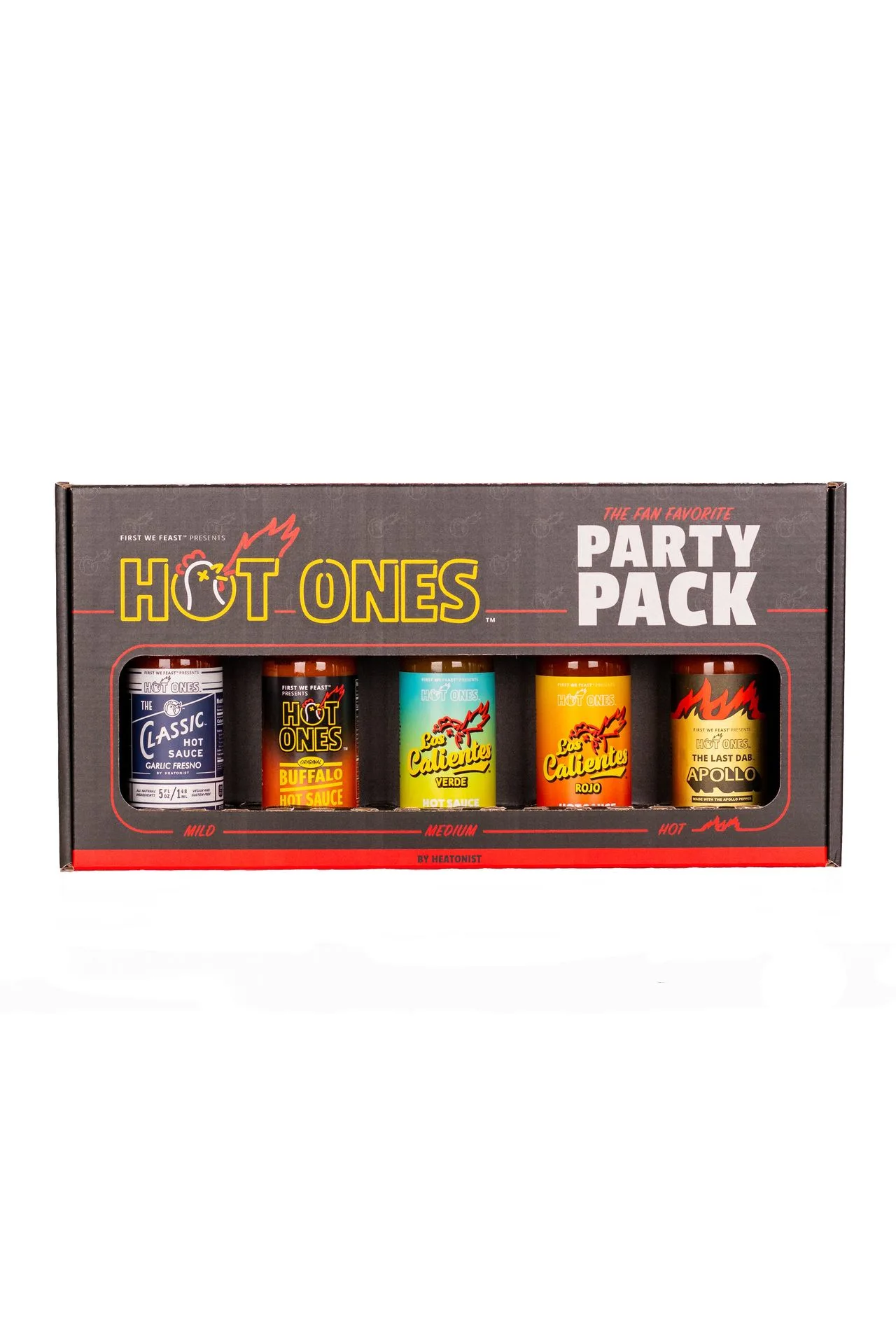
- Hot Ones Hot Sauce | Los Calientes-C: Hot Ones' Los Calientes is a smoky blend of serrano and habanero chiles, sweet fruit, and tart tomatillo. It's designed as a middle-of-the-lineup sauce with a balance of flavor and heat. Demonstrates how multiple peppers and fruit in the ingredient list signal a complex, medium-heat sauce that works as an everyday condiment.
- The Classic Garlic Fresno | Hot Ones Hot Sauce: The Classic Garlic Fresno from Hot Ones is made with organic Fresno chiles and 10x the usual garlic, creating a mild, earthy, sweet sauce with extra depth. Shows that a high garlic content (listed early) means a savory, mild sauce perfect as a table sauce when you want flavor without intense burn.