Quick answer
A scale label tells you the statue's size relative to the character's real or canonical height. Divide that height by the scale denominator: a 180 cm character at 1/6 becomes roughly 30 cm tall, and at 1/4 roughly 45 cm. WCF scale is the exception: it is a display format tied to the World Collectable Figure line, not a strict fraction, so treat the listed centimeter dimensions as the real answer. Always check the product page for exact height, width, and depth before buying.
What the fraction actually means
A 1/6 scale statue is one-sixth the size of the character's assumed real-world height. If a studio treats a character as 180 cm tall, the finished piece lands near 30 cm. A 1/4 scale resin statue size works the same way: divide by four, so that same 180 cm character becomes about 45 cm. The fraction is a ratio, not a promise, because studios choose their own reference height and pose. A crouching 1/4 piece can end up shorter than a standing 1/6 piece from a different studio.
This is why two statues marked 1/6 can differ by several centimeters. The label tells you the intended class of display, while the listed dimensions tell you what will actually arrive.
Where WCF scale fits
WCF stands for World Collectable Figure, a compact display format rather than a strict mathematical ratio. A wcf scale resin statue is typically palm-sized and designed to sit in groups, so the appeal is a consistent shelf line rather than a single large centerpiece. Because WCF is a format, not a fraction, you should never estimate its size from the label alone. Read the stated height in centimeters instead.
The practical consequence: WCF pieces reward collectors who plan a row or a diorama, while 1/6 and 1/4 pieces reward collectors who want one dominant figure per shelf.
Why dimensions beat the label every time
Height alone is not enough. Base width, cape spread, and weapon reach all decide whether a statue fits. A 30 cm figure with a wide diorama base can occupy 40 cm of shelf depth. When a listing gives height, width, and depth separately, use the largest number for clearance planning and add a few centimeters for handling.
If a listing omits exact dimensions, treat that as a real limitation rather than a small detail. You can still pre-order, but you are accepting uncertainty about fit, and you should confirm before the shipping invoice arrives.
Steps to read any scale label correctly
- Identify the scale type first: Decide whether the label is a fraction (1/6, 1/4, 1/20) or a format name (WCF). Fractions let you estimate size from character height; format names do not, so you must rely on listed dimensions. Checkpoint: if you cannot tell which type it is, treat the label as unverified and use dimensions only.
- Do the division for fraction scales: Take the character's assumed height and divide by the denominator. A 180 cm character at 1/6 is about 30 cm; at 1/4 about 45 cm. Then compare that estimate against the listed height. Common mistake: assuming every studio uses the same reference height. A large gap between your estimate and the listing usually means a different reference or a dynamic pose.
- Read height, width, and depth together: Use the largest dimension for shelf clearance and check depth for base spread. For multi-character sets, add the individual dimensions rather than assuming they share one base footprint. Checkpoint: measure your shelf before ordering, not after the shipping invoice arrives.
- Match the scale to your display goal: Choose 1/4 for a single dominant centerpiece, 1/6 for a balanced main shelf, and WCF for grouped rows or dioramas. Mixing scales on one shelf usually looks accidental rather than intentional. Common mistake: buying a large scale piece for a shelf built around small format figures.
- Confirm edition and variant before paying: Scale sets the size, but edition tiers and color variants change what ships. Check which version the price refers to and whether the variant you want is still available. Next step: if the listing lacks dimensions or variant details, email the store to confirm before committing.
How scale labels look on real listings
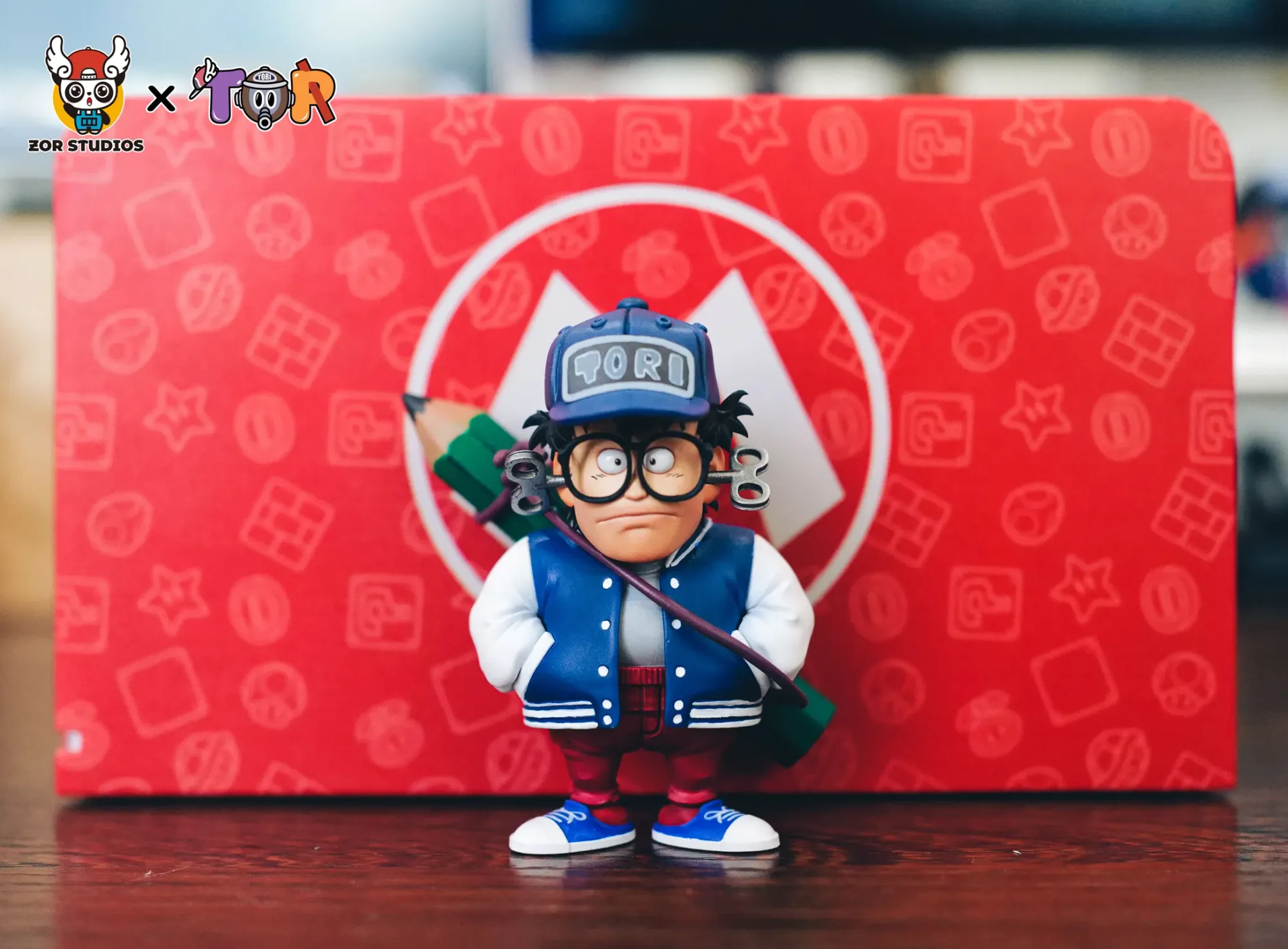
- WCF Scale Baseball Uniform Akira Toriyama - Dragon Ball Resin Statue - ZOR Studios: WCF Scale, height 7cm, resin and PU, estimated shipping Q1 (March) 2026. A clear example of WCF as a compact format: 7 cm is a shelf-line piece, not a centerpiece, so plan a group rather than a single display.
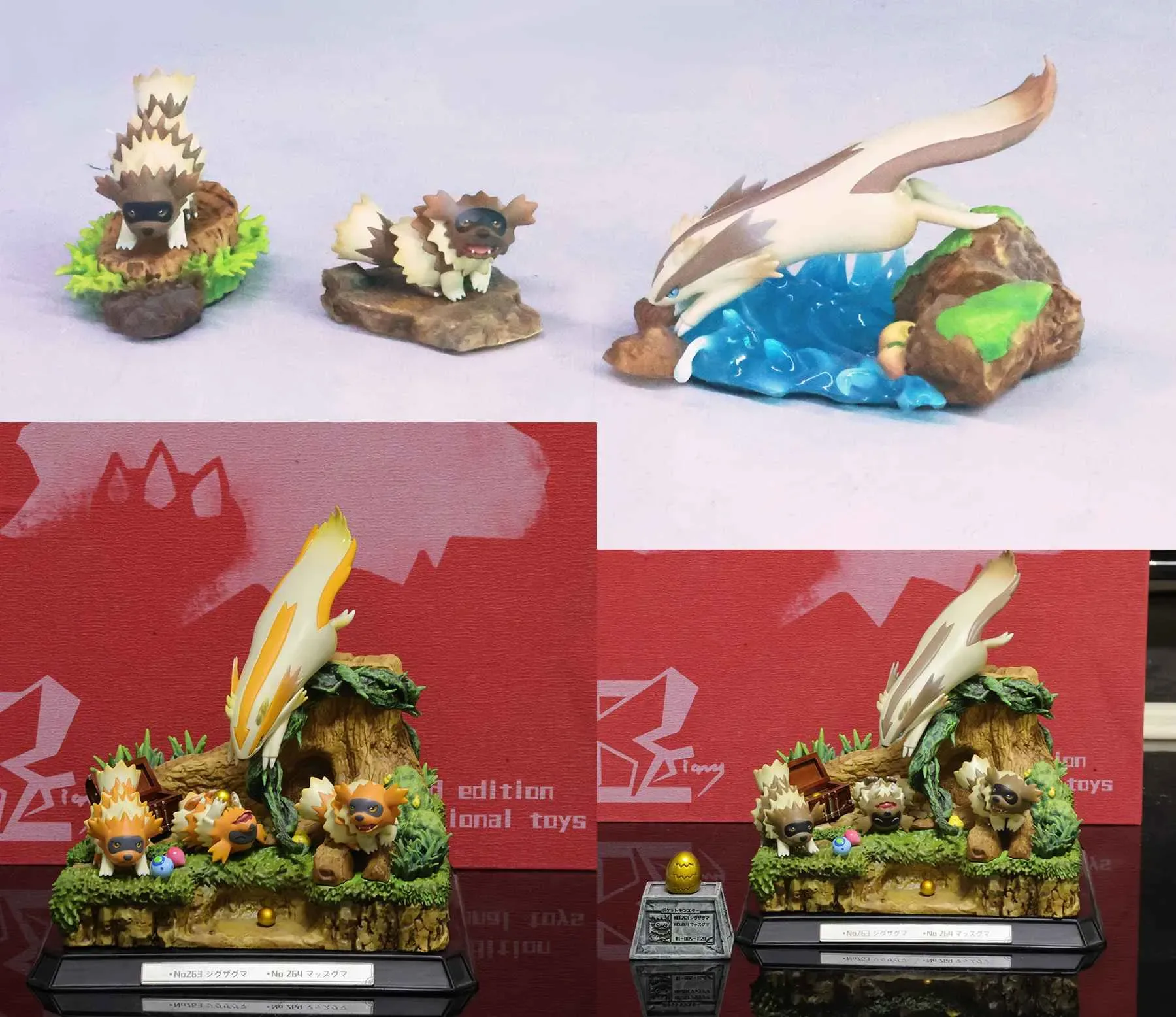
- 1/20 Scale World Zukan Evolution of Zigzagoon Set - Pokemon Resin Statue - Jiang Studios: 1/20 Scale World Zukan Evolution of Zigzagoon Set, available in Collector's Edition and Ultimate Edition with Original or Shiny color variants. Shows that scale and edition are separate decisions: the 1/20 ratio sets the size class, while the edition and color variant change what you actually receive.
- Nico Robin & Tony Tony Chopper - ONE PIECE Resin Statue - ShowHand Studios: Nico Robin listed at H18 x W9 x D11.5 cm and Tony Tony Chopper at H11.5 x W9 x D8 cm, limited to 300 pieces total. This is the ideal listing format: separate height, width, and depth for each character lets you check shelf depth and pairing space before ordering.