Ever picked up a skincare product and stared at the ingredient list like it's written in another language? You're not alone. With terms like sodium hyaluronate, niacinamide, and adenosine, deciphering what's actually inside your favorite serum can feel overwhelming. But understanding ingredient labels is the key to choosing products that truly benefit your skin—and avoiding those that might cause irritation or breakouts.
In this guide, we'll break down how to read skincare ingredient labels like a pro. You'll learn the importance of ingredient order, how to spot active ingredients, and what to look for in Korean skincare labels. By the end, you'll feel confident navigating any product, whether it's a cleanser, serum, or moisturizer.
Why Ingredient Order Matters
In most countries, skincare ingredients are listed in descending order of concentration, from highest to lowest. This means the first few ingredients make up the bulk of the product, while those at the end are present in smaller amounts. For example, if water is listed first, it's the primary base. If an active ingredient like niacinamide appears near the top, you know it's a significant component.
Understanding this order helps you gauge the effectiveness of a product. If a product claims to be a vitamin C serum but ascorbic acid is listed near the bottom, it may not deliver the desired results. Conversely, a product with a beneficial ingredient high on the list is more likely to be effective.
- Look for the first five ingredients—they usually make up about 80% of the formula.
- If water is first, it's a water-based product, which is typical for serums and lotions.
- Ingredients below 1% concentration can be listed in any order, so don't overanalyze the end of the list.
Spotting Active Ingredients
Active ingredients are the components that actually affect your skin—like hyaluronic acid for hydration, retinol for anti-aging, or salicylic acid for acne. They're often present in concentrations that matter, but they can also be buried lower on the list if they're potent and only needed in small amounts.
To find actives, look for ingredients with proven benefits. For example, niacinamide (vitamin B3) helps brighten and strengthen the skin barrier, while peptides support collagen production. Familiarize yourself with common actives for your skin concerns. If you're targeting fine lines, ingredients like retinol or peptides are key. For hydration, look for hyaluronic acid or glycerin.
When scanning a product, check if the active ingredient is listed within the first seven or eight ingredients. If it's further down, it might still be effective, but the concentration could be minimal. For instance, a product with Advanced Collagen Formula might list collagen peptides early, indicating a robust formula.
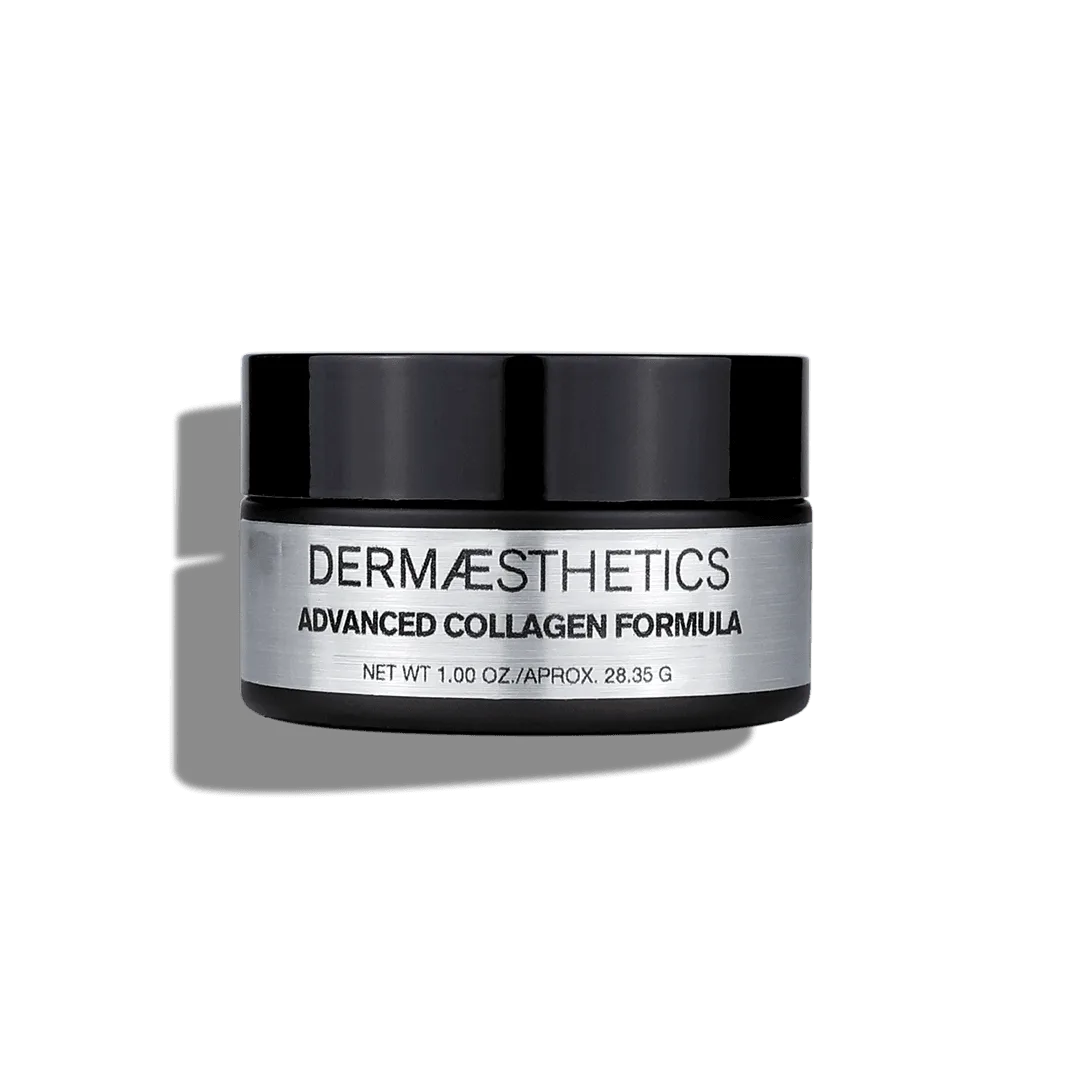
Advanced Collagen Formula
- Common hydrating actives: hyaluronic acid, glycerin, panthenol
- Anti-aging actives: retinol, peptides, vitamin C
- Acne-fighting actives: salicylic acid, benzoyl peroxide, niacinamide
Understanding Korean Skincare Labels
Korean skincare products, like those from Dermaesthetics Beverly Hills, often follow the same ingredient listing rules, but you might encounter some unique ingredients and labeling practices. Korean formulations frequently include botanical extracts, fermented ingredients, and innovative actives like snail mucin or propolis. These are often listed by their INCI (International Nomenclature of Cosmetic Ingredients) names, so they may look unfamiliar.
For example, you might see 'Centella Asiatica extract' instead of 'cica.' Don't let the names intimidate you—research unfamiliar ingredients to understand their benefits. Many Korean products also focus on hydration and skin barrier health, so ingredients like ceramides, squalane, and hyaluronic acid are common.
When reading a Korean label, pay attention to the order and the presence of potentially irritating ingredients like alcohol or fragrance. Some products, especially those for sensitive skin, will clearly mark 'fragrance-free' or 'hypoallergenic.'
- Look for 'water' (aqua) as the first ingredient—it's the base.
- Korean products often include multiple plant extracts; these are usually present in low concentrations.
- Check for 'alcohol' (denatured alcohol) near the top—it can be drying.
Key Ingredients to Look For by Skin Concern
Once you know how to read labels, you can tailor your choices to your skin type. For dry skin, prioritize humectants like hyaluronic acid and glycerin, and occlusives like shea butter or squalane to lock in moisture. The Moisture B5 Serum is a great example of a hydrating product with a simple, effective ingredient list.
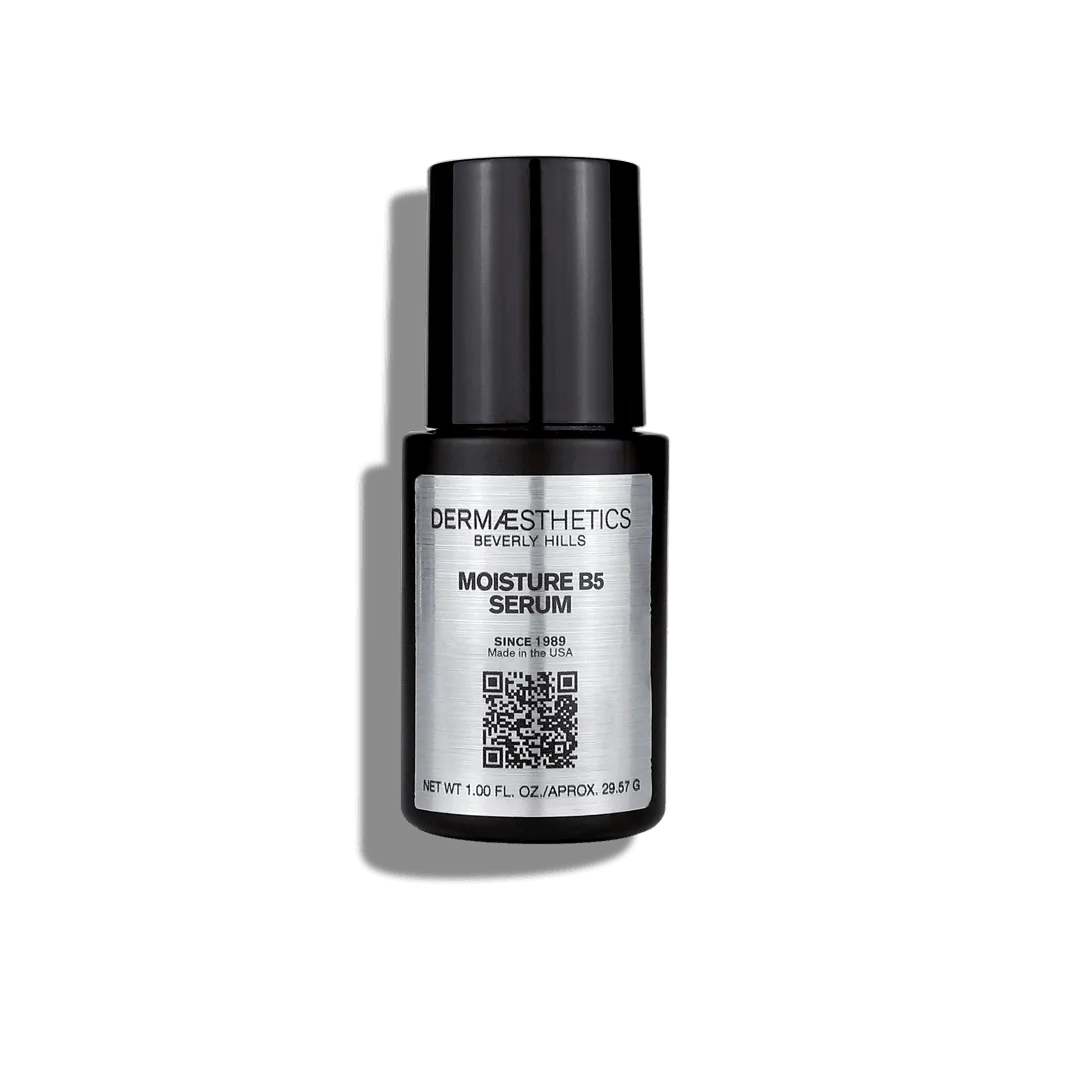
Moisture B5 Serum
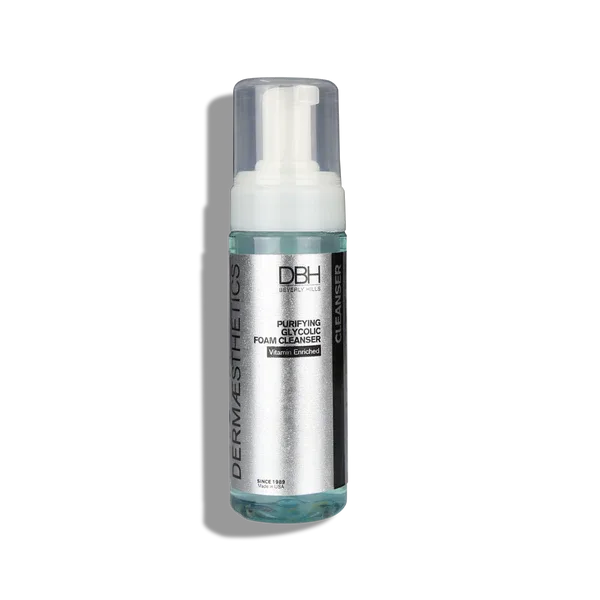
For oily or acne-prone skin, look for lightweight, non-comedogenic ingredients like salicylic acid, niacinamide, and tea tree oil. Avoid heavy oils and butters that can clog pores. A cleanser with glycolic acid, like the Purifying Glycolic Foam Cleanser, can help exfoliate and control oil.
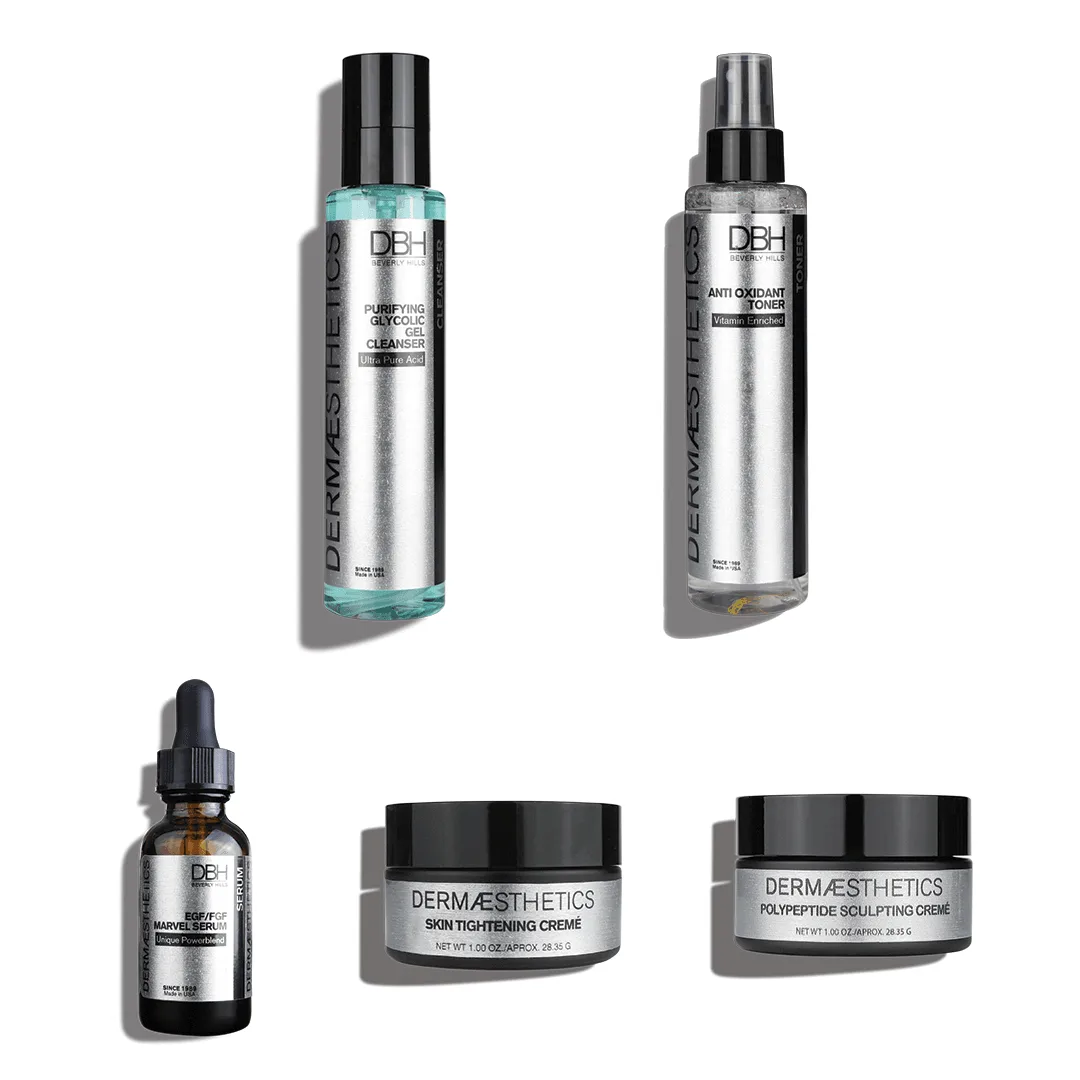
For aging skin, seek out antioxidants like vitamin C and peptides, as well as retinol. These ingredients help boost collagen and reduce the appearance of fine lines. Products like the Routine: Sagging Skin Set are designed to target multiple signs of aging with a combination of actives.
- Dry skin: hyaluronic acid, ceramides, glycerin
- Oily skin: salicylic acid, niacinamide, zinc
- Aging skin: retinol, peptides, vitamin C
Decoding Common Ingredient Names
Ingredient lists are full of scientific names that can be confusing. Here's a quick cheat sheet: 'Aqua' is water, 'Glycerin' is a humectant, 'Sodium hyaluronate' is a form of hyaluronic acid, 'Tocopherol' is vitamin E, and 'Niacinamide' is vitamin B3. Recognizing these names helps you quickly identify beneficial components.
Also, be on the lookout for potential irritants like 'fragrance' (parfum) and certain essential oils, especially if you have sensitive skin. While some people tolerate them, they can cause redness or breakouts in others. If a product is labeled 'fragrance-free' and 'non-comedogenic,' it's a safer bet for sensitive skin.
- Aqua = water
- Sodium hyaluronate = hyaluronic acid (more stable)
- Parfum = fragrance (can be irritating)
- Alcohol Denat. = drying alcohol
Practical Tips for Reading Labels in the Store
When you're shopping, you don't have to memorize every ingredient. Start by identifying your top three skin concerns and look for products that address them. For example, if hydration is your priority, scan for hyaluronic acid or ceramides in the first few ingredients.
Don't get swayed by fancy marketing claims. The ingredient list tells the real story. If a product claims to be 'anti-aging' but has no proven actives, it's probably not worth it. Instead, look for products with clinically tested ingredients like peptides or retinol.
Finally, consider the product's texture and how it fits into your routine. A serum with a high concentration of actives might be more effective than a moisturizer with the same ingredient lower on the list. For a complete approach, you might explore a set that bundles complementary products, like the Routine: Crow's Feet Set, which targets a specific concern with a coordinated regimen.
- Keep a list of your go-to ingredients on your phone.
- Check the ingredient list even for products you've used before—formulations change.
- When in doubt, patch test a new product before applying it to your face.
Reading skincare ingredient labels is a skill that gets easier with practice. Start by scanning the first few ingredients, spot the actives, and be mindful of potential irritants. With these tips, you'll be able to choose products that genuinely benefit your skin, whether you're shopping for a cleanser or a complete routine. Ready to put your knowledge to the test? Explore the Moisture B5 Serum to see how a simple, well-formulated ingredient list can transform your skin.