Walking down the supplement aisle, you’ll see dozens of gummy vitamins promising health benefits without the sugar. But what’s actually inside those chewy little cubes? Reading a sugar free gummies label can feel like decoding a secret language, especially when terms like 'sugar alcohol', 'polyols', and 'net carbs' appear. Understanding these labels is key to choosing a product that fits your dietary needs and health goals.
In this guide, we’ll break down every part of the nutrition facts panel and ingredient list for sugar free gummies. You’ll learn how to spot hidden sugars, evaluate sweeteners, and check for allergens and artificial additives. By the end, you’ll feel confident reading any gummy label—whether you’re shopping for yourself or your kids.
Start with the Serving Size and Servings Per Container
The first thing to look at is the serving size. This tells you the amount of gummies considered one serving, usually listed as '2 gummies' or '3 gummies'. The nutrition facts that follow—calories, carbohydrates, and vitamins—are all based on this single serving. It’s easy to overlook, but if you eat more than the serving size, you’ll consume proportionally more calories and carbs.
Also check the servings per container. This number tells you how many servings are in the whole bottle. If the serving size is 2 gummies and there are 60 gummies in the bottle, that’s 30 servings. Knowing this helps you track your intake and gauge how long the product will last, which is especially useful when you’re buying for the whole family.
- Always note the serving size before comparing products.
- Multiply the serving size by the servings per container to see total gummies.
Check the Total Carbohydrates and Fiber
For sugar free gummies, the total carbohydrate count is crucial. This includes sugars, sugar alcohols, and fiber. Many sugar free gummies use sugar alcohols like erythritol, xylitol, or maltitol to provide sweetness without the calories of sugar. These are listed under total carbohydrates, often as a subcategory. The key is to look at the 'Total Carbohydrate' line and then see how much comes from sugar alcohols.
Fiber is another component of total carbs. Some gummies add soluble fiber for texture or digestive benefits. Since fiber isn’t digested like sugar, it doesn’t spike blood sugar. To estimate the impact on blood sugar, you can calculate net carbs by subtracting fiber and sugar alcohols from total carbs. However, note that the FDA doesn’t officially recognize 'net carbs', so this is just a personal tool.
- Look for 'Sugar Alcohol' under Total Carbohydrate to see how much is from sweeteners.
- Subtract fiber and sugar alcohols to estimate net carbs if you’re tracking them.
Examine the Sugars and Added Sugars
Even in sugar free gummies, you might see a small amount of sugar. This could come from natural fruit extracts or other ingredients. The 'Total Sugars' line includes both naturally occurring and added sugars. The 'Added Sugars' line is particularly important because the FDA requires it to be listed separately. For a product to be truly sugar free, it should have 0 grams of added sugars, but sometimes you’ll see 'Includes 0g Added Sugars'.
Be wary of products that claim 'no added sugar' but still contain fruit juice concentrates or honey, which are still sugars. The label will show the amount, so you can decide if it fits your dietary restrictions. For kids, especially, you might want to choose gummies with the lowest possible sugar content.
- Check 'Added Sugars' even if 'Total Sugars' is low.
- Watch for fruit juice concentrates that add natural sugars.
Decode the Sweeteners in the Ingredient List
The ingredient list reveals the exact sweeteners used. Common sugar free sweeteners include stevia, monk fruit extract, erythritol, xylitol, and maltitol. Stevia and monk fruit are natural, zero-calorie sweeteners, while sugar alcohols like erythritol and xylitol have a slight cooling effect and fewer calories than sugar. Maltitol is another sugar alcohol but has a higher glycemic index, so it may affect blood sugar more.
Pay attention to the order of ingredients—they’re listed by weight. If a sweetener is near the top, it’s a major component. Also, some gummies use a blend of sweeteners to improve taste. For example, a product might combine stevia with erythritol to balance sweetness. Always check for potential digestive issues: some sugar alcohols can cause bloating or gas, especially in large amounts.
- Stevia and monk fruit are natural, zero-calorie options.
- Erythritol and xylitol are common sugar alcohols; xylitol is toxic to dogs, so keep away from pets.
- If you have a sensitive stomach, start with a small serving of gummies with sugar alcohols.
Look for Vitamins, Minerals, and Other Nutrients
Gummy vitamins are popular because they deliver nutrients in a tasty form. Check the % Daily Value (%DV) for vitamins and minerals. For example, a sugar free vitamin B12 gummy might provide 100% of your daily B12. Look for the actual amount in micrograms or milligrams, not just the %DV, especially for nutrients like magnesium or calcium where the %DV can be misleading.
Also, note any added beneficial ingredients like probiotics, fiber, or herbal extracts. For instance, some gummies include turmeric or ginger for anti-inflammatory benefits. If you’re choosing gummies for specific health goals, ensure the nutrient amounts are meaningful. For kids, look for appropriate dosages and check that the product is age-appropriate.
- Compare the %DV to your daily needs; for kids, ensure it’s not too high.
- Check for added beneficial ingredients like probiotics or turmeric.
Scan for Allergens and Artificial Additives
Always read the allergen statement. Common allergens like soy, dairy, gluten, and nuts can be present in gummies. Many brands make allergen-free claims, but you should verify by reading the label. Also, check for artificial colors, flavors, and preservatives. Some sugar free gummies use natural colors from fruit and vegetable juices, while others rely on synthetic dyes like Red 40 or Yellow 5.
If you prefer clean labels, look for products that specify 'no artificial colors', 'no artificial flavors', and 'no preservatives'. This is especially important for children’s gummies, as some parents avoid certain artificial additives. Remember that 'natural flavors' can still be derived from many sources, so if you have specific sensitivities, contact the manufacturer.
- Check the allergen statement even if it’s not highlighted.
- Look for 'no artificial colors' or 'no artificial sweeteners' if that matters to you.
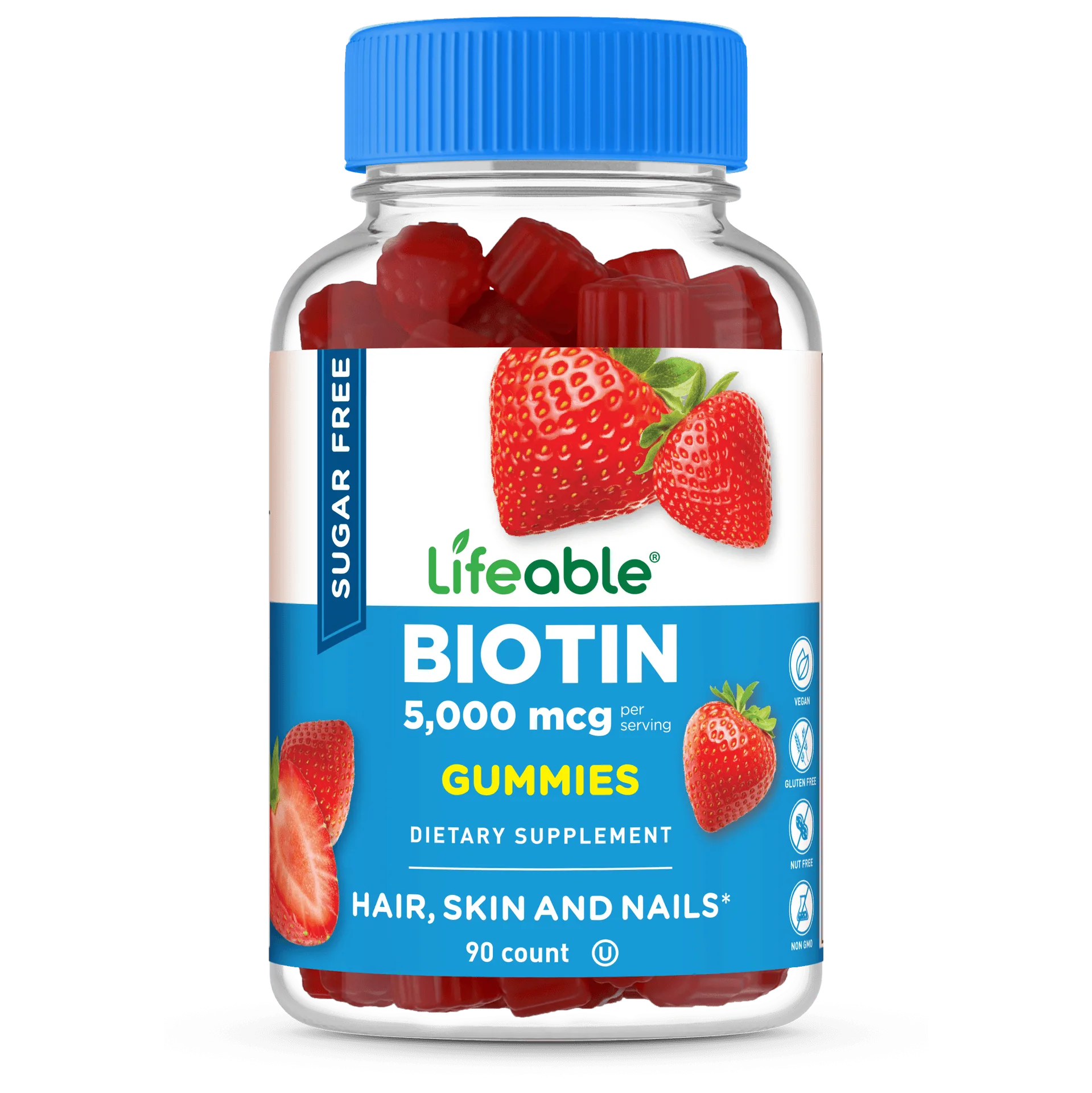
Reading sugar free gummies labels doesn’t have to be overwhelming. By focusing on serving size, carbohydrates, sweeteners, and nutrients, you can make an informed choice that aligns with your health goals. Whether you’re picking up a bottle of Sugar Free Biotin Gummies for your daily beauty routine or a Probiotic Gummies for digestive support, always take a moment to review the label. Your body will thank you for it.
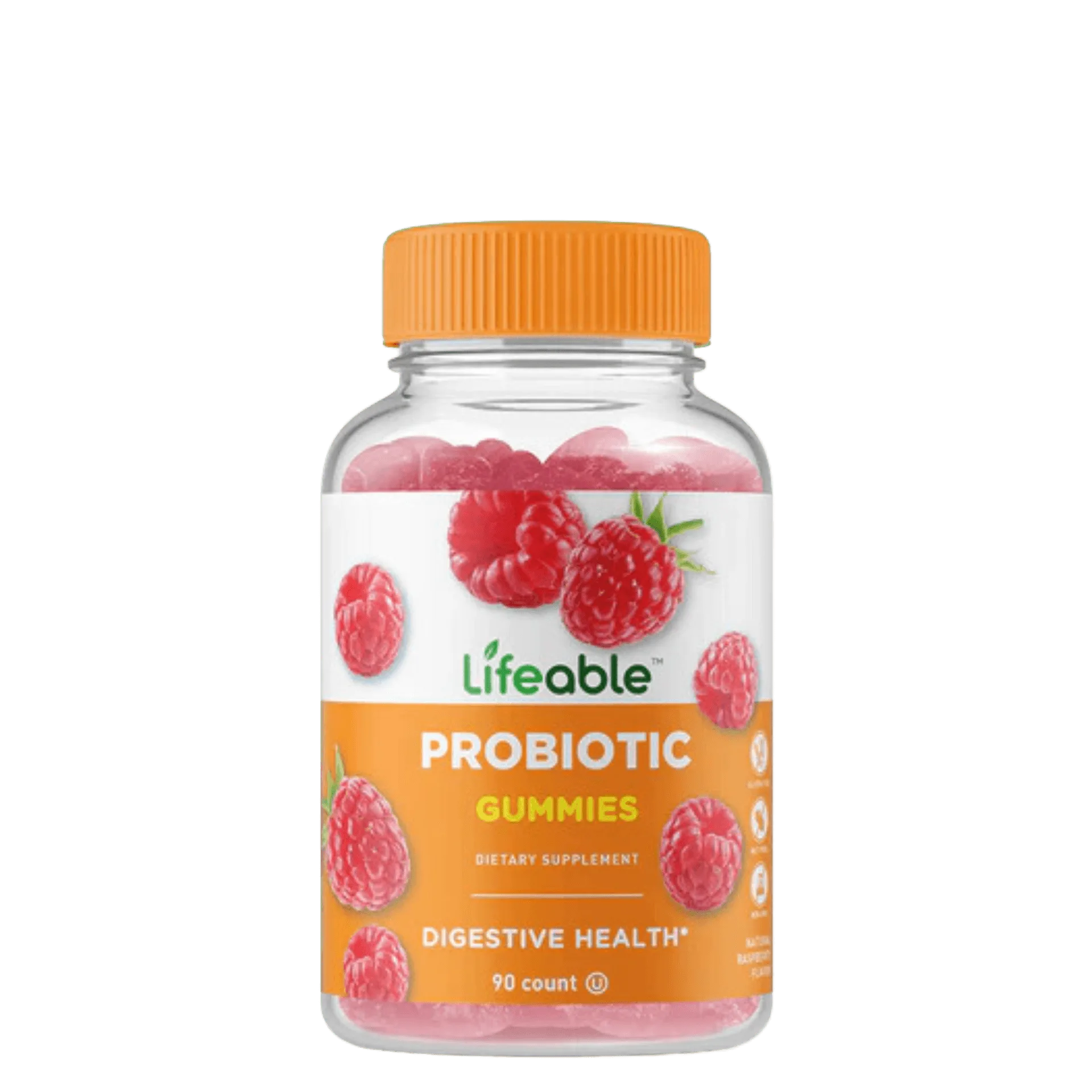
Probiotic Gummies