Walking down the supplement aisle can feel overwhelming. With countless bottles boasting various benefits, how do you know what you're really getting? The answer lies in the Supplement Facts panel – the standardized label required on all dietary supplements in the U.S. Learning to read this panel is essential for making informed decisions about your health and ensuring you choose products that align with your goals.
In this step-by-step guide, we'll break down each component of the Supplement Facts panel, from serving size and servings per container to the ingredient list and percent daily value. By the end, you'll feel confident navigating any supplement label, whether you're looking for a daily vitamin or a targeted herbal extract.
Step 1: Start with Serving Size and Servings Per Container
The first thing to look at is the 'Serving Size' – the amount you should take at one time, such as '1 capsule' or '2 gummies'. This is the foundation for all other information on the label. Next, check 'Servings Per Container' to know how long the product will last. For example, if a bottle of Apple Cider Vinegar Capsules has 60 capsules and the serving size is 1 capsule, you have 60 servings.
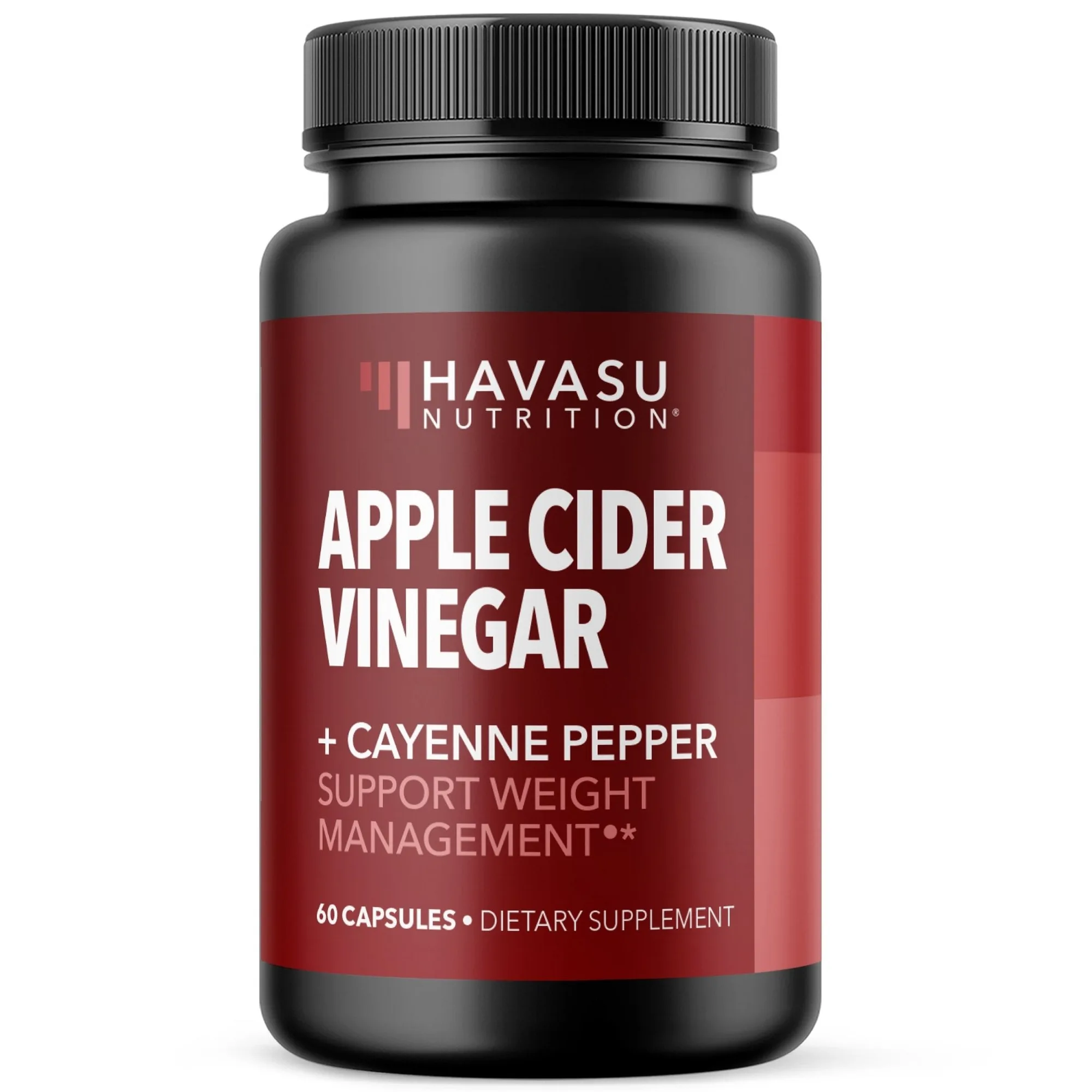
Apple Cider Vinegar Capsules
Understanding serving size is crucial because it tells you the exact amount of each ingredient your body receives per dose. It also helps you compare products: a supplement with a higher serving size may not be 'stronger' if the active ingredient concentration differs. Always compare per serving, not per bottle.
- Tip: If you need a different dose (e.g., half a serving), check if the product can be split or if the manufacturer provides guidance.
Step 2: Decode the Amount per Serving and % Daily Value
The 'Amount Per Serving' column lists the quantity of each ingredient in that single serving. For vitamins and minerals, you'll see a '% Daily Value' (%DV) – the percentage of the recommended daily intake that one serving provides. A %DV of 20% or more is considered high, while 5% or less is low. This helps you gauge whether a supplement contributes significantly to your daily needs.
For example, if you're considering Vitamin C Gummies and the label shows 250 mg of vitamin C with a %DV of 278%, you know it's a high-dose product. However, %DV is not listed for all ingredients – herbs, botanicals, and other proprietary blends often have no established daily value, so you'll see '†' indicating that daily value is not established.
- Tip: Use %DV to ensure you're not exceeding recommended intakes, especially for fat-soluble vitamins like A, D, E, and K.
Step 3: Understand the Ingredients List
Below the 'Amount Per Serving' section, you'll find the full ingredients list. Ingredients are listed in descending order by weight, so the first ingredient is the most prevalent. This list includes active ingredients, as well as excipients like fillers, binders, and natural flavors. For example, Mullein Leaf Capsules might list mullein leaf extract first, followed by the capsule material (e.g., hypromellose) and other additives.
Look for any allergens, such as soy, gluten, or dairy, and check for artificial colors or preservatives. If you prefer clean labels, choose products with minimal, recognizable ingredients. Also, note the difference between 'standardized' extracts and whole-plant powders – standardized extracts guarantee a certain level of active compounds, which can be important for efficacy.
- Tip: If you see a 'Proprietary Blend', the label only shows the total weight of the blend, not individual ingredients. This can be a red flag if you're trying to avoid certain ingredients.
Step 4: Check for Other Ingredients and Allergens
The 'Other Ingredients' section (often at the bottom) lists non-active components like magnesium stearate, silica, or natural flavors. These are generally safe, but some people prefer to avoid certain additives. Also, look for allergen statements like 'Contains: Tree Nuts' or 'Free of: Gluten, Dairy'. This is especially important for those with sensitivities.
For example, if you're choosing a supplement for your child, you might look for gummies that use natural colors and flavors. Havasu Nutrition's Turmeric & Ginger Gummies, for instance, are made with pectin (not gelatin) and natural peach flavor, making them suitable for many dietary preferences. Always read this section carefully to ensure the product fits your dietary needs.
- Tip: If you have a severe allergy, contact the manufacturer to confirm cross-contamination practices.
Step 5: Recognize Common Label Claims and What They Mean
Supplement labels often include claims like 'Non-GMO', 'Gluten-Free', or 'Third-Party Tested'. While these are helpful, they are not all regulated the same way. 'Third-Party Tested' means an independent lab verified the product's purity and potency, which adds credibility. 'Non-GMO' and 'Gluten-Free' are verified by organizations like NSF or the Gluten-Free Certification Organization.
Be cautious with 'clinically studied' or 'doctor recommended' – these terms are not strictly defined. Instead, look for specific details, such as 'contains 500 mg of extract standardized to 10% curcuminoids', which gives you concrete information. Reading the Supplement Facts panel helps you see past marketing hype and focus on what's actually in the bottle.
- Tip: When a product makes a structure/function claim (e.g., 'supports immune health'), it doesn't require FDA approval, so verify the ingredient amounts yourself.
Step 6: Put It All Together – Compare Products Like a Pro
Now that you know how to read the panel, you can compare different products effectively. Start by identifying your goal – whether it's immune support, joint health, or prostate health. Then, compare the active ingredient amounts per serving and the %DV. For example, if you're looking for a prostate supplement, compare the Saw Palmetto + Nettle & Pumpkin Seed Capsules with other options, noting the amount of each ingredient per serving.
Also consider the form of the supplement – capsules, gummies, liquids – and how that affects absorption and convenience. For instance, Black Seed Oil Liquid can be taken directly or added to food, while capsules offer a tasteless alternative. By evaluating the full label, you can choose a product that matches your needs and preferences.
- Tip: Keep a list of your target ingredient amounts and compare labels side by side to find the best value.
Mastering the Supplement Facts panel empowers you to make confident, informed choices about your health. Next time you're shopping, take a moment to read the label – it's your best tool for ensuring you're getting a quality product that meets your needs. For example, you can explore Havasu Nutrition's range of transparently labeled supplements, like the Saffron Capsules, to see these principles in action.