Quick answer
Reducing dog shedding comes down to three habits: brushing with the right deshedding tool several times a week, bathing with a gentle shampoo on a schedule that matches your dog's coat, and keeping skin and coat healthy through diet and hydration. No tool stops shedding completely, but a consistent routine can cut loose hair dramatically. Start with a quality deshedding brush and a metal curry comb for loosening undercoat, then build from there.
Shedding is normal, but the amount of fur that ends up on your floor, furniture, and clothes is not something you have to accept. Most dogs shed year-round, with heavier seasonal blows in spring and fall. The difference between a house covered in tumbleweeds and a manageable coat often comes down to routine, not luck.
This guide walks through a realistic deshedding and coat care routine you can start today. You do not need a grooming salon or a cabinet full of products. A few well-chosen tools, the right technique, and a consistent schedule will do more than any single miracle brush.
Why your dog sheds and what you can actually control
Shedding is driven by genetics, breed, season, hormones, and overall health. Double-coated breeds like Huskies and Shepherds blow coat heavily twice a year. Single-coated breeds like Poodles shed less but still lose hair. You cannot change genetics, but you can control how much loose hair stays trapped in the coat versus ending up on your floor.
The key is removing dead undercoat before it mats or falls out on its own. Regular brushing with a deshedding tool lifts that loose fur. Bathing helps release it. Good nutrition supports healthy skin so hair cycles normally. When shedding suddenly increases or comes with bald spots, itching, or dull coat, that is a vet conversation, not a grooming problem.
- Check your dog's coat type: double coat, single coat, curly, wiry, or smooth. The tool and routine change with the coat.
- A sudden increase in shedding plus skin changes is a health signal, not just a grooming issue.
Step 1: Gather the right deshedding tools
You do not need a full grooming kit, but you do need the right tools for your dog's coat. A deshedding brush or undercoat rake removes loose undercoat without cutting the topcoat. A metal curry comb, like the Decker Metal Curry Comb, is excellent for loosening dead hair and dust before you brush. It has two tooth patterns: a long side for shedding and a short side for light hair removal and dusting.
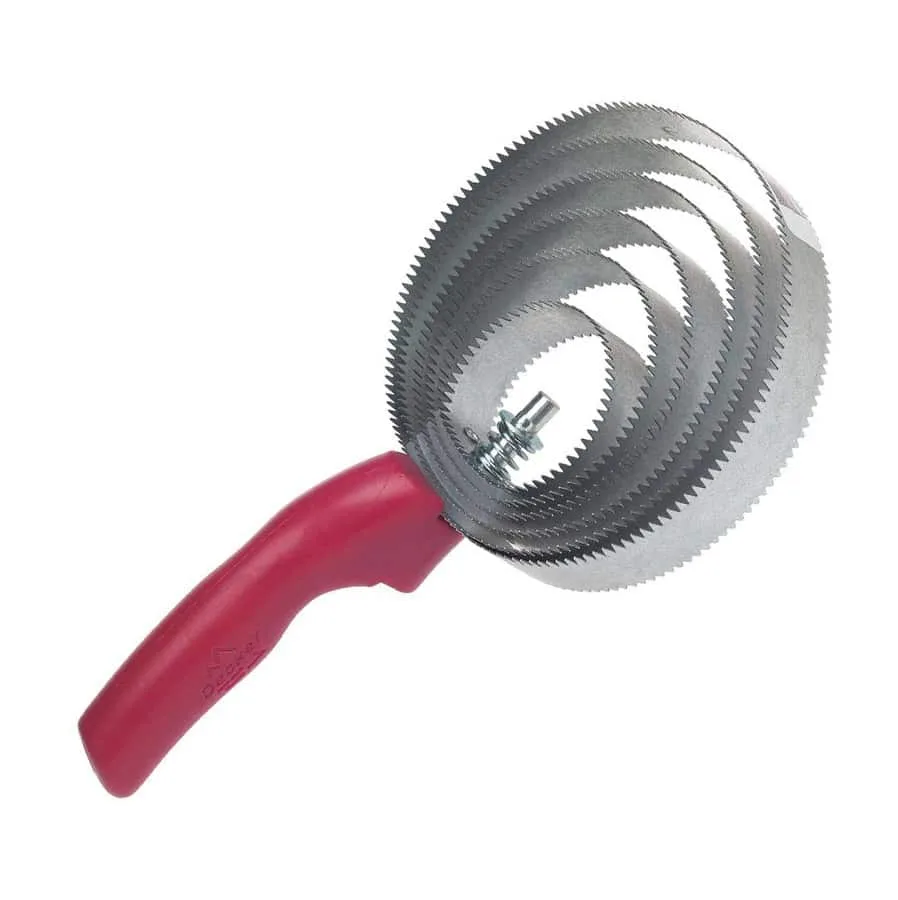
Decker Metal Curry Comb
For double-coated dogs, an undercoat rake is essential. For short coats, a rubber curry or grooming mitt may be enough. Always choose tools sized for your dog. A tool that is too small will take forever; one that is too large can be uncomfortable. If your dog has sensitive skin, start with a softer brush and work up.
- Never use a deshedding blade or rake on a dog with matted fur. It will pull and hurt. Remove mats first.
- Check the tool's teeth for sharp edges before each use. Replace worn or bent tools.
Step 2: Brush in the right order and direction
Start at the rear and work forward, or start at the head and work back. Pick one direction and be consistent. Use the curry comb first in circular motions to loosen dead hair and bring it to the surface. Then switch to your deshedding brush or undercoat rake. Work in sections, parting the coat so you can see the skin.
Use gentle, short strokes. Do not press hard. The goal is to glide through the coat and collect loose fur, not to scrape the skin. Spend extra time on the hindquarters, chest, and behind the ears, where undercoat tends to pack. A good session should take 10 to 15 minutes for a medium dog. If your dog walks away or nips, you are pushing too hard or going too long.
- Common mistake: brushing only the topcoat. You need to get down to the undercoat to make a difference.
- Checkpoint: after brushing, you should see a noticeable amount of fur in the tool, but your dog's skin should not be red or irritated.
Step 3: Bathe to release trapped undercoat
A bath does more than clean. Warm water and massage help release dead undercoat. Use a gentle dog shampoo, and work it into the coat with your fingers or a rubber curry. Rinse thoroughly. Any shampoo residue can dry the skin and increase shedding. After the bath, towel dry and brush again while the coat is still slightly damp to remove loosened fur.
How often you bathe depends on coat type and lifestyle. Once a month is fine for many dogs. Dogs with oily coats or skin conditions may need a medicated shampoo as directed by your vet. Overbathing with harsh shampoo strips natural oils and can make shedding worse, so choose a mild formula and do not scrub aggressively.
- Use lukewarm water, not hot. Hot water dries skin and can worsen shedding.
- If your dog has itchy or flaky skin, address that first. Healthy skin sheds less.
Step 4: Support coat health from the inside
No brush can fix a poor diet. Dogs need adequate protein, fat, and omega fatty acids for a healthy coat. If your dog's coat is dull, brittle, or shedding excessively, talk to your vet about whether a supplement or diet change is appropriate. Some dogs benefit from omega-3 supplements, but more is not better. Follow label directions.
Hydration matters too. Dogs that drink enough water tend to have more supple skin. If your dog is a picky drinker, a water fountain or adding water to dry food can help. Always transition to a new food gradually over 7 to 10 days to avoid stomach upset.
- Check with your vet before adding any supplement, especially if your dog takes medication.
- A sudden change in coat quality can be an early sign of a health issue. Do not ignore it.
Step 5: Control the environment to reduce loose hair
Even with a great routine, some hair will end up around your home. A few simple changes make cleanup easier. Use washable covers on beds and furniture. Vacuum or sweep high-traffic areas every few days. A lint roller near the door helps with last-minute touch-ups. For dogs that spend time in the car, a seat cover saves a lot of detailing.
If your dog has allergies or skin issues, managing those reduces shedding. An anti-itch spray like Banixx Pet Care Skin & Ear Spray can help soothe hot spots and itchy skin, which in turn reduces scratching and hair loss. Always follow label directions and consult your vet for persistent issues.
- Keep a dedicated grooming area with easy-to-clean floors.
- Wash your dog's bedding weekly during heavy shedding periods.
Your step-by-step deshedding routine
- 1. Loosen dead hair with a curry comb: Use a metal curry comb in circular motions over the whole body, focusing on the hindquarters and chest. This brings dead undercoat to the surface. Do not press hard. The comb should glide, not scrape.
- 2. Brush with a deshedding tool: Switch to an undercoat rake or deshedding brush. Work in sections, parting the coat. Use gentle strokes in the direction of hair growth. Checkpoint: you should remove a noticeable amount of fur without irritating the skin.
- 3. Bathe and rinse thoroughly: Bathe with a gentle dog shampoo, massaging it into the coat. Rinse until the water runs clear. Towel dry and brush again while damp. Common mistake: leaving shampoo residue, which can dry the skin and increase shedding.
- 4. Support skin and coat health: Feed a balanced diet, ensure fresh water, and consider a vet-approved omega supplement if your dog's coat is dull. Do not add supplements without veterinary guidance, especially for dogs on medication.
- 5. Manage the environment: Use washable covers, vacuum regularly, and keep a lint roller handy. Address any skin issues promptly with products like Banixx spray. Consistency matters more than intensity. A little every day beats a marathon session once a month.
Tools that can help with shedding and coat care
- Decker Metal Curry Comb: Reversible galvanized spring steel comb with two tooth patterns: long teeth for shedding and short teeth for dusting and light hair removal. Use the long side to lift dead undercoat before brushing, and the short side for finishing touches. It is a durable, low-cost addition to any deshedding routine.
- Banixx® Pet Care Skin & Ear Spray 8 oz: Fast-acting, anti-microbial formula that helps combat bacterial and fungal issues including hot spots, ear infections, itchy skin, ringworm, cuts, and rashes for dogs, cats, and other pets. If your dog's shedding is linked to itchy or irritated skin, soothing those issues can reduce scratching and secondary hair loss. Always follow label directions.
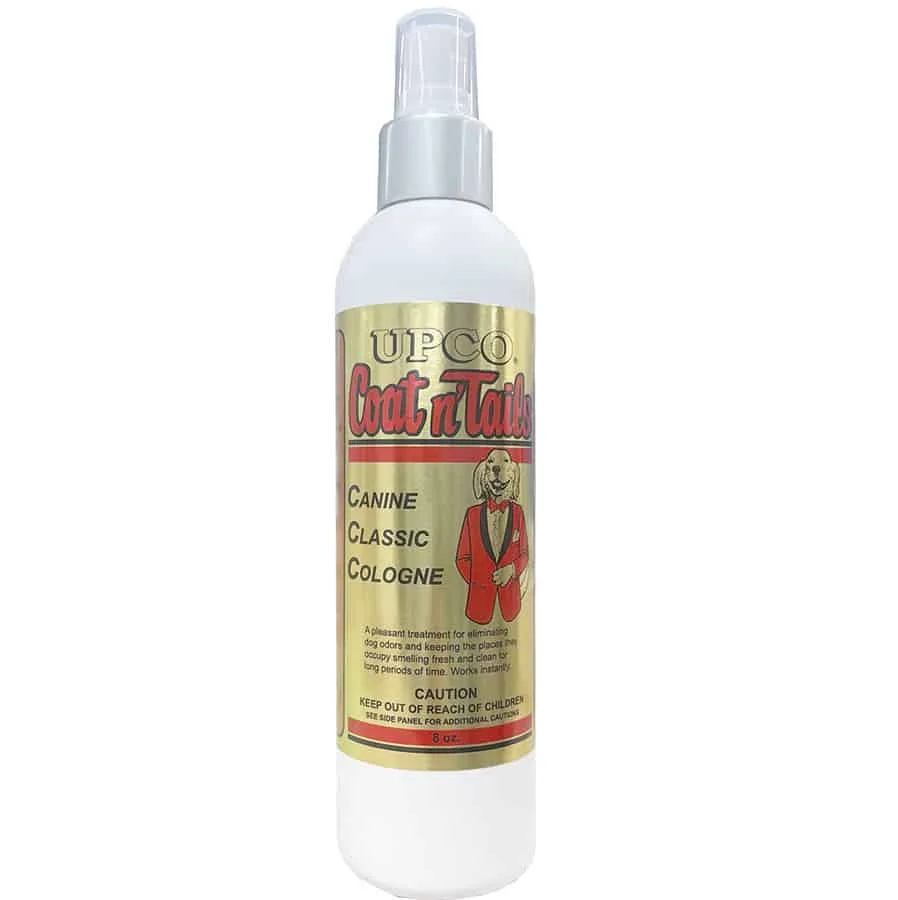
- Coat N’ Tails Canine Classic Dog Cologne 8 oz: Long-lasting grooming spray that helps eliminate dog odors and leaves a clean, pleasant fragrance. Trusted by groomers for decades. A quick spritz between baths keeps your dog smelling fresh, especially when you are brushing more often during shedding season.
Reducing shedding is a routine, not a one-time fix. Brush several times a week with the right tools, bathe on a sensible schedule, and keep your dog's skin healthy. Start with a quality curry comb and a deshedding brush, and adjust as you learn what your dog's coat responds to. If shedding is extreme or accompanied by skin problems, see your vet.