Quick answer
Most Litter-Robot odor comes from the waste drawer, not the globe. Empty the drawer before it's full, use a clumping litter the unit is designed for, and let the cycle finish before you add anything. If the smell persists after those three steps, the cause is usually the litter itself, the room's airflow, or a medical issue rather than the machine.
You bought a self-cleaning litter box so you'd stop thinking about the litter box. Instead, you're standing in the hallway trying to figure out where that smell is coming from. That's frustrating, and it's also fixable, because a Litter-Robot produces a fairly small set of distinct odors, and each one points to a specific cause.
This guide works like a diagnosis. Match what you're smelling to the likely source, apply the fix, and know when the honest answer is that no automatic box will solve your particular problem.
Start with the waste drawer, not the globe
The globe gets the attention because it's the part you see cycling, but the drawer is where odor actually accumulates. Every cycle drops waste and clumps into a sealed compartment, and that compartment holds odor until you empty it. If you're stretching the drawer to its maximum capacity, you're giving waste more time to sit and more surface area to smell.
Empty the drawer on a schedule tied to your cat count, not to how full it looks. One cat fills it far more slowly than three. When you do empty it, check the drawer's sealing surfaces and the liner for residue, because a thin film of urine on plastic will keep producing odor even after the solids are gone.
- Empty before the drawer is packed to the top; a full drawer has less air space to buffer odor.
- Wipe the drawer and its gasket with a pet-safe enzymatic cleaner, then let it dry fully before reinstalling.
- If you use a liner, replace it rather than rinsing and reusing it.
Ammonia smell means litter, not the machine
A sharp, urine-like ammonia smell that appears within a day or two of fresh litter is almost always a litter problem. Ammonia comes from urine breaking down, and a litter that doesn't clump tightly or neutralize well will release it quickly. Litter-Robot units are designed around clumping litter, so a non-clumping or crystal-only litter can both smell worse and cycle poorly.
Switch to a quality clumping litter and give it a full week before judging. If the ammonia fades but returns fast, increase how often you top off the litter bed. A shallow litter level means urine reaches the bottom of the globe instead of forming a removable clump.
- Keep the litter at the fill line marked inside the globe.
- Add litter after cycles rather than waiting for a low-litter alert.
- Avoid scented litters that mask ammonia instead of controlling it.
Odor that follows your cat around the house
If the box itself smells fine but you notice odor on your cat, on bedding, or near where your cat sleeps, the litter box is probably not the source. Cats that step in urine or soft stool, or that have dirty rear ends, carry that smell with them. That's a health signal, not a maintenance signal.
This is the point where you should stop troubleshooting the machine and call your veterinarian. Persistent odor on the cat, straining in the box, or stool changes are medical questions, and no amount of cleaning, litter swapping, or accessory upgrades will resolve them.
- Note whether the smell is on the cat versus in the room.
- Track litter box visits if you have an app-connected model, since changes in frequency are useful information for your vet.
- Don't add deodorizers to address a health symptom.
Room smell that lingers even when the box is clean
Sometimes the box is genuinely clean and the room still smells. That's usually airflow and absorption. Litter boxes in closed closets, tight corners, or small bathrooms trap odor against surfaces. Moving the unit even a few feet, or adding a small air circulator nearby, often does more than any additive.
Placement also matters for the machine itself. Give the unit clearance on all sides so it can cycle freely and so air can move around the drawer. If you want the box out of sight, a piece of furniture designed around it keeps airflow and access intact instead of boxing the unit into a cabinet.
- Avoid sealing the unit inside a tight cabinet with no ventilation.
- Wash the surrounding floor and baseboards, since odor clings to nearby surfaces.
- Replace carbon filters on the schedule your model recommends.
Odor that appears only after a change
New kitten, new cat, new litter brand, new room, new cleaning product. Odor that starts right after a change is usually a reaction to that change. Cats that feel uncertain about a box may eliminate outside it or avoid it, and both produce smell that looks like a machine failure.
Go back to what worked, then reintroduce changes one at a time. If you added a second cat, expect the drawer to fill faster and the box to need more frequent attention. Capacity expectations scale with the number of cats, not with the price of the unit.
- Revert the most recent change and wait a week.
- Keep the same litter type for at least two weeks before evaluating.
- Add a second box if you have multiple cats and recurring odor.
Odor diagnosis: match the smell to the fix
- Smell is strongest at the drawer: Waste is sitting too long or the drawer surfaces have residue. Empty more often, clean the drawer and gasket with an enzymatic cleaner, and check that the drawer seats fully. If the smell drops sharply right after emptying, the machine is working; your schedule is the variable.
- Sharp ammonia within a day or two of fresh litter: The litter isn't clumping or neutralizing well, or the litter level is too low. Switch to a quality clumping litter, refill to the marked line, and give it a week. If ammonia persists with good litter at the right depth, the issue is likely the cat's urine volume or health, not the box.
- Odor on the cat or on bedding: This is a health or hygiene signal rather than a litter box maintenance problem. Stop swapping products and contact your veterinarian. No accessory, litter, or cleaning routine fixes a medical cause. Stop here and get advice.
- Clean box, lingering room smell: Airflow and placement are the likely causes. Increase clearance around the unit, improve ventilation, wash nearby surfaces, and replace filters on schedule. If the room still smells after airflow and surface cleaning, the box may be in the wrong room entirely.
- Odor started after a change: New cat, new litter, new location, or new cleaner. Revert the most recent change, wait a week, then reintroduce one variable at a time. If a multi-cat household still smells after reverting changes, you likely need a second box rather than a different machine.
Where the bundles fit into odor control
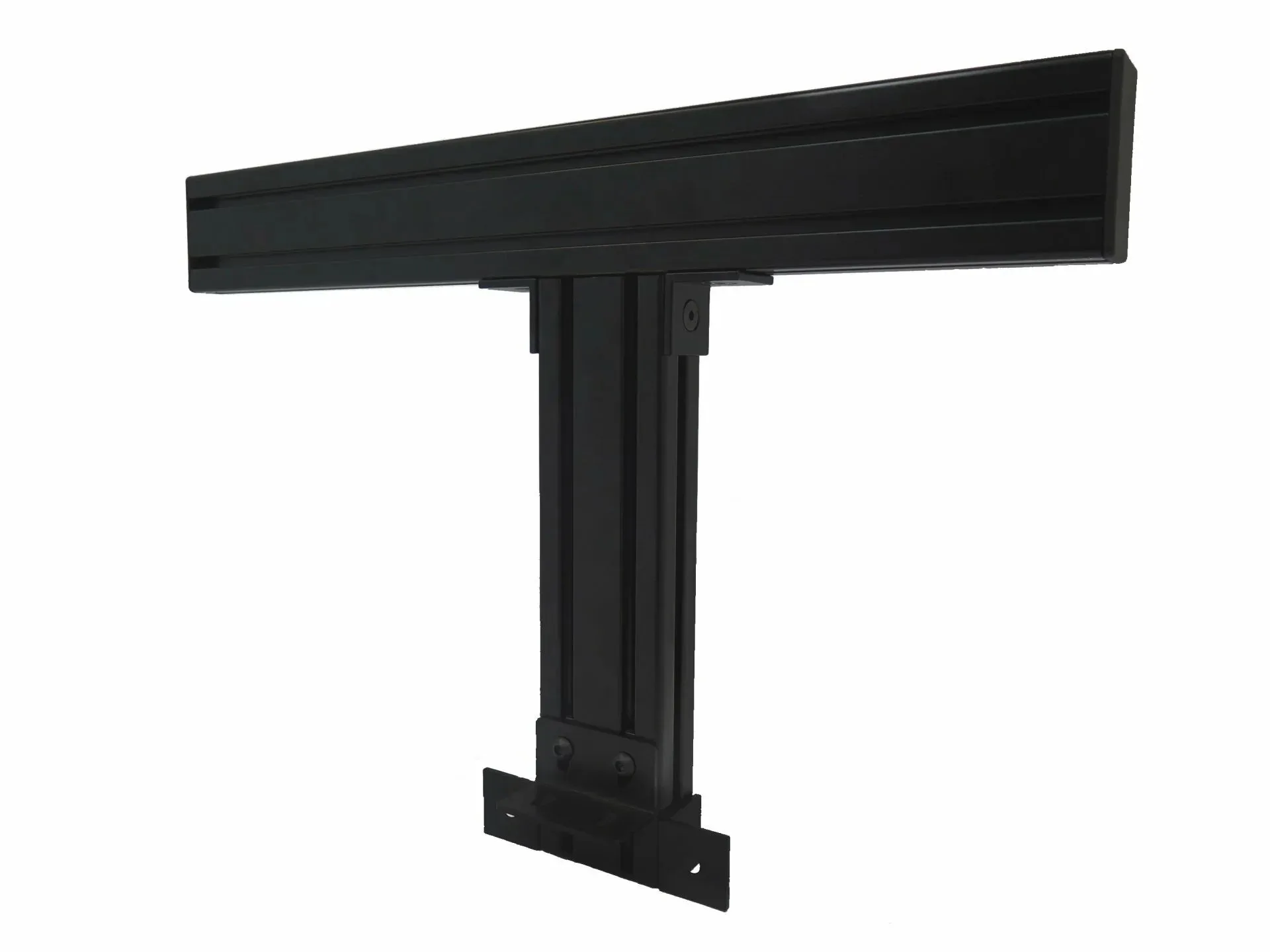
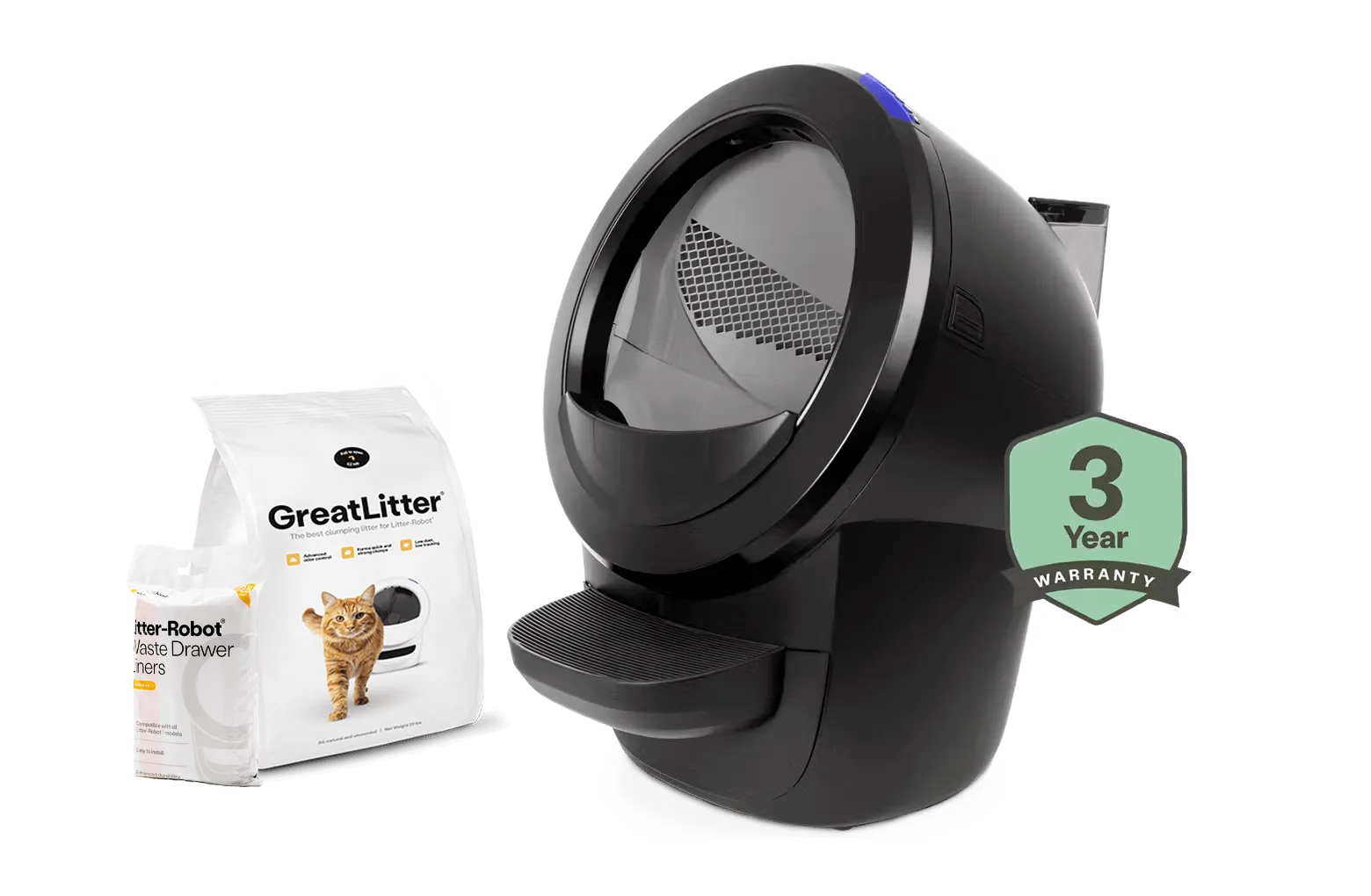
- Litter-Robot® 4 LitterHopper Bundle: The bundle pairs the Litter-Robot 4 with the LitterHopper, so you can say goodbye to scooping and refilling cat litter. Consistent litter depth is one of the simplest ways to prevent ammonia odor, and the LitterHopper is intended to help with refilling so the litter bed doesn't run shallow between cycles.
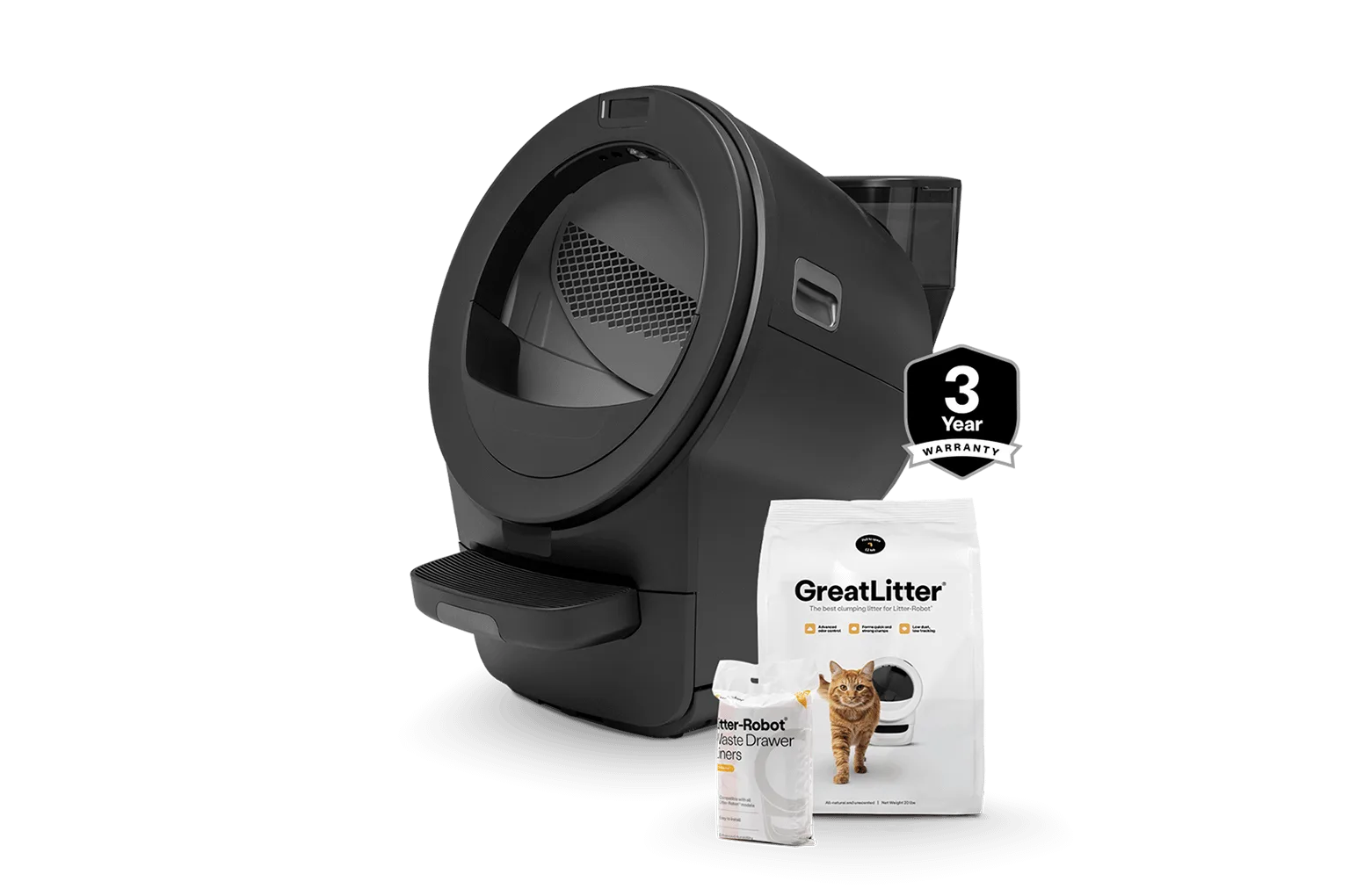
- Litter-Robot® 5 LitterHopper Bundle: Litter-Robot 5 is described as the most advanced self-cleaning litter box, paired with LitterHopper to reduce scooping and refilling. If you want the newest platform plus automatic litter top-offs, this is the bundle that addresses both the cleaning and the litter-level side of odor control.
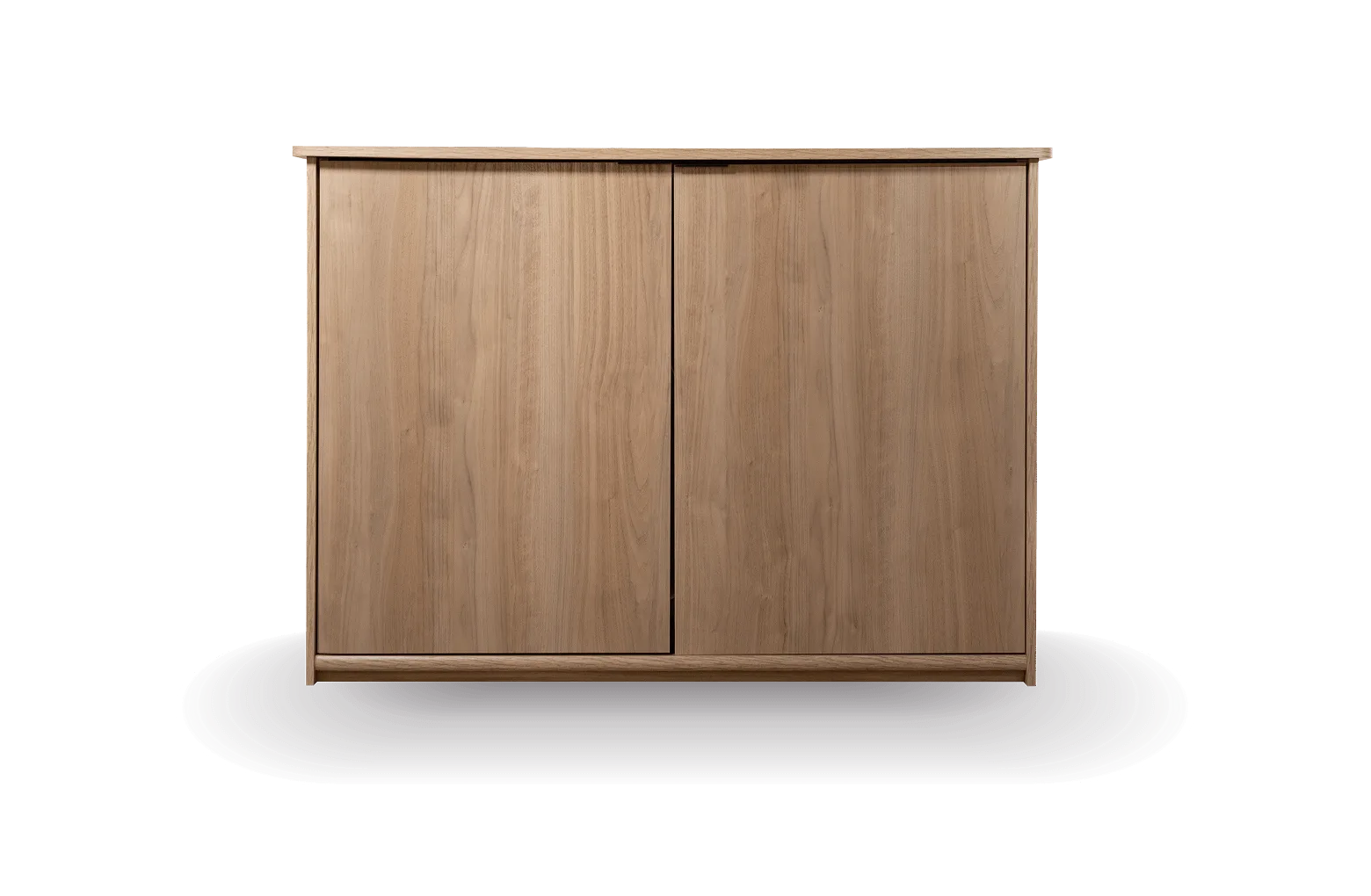
- Litter-Robot Credenza: Crafted with a modern furniture design, the Litter-Robot Credenza discreetly conceals your Litter-Robot while elevating your space with thoughtful functionality. Concealment helps with visual clutter and room aesthetics, but it only helps odor if the unit still has the clearance and airflow it needs to cycle and vent properly.
Work the diagnosis in order: drawer, litter, cat health, room airflow, recent changes. Most Litter-Robot odor resolves in the first two steps, and the cases that don't are usually about the cat or the room rather than the machine.