There's nothing quite like the aroma of freshly baked bread, but when you're gluten-free, that moment can feel fleeting. Gluten-free baked goods have a notorious tendency to dry out and become crumbly, especially after a day or two in the pantry. But don't despair—with the right reheating techniques, you can revive your favorite loaves, biscuits, and even donuts to their just-baked glory.
Whether you're working with a store-bought loaf or a homemade creation from a trusted mix, knowing how to reheat gluten-free bread properly is a game-changer. In this guide, we'll explore the science behind why gluten-free baked goods dry out, share practical reheating methods for different types of treats, and offer storage tips to extend freshness. Say goodbye to sad, crumbly bread and hello to soft, warm slices every time.
Why Gluten-Free Baked Goods Dry Out Faster
Gluten-free flours, such as rice, tapioca, and potato starch, behave differently than wheat flour. They lack the elastic gluten network that traps moisture and provides structure. As a result, gluten-free breads and baked goods tend to stale more quickly, becoming dry and brittle within a day or two.
Additionally, many gluten-free recipes rely on gums like xanthan gum to mimic gluten's binding properties. While these help create a soft crumb, they don't retain moisture as effectively over time. Understanding this can help you adjust your reheating and storage methods to combat the inevitable drying process.
- Gluten-free baked goods have a shorter shelf life than their wheat-based counterparts.
- Moisture loss is accelerated due to the lack of gluten network.
- Proper storage and reheating techniques are essential to maintain texture.
The Best Reheating Methods for Gluten-Free Bread
When it comes to reheating gluten-free bread, the goal is to add moisture back without making it soggy. The oven method is a classic choice. Preheat your oven to 350°F (175°C), wrap the bread in aluminum foil, and heat for 10-15 minutes. The foil traps steam, which helps soften the crust and interior.
For a quicker option, the microwave works well—especially for individual slices. Place a slice on a microwave-safe plate, cover with a damp paper towel, and heat for 20-30 seconds. The moisture from the towel will create steam, reviving the bread's softness. Be careful not to overheat, as gluten-free bread can become rubbery.
Another effective technique is using a skillet or griddle. Heat a non-stick pan over medium heat, place the bread slices in the pan, and cover with a lid for 2-3 minutes. This method adds a slight crispness to the exterior while keeping the inside moist.
- Oven: Wrap in foil and heat at 350°F for 10-15 minutes.
- Microwave: Use a damp paper towel and heat for 20-30 seconds.
- Skillet: Cover and heat on medium for 2-3 minutes for a crispy exterior.
Reheating Specific Gluten-Free Baked Goods
Different baked goods require slightly different approaches. For biscuits, like those made from our Gluten-Free Buttermilk Biscuits Mix, the oven method works beautifully. Split them open and place them on a baking sheet, cut side up, and warm for 5-7 minutes at 350°F. This revives their flaky texture without drying them out.

Gluten-Free Buttermilk Biscuits Mix
Donuts and other sweet treats, such as our Gluten-Free Mini Chocolate Donut Mix, are best reheated in the microwave for 10-15 seconds. This quick burst of heat softens the crumb and melts any glaze, making them taste freshly made. For a more indulgent experience, try an air fryer at 300°F for 3-4 minutes—it adds a delightful crispness.

Gluten-Free Mini Chocolate Donut Mix
If you have a pizza crust or other savory items, like our Gluten-Free Classic Pizza Dough Mix, reheat in a preheated oven at 375°F for 5-8 minutes directly on the rack. This ensures a crispy crust without becoming tough.
- Biscuits: Oven at 350°F for 5-7 minutes.
- Donuts: Microwave for 10-15 seconds or air fryer at 300°F for 3-4 minutes.
- Pizza crust: Oven at 375°F for 5-8 minutes.
Storage Tips to Keep Gluten-Free Baked Goods Fresh Longer
Prevention is the best cure. Proper storage can significantly extend the life of your gluten-free baked goods. Store bread and muffins in an airtight container at room temperature for up to 3 days. For longer storage, wrap them tightly in plastic wrap and place in the freezer—they can last for up to 3 months.
When freezing, slice bread before freezing so you can thaw only what you need. To thaw, simply leave slices at room temperature for 15-20 minutes or use the toaster for a quick warm-up. Avoid refrigerating gluten-free bread, as the cold environment accelerates staling.
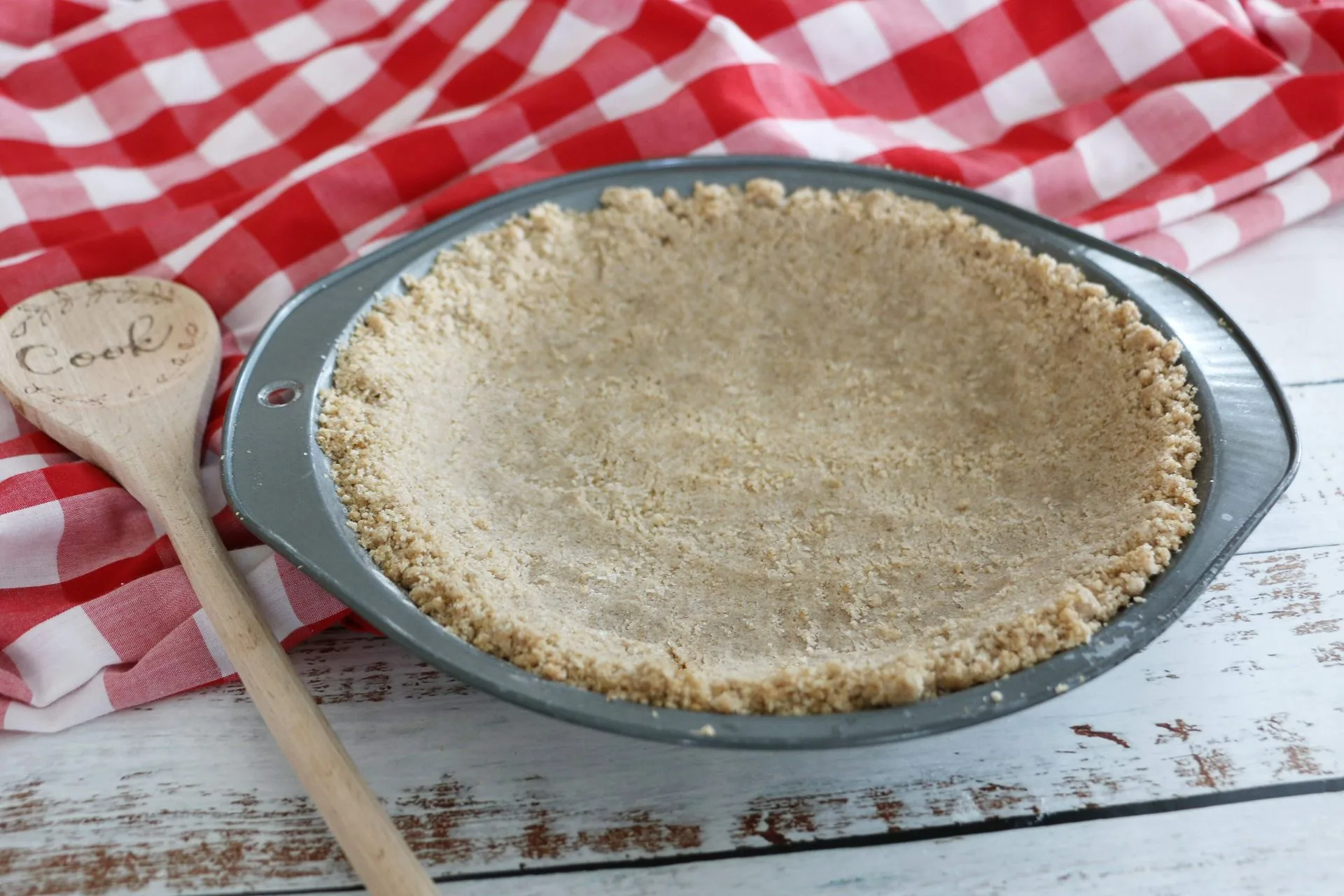
For mixes like our Simple! Gluten-Free Graham Cracker Crust Mix, once baked, the crust can be stored in the fridge for up to a week if covered. This helps maintain its crispness for pies and cheesecakes.
- Store at room temperature in an airtight container for up to 3 days.
- Freeze in slices for up to 3 months—thaw as needed.
- Avoid refrigeration to prevent staling.
Common Mistakes to Avoid When Reheating
One common mistake is overheating gluten-free bread, which causes it to become dry and hard. Always start with the shortest recommended time and add more if needed. Another pitfall is reheating without any moisture source—dry heat will only worsen the texture.
Also, avoid using a toaster for thick slices of gluten-free bread, as they may not heat through evenly. Instead, use the oven or microwave with a damp towel. Finally, don't reheat gluten-free baked goods more than once, as repeated heating will ruin their texture.
- Start with short heating times and adjust.
- Always add moisture (foil, damp towel, or water spritz).
- Don't reheat more than once.
Reheating gluten-free bread and baked goods doesn't have to be a gamble. With the right methods and a little care, you can enjoy soft, delicious treats every time. Whether you're warming up a slice of bread, a biscuit, or a donut, these tips will help you preserve that just-baked goodness. For the freshest start, explore our range of gluten-free mixes, like the Gluten-Free Buttermilk Biscuits Mix, and bake a batch today—then use these reheating tricks to make every bite count.