Quick answer
Act while the residue is still warm: scrape off what you can, then press the area with a clean cotton cloth and a hot iron to lift the adhesive. For your iron, run it warm over a scrap of cotton or a dryer sheet to pull off sticky buildup. If the fabric is delicate, coated, or the residue has already been pressed in hard, stop and test a hidden corner first.
Fusible bonding web is supposed to disappear into a hem, not leave a shiny, stiff patch on your fabric or a gummy film on your iron. When it does, the fix depends on how much heat and pressure the residue has already seen.
This guide separates the symptom from the cause, gives you corrective steps that work on most washable fabrics, and tells you when to stop before you trade a small residue spot for a permanent mark.
Symptom: sticky film, stiff patch, or shiny mark
Residue from fusible bonding web usually shows up in one of three ways. On fabric, you may see a stiff, slightly shiny patch where the web was pressed, or a tacky film that grabs lint. On the iron, you may see a brown or clear glaze on the soleplate that transfers to the next project. On the ironing board cover, you may feel a waxy buildup.
The symptom tells you where to start. A tacky film on fabric often lifts with heat and a clean cloth. A hard, shiny patch means the adhesive has fully melted into the fibers and may not come out completely. A glazed soleplate needs cleaning before it contaminates other fabric.
- Test any removal method on a hidden seam allowance or inside hem first.
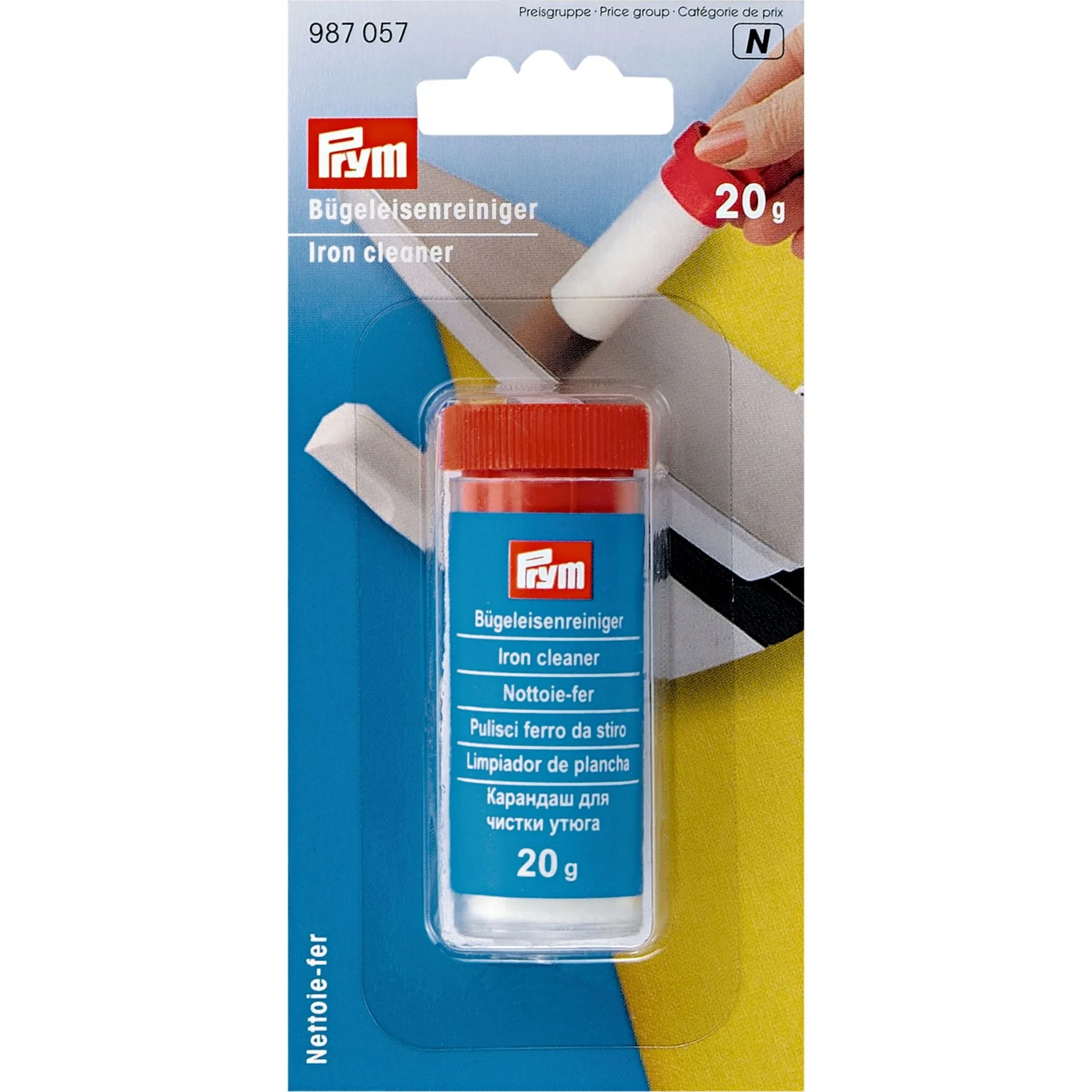
- Work in a well-ventilated area if you use a commercial https://prymamerica.com/products/987057-b26aef0bf8e392f305f86a99-1316265iron cleaner.
Likely cause: too much heat, too little protection, or the wrong web
Most residue problems come from one of three causes. First, the iron was set hotter than the web's instructions allowed, which pushes adhesive deeper into the fabric. Second, you pressed directly on the web without a pressing cloth, so melted adhesive transferred to the soleplate. Third, you used a heavy-duty web on a lightweight or heat-sensitive fabric.
Fusible bonding web is a no-sew adhesive, not a permanent bond in every material. It works best on washable, medium-weight fabrics that can take medium to high heat. On delicate fabrics, coated fabrics, or fabrics with a pile, the web may never fully disappear. If your fabric falls into those groups, consider sewing or a different hemming method instead.
- Always use a pressing cloth between the iron and the web.
- Check the web's temperature guidance before you press, not after.
Corrective action: remove fusible web residue from fabric
Start while the fabric is still warm but not hot enough to burn. Scrape off any raised adhesive with a dull knife or the edge of a spoon. Then place the stained area face down on a clean, absorbent cloth, cover it with a second clean cloth, and press with a warm iron. The adhesive may transfer into the cloth. Lift the cloth and check. Repeat with a fresh section of cloth until no more transfers.
If heat alone does not work, try a small amount of isopropyl alcohol on a cotton swab, working from the outside of the stain inward. Blot, do not rub. For washable fabrics, a warm water rinse with a little dish soap can remove surface tack. Let the fabric air dry and check the spot before you press it again.
- Never iron over a residue spot without a pressing cloth; you will set it further.
- If the fabric is dry-clean only, take it to a cleaner rather than experimenting.
Corrective action: clean iron from fusible web
Let the iron cool until it is warm, not hot. Run the warm soleplate over a scrap of clean cotton fabric or a dryer sheet to pull off sticky residue. For a heavier glaze, use a commercial iron cleaner made for soleplates, following the package directions. Avoid abrasive pads or knives on the soleplate; they scratch the finish and make future sticking worse.
If your iron has a nonstick or ceramic soleplate, check the manufacturer's cleaning guidance first. Some coatings are damaged by harsh cleaners. After cleaning, press a scrap of white cotton to confirm no residue transfers before you use the iron on a project.
- Clean the soleplate before it cools completely; warm residue lifts more easily.
- Do not use steel wool or a metal scraper on any soleplate.
When to stop and choose another option
Stop if the fabric is velvet, corduroy, faux fur, coated, or labeled dry-clean only. Stop if the residue has been pressed in hard and repeated heat-and-lift cycles are not improving it. Stop if you see color loss, a scorch mark, or the fabric surface has become shiny and stiff after cleaning.
At that point, your practical options are to cover the area with a patch, re-hem by sewing, or replace the garment. For future projects, switch to a lighter web, lower your iron temperature, and always use a pressing cloth. A small test on scrap fabric takes a minute and saves the whole project.
- If two attempts do not lift the residue, more heat usually makes it worse.
- For heavy or heat-sensitive fabrics, sewing is often the more reliable finish.
Residue diagnosis: match the symptom to the fix
- Tacky film on fabric: Adhesive has softened but not fully bonded. Scrape gently, then press face down over a clean cloth with a warm iron to transfer the residue. Usually removable on washable, medium-weight fabric.
- Hard, shiny patch on fabric: Adhesive has melted deep into the fibers. Heat-and-lift may reduce it, but complete removal is unlikely without damaging the fabric surface. Stop after two attempts; cover, sew, or replace instead.
- Glaze on the iron soleplate: Melted web transferred to the iron. Clean while warm with a scrap of cotton or a dryer sheet, then use a commercial soleplate cleaner if needed. Clean before your next project so residue does not transfer.
- Residue on delicate or coated fabric: These materials cannot take the heat or solvents that remove fusible web. Do not experiment on the visible area. Choose another hemming method or take the item to a professional cleaner.
Tools that help with fusible web cleanup
- 1/4" Wash-A-Way Wonder Tape, White: A wash-away wonder tape that can hold seams or trims in place before sewing, then dissolve in water. Useful when you want temporary hold without the residue risk of a heat-set fusible web, especially on fabrics you plan to wash.
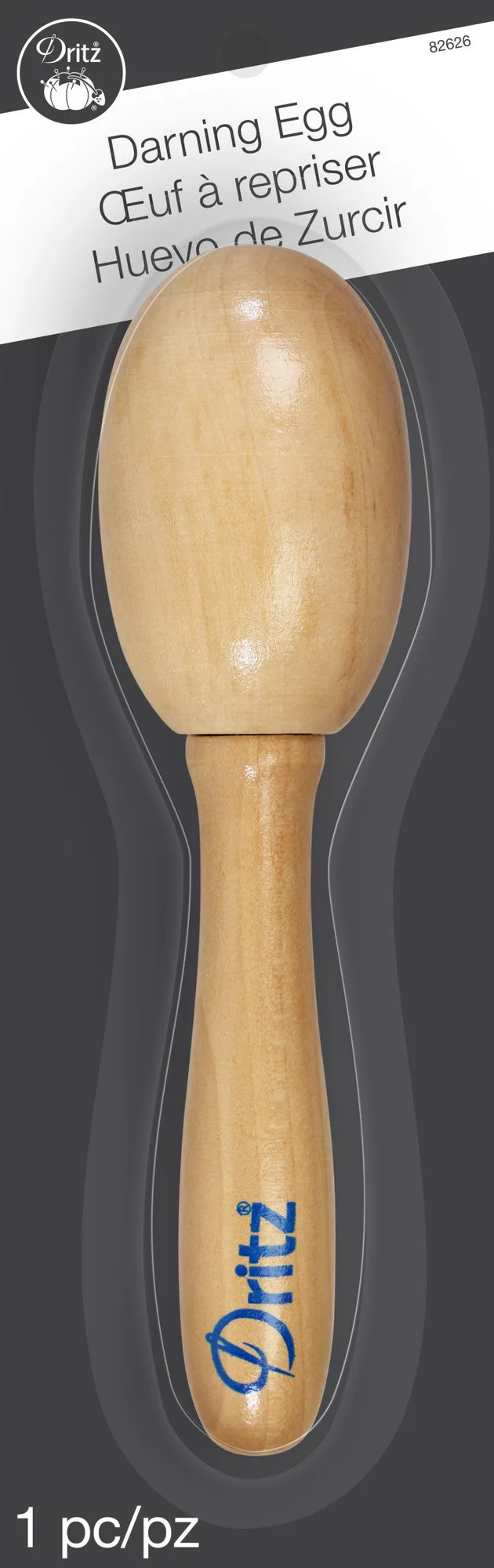
- https://prymamerica.com/products/82626-f93472b2cc42d7f2c20b2641-1315810Wooden Darning Egg: Dritz Clothing Care Darning Egg's size and shape help make repairing socks, gloves, mittens, sweaters, pillows and other knitted/woven fabrics easier. It features two-piece construction for use with or without handle and a comfortable grip. If fusible web cleanup fails on a knit and you decide to repair by hand, a darning egg gives you a firm surface that keeps stitches even.
Fusible web residue is easiest to remove while it is fresh and warm, so deal with it before you press the project again. Work gently, test first, and know when to stop. If the fabric or the bond is too far gone, sewing or a patch is a better outcome than a scorched hem.