Quick answer
Peel-off base coat removal should be a gentle lift, not a rip. Wait until the polish starts to lift at an edge, then peel slowly at a low angle. Never force it. If it resists, stop and use a drop of cuticle oil or warm water to help it release. This keeps your natural nail plate intact.
Why peel-off removal sometimes goes wrong
Peel-off base coats are designed to release cleanly, but only when the polish layer is thick enough and the base coat has fully dried. If you apply polish too thin or peel before the base coat sets, it can flake and take surface nail cells with it. The goal is to let the base coat do the work, not your fingernails.
A peel-off manicure lasting longer is often a matter of preparation, not luck. Buffing the nail plate too aggressively or skipping dehydrating steps can cause the base coat to bond unevenly, leading to patchy removal. Keep the nail surface smooth but not stripped.
When to remove and when to wait
Wait for a natural lift. If the polish is still fully adhered after several days, do not pry it. Instead, soak your fingertips in warm water for a minute or two, then try again. For stubborn spots, apply a drop of cuticle oil at the edge and let it sit for 30 seconds. This softens the adhesive without harsh solvents.
If you are rough on your hands or want a manicure that survives dishwashing and typing, peel-off base coat may not be the right choice for that week. Use it when you plan to change polish often or want quick nail art changes.
Step-by-step: gentle peel-off removal
- Start at a lifted edge: Find a corner that has already started to lift on its own. Do not create a lift with a tool. If no edge is lifting, soak in warm water for one minute. Checkpoint: if you have to dig, stop and soak.
- Peel slowly at a low angle: Grip the lifted edge and pull it back toward the cuticle in one slow, steady motion. Keep the polish close to the nail surface. Do not pull upward or sideways. Mistake to avoid: yanking upward can tear the nail plate.
- Pause if it resists: If the polish stops peeling, do not force it. Apply a drop of cuticle oil or warm water at the stuck spot, wait 30 seconds, then resume peeling. Checkpoint: resistance means the base coat is still bonded.
- Remove leftover bits with oil: For small flakes that remain, rub them away with a cotton pad and a little cuticle oil. Avoid acetone unless you are removing traditional polish. Mistake to avoid: scrubbing with acetone defeats the purpose of peel-off base coat.
- Finish with cuticle oil: After removal, massage cuticle oil into the nail and surrounding skin. This restores moisture and keeps the nail flexible for your next manicure. Next step: wait at least an hour before applying a new base coat.
Product facts
- Peel You Later Peel-Off Base Coat: Peel You Later Peel-Off Base Coat is designed for effortless removal—just peel and go. It is not a long-lasting base coat, and it requires no scrubbing or soaking. This base coat is ideal for quick changes or short-term wear, so you can skip acetone and reduce nail stress. It also means you should not expect week-long wear.
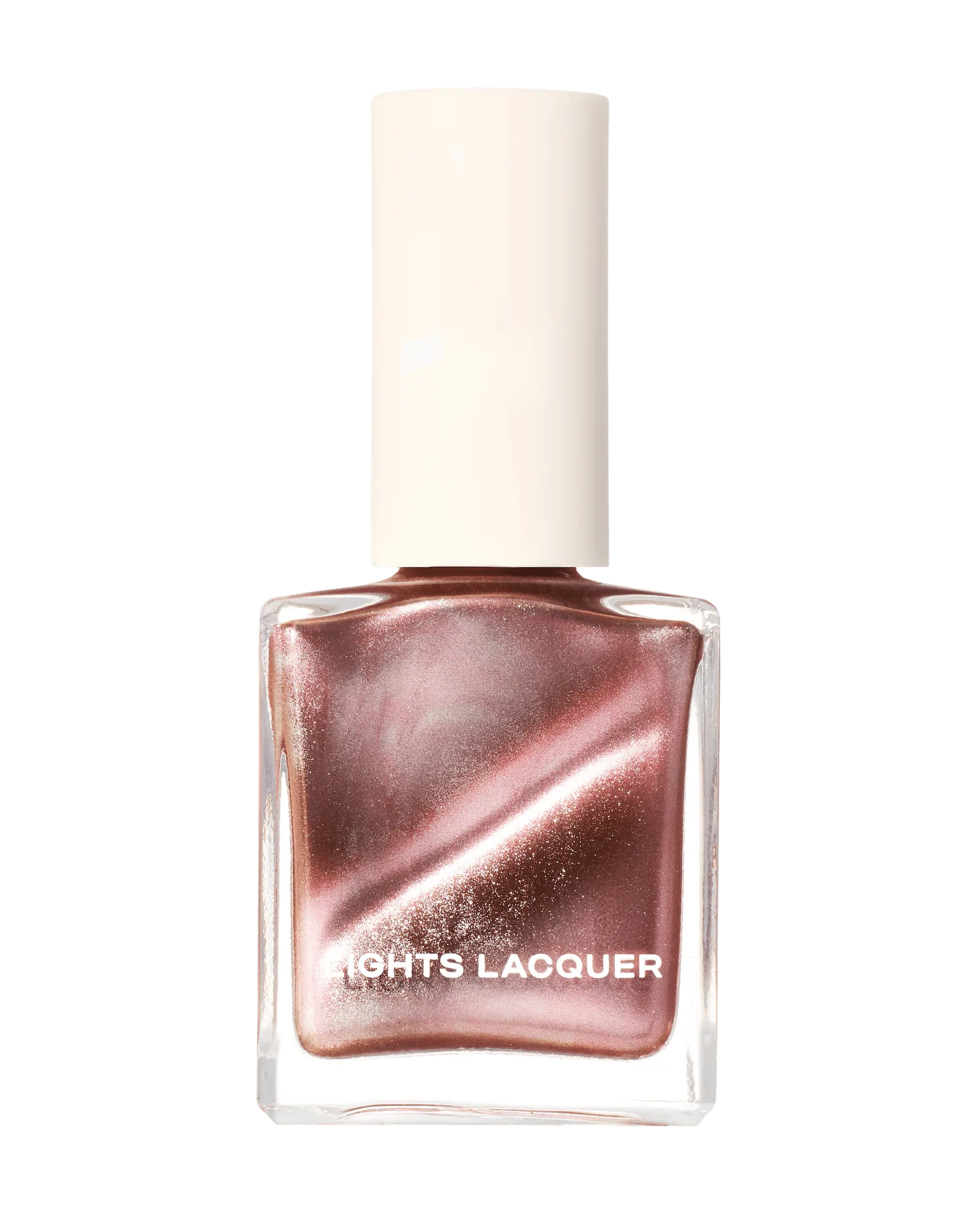
- Witchling: Witchling is a rose gold nail polish with fine silver and rose gold pigment and a magnetic finish. Magnetic polishes can be thicker, so apply thin coats over peel-off base coat and let each coat dry fully to avoid a gummy peel.
- Extra Dirty: Extra Dirty is an olive-green nail polish with a subtle creme finish and a single-SKU formula for consistent color. Creme formulas tend to self-level, making them a good choice over peel-off base coat because they dry evenly and peel in fewer pieces.