Quick answer
Most sticky residue on vinyl toys is plasticizer migration or leftover sticker and tape glue. Start with the gentlest method: warm water, a drop of mild dish soap, and a soft microfiber cloth. If that fails, try isopropyl alcohol on a hidden spot first, then move to a commercial adhesive remover only if the paint is sealed and you accept the risk. Stop immediately if paint lifts, the surface dulls, or the vinyl feels tacky again after drying.
Why vinyl gets sticky in the first place
Vinyl figures contain plasticizers that can migrate to the surface over time, especially in warm, humid conditions or when the toy is stored in a sealed bag without airflow. The result is a tacky film that attracts dust and lint. This is different from glue residue left by tape, price stickers, or packaging. Resin figures rarely develop plasticizer migration, but they can still hold adhesive from labels or display putty.
Because the cause changes the fix, identify the source before you treat it. If the stickiness is uniform and slightly oily, it is likely plasticizer. If it is localized, gummy, and has a visible edge, it is probably adhesive. Treating the wrong problem can spread residue or dull the finish.
Step-by-step: clean a vinyl toy surface without ruining the paint
Work in a well-lit area and keep a dry cloth nearby. Never soak a figure or submerge it in water, because moisture can get into joints, hollow parts, or the seam between paint and vinyl. Use a light touch and let the solvent do the work rather than scrubbing.
After cleaning, let the figure air-dry completely before handling or storing it. If the surface still feels tacky after drying, the plasticizer has not been fully removed and another gentle pass may help. If the paint becomes soft, cloudy, or lifts at an edge, stop. That is a sign the solvent is attacking the finish, and further cleaning will cause permanent damage.
- Mix a few drops of mild dish soap in a bowl of lukewarm water.
- Dampen a soft microfiber cloth and wring it out so it is not dripping.
- Wipe the sticky area gently in one direction, turning the cloth to a clean side as it picks up residue.
- For adhesive residue, hold the damp cloth against the spot for 30 seconds to soften the glue, then wipe.
- If residue remains, dip a cotton swab in 70% isopropyl alcohol and test on an inconspicuous area such as the bottom of a foot or the back of a base.
- If the test area looks fine after 60 seconds, gently wipe the sticky spot with the alcohol swab. Do not rub aggressively.
- For stubborn adhesive, apply a small amount of adhesive remover labeled safe for plastics to a cloth, not directly to the toy, and wipe. Follow with a damp soapy cloth to remove residue.
- Dry with a clean, soft cloth and let the figure sit for an hour before deciding whether to repeat.
When to stop and choose another option
Stop if the paint begins to lift, if the vinyl surface becomes dull or chalky, or if the figure feels more tacky after drying than before. These are signs that the solvent is damaging the plastic or that the plasticizer migration is severe. For severe migration, repeated cleaning can thin the vinyl and ruin the finish. In that case, display the figure in a stable, cool, dry spot with good airflow and accept that some tackiness may return. A conservator or professional toy restorer is the better choice if the figure is valuable or has sentimental worth.
If the residue is from a sticker on a sealed box or card, do not use alcohol on the cardboard or print. Instead, try a hair dryer on low heat to soften the adhesive, then peel slowly. For sticky residue on a resin figure, avoid acetone and strong solvents because they can melt or cloud the surface. Mild soap and water or a plastic-safe adhesive remover are safer starting points.
Preventing sticky residue from coming back
Store vinyl figures in a cool, dry place away from direct sunlight and heat. Avoid sealing them in plastic bags for long periods, because trapped moisture and heat speed up plasticizer migration. If you keep figures in a display case, leave a little airflow and check them every few months. For figures that tend to get tacky, a light dusting with a soft brush is safer than frequent wet cleaning.
When you buy a new figure, remove price stickers and tape soon after purchase. The longer adhesive sits, the harder it is to remove without solvent. If you display figures on a shelf, use a stable base or stand rather than adhesive putty, which can leave oily marks on vinyl and resin.
Diagnosis: match the symptom to the cause
- Uniform, oily tackiness: Plasticizer migration. Clean with mild soap and water, then dry completely. If it returns, store in a cool, dry place with airflow. If the surface is still tacky after two gentle cleanings, stop and display it rather than risk thinning the vinyl.
- Localized, gummy patch with a visible edge: Adhesive residue from tape, stickers, or putty. Soften with a warm damp cloth, then wipe. For stubborn glue, test isopropyl alcohol on a hidden area first. If the adhesive does not budge after one alcohol pass, switch to a plastic-safe adhesive remover rather than scrubbing harder.
- Paint lifts, dulls, or feels soft: Solvent damage or a fragile paint layer. Stop immediately. Do not continue cleaning. Let the figure dry in a dust-free spot. If the damage is visible, consult a professional restorer. Further cleaning will make it worse.
Figures that benefit from gentle care
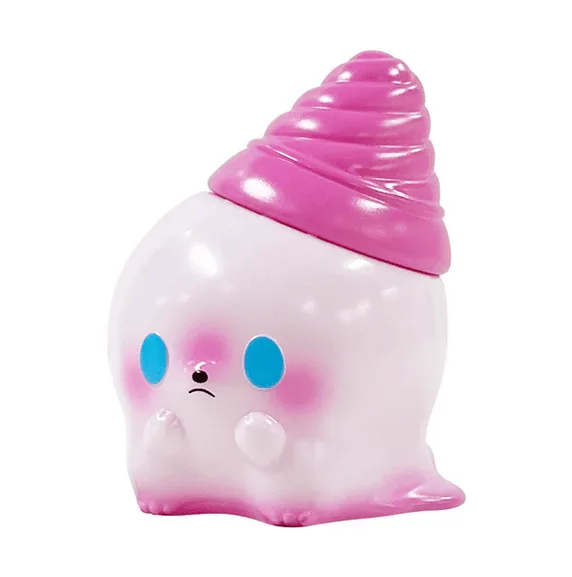
- Kaiju Icey - Strawberry: Kaiju Icey - Strawberry is a small vinyl figure with a glossy, detailed finish and is limited to one per customer. Because it is a single-piece collectible, test any cleaning method on a hidden area first and stop at the first sign of paint lift.
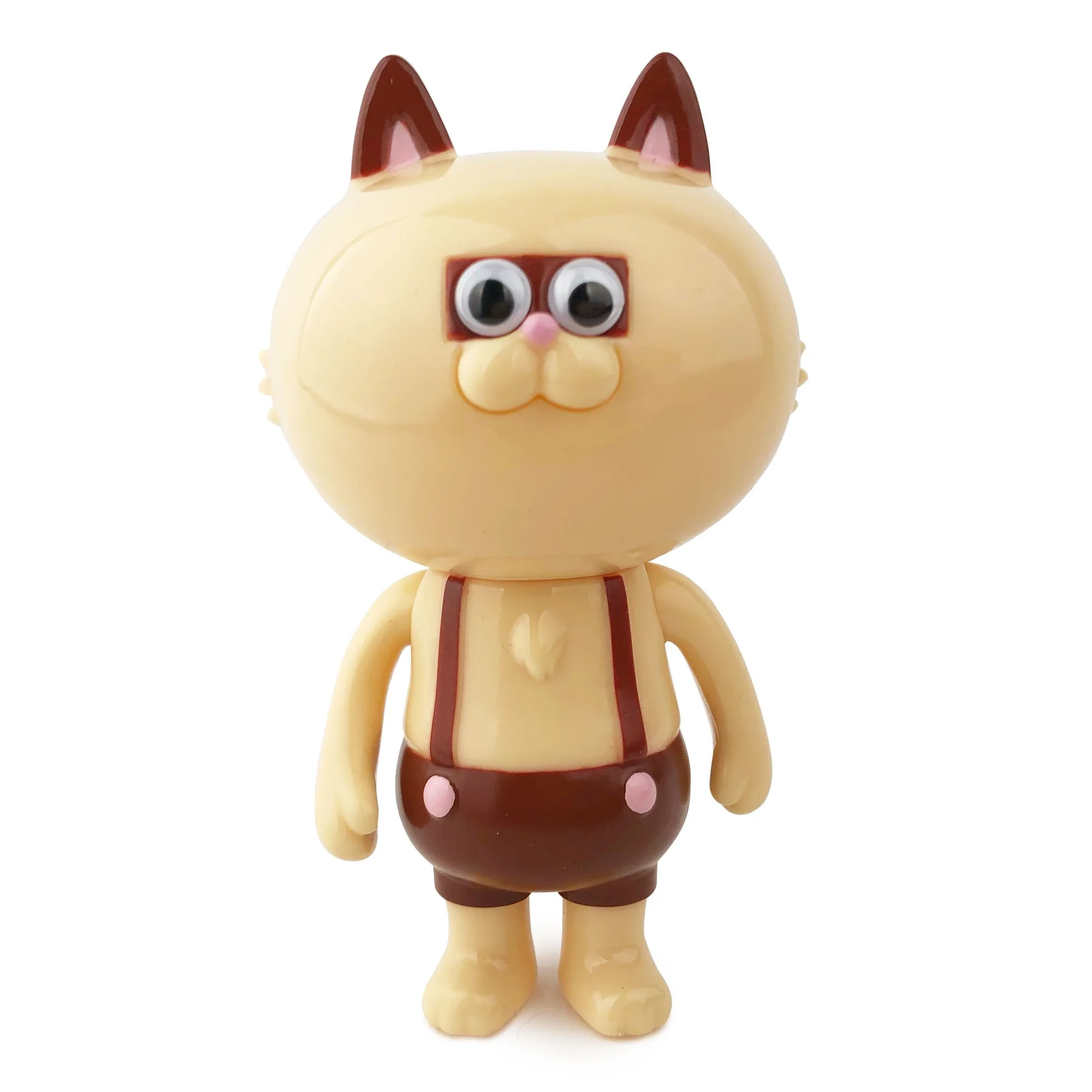
- Nekotaro — Caramel: Nekotaro — Caramel is a smaller version of T9G's kitty character with suspenders, made of vinyl. Smaller vinyl figures have thin details and painted accents, so use a light touch and avoid soaking joints or seams.