Quick Answer
To remove stubborn stains from an insulated bottle, start with warm water and mild dish soap, then use a paste of baking soda and water for tough spots. For coffee or tea stains, add white vinegar or lemon juice and let it soak before scrubbing with a soft brush. Always rinse thoroughly and air dry to keep your bottle fresh and ready for use.
Stubborn stains in your insulated bottle can make it look old and unappealing, even if it's still working perfectly. Coffee, tea, and fruit juices often leave behind dark rings and spots that regular washing can't remove. The good news is that you don't need harsh chemicals to get your bottle looking new again.
In this guide, we'll walk you through simple, natural methods to remove stains from stainless steel and plastic bottles. You'll learn how to tackle coffee and tea buildup, prevent future staining, and keep your bottle clean and fresh for everyday use.
Why Stains Form and How to Prevent Them
Stains in insulated bottles usually come from tannins in coffee and tea, or from pigments in fruit drinks. These substances can cling to the interior surface, especially if the bottle isn't rinsed right away. Over time, they build up into stubborn rings that are harder to remove.
To minimize staining, rinse your bottle immediately after use and give it a quick wash with mild soap. Avoid letting drinks sit for hours, and consider using a straw or spout cover to reduce contact with the lid. Regular cleaning is the best way to prevent stains from setting in.
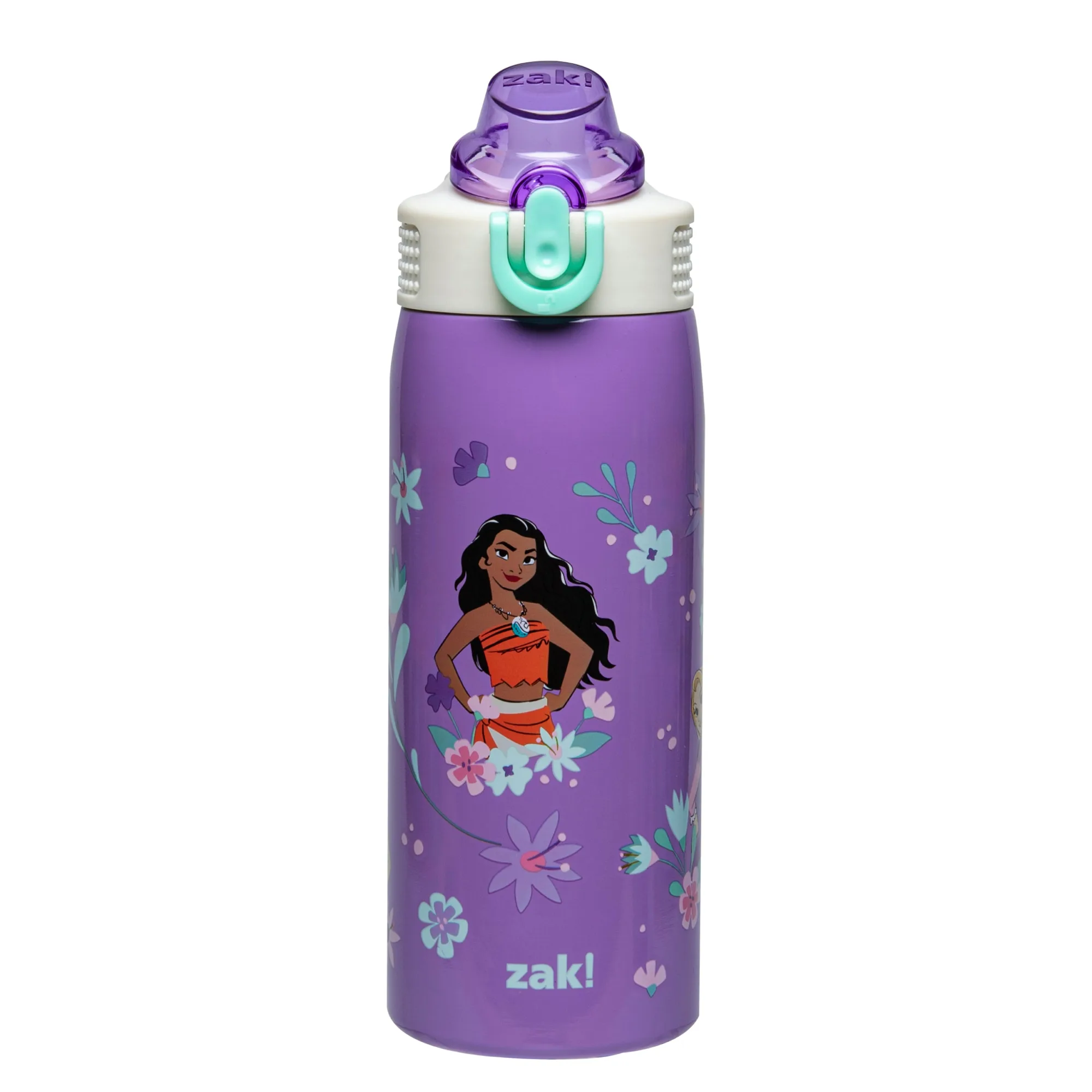
If you're using a bottle with a covered spout, like the Sage Insulated Bottle, the spout area can trap residue. Pay special attention to cleaning the spout and the lid, as these parts are prone to buildup.
- Rinse your bottle right after use to prevent stains from setting.
- Use a soft brush to clean hard-to-reach areas like the spout and lid.
- Avoid using abrasive scrubbers that can scratch stainless steel surfaces.
Natural Cleaners That Work
Baking soda is a gentle abrasive that can lift stains without scratching stainless steel. It's safe for both metal and plastic bottles, making it a versatile option. White vinegar and lemon juice are acidic and work well on coffee and tea stains by breaking down the tannins.
For a simple paste, mix three parts baking soda with one part water. Apply it to the stained areas and let it sit for a few minutes before scrubbing. For tougher stains, add a splash of white vinegar to create a fizzing action that helps lift the residue.
Always test a small area first if you're using a new cleaner on a colored bottle. Some acidic cleaners can affect the finish, so it's best to be cautious with decorative designs.
- Baking soda paste: 3 parts baking soda to 1 part water.
- Vinegar soak: 1 part white vinegar to 2 parts water.
- Lemon juice can be used in place of vinegar for a fresh scent.
Step-by-Step Cleaning Process
Start by emptying the bottle and rinsing it with warm water. Fill it with a mixture of warm water and a few drops of mild dish soap, then use a bottle brush to scrub the interior. Pay special attention to the bottom and the threads where the lid screws on.
For stubborn stains, create a paste of baking soda and water and apply it to the stained areas. Let it sit for 15–20 minutes, then scrub gently with a soft brush. If the stains persist, add white vinegar and let the mixture fizz for a few minutes before scrubbing again.
After cleaning, rinse the bottle thoroughly with warm water to remove all cleaning agents. Allow it to air dry completely with the lid off to prevent moisture buildup and odors.
- Use a bottle brush to reach all interior surfaces.
- Let the baking soda paste sit for 15–20 minutes for best results.
- Rinse thoroughly and air dry with the lid off.
Deep Cleaning for Coffee and Tea Stains
Coffee and tea stains can be particularly stubborn because tannins bind to the surface. For a deep clean, fill the bottle with a solution of one part white vinegar and two parts warm water. Let it soak for 30 minutes to an hour, then scrub with a soft brush.
If the stains are still visible, make a paste with baking soda and a little water and apply it directly to the stained areas. Let it sit for another 30 minutes before scrubbing. The combination of vinegar and baking soda creates a gentle fizz that helps lift the residue without damaging the bottle.
For extra stubborn stains, you can repeat the process or use a lemon juice soak. Cut a lemon in half, squeeze the juice into the bottle, add warm water, and let it sit for an hour. The citric acid helps break down the tannins, and the fresh scent is a bonus.
- Vinegar soak: 1 part vinegar to 2 parts water for 30–60 minutes.
- Baking soda paste for direct application on tough spots.
- Lemon juice soak for a natural, fresh-smelling deep clean.
Step-by-Step Stain Removal
- Step 1: Rinse and Disassemble: Empty the bottle and rinse it with warm water. Remove the lid, spout, and any straw parts. This ensures you can clean every surface that comes into contact with your drink. Checkpoint: Make sure all removable parts are separated to avoid missing hidden residue.
- Step 2: Wash with Mild Soap: Fill the bottle with warm water and a few drops of mild dish soap. Use a bottle brush to scrub the interior, including the bottom and threads. Rinse thoroughly. Mistake to avoid: Don't use abrasive scrubbers that can scratch stainless steel.
- Step 3: Apply Baking Soda Paste: For stubborn stains, mix three parts baking soda with one part water to form a paste. Apply it to the stained areas and let it sit for 15–20 minutes. Checkpoint: If stains are heavy, extend the sitting time to 30 minutes.
- Step 4: Use Vinegar or Lemon for Coffee/Tea Stains: For coffee or tea buildup, fill the bottle with a solution of one part white vinegar (or lemon juice) and two parts warm water. Let it soak for 30–60 minutes, then scrub gently. Mistake to avoid: Don't mix vinegar and baking soda in a closed bottle—it can overflow.
- Step 5: Rinse and Dry Completely: After cleaning, rinse the bottle and all parts thoroughly with warm water to remove any cleaning residue. Air dry with the lid off to prevent moisture and odors. Final checkpoint: Ensure the bottle is completely dry before storing to avoid mold and mildew.
Products Mentioned
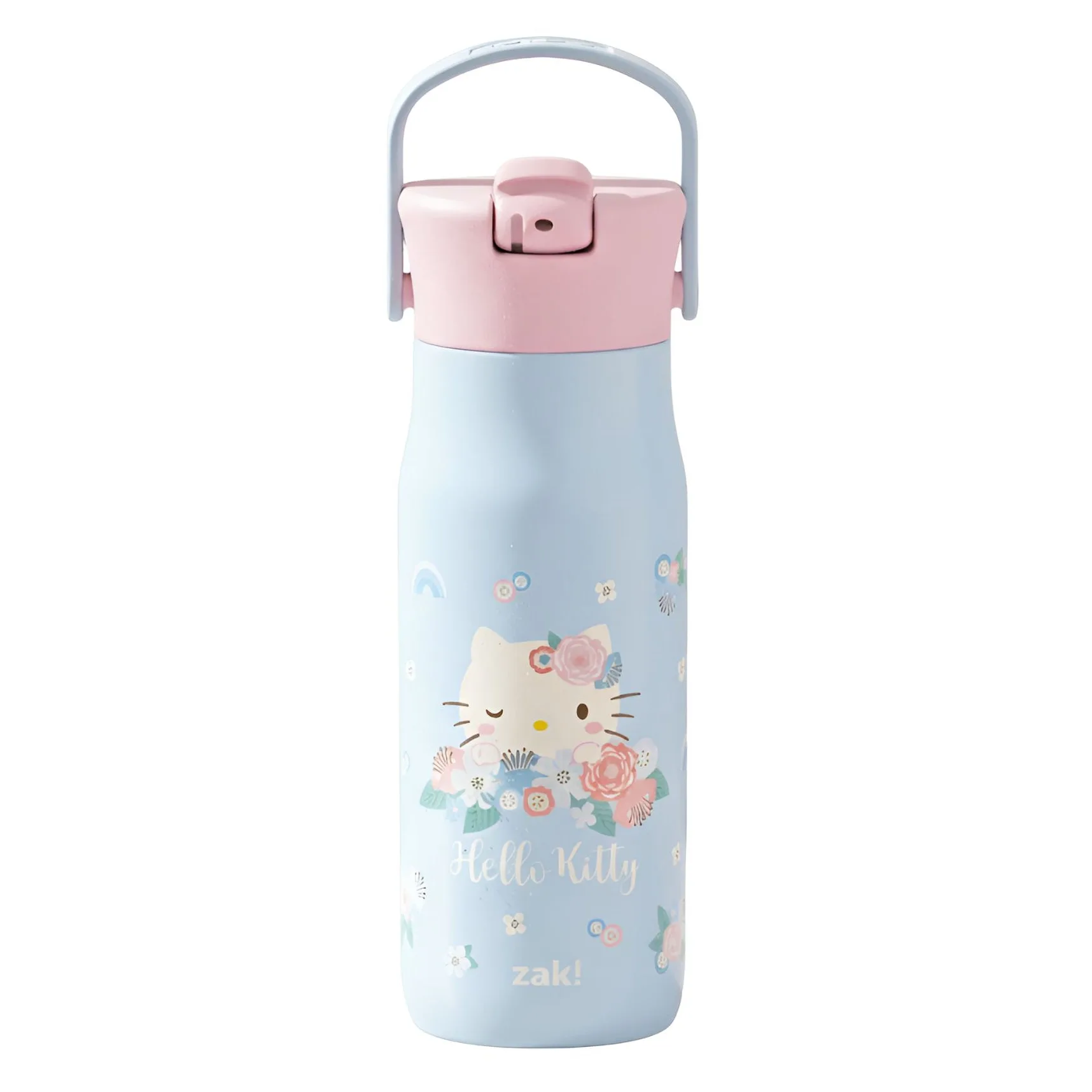
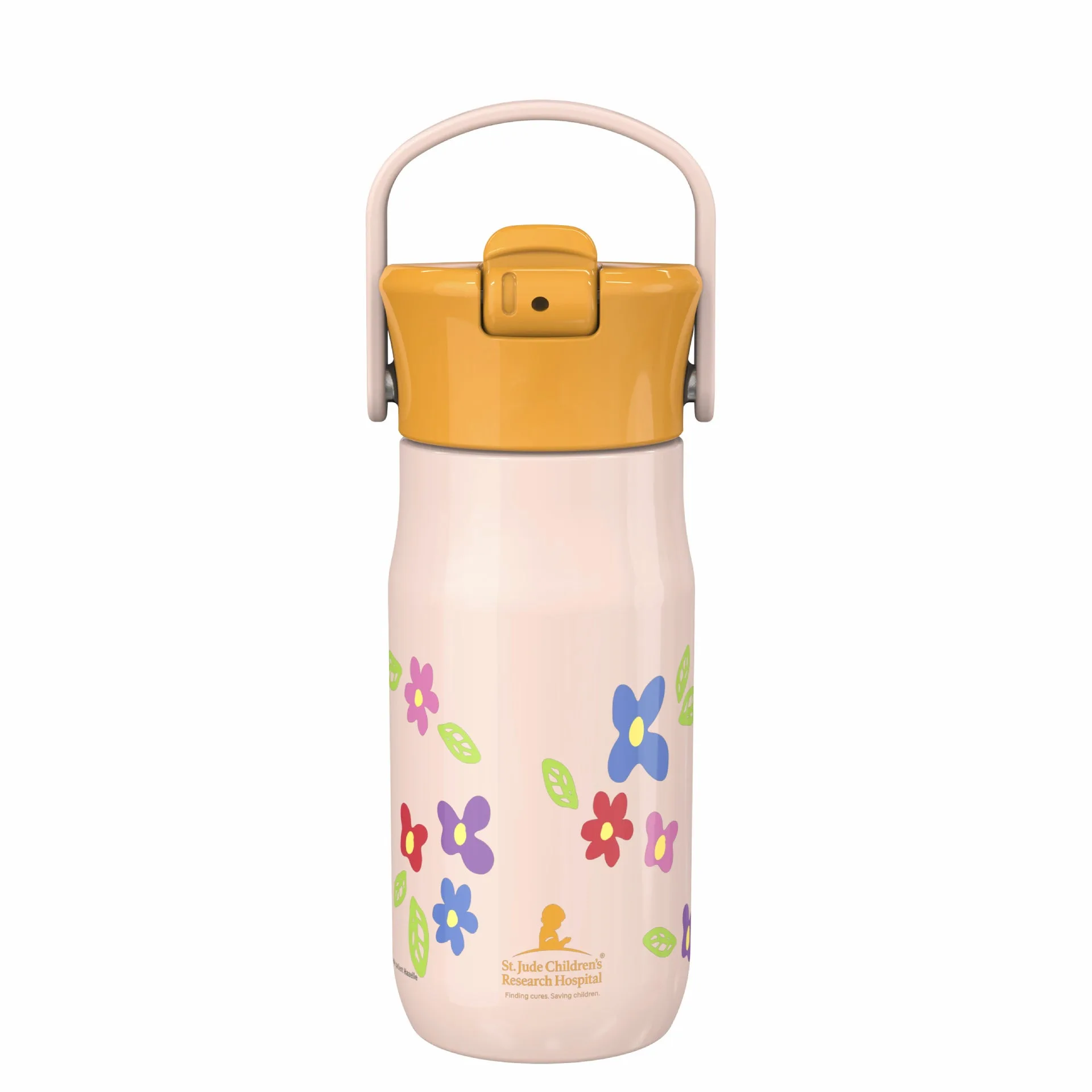
- https://zak-us.com/products/sage-insulated-bottle-14-oz-78749https://zak-us.com/products/sage-insulated-bottle-14-oz-78773https://zak-us.com/products/sage-insulated-bottle-14-oz-78775https://zak-us.com/products/sage-insulated-bottle-14-oz-78776Sage Insulated Bottle, 14 oz.: The Sage 14 oz. Disney's Frozen water bottle is made of durable stainless steel, sturdy enough for kids to use every day at school, daycare, home, or the park. Vacuum insulation keeps drinks cold for hours and stops pesky condensation. Stainless steel is easy to clean with natural cleaners like baking soda and vinegar, so you can keep this bottle looking new without harsh chemicals.
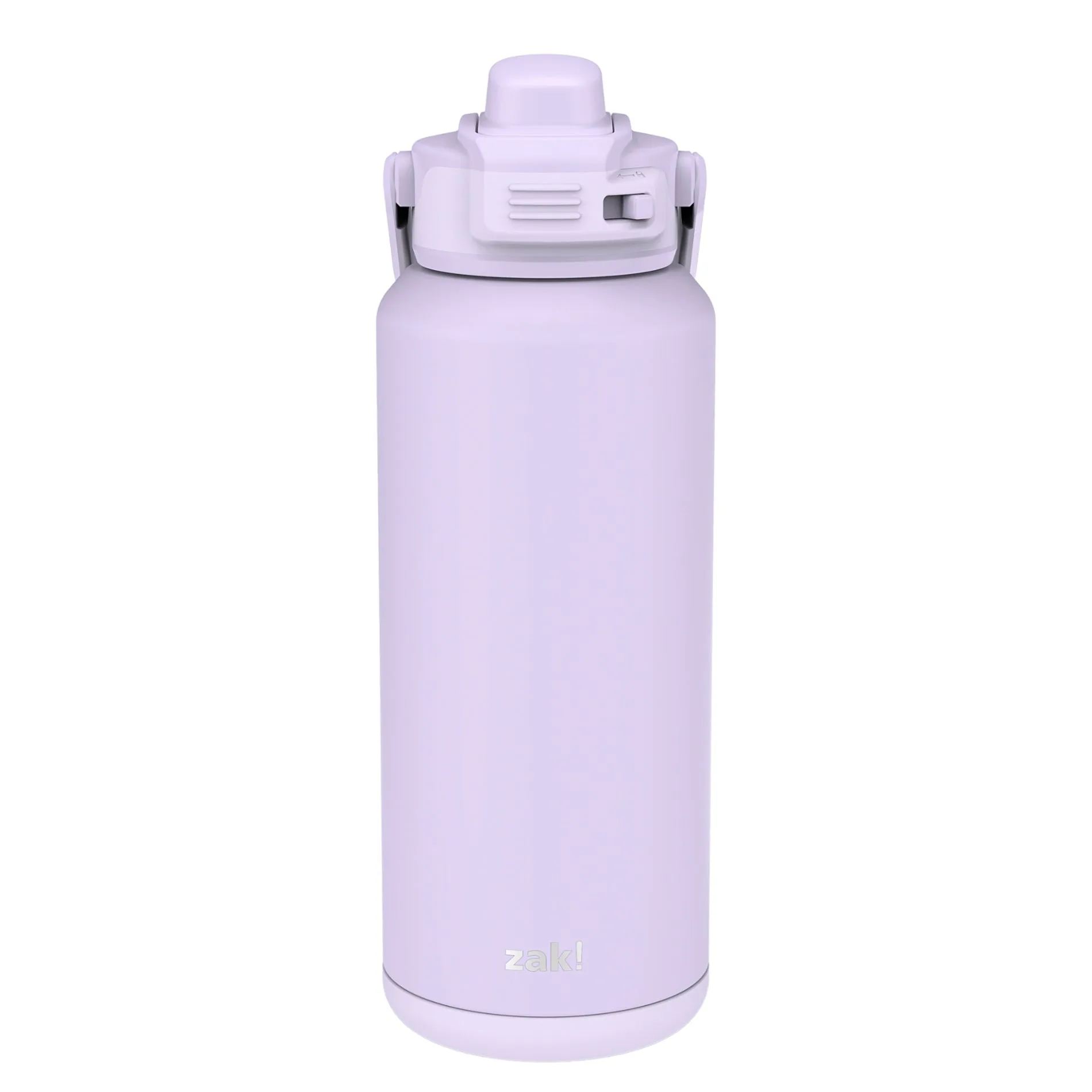
- Sage Insulated Bottle, 19 oz.: The Sage 19 oz. KPop Demon Hunters Saja Boys water bottle is made of durable stainless steel, sturdy enough for kids to use every day at school, practice, home, or the park. Vacuum insulation keeps drinks cold for hours and stops pesky condensation. A larger capacity means more surface area to clean, but the stainless steel interior responds well to simple stain-removal techniques.
With these simple steps, you can keep your insulated bottle looking and smelling fresh. Regular cleaning prevents stains from building up, and natural cleaners like baking soda and vinegar are safe for both stainless steel and plastic. For a bottle that's easy to maintain and built for everyday use, consider a Sage Insulated Bottle from Zak. Happy hydrating!