Quick answer
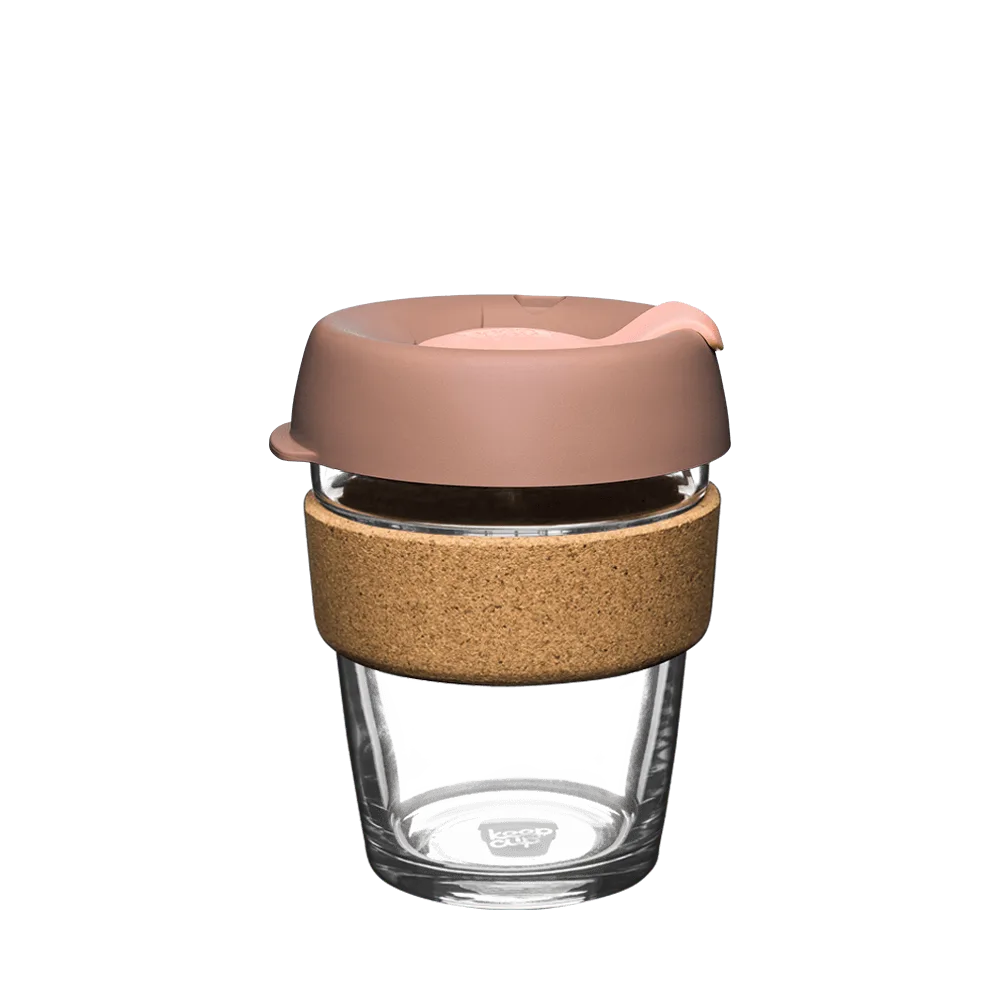
Fill the glass with warm water, add one tablespoon of baking soda and a splash of white vinegar, and let it fizz for 10 to 15 minutes. Then scrub gently with a soft bottle brush and rinse. For cork-band cups, keep the liquid level below the cork and never submerge the band, because cork absorbs water and loses its grip.
Why tea stains glass differently than coffee
Tea leaves release tannins, and tannins bind to the microscopic pores in glass more aggressively than coffee oils do. That is why a glass cup can look cloudy brown after a week of daily tea even when it was rinsed every day. The stain is not dirt sitting on the surface; it is a thin film bonded to the glass, which is why plain dish soap often fails.
The good news is that glass is non-porous compared with plastic, so the stain stays near the surface. You do not need abrasive pads or harsh chemicals. You need the right chemistry to lift the tannin film, plus patience to let it work.
What you need before you start
Gather warm water, baking soda, white vinegar, a soft bottle brush or sponge, and a drying rack. Avoid steel wool, scouring powder, and anything labeled abrasive, because those scratch glass and create new crevices where tannins can cling.
If your cup has a cork band, treat the cork as a separate material with separate rules. Cork is naturally absorbent and can swell, crack, or lose its fit if soaked. The cleaning method below keeps the cork dry and works on the glass only.
Step-by-step tea stain removal
- 1. Rinse and assess the stain: Rinse the cup with warm water to remove loose tea residue. Look at whether the stain is a light film or a dark ring near the bottom. Light films often lift with baking soda alone; dark rings need the full soak. Checkpoint: if the stain feels slick rather than rough, it is still surface-level and easier to remove.
- 2. Add baking soda and vinegar below the cork line: Sprinkle one tablespoon of baking soda into the glass, then pour in a splash of white vinegar. It will fizz. Add warm water until the liquid sits at least one inch below the cork band on cork models. Common mistake: filling the cup to the rim so the cork band sits in liquid. Cork absorbs water and can swell or loosen.
- 3. Let it sit for 10 to 15 minutes: Leave the mixture in the glass. The fizzing action lifts tannin film from the glass walls without scrubbing. For a heavy dark ring, extend to 20 minutes but do not leave it overnight, because long soaks are unnecessary and can dull the glass over time. Checkpoint: you should see the brown film start to lighten before you scrub.
- 4. Scrub gently with a soft brush: Use a soft bottle brush or non-scratch sponge to wipe the inside walls and bottom in circles. Reach the corners where tea rings form. Do not use steel wool or abrasive pads, even on stubborn spots. Common mistake: scrubbing hard before the soak has done its work. If the stain resists, soak again rather than scrub harder.
- 5. Rinse and check the cork: Rinse the glass thoroughly with warm water. If any liquid touched the cork band, wipe it immediately with a dry cloth and let it air-dry away from direct heat. Do not put a cork-band cup in the dishwasher. Checkpoint: the glass should look clear and the cork should feel dry and firm, not soft or swollen.
- 6. Dry upside down and store open: Place the cup upside down on a drying rack so water drains out. Store it without the lid sealed tight, so residual moisture can escape. Trapped moisture is what turns a clean cup musty between uses. Next step: if a faint stain returns within a few days, your daily rinse is not removing tannins. Add a quick baking soda rinse to your routine.
Cork-band cups this method fits
- Brew Cork Glass Cup: https://keepcupecj.com/products/brew-cork-glass-cup-305368https://keepcupecj.com/products/brew-cork-glass-cup-305369https://keepcupecj.com/products/brew-cork-glass-cup-305404https://keepcupecj.com/products/brew-cork-glass-cup-305405Brew Cork Glass Cup with a glass body and natural cork band for a comfortable, secure hold. The glass portion takes the baking soda and vinegar treatment; the cork band must stay out of the soak.
- Ace Recycled Cork Glass Cup: Ace Recycled Cork Glass Cup, part of a range designed for repair with replaceable parts. If the cork band ever gets damaged during cleaning, replacement parts are part of the design intent rather than a reason to replace the whole cup.