Quick Answer
Yes, you can treat acne while repairing a damaged skin barrier. The key is to strip your routine down to gentle cleansing, barrier-supporting moisturizing, and a single, low-concentration active. Focus on calming inflammation first, then gradually reintroduce acne treatments as your skin tolerates them.
If you have acne, you might think you need to dry out your skin to clear it. But overusing harsh cleansers and strong actives can strip your skin's protective barrier, leaving it red, flaky, and even more prone to breakouts. The result is a frustrating cycle: your skin feels tight and irritated, yet acne persists.
The good news is that you don't have to choose between clear skin and a healthy barrier. With a strategic approach, you can calm irritation, restore moisture, and still keep breakouts in check. This guide walks you through a step-by-step plan to repair your barrier without abandoning your acne treatment.
Signs Your Skin Barrier Is Damaged
Your skin barrier is the outermost layer that locks in moisture and keeps irritants out. When it's compromised, you might notice increased sensitivity, redness, a stinging sensation when applying products, or a rough, flaky texture. Many people also experience more breakouts because the barrier is no longer effectively protecting against bacteria and irritation.
If your skin feels tight after cleansing, looks shiny but feels dehydrated, or products that used to be fine now burn, these are red flags. Pay attention to how your skin responds to your current routine—it's often the first clue that you're overdoing it.
- Watch for persistent redness, peeling, or a burning feeling after cleansing.
- If your skin feels tight even after moisturizer, your barrier may be compromised.
- Sudden breakouts in areas where you don't usually get them can signal irritation, not just acne.
Why Acne and a Damaged Barrier Often Coexist
Acne is an inflammatory condition, and a damaged skin barrier adds more inflammation. When you strip your skin with harsh products, you disrupt the pH balance and remove essential lipids, making it easier for acne-causing bacteria to thrive. In response, your skin may produce more oil to compensate, leading to more clogged pores.
This is why harsh acne treatments can backfire. Instead of helping, they worsen the very problem they're meant to solve. The solution isn't to abandon acne treatment altogether but to choose gentler formulations and repair your barrier simultaneously.
Step 1: Simplify Your Cleansing Routine
The first step to repairing your barrier is to stop the damage. Switch to a gentle, sulfate-free cleanser that removes impurities without stripping your skin. Look for a product that leaves your skin feeling soft, not tight, and that won't disrupt your acid mantle.
A great option is Face Reality's Ultra Gentle Gel Cleanser. It's sulfate-free and formulated with antioxidants to nourish skin while effectively removing makeup and impurities. Its gentle nature makes it suitable for daily use, even when your barrier is compromised.
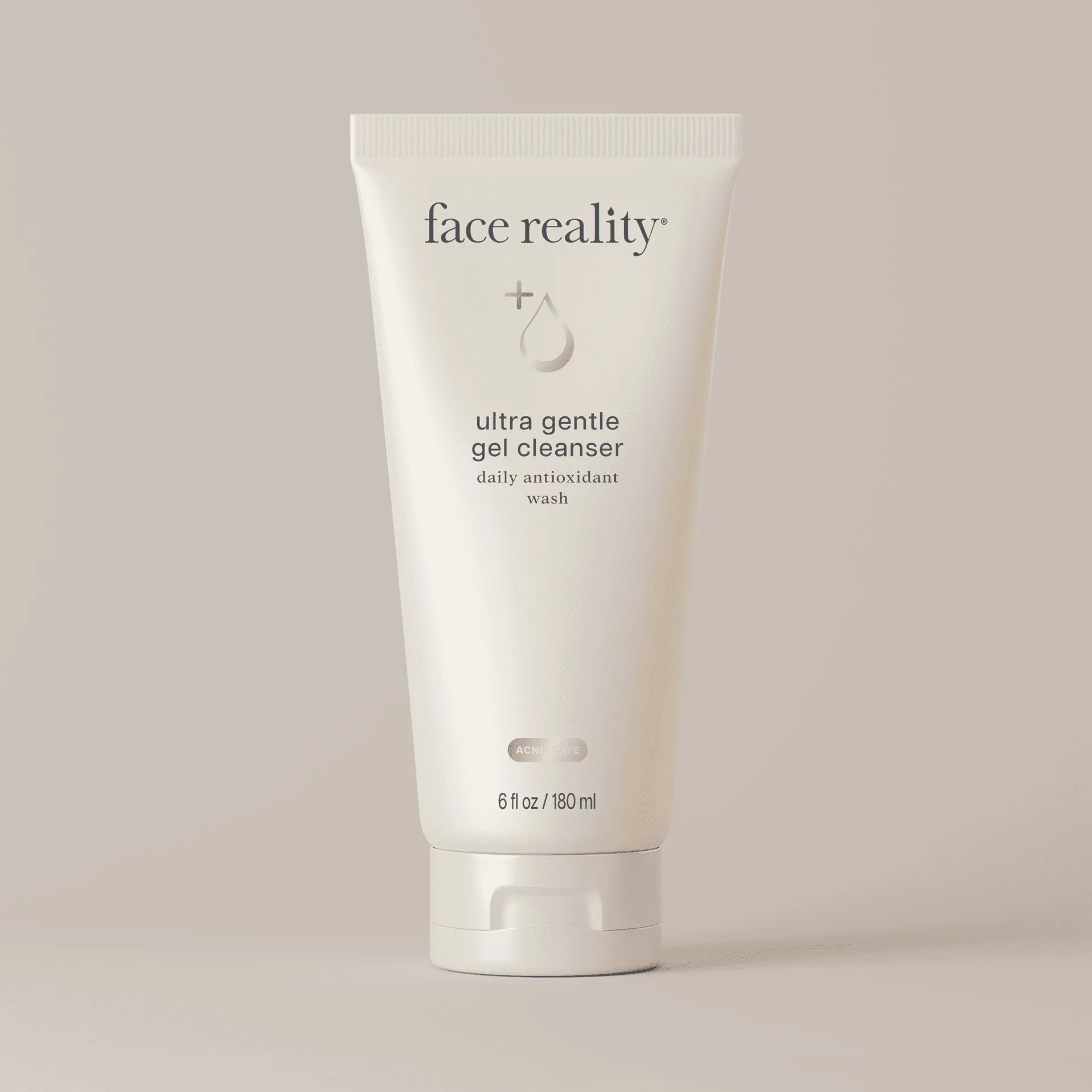
Ultra Gentle Gel Cleanser
- Cleanse only twice a day—morning and night—and avoid hot water.
- If your skin is very irritated, try washing with lukewarm water and patting dry gently.
Step 2: Add a Calming Toner
Toners often get a bad rap for being astringent, but the right one can actually help repair your barrier. Look for alcohol-free toners with soothing ingredients like antioxidants and hydrating agents. They can refresh your skin, reduce redness, and prep it for the next steps.
Face Reality's Calming Facial Toner is designed to calm stressed skin. It refreshes, calms, and hydrates, making it a perfect addition to a barrier-repair routine. It won't strip your skin or disrupt your moisture balance.
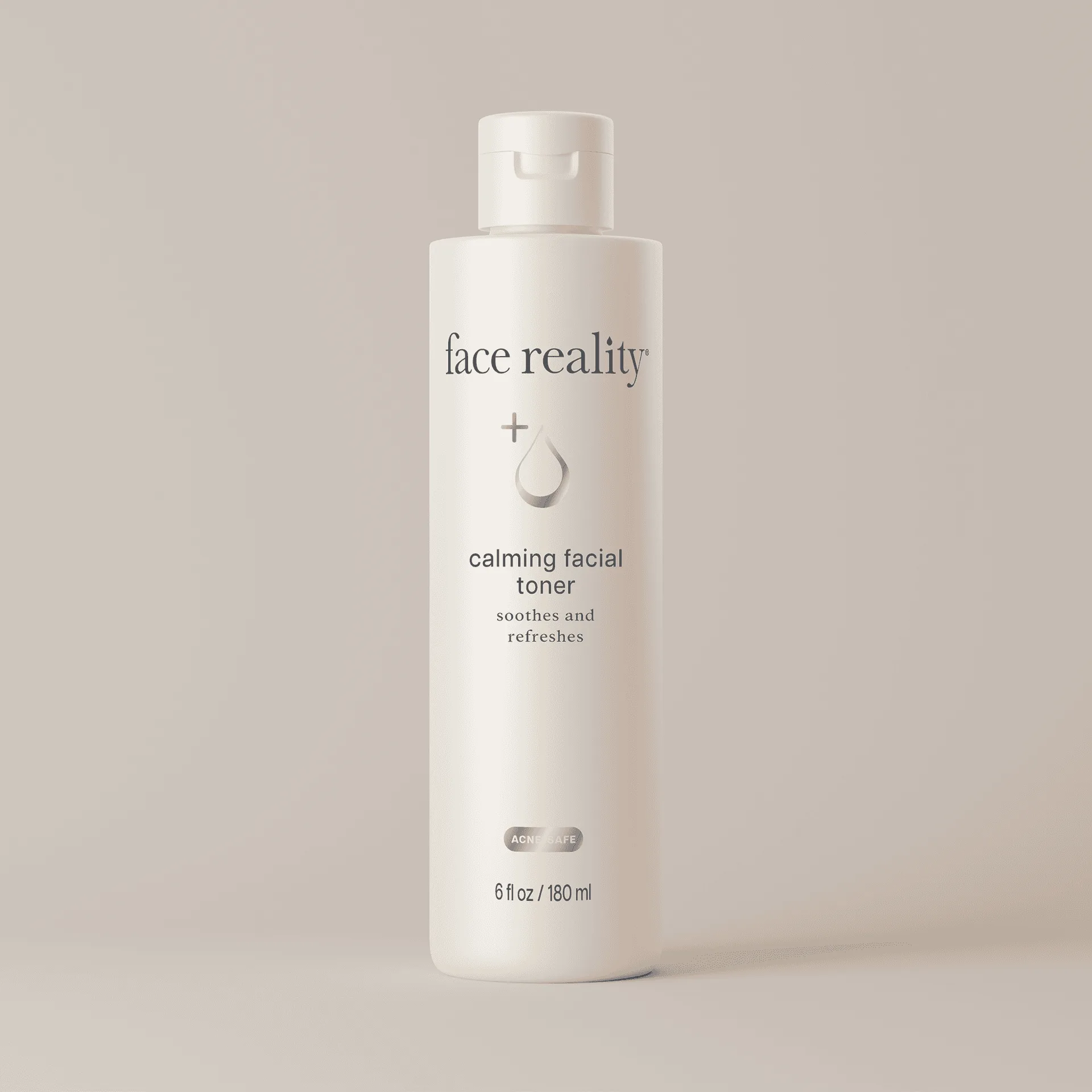
Calming Facial Toner
- Apply toner with your hands or a soft cotton pad, avoiding harsh rubbing.
- Skip toners with high alcohol content—they can worsen irritation.
Step 3: Moisturize to Support Barrier Repair
Moisturizing is non-negotiable when repairing a damaged barrier. You need a moisturizer that not only hydrates but also provides lipids to help rebuild your skin's protective layer. Look for ingredients like ceramides, fatty acids, and cholesterol, which are the building blocks of a healthy barrier.
Even if you have oily acne-prone skin, you still need a moisturizer. Skipping it can signal your skin to produce more oil, leading to more breakouts. Choose a product that is non-comedogenic and free of heavy fragrances.
- Apply moisturizer to damp skin to lock in hydration.
- If your skin is very dry, consider a thicker cream at night.
Step 4: Reintroduce Acne Treatments Gradually
Once your barrier is on the mend, you can slowly reintroduce acne treatments. Start with a low concentration of a proven active like benzoyl peroxide or salicylic acid. Apply it only once a day, or even every other day, and always over a moisturizer to buffer the effect.
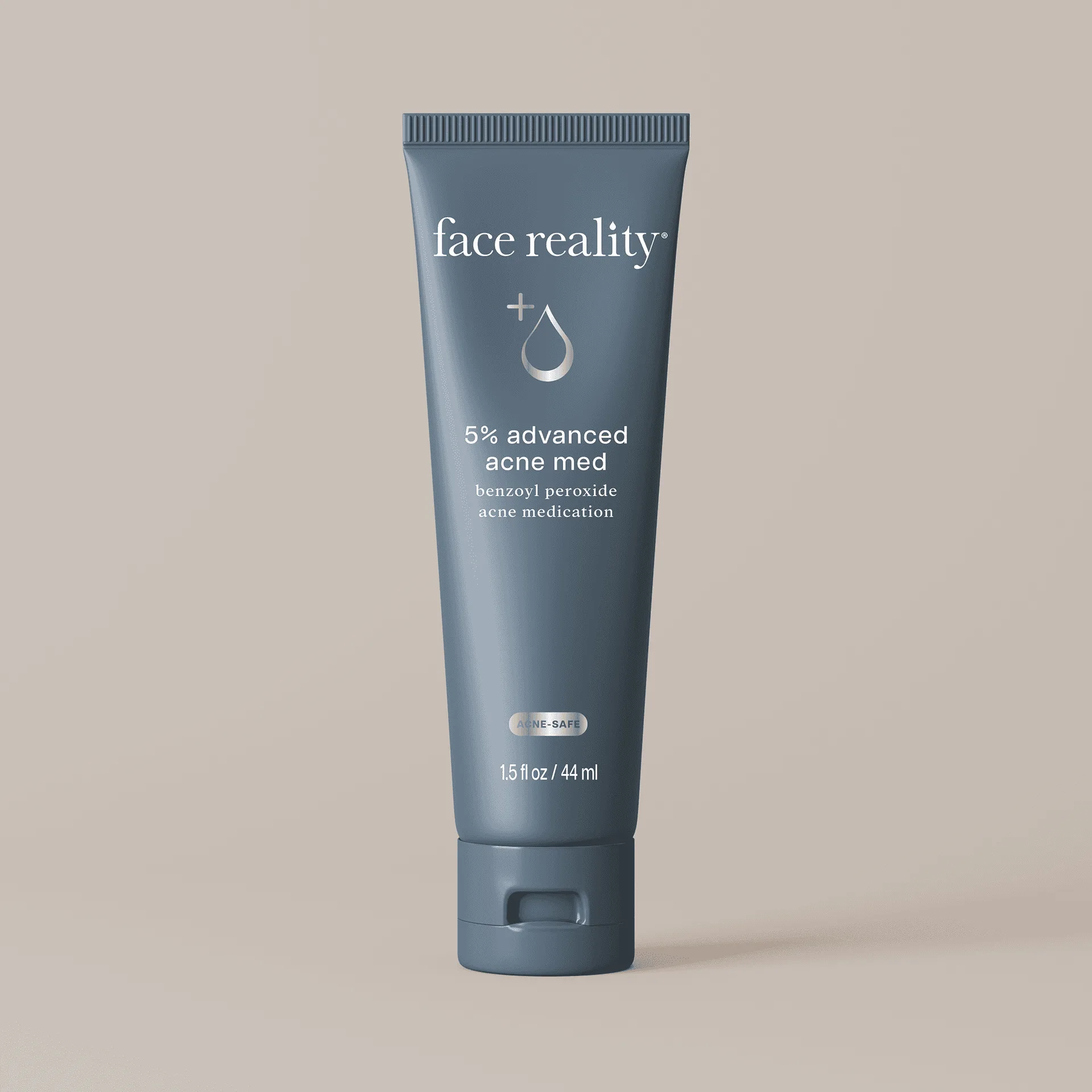
Face Reality offers 2.5% Advanced Acne Med and 5% Advanced Acne Med, both containing benzoyl peroxide. The 2.5% is a great starting point for sensitive skin. It penetrates pores to target acne while being less likely to cause dryness than higher concentrations.
- Use a pea-sized amount and spot-treat if your skin is very sensitive.
- Do not combine multiple strong actives at once—stick to one at a time.
Step 5: Consider a Barrier-Safe Peel (Optional)
When your barrier is fully repaired, you might want to add a gentle exfoliating treatment to keep pores clear. A professional-grade peel can help, but it's crucial to wait until your skin is no longer irritated. Over-exfoliating a damaged barrier will only set you back.
Face Reality's Clear Skin Peel #2 is a self-neutralizing treatment that exfoliates, resurfaces, and brightens. It contains a mix of powerful ingredients, so it's best used only after your barrier has recovered. If you're unsure, consult a skincare professional first.
- Start with a patch test before applying any peel to your face.
- Limit peel use to once a week or as directed by a professional.
Your Barrier Repair Diagnosis
- Symptom: Persistent redness, flaking, tightness, stinging, and increased breakouts. If you experience these, your barrier is likely damaged.
- Likely Cause: Overuse of harsh cleansers, physical exfoliants, or high-strength actives without adequate moisturizing. Identify and stop using products that strip your skin.
- Corrective Action: Switch to a gentle cleanser, add a calming toner, moisturize diligently, and reintroduce acne treatment slowly. Follow the 5 steps above for 2–4 weeks before evaluating progress.
- Stop or Choose Another Option: If your skin becomes more irritated, painful, or shows signs of infection, stop all active treatments and consult a dermatologist or a Face Reality Certified Acne Professional. Professional guidance may be necessary for severe cases.
Products That Support Barrier Repair and Acne Control
- Ultra Gentle Gel Cleanser: Face Reality's #1 best-selling sulfate-free, antioxidant gel cleanser is the perfect way to wash away the day. Soft and easy on the skin, this effective daily cleanser effortlessly removes makeup and impurities, leaving skin deeply nourished. This cleanser cleanses without stripping, making it ideal for a damaged barrier. The sulfate-free formula helps maintain your skin's natural moisture, while antioxidants support healing.
- Calming Facial Toner: When your skin is feeling stressed, turn to this calming facial soother. It refreshes, calms, and hydrates skin, making it the perfect addition to your Face Reality skincare routine. This toner provides immediate relief to irritated skin. Its calming and hydrating properties help reduce redness and prepare your skin to absorb moisturizer more effectively.
- 2.5% Advanced Acne Med: Get serious about acne prevention with our Benzoyl Peroxide Acne treatment. 2.5% Advanced Acne Med is a benzoyl peroxide acne medication designed to support clearer-looking skin. Advanced Acne Med penetrates pores to target the source of acne, clearing and controlling existing blemishes while helping to prevent future breakouts. This lower-strength benzoyl peroxide option is effective yet gentle enough for sensitive, barrier-damaged skin. It treats acne without the excessive dryness that higher strengths can cause.
Repairing a damaged skin barrier while treating acne is a delicate balancing act, but it's achievable with patience and the right products. Start by simplifying your routine, focus on moisture, and reintroduce actives gradually. Your skin can heal and clear up at the same time.