Quick answer
Run a board game night by planning backward from your players: set a start and end time, invite a group that fits one player count, choose two or three games you already know cold, and teach each one in under five minutes before the first turn. Keep food, drinks, and rules questions away from the table so the game stays the main event.
A great board game night is not about owning the biggest collection. It is about matching the right game to the right room, then getting everyone playing fast enough that nobody checks their phone. Most failed game nights are not ruined by a bad game; they are ruined by a slow start, a rules dump, or a game that does not fit the number of people who actually showed up.
This guide walks through the whole evening in order, from the invitation to the final pack-up. Along the way, we will use real titles from our shelves as examples, including cooperative survival games and quick card-driven skirmishes, so you can see how the planning decisions play out at the table.
Plan the night before you pick the games
Start with the practical facts: date, start time, end time, and expected headcount. A weeknight game night usually has a hard stop, so plan a main game that fits the time you actually have, not the time you wish you had. If people arrive at 7:00 and leave at 10:00, you have roughly two and a half hours of play after setup and teaching.
Confirm the player count as closely as you can, because it drives every other choice. A four-player game night and a six-player game night need different shelves. Ask guests to RSVP with a yes or no rather than a maybe, and build in one flexible filler game for late arrivals or early leavers.
- Send the invite with the start time, end time, address, and whether food is provided.
- Ask each guest to confirm a firm yes or no so you can lock the player count.
- Keep a short filler game on hand for the first 20 minutes while people arrive.
Choose games by group, not by hype
Choosing games for game night is easier when you sort your options into three buckets: opener, main event, and closer. The opener should teach in a few minutes and play in under 30. The main event is the game people came for. The closer is short and light enough that a tired table can still enjoy it.
Match complexity to the least experienced player in the room, not the most experienced. If one guest has never played a modern board game, a heavy cooperative campaign will stall. A better plan is to open with something fast, then move to a game with a clear shared goal so newer players can lean on the group.
- Pick one opener, one main event, and one closer before anyone arrives.
- Read or re-read the main event's rules the day before, not at the table.
- Have a backup game ready in case the first choice falls flat.
Set up the table so play starts on time
Setup is where game nights lose their momentum. Do as much as you can before guests arrive: sort components, deal starting hands if the rules allow it, and place the board. If a game has a long setup, save it for a night when everyone has agreed to a longer session.
Give each player a defined space. A play mat is a small upgrade that pays off on crowded tables because it keeps cards, tokens, and dice from drifting into a neighbor's area. It also makes cleanup faster because you can see what belongs where.
- Set up the main game before the first guest rings the doorbell.
- Keep drinks on a side table, not on the game table.
- Use a defined player area so components stay with their owner.
Teach the rules in five minutes, then start
The fastest way to teach a board game is to explain the goal, the turn structure, and the one or two actions a player will take most often. Skip edge cases until they come up. New players retain rules better when they can connect them to a decision they are about to make.
Run the first round open-handed. Let players ask questions, then play normally from round two. If you are teaching a cooperative game, resist the urge to quarterback every move; let the group make a few mistakes and recover. That shared recovery is often the best part of the night.
- State the win condition first, then the turn structure, then the common actions.
- Play one practice round with open information before the real game begins.
- In co-op games, ask questions instead of giving orders.
Pace the evening and read the table
A good host watches energy, not just the clock. If a game is running long and the table is fading, offer a clean stopping point or switch to the closer. If a game is clicking, let it run and skip the closer. The schedule is a tool, not a contract.
Keep the group together when possible. Splitting into two tables can work, but it doubles the teaching load and often leaves one table waiting on the other. If you do split, put an experienced player at each table and choose games that finish in similar time.
- Check in at the halfway point: is the table engaged or just polite?
- Keep snacks simple and away from cards and cardboard.
- Announce the last round so nobody feels ambushed by the end.
Close the night and make the next one easy
End on a high note rather than a grind. A short closer or a shared recap gives the group a natural stopping point. Ask what everyone wants to play next time while the memory is fresh, and write it down before you forget.
Pack components back into their bags and boxes the same night. Sorted boxes make the next setup faster, and they protect cards and tokens from the kind of wear that shortens a game's life. If a game uses a lot of small pieces, a few extra bags or a dedicated mat can save you time every session.
- Take two minutes to ask for next session's game requests.
- Bag and box components before you go to bed.
- Note any missing pieces so you can replace them before the next night.
Your game night run sheet, step by step
- Step 1: Lock the guest list and the clock: Send the invite with a start time and an end time, and ask for firm yes-or-no replies so you know the exact player count. Common mistake: inviting a wide maybe-list and hoping the right number shows up. Checkpoint: you can name every player and the exact number of seats you need.
- Step 2: Pick one opener, one main event, one closer: Choose games that fit the confirmed player count and the least experienced player in the room. Read the main event's rules the day before. Common mistake: picking a heavy game because you love it, then teaching it cold at 8 p.m. Checkpoint: every game on the list plays within your time window.
- Step 3: Set up before anyone arrives: Sort components, deal starting hands if allowed, and place the board. Give each player a defined area with a play mat or clear table space. Common mistake: waiting for guests to help set up, which turns into a 30-minute delay. Checkpoint: the first turn can start within five minutes of the last guest arriving.
- Step 4: Teach in five minutes and play a practice round: Explain the goal, the turn structure, and the most common actions, then run one open round. Common mistake: explaining every edge case before anyone has taken a turn. Checkpoint: every player can state the win condition in one sentence.
- Step 5: Pace the table and protect the mood: Watch energy levels, keep drinks off the playing surface, and switch to the closer if the table is fading. Common mistake: forcing a long game to finish because it was on the schedule. Checkpoint: the table is still talking about the game, not the clock.
- Step 6: Close, clean, and plan the next one: End with a short recap, ask for next session's requests, and bag all components before bed. Common mistake: leaving a half-sorted box for future you to deal with. Checkpoint: the game is boxed, the requests are written down, and the next date is set.
Games that work well at a planned game night
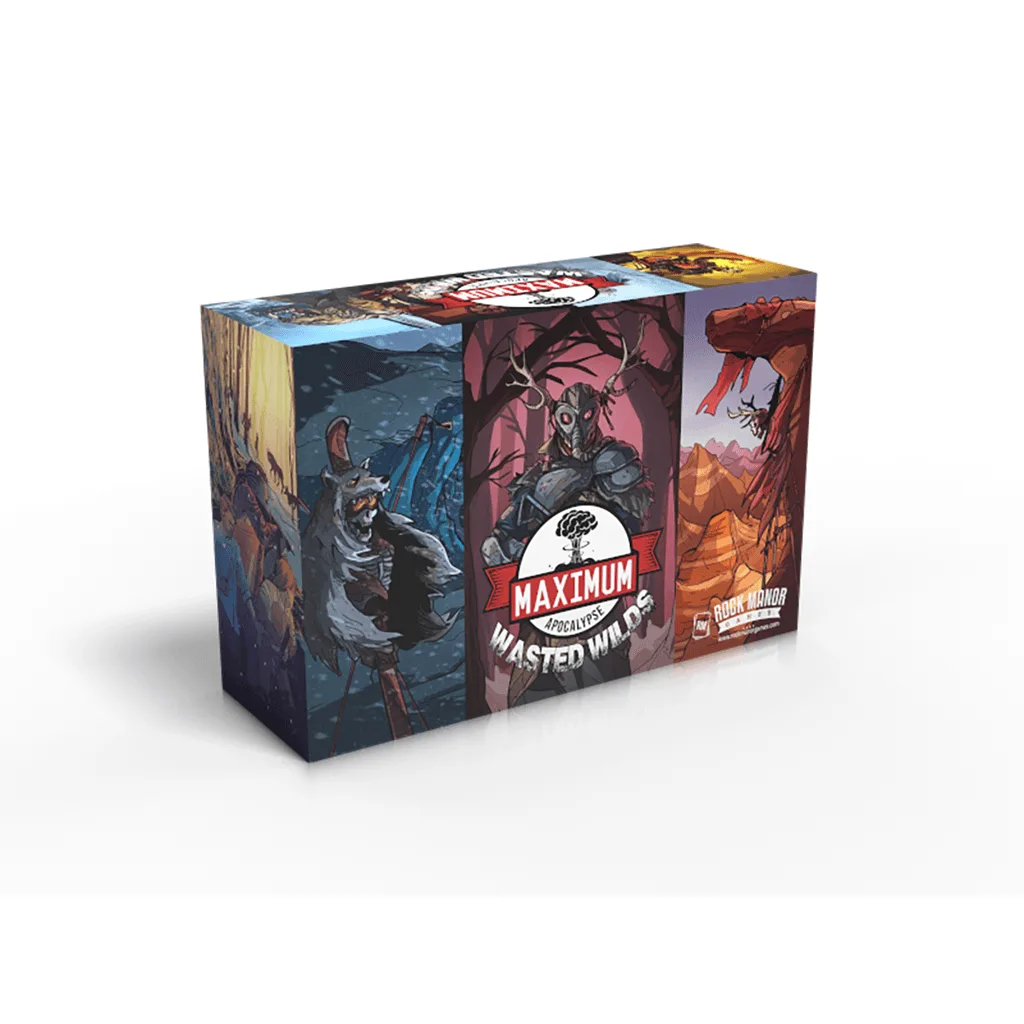
- Maximum Apocalypse: Wasted Wilds: This is the continuation of the cooperative roguelike series, adding two distinct campaigns with new twists around exposure to the elements and interactions with other survivors. A campaign structure gives a recurring game night a through-line, so your group has a reason to come back to the same table next week.
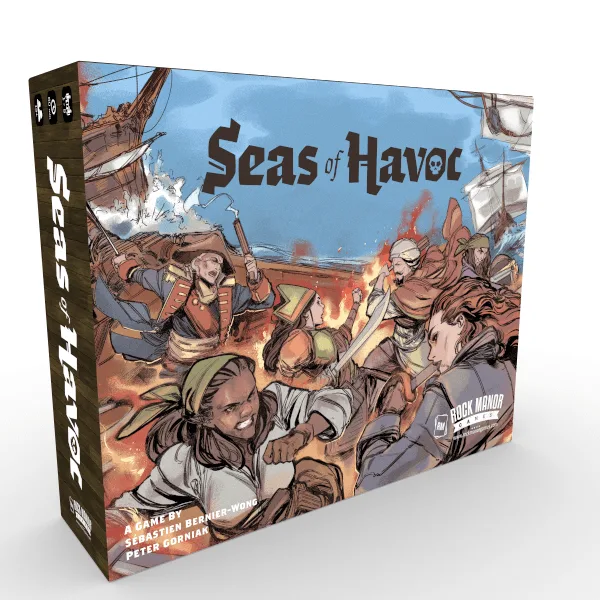
- Seas of Havoc: Captain's Deluxe Edition: Seas of Havoc is a naval skirmish game for 1-5 players where each player captains a ship and uses a unique deck of movement options defined by their ship and captain. The 1-5 player range and asymmetric decks make it a flexible main event for small groups, and the unique decks mean experienced players and newcomers can each learn their own ship.
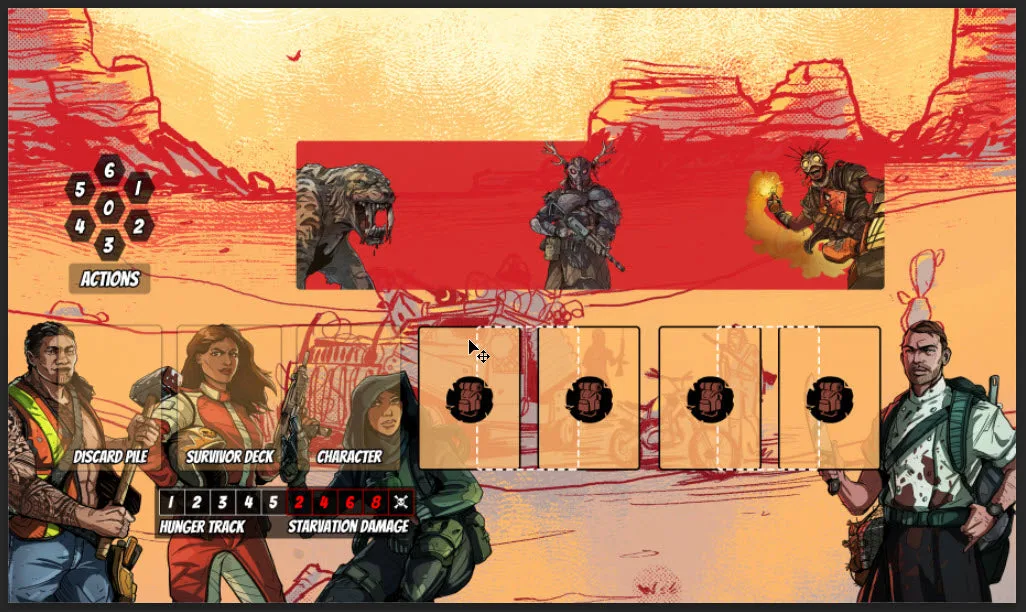
- Maximum Apocalypse: Wasted Wilds Play Mat: This neoprene player mat measures 24 by 14 inches and provides a defined play area for your game components during play. A defined player area keeps cards and tokens from drifting across a crowded table, which reduces setup confusion and speeds up cleanup at the end of the night.
A board game night works when the plan fits the people in the room. Lock the player count, choose games you can teach quickly, set up early, and read the table as the night goes. Do that, and the next invitation writes itself.