Quick answer
Serve three to five cheeses arranged from mild to strong, add one or two bread or cracker options, and pour one white and one red that match the board's weight. Keep portions small, label nothing you cannot explain, and let the cheese sit at room temperature for about 30 minutes before serving.
Start with the board and the order of service
A cheese board works best when it has a clear left-to-right or clock-face order. Place mild, creamy cheeses first, then medium, then blue or washed-rind styles. This sequence lets guests taste without overwhelming their palate. Use a board large enough that cheeses do not touch; if space is tight, use small ramekins or a second plate for accompaniments rather than crowding the main board.
- Mild to strong: fresh chevre, brie, gouda, aged cheddar, blue.
- Leave gaps between cheeses so flavors and textures stay distinct.
- Add a small bowl for olives or nuts to keep the board tidy.
Choose bread and crackers that support, not compete
Bread and cheese serveware should make it easy to build a bite. Sliced baguette, neutral water crackers, and a few seeded or fruit-nut crackers cover most textures. Avoid heavily flavored crackers with rosemary or garlic when you are serving delicate cheeses, because they mask the wine pairing. Provide a small knife or spoon for jams and honey so guests do not cross-contaminate the cheeses.
- One neutral cracker, one textured bread, one sweet or fruit accent.
- Cut baguette slices thin enough to bite without breaking the cheese.
- Keep honey or fig jam in a small dish with its own spoon.
Pair wine by weight and texture, not by color
Wine pairing basics come down to matching the weight of the wine to the weight of the cheese. Creamy cheeses like brie do well with a crisp white or a light red. Aged, salty cheeses need something with acidity or bubbles to cut through. Blue cheese often works with sweet wines, but a dry red can also work if the cheese is not too pungent. Pour small tastes so guests can compare.
- Creamy and mild: unoaked chardonnay, chenin blanc, or pinot noir.
- Aged and salty: champagne, dry riesling, or cabernet franc.
- Blue and pungent: port, sauternes, or a ripe zinfandel.
Use the right tools for clean service
A wine and cheese knife set is not mandatory, but the right tools make service easier. A foil cutter removes the capsule cleanly before you pull the cork, and a cheese knife with a short blade and open handle prevents sticking on soft cheeses. For hard cheeses, a thin-bladed knife or a wire cutter gives cleaner portions. Keep a small towel nearby for wiping blades between cheeses.
- Foil cutter first, then corkscrew, then pour.
- Soft cheese knife: short blade with holes or a gap.
- Hard cheese knife: thin, rigid blade or wire.
Set up for a relaxed tasting pace
Cheese board presentation should invite grazing, not a formal plated course. Set the board with small tasting plates, a few forks or picks, and a separate glass for each wine. If you open more than one bottle, use stoppers to keep the leftovers fresh between pours. Label wines with small cards if you are pouring blind, but keep the labels simple so guests focus on taste.
- One glass per wine, or rinse between pours.
- Small plates and picks reduce mess and speed up service.
- Stoppers keep opened bottles fresh if the tasting runs long.
Step-by-step cheese and wine service
- 1. Set the board and bring cheese to room temperature: Choose three to five cheeses and arrange them mild to strong on a large board. Take them out of the refrigerator about 30 minutes before serving. Checkpoint: cheese should feel soft to the touch, not cold or sweating.
- 2. Add bread, crackers, and one sweet accent: Place neutral crackers and sliced baguette in separate piles, plus a small dish of honey or fig jam with its own spoon. Common mistake: flavored crackers that overpower delicate cheeses.
- 3. Open the wine and pour small tastes: Use a foil cutter to remove the capsule cleanly, then pour one white and one red into separate glasses. Start with the lighter wine. Checkpoint: each guest should have a clean glass or a rinse between wines.
- 4. Guide the tasting order: Invite guests to taste from mild to strong, pairing each cheese with the wine that matches its weight. Keep water and plain bread nearby to reset the palate. Common mistake: jumping to blue cheese first, which dulls the milder flavors.
- 5. Reseal leftovers with stoppers: If bottles are unfinished, seal them with hermetic stoppers and refrigerate. Wrap cheese tightly and store it separately from strong-smelling foods. Next step: label the stopper with the wine name if you are saving multiple bottles.
Tools that make cheese and wine service easier
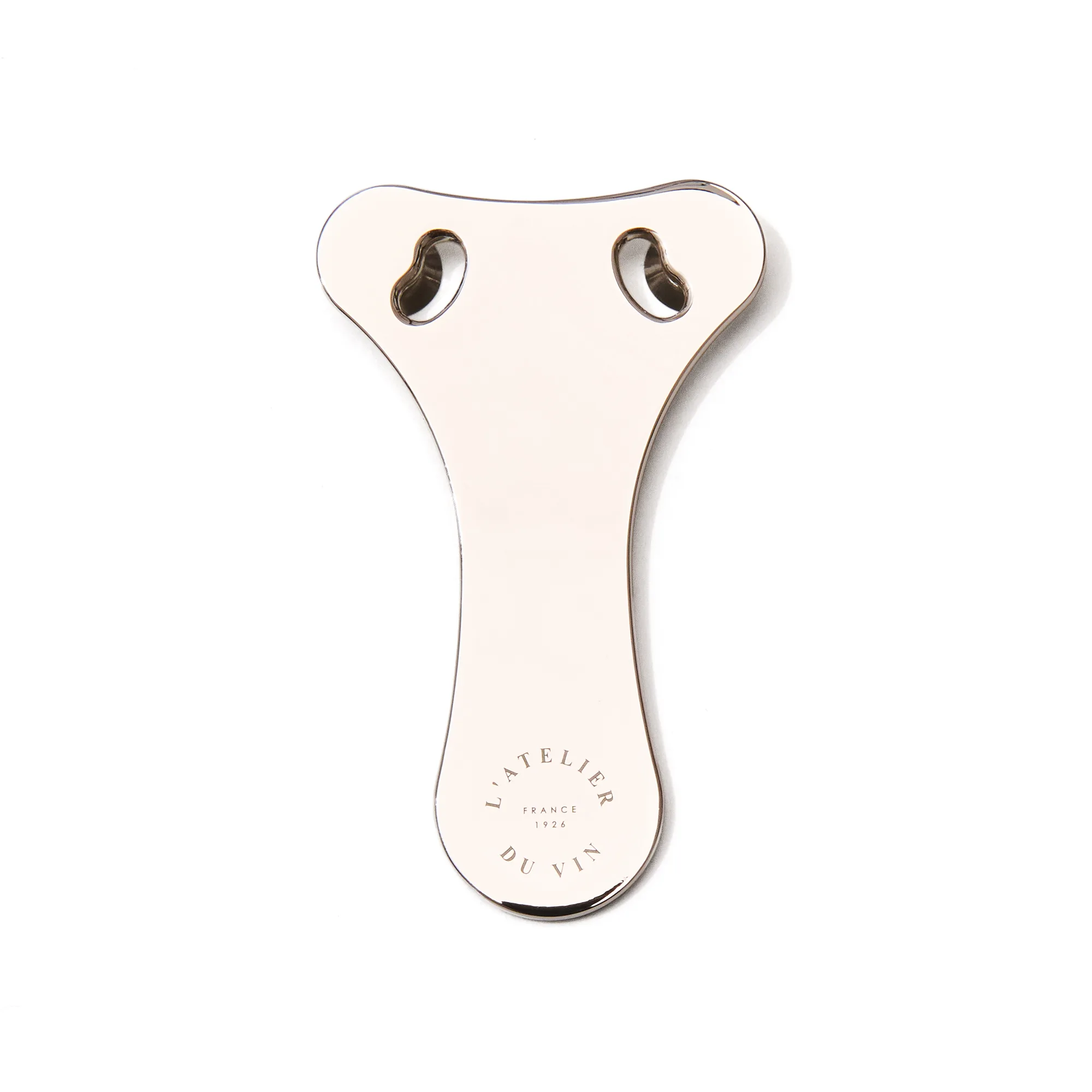
- Wine Foil Cutter – Chromed Metal | L’Atelier du Vin: Wine foil cutter in chromed metal with dual hardened steel blades. Cuts bottle foils cleanly and precisely in one smooth motion. A clean foil cut means no torn capsule fragments near the cheese board and a faster start to pouring.
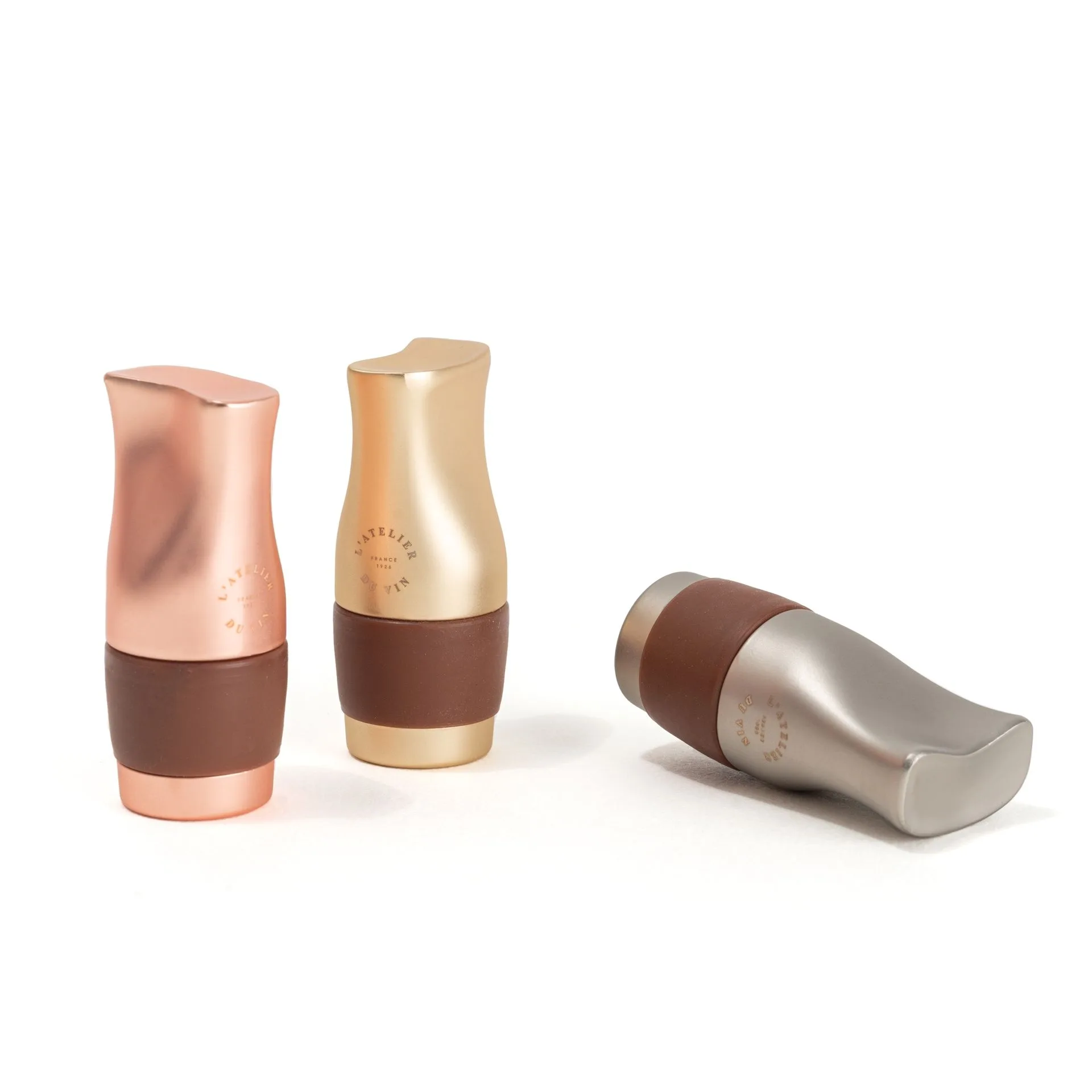
- Le Trio - Bouchons - L’Atelier du Vin: Le Trio from L’Atelier du Vin offers a set of three elegant, hermetic wine stoppers designed to keep your opened bottles fresh. Available in a refined palette of pink matte, silver mat, and gold mat finishes, these stoppers combine practical functionality with a sophisticated look that suits any table setting. When you open both a white and a red for a cheese course, stoppers let you reseal the bottles without losing the pairing options for later.