Quick answer
Start with a clean, unwrinkled base, then layer in this order: tea towel or runner, plates, coasters, napkin rings, and finally a small centerpiece. Keep to three materials and two or three colors so the table reads cozy rather than cluttered. Add one practical piece you actually use daily, such as a trivet or tray, so the setting survives real meals.
A cozy table is not about buying a matching set. It is about layering a few useful pieces so the table looks cared for, even on a Tuesday night. Coasters, napkin rings, and tea towels do most of that work because they are soft, functional, and easy to swap with the season.
The trick is order. If you place linens first and build outward, everything else has a home and nothing fights for space. The steps below walk through a setup you can repeat in about ten minutes, plus the mistakes that make a table look busy instead of warm.
Choose a base layer before anything else
Decide whether the table wants a full tablecloth, a runner, or nothing at all. A bare wood or laminate surface can look intentional if you add cloth napkins and a tea towel nearby, but a runner instantly softens the middle of the table and gives the eye a line to follow. Press or steam whatever fabric you use; wrinkles are the fastest way to make a cozy table look like a chore.
If you have a tea towel you love, it can double as a small runner or a bread basket liner. Fold it in thirds, place it diagonally, or drape it over the edge of a tray. This is tea towel table decor at its most practical: the towel is already on the table because you use it, not because you styled it.
- Checkpoint: the base layer should hang evenly on all sides, or be deliberately off-center, never accidentally crooked.
- Common mistake: layering a runner over a tablecloth in a competing pattern. Pick one patterned piece and keep the rest solid.
Set plates and bowls, then leave breathing room
Place plates where people actually sit, then step back. You want at least an inch of bare table between the plate edge and the table edge, and a clear path for a glass. If you use a bowl for soup or cereal, center it on the plate rather than pushing it toward the fork side. This is the point where everyday table styling starts to feel calm instead of crowded.
Resist filling every empty spot. Gaps are what make a table look relaxed. If the table is small, skip the charger or the second plate and let the napkin do the decorating.
- Checkpoint: can you slide a glass into place without moving a plate? If not, remove one layer.
- Common mistake: centering everything on the table instead of on each seat. Setting from the chair outward fixes this fast.
Add coasters where drinks actually land
Put a coaster beside each plate, slightly to the upper right, where a hand naturally reaches. If you use a tray for drinks, place coasters inside the tray instead of scattering them. Coasters are the most-used item on a cozy table, so they should be easy to grab and not hidden under a napkin.
This is where coaster and napkin ring styling can work together. Choose coasters that share a color with the napkins but not the same pattern. Two patterns in the same palette look collected; two patterns in different palettes look accidental.
- Checkpoint: a full mug should sit flat without wobbling on the coaster.
- Common mistake: buying coasters that are too small for your everyday mugs. Measure your largest mug base first.
Fold napkins and finish with napkin rings
A simple fold beats a complicated one. Fold a cloth napkin into a rectangle, then into thirds, and slide a napkin ring over the center. If you are using paper napkins, skip the ring and place the napkin under the fork instead. Napkin ring ideas get fussy when the ring has to hold a shape the napkin cannot keep.
Match the ring to the room, not just the table. A wood or woven ring suits a kitchen; a metal or ceramic ring suits a dining room. If your napkins are patterned, use a plain ring. If the napkins are plain, the ring can carry the color.
- Checkpoint: the napkin should slide out of the ring without tearing or unfolding the whole table.
- Common mistake: putting a ring on a paper napkin. It will not hold, and it looks like a mistake rather than a choice.
Place a tea towel or two within reach
A tea towel is the most forgiving piece of table decor because it is meant to be used. Fold one over the handle of the oven, drape one over a chair back, or lay one flat under a serving bowl. Two towels is usually the limit; three starts to look like laundry. If you have a favorite print, let it be the one patterned textile on the table.
For a seasonal table, swap the tea towel rather than the whole setting. A different towel changes the mood faster than new plates and costs far less.
- Checkpoint: at least one towel should be within arm's reach of the cook, not just the diners.
- Common mistake: using a decorative towel that is too stiff to dry a dish. If it cannot do its job, it is a runner, not a towel.
Add one centerpiece and one useful piece
Choose a single centerpiece: a small vase, a bowl of fruit, a candle, or a stack of books. Then add one practical piece such as a trivet, tray, or serving bowl. Two objects in the middle is plenty; three is a collection, and four blocks conversation. Keep the centerpiece low enough that people can see each other across the table.
If you use a tray, it can hold the coasters, the salt and pepper, and a candle at once. That keeps the table clear and gives the eye one place to rest.
- Checkpoint: from a seated position, you should see the person across from you, not the vase.
- Common mistake: a tall centerpiece on a narrow table. Move it to a sideboard and keep the table open.
Reset the table in under five minutes
After the meal, clear plates, wipe the table, shake out the tea towel, and put the coasters back in their spot. A cozy table is a habit, not a one-time project. If you keep the coasters, rings, and towels in one drawer or basket, resetting takes less time than finding them.
Rotate one element each week: a different towel, a different ring, or a different centerpiece. Small changes keep the table from looking stale without requiring a full redesign.
- Checkpoint: if resetting takes longer than five minutes, you have too many pieces on the table.
- Common mistake: storing napkin rings loose in a drawer where they tangle. A small box or tin keeps them usable.
The seven-step cozy table routine
- Step 1: Lay the base and smooth it: Choose a tablecloth, runner, or bare table, then press or steam the fabric so it hangs evenly. If you use a tea towel as a runner, fold it in thirds and place it deliberately. Checkpoint: no wrinkles and no accidental tilt.
- Step 2: Set plates seat by seat: Work from one chair around the table rather than from the center outward. Leave at least an inch of bare table beyond each plate and a clear path for a glass. Checkpoint: you can slide a glass in without moving a plate.
- Step 3: Place coasters where hands land: Put one coaster to the upper right of each plate, or group them on a tray. Match coaster color to the napkins, not the pattern. Checkpoint: your largest mug sits flat without wobbling.
- Step 4: Fold napkins and add rings: Fold cloth napkins into a simple rectangle or thirds, then slide a ring over the center. Use plain rings with patterned napkins and patterned rings with plain napkins. Checkpoint: the napkin slides out without tearing.
- Step 5: Put tea towels within reach: Fold one towel over the oven handle or a chair back and lay one flat under a serving bowl. Two towels is the limit before it looks like laundry. Checkpoint: at least one towel is reachable from the stove.
- Step 6: Add one centerpiece and one useful piece: Pick a single low centerpiece and one practical item such as a trivet or tray. Keep the centerpiece below eye level when seated. Checkpoint: you can see the person across the table.
- Step 7: Reset in five minutes: Clear, wipe, shake the towel, and return coasters and rings to one drawer or basket. Rotate one element weekly instead of redesigning the whole table. Checkpoint: reset takes less than five minutes.
Pieces that fit this setup
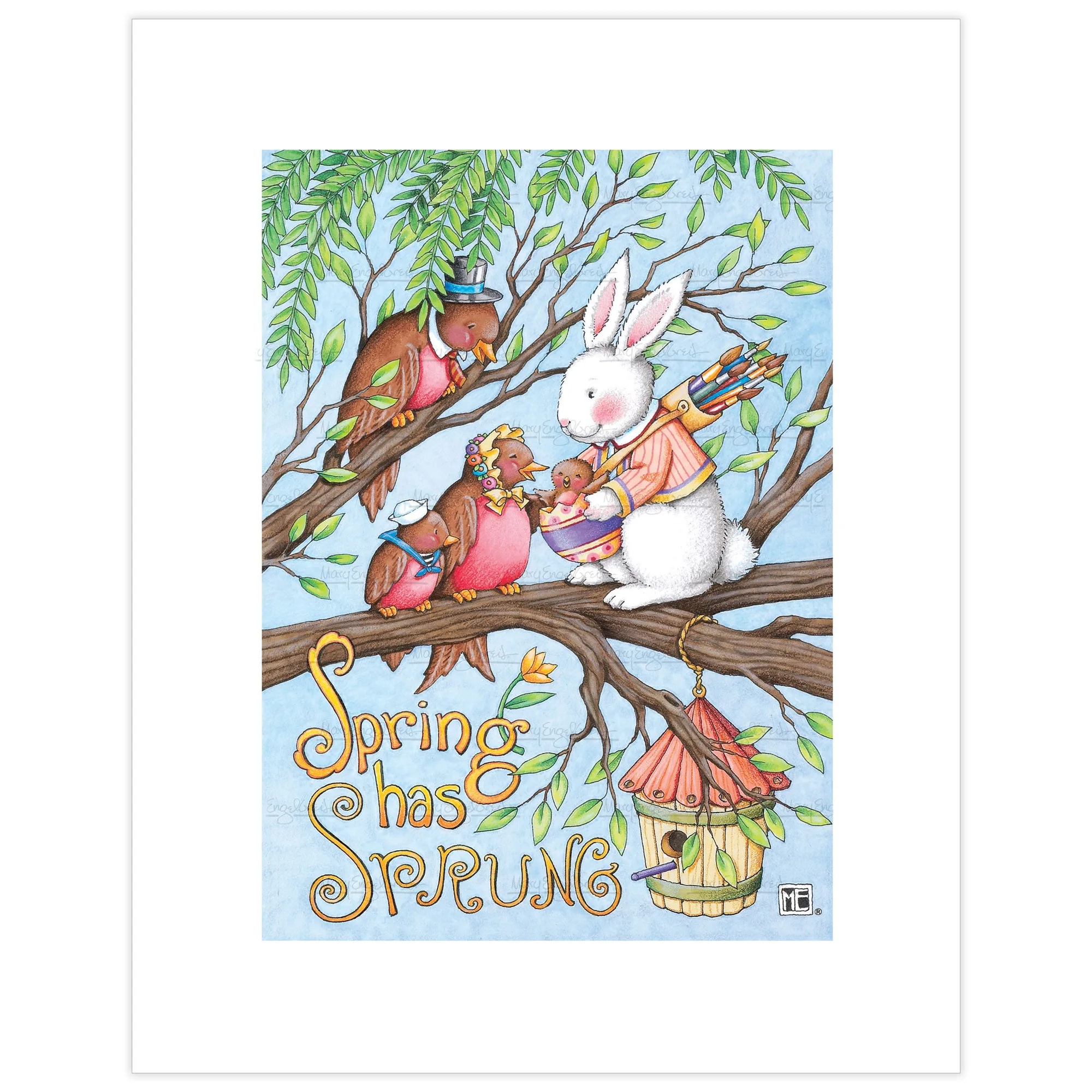
- Spring Has Sprung Fine Art Print: Reads "Spring Has Sprung," is printed on high-quality textured paper in standard frame sizes, and is available with Mary's signature; all fine prints are created to order with up to one week for processing. A small framed print near the table adds color without taking up table space, and standard sizing makes it easy to frame later. Plan ahead if you need it for a specific date because print orders take up to a week to process.
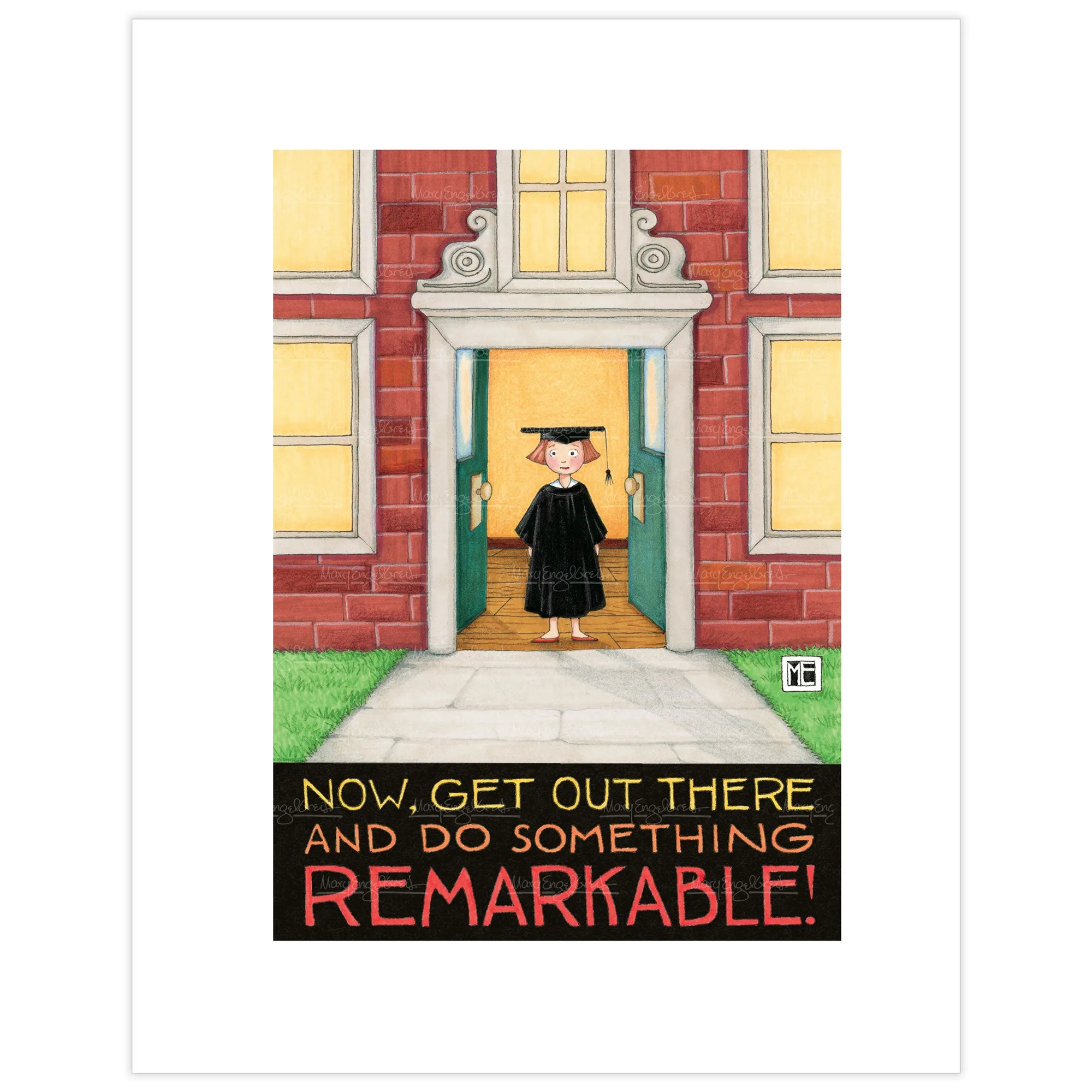
- Remarkable Fine Art Print: Reads "Now, get out there and do something remarkable!" and is printed on high-quality textured paper in standard frame sizes, available with Mary's signature. A text print works as a low-commitment centerpiece alternative on a sideboard or shelf, so the table itself stays clear for plates and coasters.
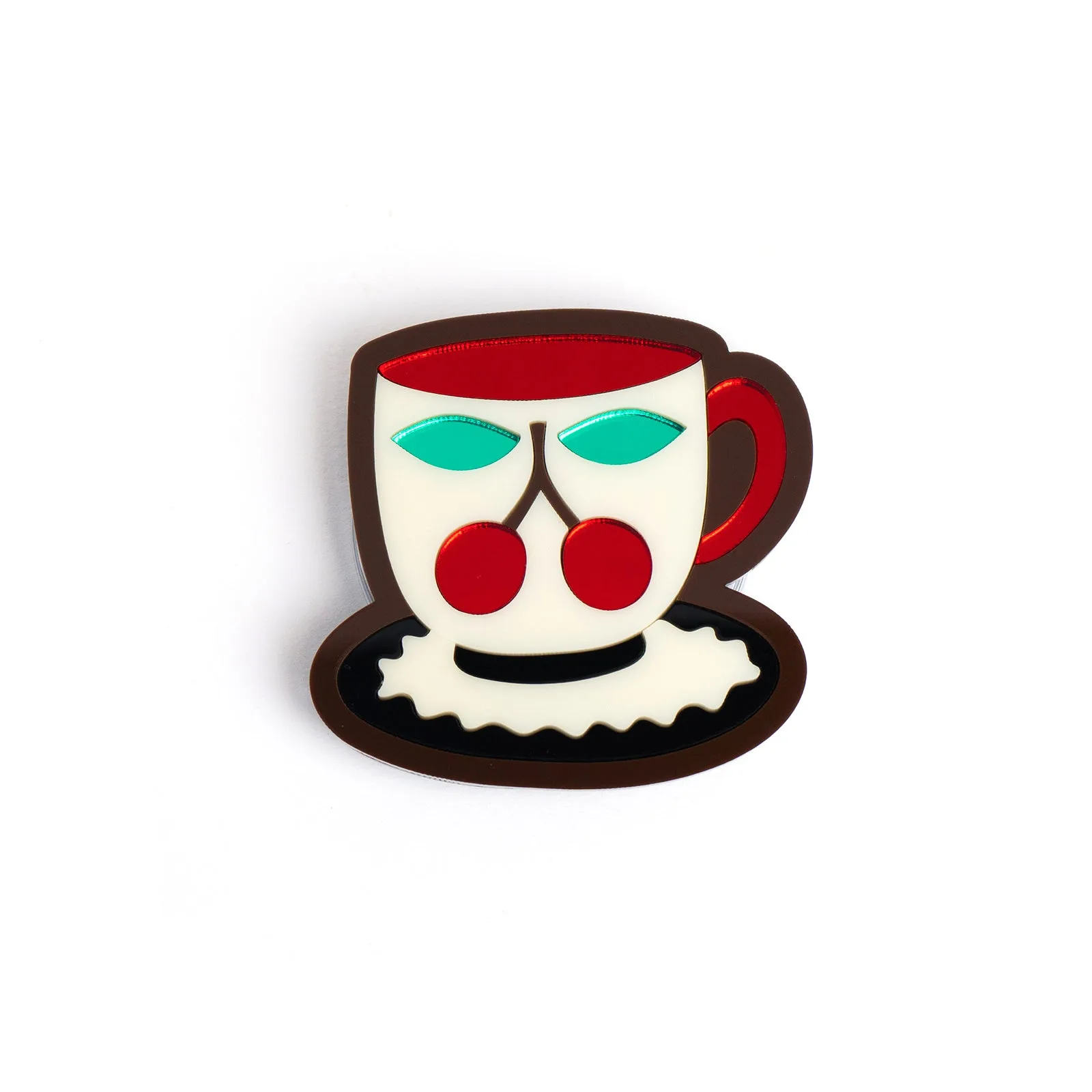
- Cherry Teacup Phone Grip: A Teacup MagSafe Phone Charm from the Mary Engelbreit Collection with a reliable MagSafe attachment and a customizable design. Keeps a phone off the table surface and out of the way during meals, which is one of the easiest ways to make a table feel calmer.
A cozy table comes from a repeatable order, not a shopping spree. Start with the base, set seat by seat, and let coasters, napkin rings, and tea towels do the decorating. If you can reset it in five minutes, you have built a table you will actually use.