Quick Answer
Set up a pretend doctor station by choosing a dedicated space, using a multi-sided wooden activity center, and adding simple props like a toy stethoscope and bandages.
Why a Doctor Station Matters
A pretend doctor station lets kids act out medical visits in a safe, playful way. It helps reduce anxiety about real doctor appointments and builds empathy as they care for stuffed animals or dolls. The setup also encourages language development and problem-solving as children create their own scenarios.
Choosing the Right Play Center
A multi-sided wooden play center offers multiple activity zones in one compact footprint. Look for features like a waiting area, check-in desk, and exam space to support different roles—patient, doctor, receptionist, or nurse. The Melissa & Doug Get Well Doctor Activity Center includes a seat, clock, and changeable artwork, plus a credit card reader for realistic check-outs.
Steps to Set Up Your Doctor Station
- Choose the Location: Pick a low-traffic corner in the playroom or bedroom. Ensure there is enough floor space for the play center and for kids to move around it freely. A spot near a wall or window works well. Avoid placing the station in the middle of a walkway—it can become a tripping hazard.
- Assemble the Play Center: Follow the manufacturer's instructions to assemble the Melissa & Doug Get Well Doctor Activity Center. Tighten all screws securely and check that the piece sits level on the floor. Involve your child in sorting the included accessories. Double-check that all small parts are accounted for and that no sharp edges remain after assembly.
- Add Realistic Props: Gather a toy stethoscope, play bandages, a small clipboard, and a stuffed animal or doll. Place these in the center's compartments so kids can easily reach them. A simple toy phone or tablet can serve as a receptionist tool. Rotate props every few weeks to keep the play fresh—for example, swap the stethoscope for a toy thermometer.
- Create a Waiting Area: Place a small chair or stool next to the play center for the waiting area. Add a toy clock and a few picture books. Let your child hang their own artwork on the center's changeable artwork panel. If space is tight, skip the chair and use a floor cushion instead.
- Set Up a Check-In Desk: Use the credit card reader and card from the play center to create a check-in routine. Show your child how to swipe the card and pretend to sign a form. This step builds early literacy and math skills. Keep a small notepad and pencil nearby for writing pretend prescriptions or appointment times.
- Introduce the Roles: Demonstrate how to be a gentle doctor: check the patient's heartbeat, look in their ears, and give a shot. Then let your child take the lead. Offer prompts like 'What does the patient need today?' to guide the play. If your child seems shy about medical play, start by being the patient yourself and let them practice being the doctor.
Product Facts
-
Get Well Doctor Activity Center: This sturdy, multi-sided wooden play space has everything kids need to role play visits to the doctor’s office. The multiple sides let several children play together, each taking a different role, which keeps the play engaging and cooperative.
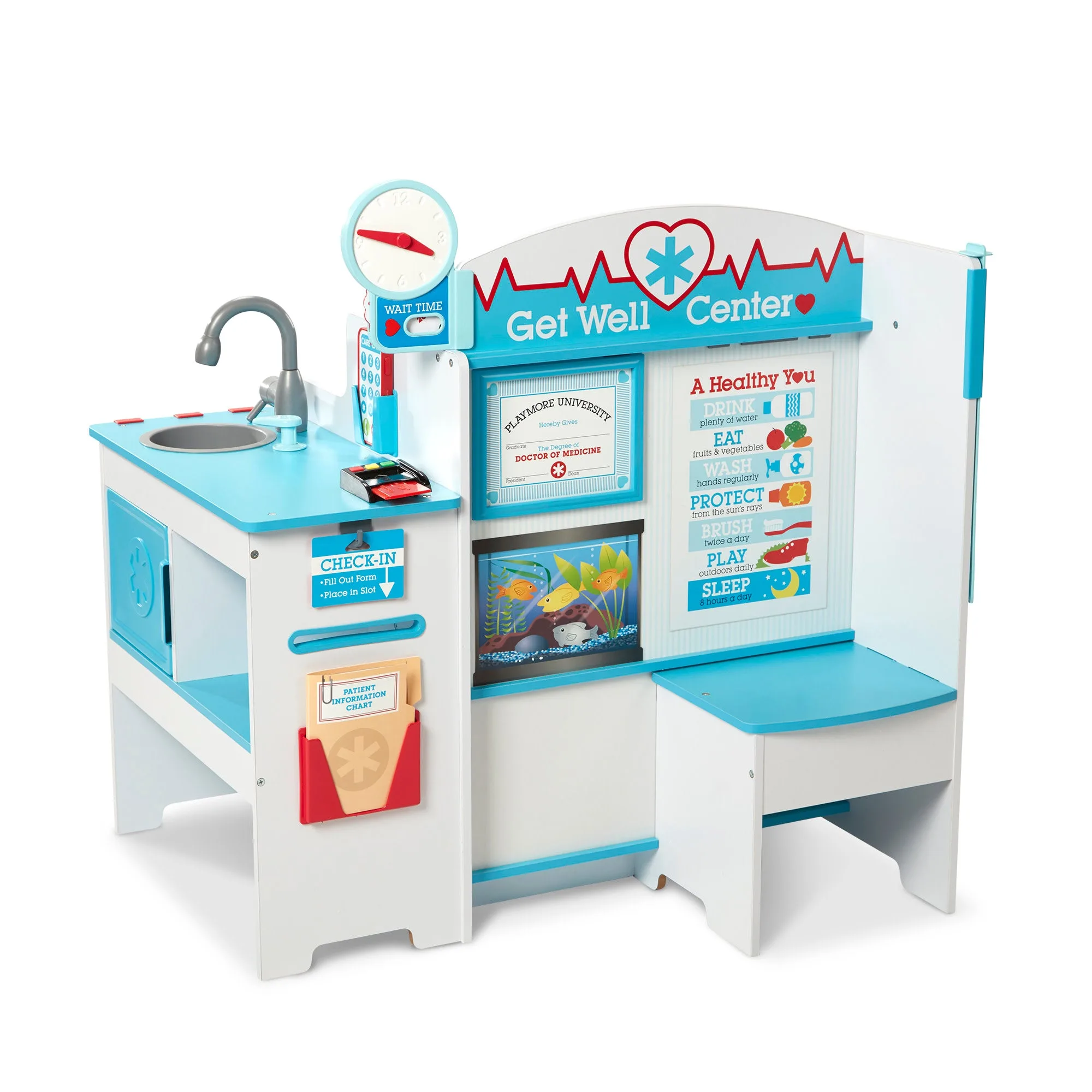
Get Well Doctor Activity Center
-
Baby Care Center and Accessory Sets: This multi-functional doll and stuffed animal wooden baby care activity center includes a kitchen, changing area, and bathtub with spray nozzle. If your child prefers caring for baby dolls, this center adds feeding and bathing scenarios that extend the medical play into nurturing routines.
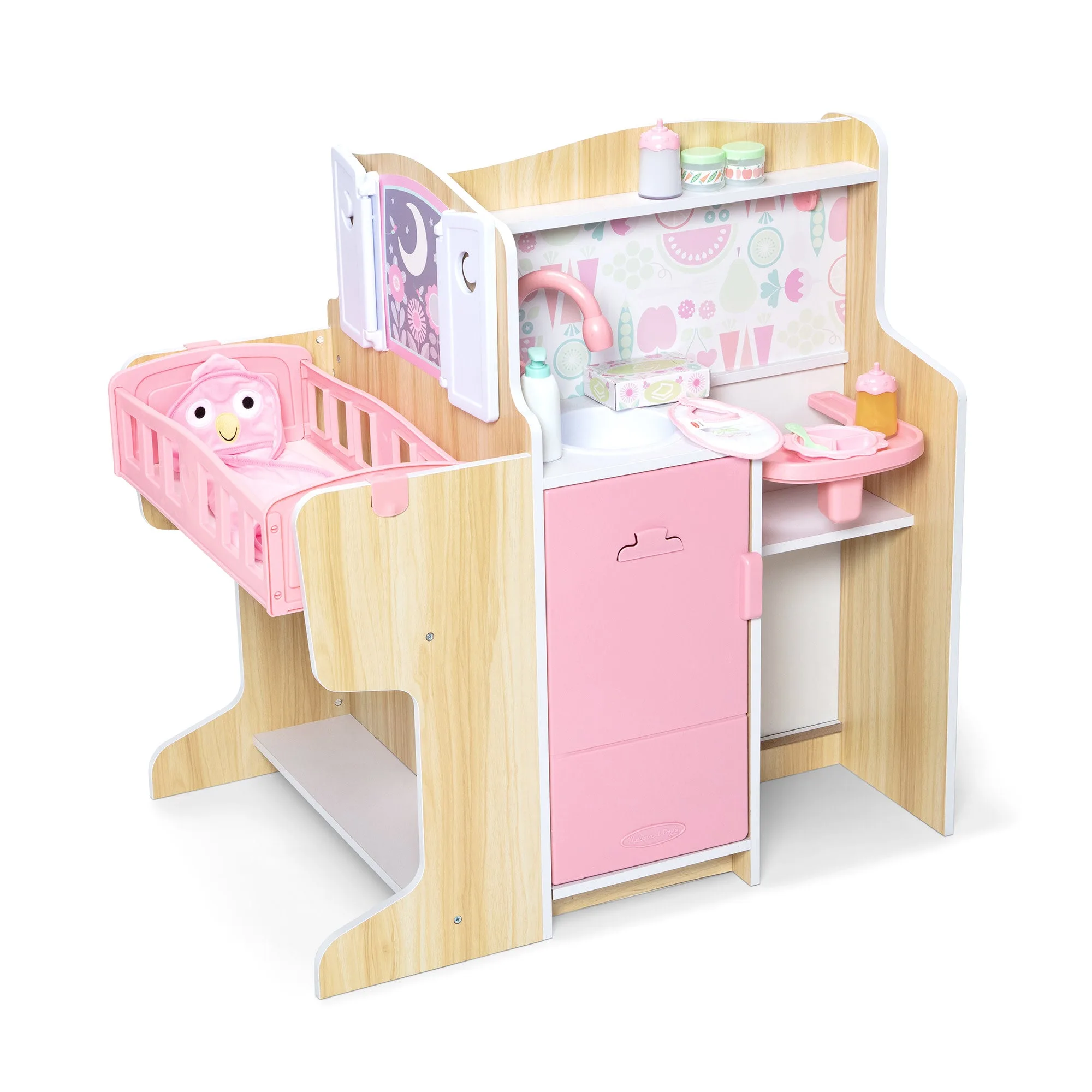
Baby Care Center and Accessory Sets