Quick answer
Start with a firm, reversible floor mat, anchor or remove furniture that can tip, cover outlets, and keep toys in low bins your child can reach. Then set up a soft landing zone, add a baby-proofed play zone, and check the room at your child's eye level. A safe playroom setup grows with your child, so review it every few months.
A safe playroom setup is less about buying a lot of gear and more about controlling the room itself. Babies and toddlers explore by falling, pulling, and putting things in their mouths, so your job is to remove the hazards they will find before they find them.
This guide walks through an ordered process, from clearing the floor to choosing a foam mat play area and storing toys so your child can play independently. Each step includes the mistake that most often undoes the work.
Step 1: Clear the floor and define the play zone
Start with an empty floor. Remove furniture, cords, and small objects, then mark the area your child will use. A defined zone makes baby proofing easier because you only need to secure one part of the room. If the playroom doubles as a guest room or office, use a low gate or a sturdy shelf to separate the spaces rather than relying on your child to stay put.
A common mistake is leaving a single overlooked item, such as a phone charger or a coin, inside the zone. Crawl the perimeter on your hands and knees and pick up anything smaller than a toilet paper roll.
- Checkpoint: the floor is clear, the zone is defined, and nothing small is within reach.
Step 2: Baby proof the room's fixed features
Secure what you cannot move. Anchor bookcases and dressers to the wall, cover unused outlets with sliding plates, and add corner guards to sharp table edges. Window blind cords should be tied up or replaced with cordless options, and any low window should have a latch that stops it from opening more than a few inches.
The mistake here is anchoring furniture but leaving the items on top within reach. A lamp, a picture frame, or a heavy toy on a dresser can still fall. Clear the top surfaces of anything your child could pull down.
- Checkpoint: furniture is anchored, outlets are covered, and no loose items sit above waist height.
Step 3: Add a soft landing with a foam mat play area
Toddlers fall while learning to walk, so a cushioned surface under the play zone reduces bumps. A reversible floor mat unfolds in seconds and helps cushion bumps and tumbles, so little ones can move, explore, and play with confidence. Look for a mat that is lightweight and foldable, because you will move it for cleanup or to refresh the space.
The mistake is choosing a mat that slides on hard floors. Check that the backing grips, or place it over a rug. A wipe-clean surface also matters, since spit-up, snacks, and diaper leaks are part of daily play.
- Checkpoint: the mat stays put when your child pushes off it, and it wipes clean.
Step 4: Set up a baby-proofed play zone with safe toys
Choose toys that match your child's stage and have no small parts, sharp edges, or long strings. For babies who are sitting up, a soft-sided ball pit gives them a contained space to practice balance. The Kids' Ball Pit for Home with 200 Balls has soft but sturdy walls that offer security when babies sit upright, so you don't have to worry about bumps and bruises while they play.
The mistake is filling the zone with too many toys at once. Rotate a small selection and store the rest out of reach. Fewer choices mean less clutter underfoot and easier cleanup.
- Checkpoint: every toy in the zone is age-appropriate and has no loose parts.
Step 5: Make storage child-friendly and safe
Low, open bins let toddlers put toys away themselves, which builds independence and keeps the floor clear. Avoid heavy lids, hinged toy chests, and tall stacks that can topple. If you use a shelf, anchor it and keep the heaviest items on the bottom.
A common mistake is storing toys in a way that requires an adult every time. If your child cannot reach the bin, the toys end up on the floor anyway. Put the most-used items at arm's length and rotate the rest.
- Checkpoint: your child can reach and return at least one bin without help.
Step 6: Recheck the room as your child grows
A room that is safe for a six-month-old is not automatically safe for a walking toddler. Once your child pulls up and cruises, table edges, low shelves, and anything within climbing reach become fair game. Recheck the room at your child's eye level every few months and after any new furniture arrives.
The mistake is treating baby proofing as a one-time task. Set a reminder to review the playroom when your child hits a new milestone, such as rolling, crawling, or climbing.
- Checkpoint: you have rechecked the room since your child's last big motor milestone.
Your safe playroom setup checklist
- Clear and define: Empty the floor, remove small objects, and mark the play zone with a gate or furniture. Crawl the perimeter and pick up anything smaller than a toilet paper roll.
- Secure the room: Anchor furniture, cover outlets, tie up blind cords, and clear high surfaces. If you can pull it down, your child can too.
- Add a soft landing: Place a reversible, wipe-clean mat over the play zone and check that it does not slide. A mat that moves is a trip hazard, not a cushion.
- Set up safe play: Choose age-appropriate toys with no small parts, and use a contained space like a soft ball pit for sitters. Rotate toys instead of piling them all in at once.
- Store at child height: Use low, open bins and anchor any shelving. If your child cannot reach the bin, toys stay on the floor.
- Recheck as they grow: Review the room after each new motor milestone and after new furniture arrives. Baby proofing is a routine, not a one-time event.
Playroom products that support a safe setup
- Reversible Floor Mat | Cars & Roads: The Reversible Floor Mat unfolds in seconds and helps cushion bumps and tumbles, so little ones can move, explore, and play with confidence. It is lightweight and foldable, and packs neatly into the included travel bag. A cushioned, wipe-clean surface under the play zone reduces the impact of falls and is easy to move for cleanup or travel.
- Kids' Ball Pit for Home with 200 Balls | Aqua: The Kids' Ball Pit has soft but sturdy walls that offer security when babies sit in an upright position, so you don't have to worry about your little one getting bumps or bruises while they play. For babies learning to sit, a contained ball pit gives them a defined space to practice balance without hard edges.
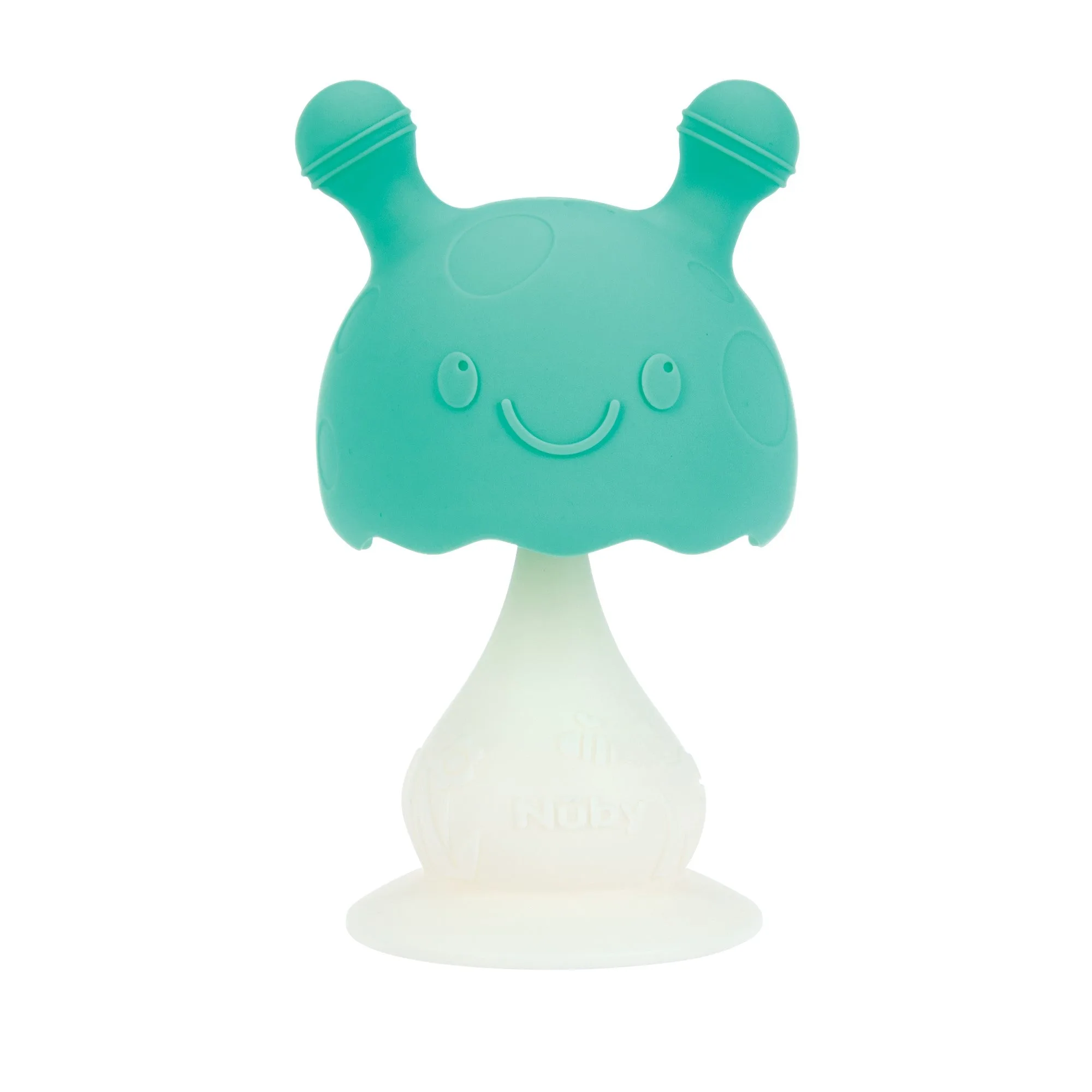
- Mushroom Bobble Head Teether Toy: The Mushroom Bobble Head Teether Toy is made of super soft silicone, which is gentle on your child's sensitive gums. It has a suction base that sticks to most surfaces, keeping the teether steady. A suction base keeps the teether in place on a high chair or play mat, so it is less likely to end up on the floor.
A safe playroom setup comes down to a clear floor, secured furniture, a cushioned mat, and toys your child can actually reach. Walk the room at your child's level, fix what you find, and recheck it as they grow. That routine keeps the space ready for play without constant supervision.