Quick answer
Build your mobile groomer bag setup around three zones: a clean-and-finish zone, a tool zone, and a waste-and-backup zone. Pack the tools you reach for on every pet in the outer pockets, keep colognes and finishing sprays upright in a middle divider, and leave the deepest compartment for backup towels and refills. Then restock the tote at the end of each day, not at the start of the next appointment.
A mobile grooming tote fails for one reason: everything is in one big compartment, so you end up digging with wet hands while a dog waits on the table. The fix is not a bigger bag. It is deciding what belongs within arm's reach and what can live in the vehicle until you need it.
This guide walks through a repeatable setup you can build once and maintain in a few minutes a day. It covers zoning, tool packing, spill control, and the small organizer habits that keep a mobile pet grooming essentials kit usable in driveways, tight parking spots, and cramped van interiors.
Start with the three-zone layout
Before you buy or rearrange anything, divide your work into three zones. Zone one is clean-and-finish: colognes, finishing sprays, and anything applied after the bath. Zone two is tools: brushes, combs, nail equipment, and shears. Zone three is waste and backup: soiled towels, bagged hair, refill bottles, and spare supplies. Assign each zone a physical area of the tote and never mix them, because a wet towel stuffed next to a cologne bottle is how caps loosen and product leaks.
This zoning matters more on mobile work than in a salon, where you can walk to a shelf. In a van or at a client's door, your tote is the shelf. If a zone is not obvious by feel, you will set tools down on the ground or on a client's counter, and that is how items get lost or contaminated between stops.
- Checkpoint: with your eyes closed, you should be able to name which pocket holds your slicker and which holds your cologne.
Pack tools by task, not by size
The instinct is to put the largest tools in the largest pocket. Instead, group by the order you use them. Brushing and de-shedding tools go together so you can pull one and immediately reach the next. Nail equipment goes in its own pocket with nothing soft around it, since grinding and clipping create dust and debris that cling to fabric and brushes. Shears belong in a protected slot or case, never loose where a slicker pin can catch the blades.
Once your tools are grouped by task, packing becomes fast because you are checking categories rather than counting individual items. It also makes a missing tool obvious. If the nail pocket is light, you know immediately, instead of discovering it after you have already set up on a client's driveway.
- Common mistake: storing shears loose in the main compartment, where they knock against brushes and dull or nick.
Keep liquids upright and contained
Colognes and finishing sprays are the most likely items to leak, and a leak ruins the fabric and everything porous around it. Give liquids a dedicated upright slot or a small inner pouch, and keep them away from towels. If your tote has no upright divider, use a small separate pouch for liquids and stand it in the tote rather than laying it flat.
For products you use on nearly every pet, keep a working bottle in the tote and the bulk refill in the vehicle. That keeps the tote light and reduces the chance of a large bottle tipping. It also means a spill affects a small bottle rather than your whole stock.
- Checkpoint: after a full day, check caps and wipe bottle exteriors before they go back in the tote.
Use dividers and small pouches to stop drift
Totes without dividers slowly reorganize themselves into chaos. Add structure with small pouches, elastic loops, or a removable insert. Group small loose items such as nail tips, bands, or wipes into one pouch so they do not scatter. A grooming tote organizer works best when each pouch has a single job, because a pouch holding three unrelated things becomes a junk drawer you stop opening.
Label pouches by zone rather than by product name. Labels like "finish," "nails," and "backup" survive product changes, while a label reading a specific shampoo name becomes wrong the moment you switch products.
- Practical tip: keep one small pouch for personal items so they never end up mixed with grooming tools.
Restock and reset at the end of the day
The setup only holds if you reset it. At the end of each day, remove soiled towels and bagged hair, wipe down tool handles, check liquid levels, and return anything borrowed from the vehicle stock. This takes a few minutes and prevents the morning scramble where you pack in a hurry and forget something.
If you groom multiple pets per day, do a quick mid-day check rather than a full reset. Confirm the nail pocket is stocked and the liquid zone has no leaks. That short check is usually enough to get through the afternoon without a full repack.
- Common mistake: restocking in the morning, when you are rushed and likely to skip items you rarely use but occasionally need.
Your mobile tote setup, step by step
- Step 1: Empty the tote completely: Take everything out, including items you have not touched in weeks. Wipe the interior and check for leaks, hair, or damaged zippers before you put anything back. Checkpoint: if you find a leaking bottle, treat the fabric before repacking.
- Step 2: Assign the three zones: Decide which pocket is clean-and-finish, which is tools, and which is waste and backup. Say it out loud or label it so the layout is fixed rather than improvised each morning. Checkpoint: every pocket should have exactly one zone.
- Step 3: Load tools by task order: Put brushing and de-shedding tools together, nail equipment in its own dust-tolerant pocket, and shears in a protected slot or case. Common mistake: leaving shears loose where slicker pins can catch the blades.
- Step 4: Stand liquids upright: Place colognes and finishing sprays in a dedicated upright slot or inner pouch, separated from towels. Keep bulk refills in the vehicle and only a working bottle in the tote. Checkpoint: nothing liquid should be able to lie flat against fabric.
- Step 5: Add dividers and single-purpose pouches: Use inserts, elastic loops, or small pouches so loose items stay grouped. Label pouches by zone, not by product name. Common mistake: one catch-all pouch that becomes a junk drawer you stop opening.
- Step 6: Reset at the end of every day: Remove soiled towels and bagged hair, wipe handles, check liquid levels, and pull replacements from vehicle stock. Do a short mid-day check on multi-pet days. Checkpoint: the tote should be ready to lift and go before you leave the last appointment.
Products that earn their place in a mobile tote
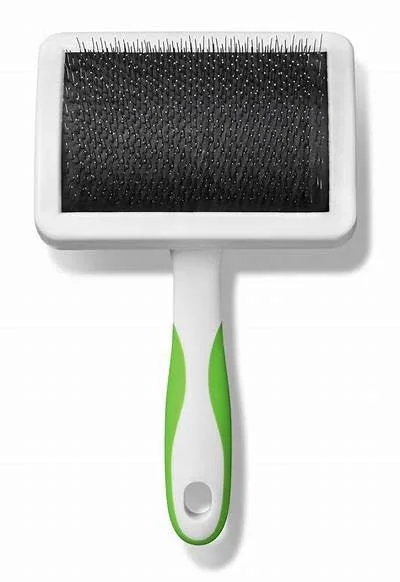
- Andis Slicker Brush-Large: This slicker brush is designed to remove dead and shedding fur from large-sized animals, with a large size and slicker bristles for efficient grooming. A large slicker covers more coat per pass, so it belongs in the outer tool zone where you can grab it first on heavy-shedding dogs.
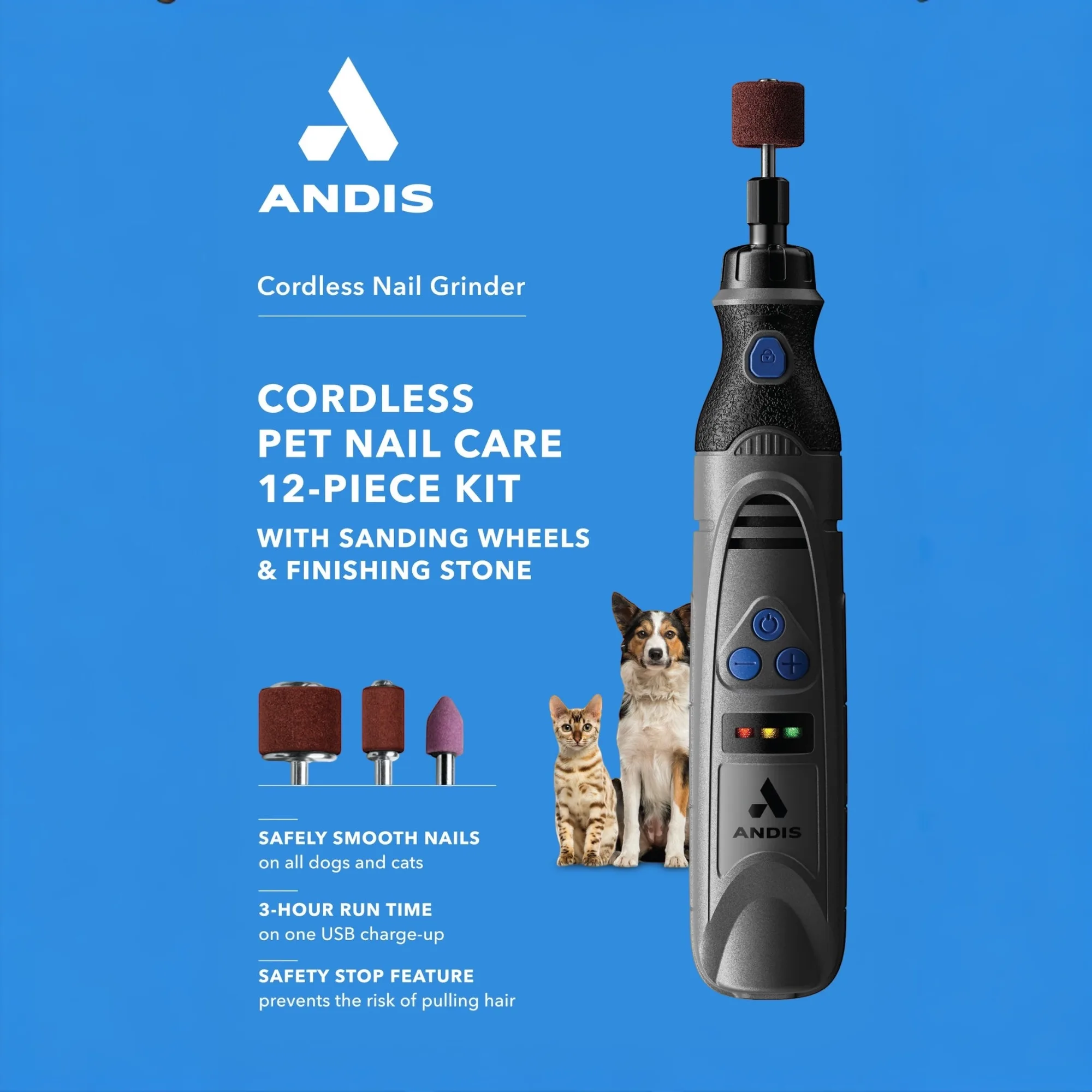
- Andis Cordless Nail Grinder: The cordless design allows for easy mobility and on-the-go use, and the grinder is designed to trim and shape the nails of cats, dogs, and other animals. No cord means you are not hunting for an outlet at a client's home, which makes it a natural fit for the dedicated nail pocket.
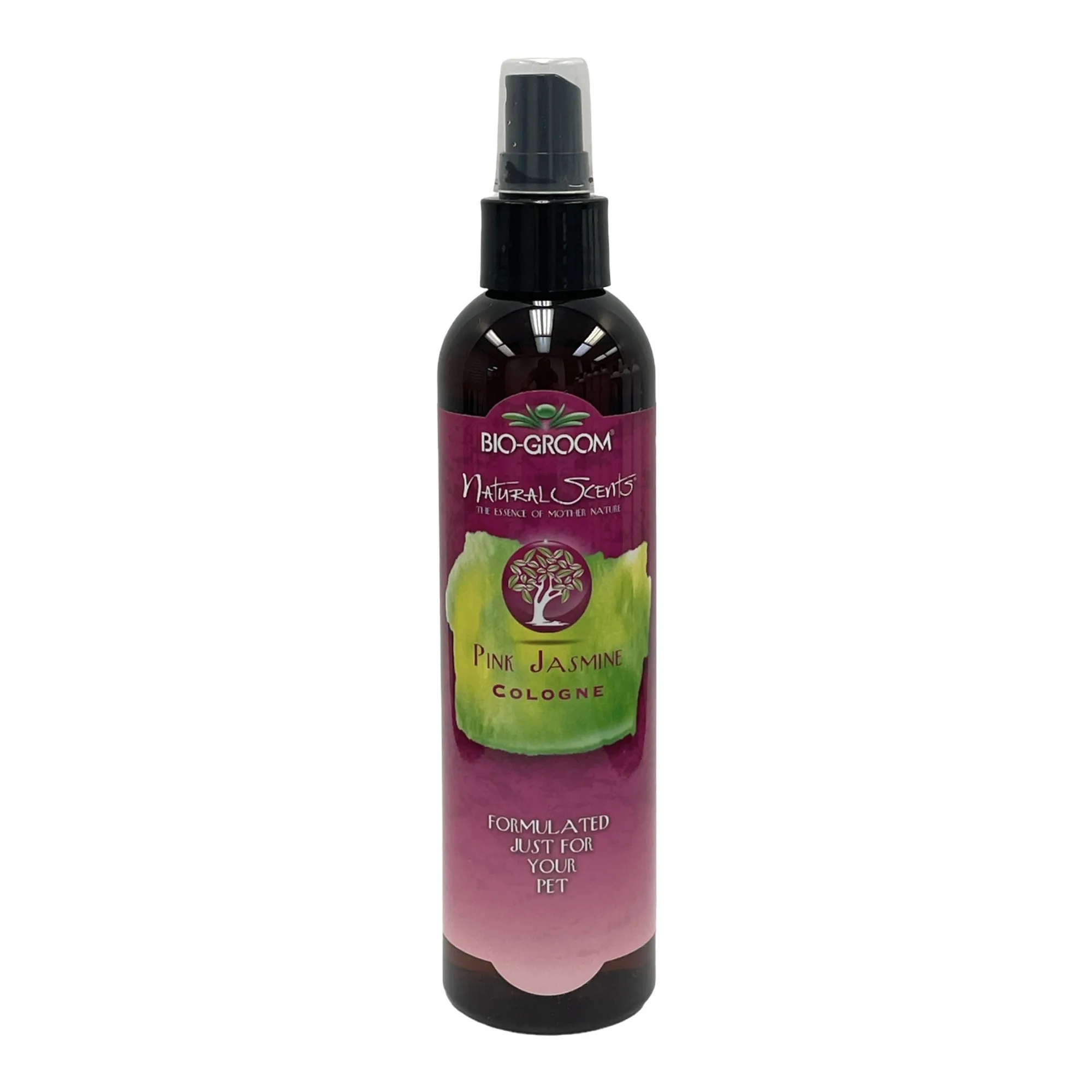
- Bio Groom Natural Scents Pink Jasmine Cologne 8oz: This is a professional quality dog cologne from the Natural Scents Collection, providing a gentle and light fragrance that can be used with any breed of dog. A light, breed-flexible cologne is a safe default for the finish zone when you do not know the client's scent preference in advance.
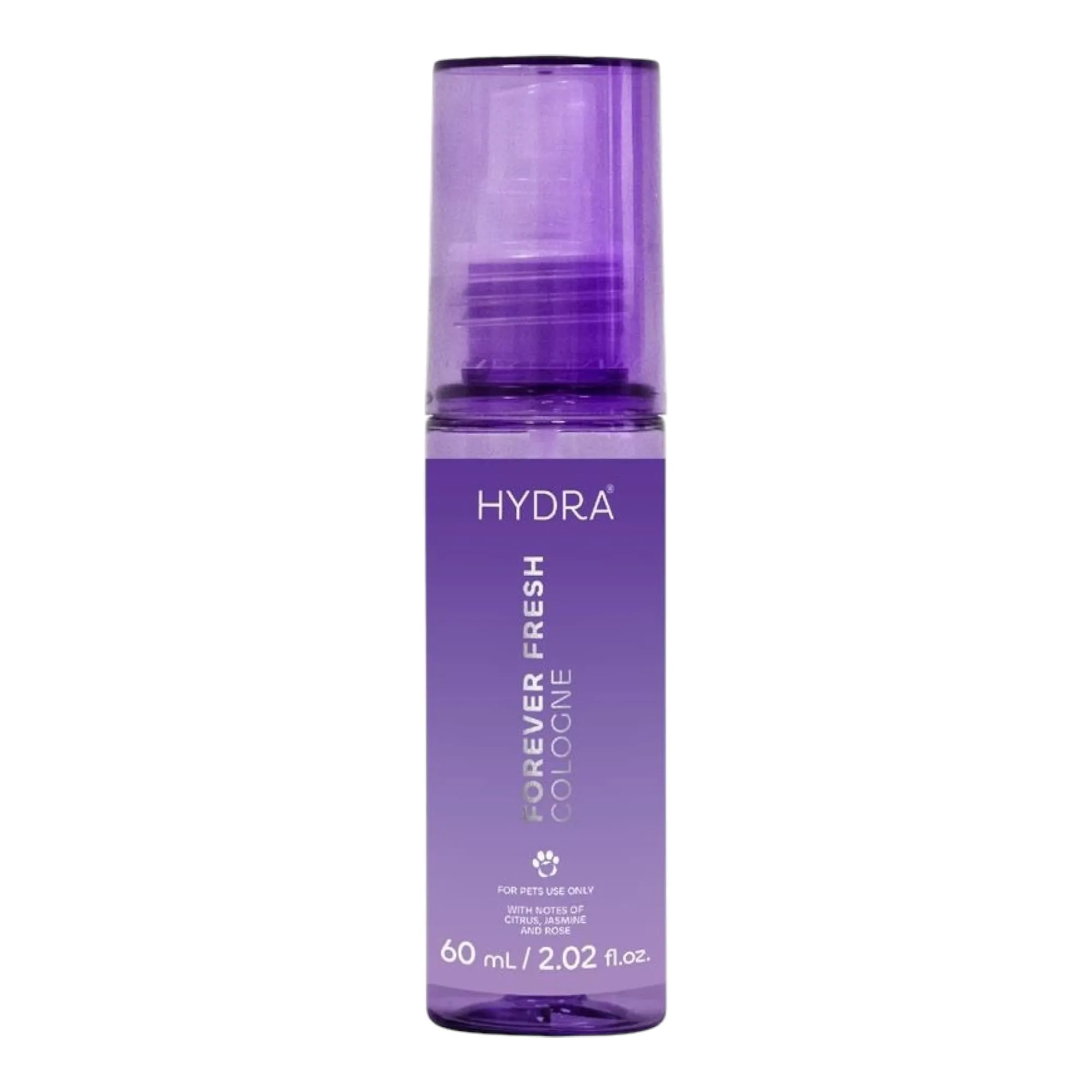
- Hydra Retail Forever Fresh Cologne-2.02oz.: This cologne offers a floral fragrance with pear, citrus, rose, and warm sandalwood notes, and is ideal for use after grooming to leave coats smelling fresh. The compact 2.02 oz bottle fits an upright liquid slot more easily than a large bottle, which lowers the risk of tipping and leaking in transit.
A mobile groomer bag setup works when the layout is fixed and the reset is routine. Zone the tote, pack tools by task, keep liquids upright, and restock at the end of the day. Do that, and you will stop digging mid-groom and start every appointment with what you actually need within reach.