Quick answer
Pick one counter corner or cart, set a tray for coffee and cups, hang a bistro apron within reach, and keep three towels in fixed spots: one for hands, one for spills, one for hot items. A home bistro setup works when every item has a home, so you can host without hunting for a cloth or wiping your hands on your apron.
Choose a corner that already has a surface and an outlet
A small kitchen bistro corner does not need a dedicated room. It needs a stable surface at hip height, a nearby outlet for a kettle or coffee maker, and enough wall or cabinet side to hang an apron and a towel bar. Measure the depth you can spare before buying anything; a 12- to 18-inch-deep cart or a cleared counter end usually fits without blocking walkways.
If you rent or rearrange often, a rolling cart keeps the setup movable. If you have a permanent dead corner, a narrow console or a wall shelf above the counter frees the surface for cups and a tray.
Build the coffee station around one tray
Confine the coffee station to a single tray or shallow basket so grounds, drips, and stray spoons stay contained. Put the brewer or kettle at the back, cups and saucers in front, and a small jar for stirrers or sugar to one side. Keep the tray shallow enough to lift off for cleaning rather than wiping around fixed items.
This is also where a towel earns its place: fold one towel and set it under the brewer or beside the tray to catch drips. A dedicated cloth for the coffee zone means you are not carrying a wet towel across the kitchen.
Hang the apron where you actually stand
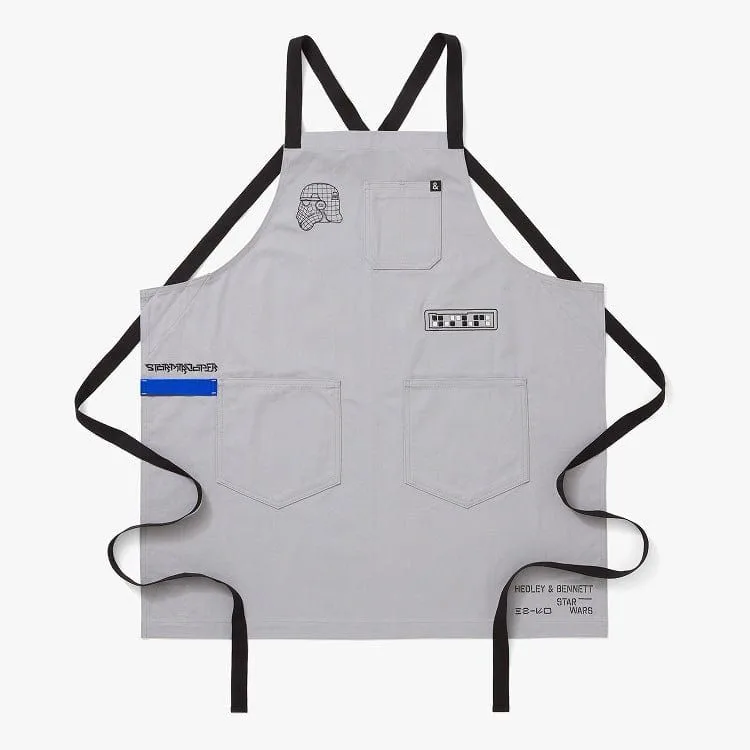
Hang your apron at the station, not in a closet. The point of a bistro apron is that you can tie it on in seconds when guests arrive or when you start plating. A hook on the side of a cabinet, a wall peg, or the cart handle all work if the apron clears the floor and does not brush the counter.
If you host often, keep the apron slightly loose so it goes on over everyday clothes without retying. If you cook in it daily, tighten the waist so the bib does not swing into the coffee tray. A minimalist apron with a clean front panel is easier to wipe and less likely to catch on cabinet pulls than one with dangling ties or deep pockets.
Assign each towel a job and a spot
Three towels cover most home bistro tasks: one on a bar for drying hands, one folded on the counter for spills, and one within reach of the oven or toaster for hot handles. Keep them in separate spots so a greasy towel never ends up drying a wine glass. A set of three in one color makes it obvious when one is missing from its station.
Wash towels before first use to set the weave and improve absorbency, and rotate them so no single towel wears out first. If your station is near the dining table, choose a color that reads as intentional rather than utilitarian.
Set the hosting rhythm before guests arrive
Ten minutes before people show up: fill the kettle or brewer, set out cups, tie on the apron, and place the hand towel on the bar. During service, use the counter towel for spills and leave the hand towel alone. After, clear the tray, hang the apron to air, and drop the used towels in the wash rather than leaving them damp on the counter.
A home cafe setup guide is really a reset routine. If the station takes more than two minutes to restore, simplify it: fewer cups, one tray, one towel per job.
Steps to set up your home bistro station
- Clear and measure one corner: Empty a counter end or cart top, then measure usable depth and height. Check for an outlet within cord reach. Common mistake: choosing a spot that blocks a walkway. Leave at least 24 inches of clear path.
- Place the tray and coffee gear: Set a shallow tray at the back of the surface, put the brewer or kettle on it, and arrange cups in front. Checkpoint: you should be able to lift the whole tray off without unloading it.
- Hang the apron at the station: Install a hook or peg where you stand to make drinks, at a height that keeps the apron hem off the floor. Common mistake: hanging it behind a door. If you have to leave the station to put it on, you will not wear it.
- Assign three towels to three spots: Put one towel on a bar for hands, one folded on the counter for spills, and one near the oven or toaster for hot items. Checkpoint: each towel has a distinct location and job, so none migrates into the wrong task.
- Run a two-minute reset test: After making a drink, time how long it takes to clear the tray, hang the apron, and return towels to their spots. If it takes longer than two minutes, remove one item from the station rather than adding storage.
Products that fit this setup
- Paprika Red Chef's Towels - Set of 3: Paprika Red Chef's Towels - Set of 3, designed for everyday kitchen use including wiping, drying, and handling hot cookware. A three-towel set matches the three-job system: hands, spills, and hot items, so you can keep one at each station without borrowing from another.
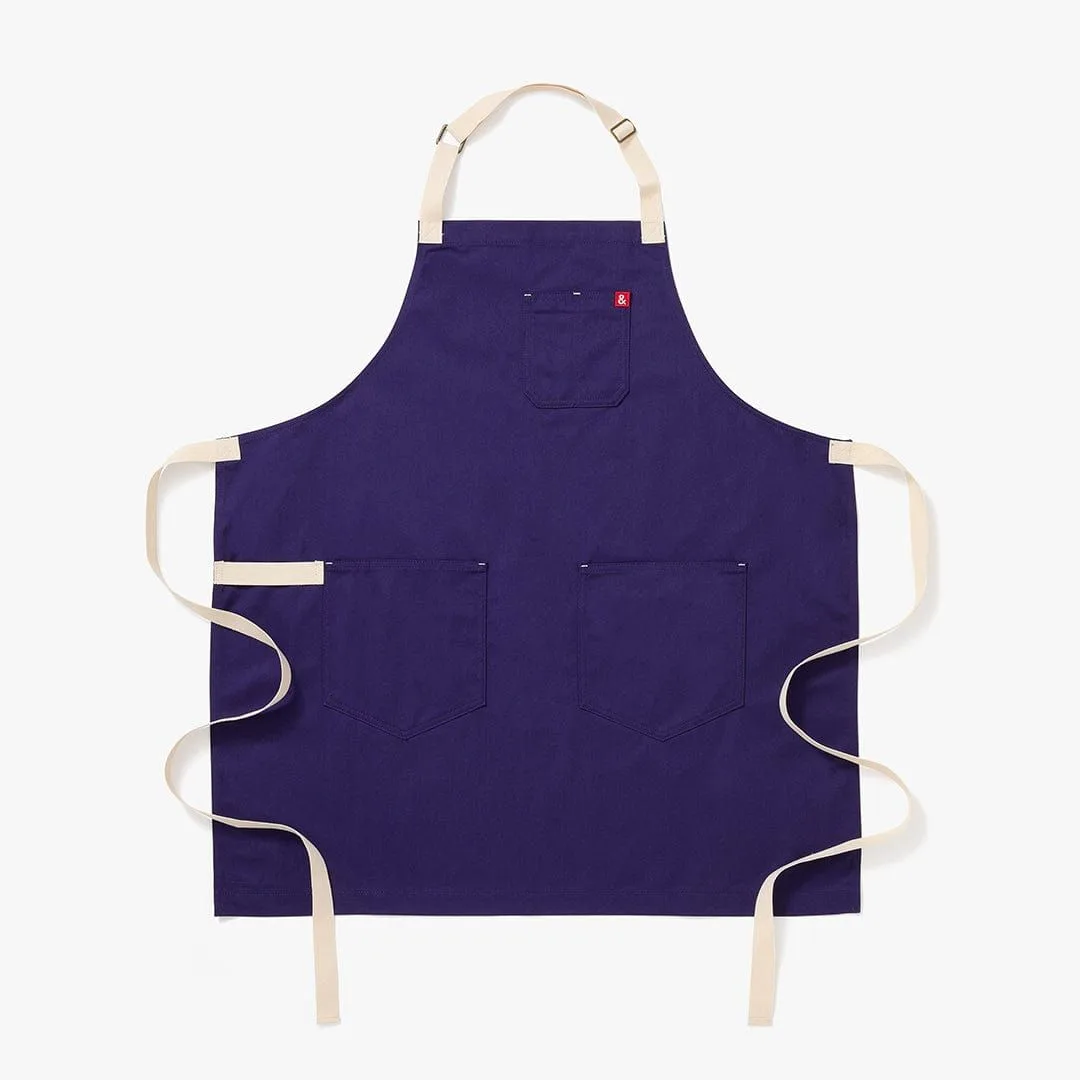
- Broccolini Minimalist Apron: Broccolini Minimalist Apron in cotton slub with a minimalist design and regular fit. The clean front and regular fit make it easy to tie on over everyday clothes at a small station, and the textured cotton slub suits daily use.
- Damask Blue Small Batch Essential Apron: Damask Blue Small Batch Essential Apron features a rich damask blue pattern and is part of the Small Batch collection. If your bistro corner doubles as a visible part of the dining room, a patterned apron reads as part of the setup rather than a utility item left hanging.