Quick answer
Set up a Montessori play space by choosing a quiet corner, placing a soft mat, and arranging a few items from your baby box on a low shelf. Rotate toys every few weeks to keep your baby engaged and support their growing skills.
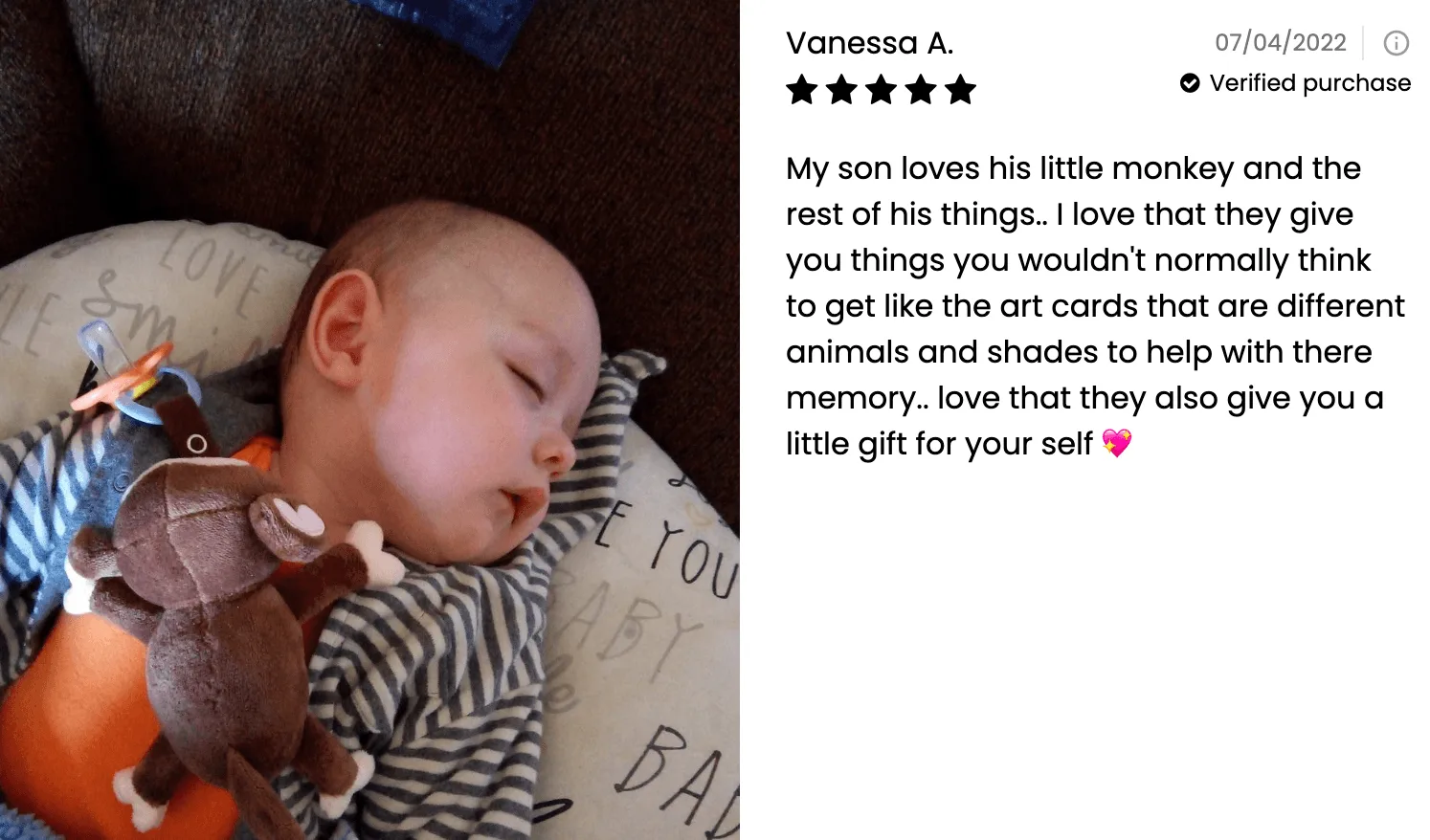
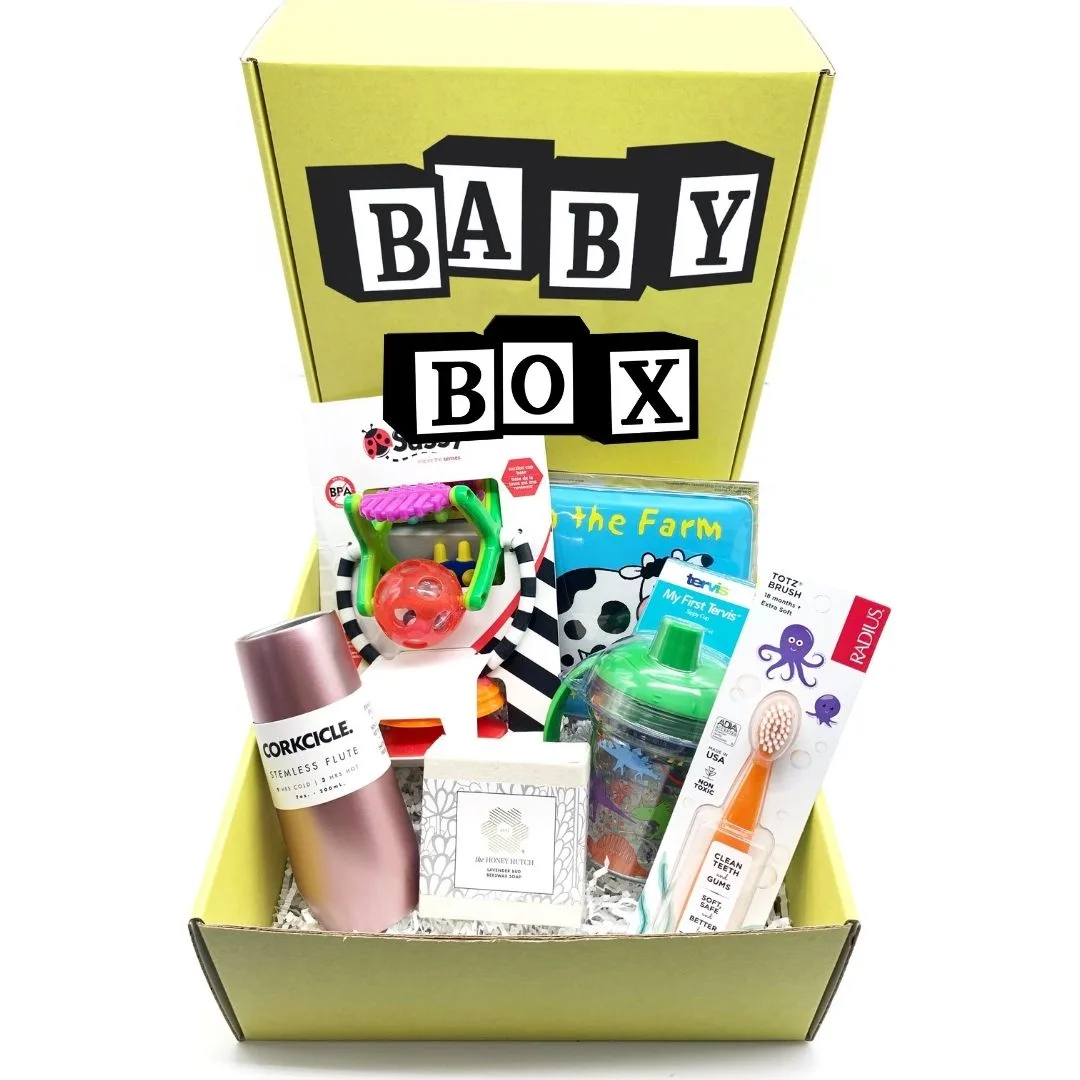
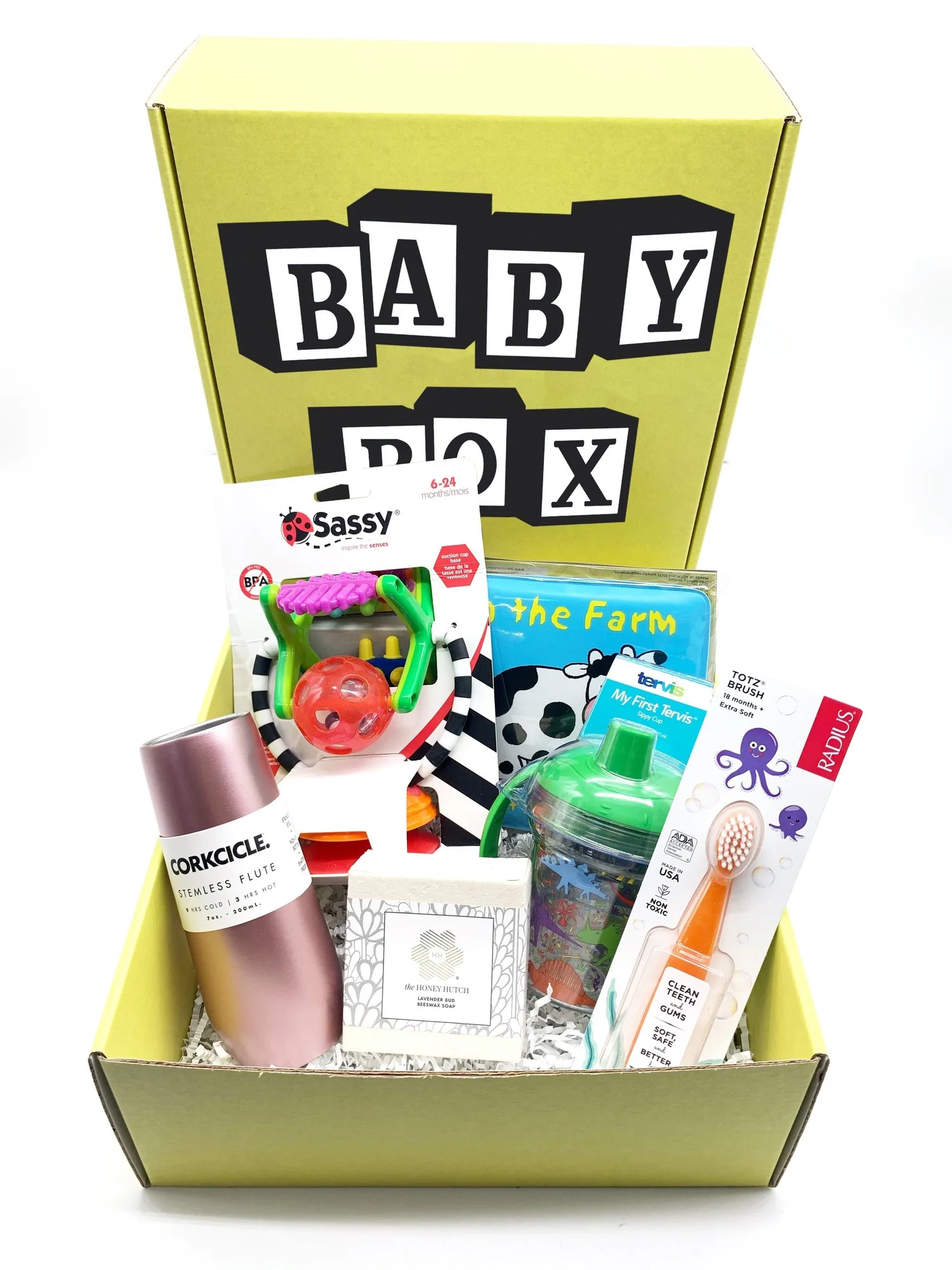
baby box
Why a Dedicated Play Space Matters
A dedicated Montessori play space helps your baby focus, explore freely, and develop independence. It doesn't need to be large — a corner of the living room works perfectly. The key is to keep it tidy, safe, and accessible so your baby can choose what to play with.
Using items from your monthly baby box, like the Montessori Educational Box (0-6 Months) with its black and white sensory cards and gripping ball, you can create a space that evolves with your child's developmental stage.
Choosing the Right Location
Pick a spot with good natural light, away from busy walkways and distractions like the TV. A quiet corner allows your baby to concentrate. Ensure the area is free from cords, sharp edges, and small objects that could be a choking hazard.
A common mistake is placing the play space in the middle of a high-traffic room. This can overwhelm your baby and make it hard for them to settle into focused play.
Setting Up the Shelf and Mat
Use a low, sturdy shelf that your baby can reach from a sitting or crawling position. Place a soft, washable mat on the floor in front of it. On the shelf, display only a few toys — three to five items is ideal. Rotate these every one to two weeks based on your baby's interest.
For example, with the Montessori Educational Box (3-4 Months), you might place the tummy time mirror and ladybug marca on the shelf, then swap in the hand to hand discs and animal parade links after a week.
Arranging Toys for Independent Play
Place each toy on a small tray or in a shallow basket so your baby can see and reach them easily. Avoid stacking toys or putting them in containers with lids. The goal is to let your baby choose and retrieve items independently.
A common checkpoint: if your baby ignores the shelf, you may have too many toys out. Reduce to two or three items and observe how their engagement changes.
Rotating Toys from Your Baby Box
Toy rotation keeps the play space fresh and matches your baby's developmental needs. Every month, when your new baby box arrives, swap out older toys for the new ones. Store the rotated toys in a closed bin out of sight — out of sight keeps them novel when they return.
For older babies, like those using the Montessori Educational Box (25-27 Months), you can include the fishing game and counting shelf. Rotate these with puzzles or stacking toys to challenge fine motor skills and problem-solving.
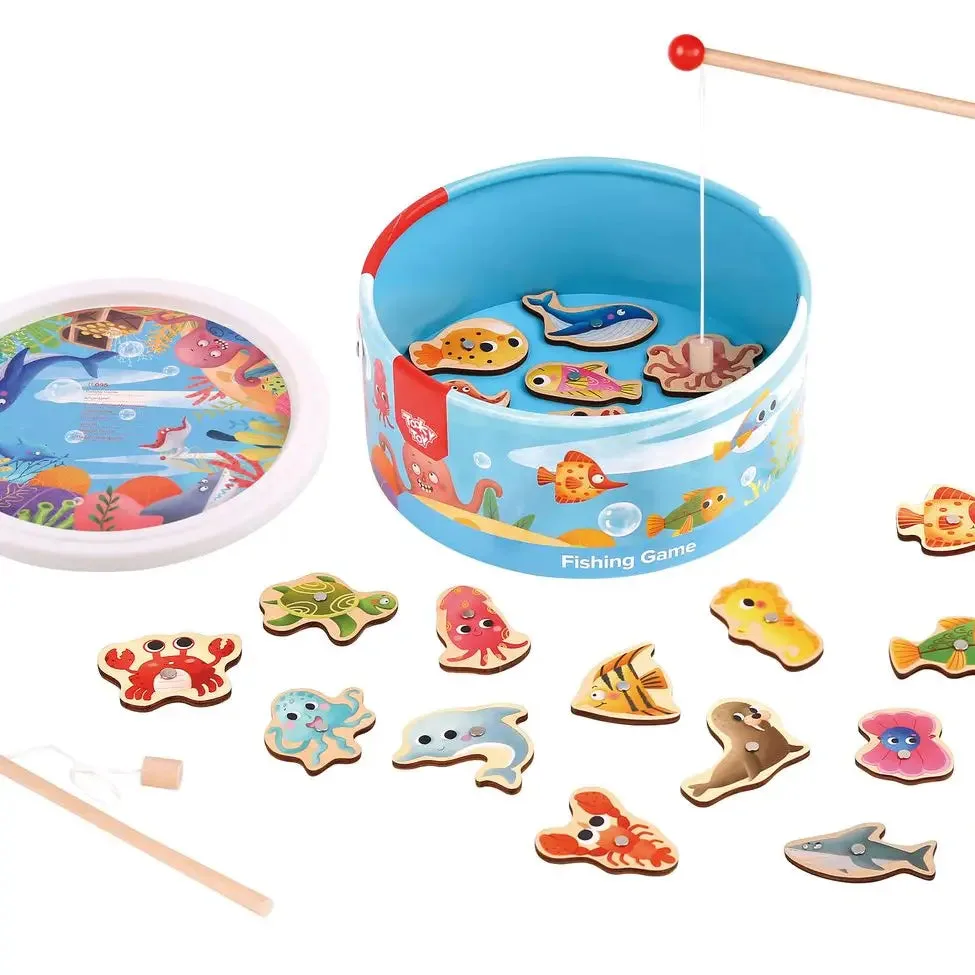
fishing game
Step-by-Step: Setting Up Your Montessori Play Space
- Choose a calm corner: Pick a low-traffic area with good light and no hazards. Place a soft mat on the floor. Checkpoint: Avoid high-traffic zones — your baby needs quiet to focus.
- Set up a low shelf: Use a sturdy shelf at your baby's height. Place 3-5 toys from your baby box on trays or in baskets. Checkpoint: If your baby ignores the shelf, reduce to 2-3 items.
- Rotate toys regularly: Swap toys every 1-2 weeks using items from your monthly baby box. Store rotated toys out of sight. Checkpoint: Rotate before your baby loses interest — novelty sparks engagement.
Products That Help You Build the Space
- Montessori Educational Box (0-6 Months): Educational box for babies aged 0-6 months, full of developmental items that encourage exploration through sensory play. Each box comes with 6 products, all products are made from sustainable and safe material. This box gives you a ready-made set of sensory toys perfect for a newborn's first play space. The black and white cards and gripping ball are ideal for early visual and tactile exploration.
- Montessori Educational Box (3-4 Months): Educational box for babies aged 3-4 months, full of developmental items to aid baby in their cognitive growth. Each box comes with 6 products, all products are made from sustainable and safe material. As your baby grows, this box adds tummy time tools and grasping toys that support cognitive milestones. The included items are easy to arrange on a low shelf for independent play.
- Montessori Educational Box (25-27 Months): Educational box for babies aged 25-27 months, full of developmental items to aid baby in their cognitive growth. Each box comes with 6 products, all products are made from sustainable and safe material. For toddlers, this box offers more complex toys like a fishing game and counting shelf that encourage problem-solving and fine motor skills. These items work well in a rotation schedule to maintain challenge and interest.