Quick Answer
To set up a solid inner tent for winter camping, swap the mesh inner body for the solid-paneled version before pitching, then follow the same pitch sequence as your regular tent while paying extra attention to ventilation and condensation.
Why a solid inner tent helps in winter
A solid inner tent replaces the all-mesh body of your Bryce or Zion tent with panels that block wind and retain more warmth. This makes a real difference when you're camping in exposed, cold conditions. The trade-off is reduced airflow, so you need to manage ventilation carefully to avoid condensation inside the tent.
Know your tent's solid panel coverage
Solid inner tents are not all the same. For the Bryce 1P and 2P, the solid panels cover the bottom two-thirds of the body, leaving the top third as mesh. For the Zion 1P, 2P, and 3P, the solid panels cover the bottom half, leaving the top half mesh. This difference affects how much wind protection and ventilation you get, so consider your typical winter conditions when choosing which tent to use.
Step-by-step setup for a solid inner tent
- Swap the inner body before pitching: Unclip the existing mesh inner from the fly or poles and replace it with the solid inner body. Make sure all clips and toggles are securely attached before you raise the tent. Checkpoint: confirm the solid panels are oriented correctly (usually the side with the door) so you don't have to redo it later.
- Pitch the tent as usual, but mind the wind: Follow the same pitch sequence as with the mesh inner: stake out the corners, insert poles (if applicable), and attach the fly. In winter, choose a sheltered spot and orient the smallest panel or the door away from the prevailing wind. Checkpoint: ensure all guylines are tensioned to prevent flapping in strong gusts. Always stake out the windward side first to keep the tent from catching the wind like a sail.
- Manage ventilation actively: Because solid panels reduce airflow, open the top mesh vents or the fly's vents slightly before you sleep. On cold, clear nights, crack a vent to let moisture escape; on windy or snowy nights, close it partially but never fully if condensation is a concern. Checkpoint: in the morning, check the inside of the fly for frost or dampness and adjust venting for the next night. If you wake up with condensation on your sleeping bag, open the vents more next time.
Product facts
-
Solid Inner Body for Bryce 1P and 2P Tents: The solid inner tent for Bryce 1P and 2P features lightweight 20D ripstop nylon panels covering the bottom two-thirds of the body, with mesh at the top for ventilation. This gives you more wind and weather protection in winter while still allowing some airflow to reduce condensation.
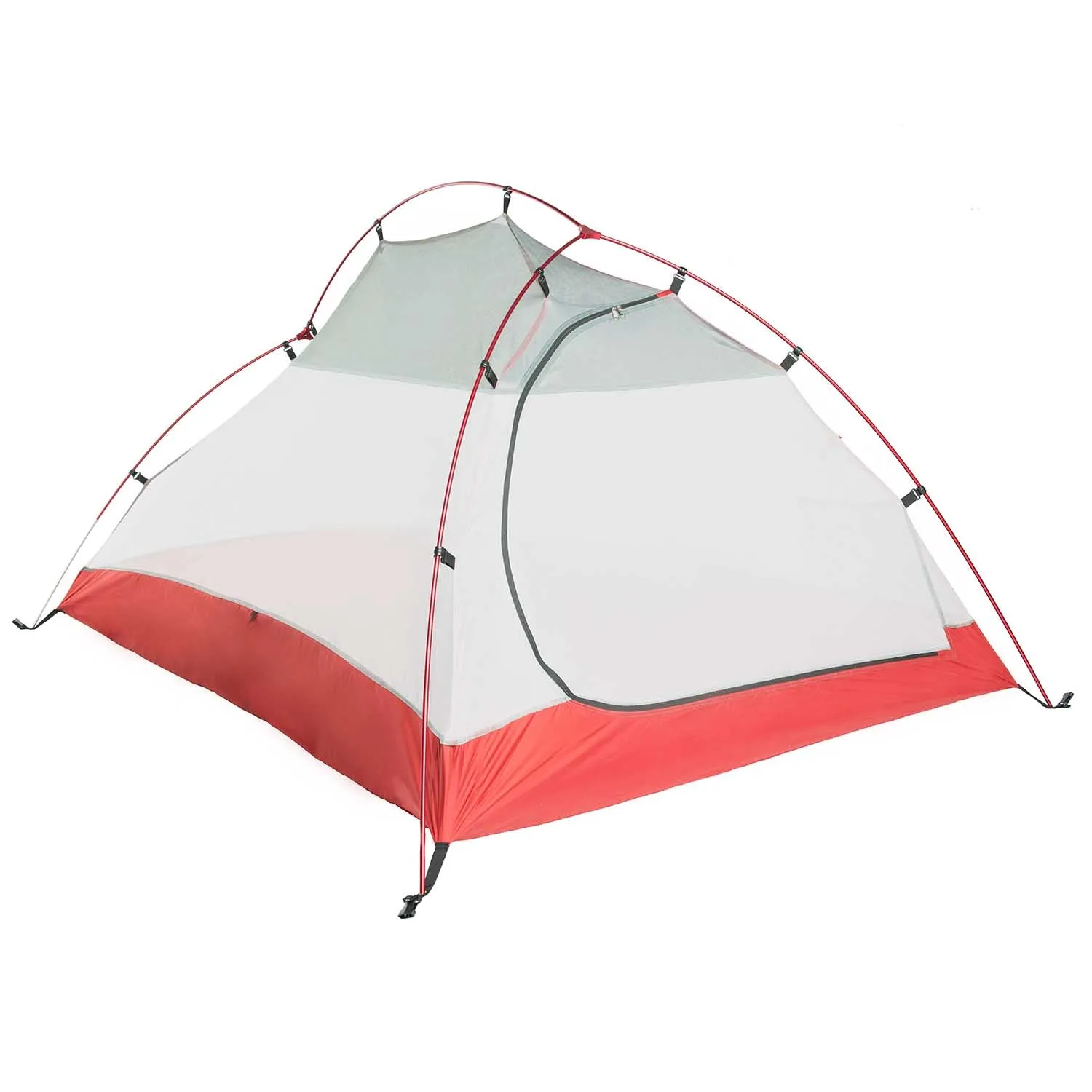
Solid Inner Body for Bryce 1P and 2P Tents
-
Solid Inner Body for Zion 1P, 2P, and 3P Tents: The solid inner tent for Zion 1P, 2P, and 3P features lightweight 20D ripstop nylon panels covering the bottom half of the body, with mesh at the top. The higher mesh ratio offers better ventilation, making it a good choice for milder winter conditions or if you sleep warm.
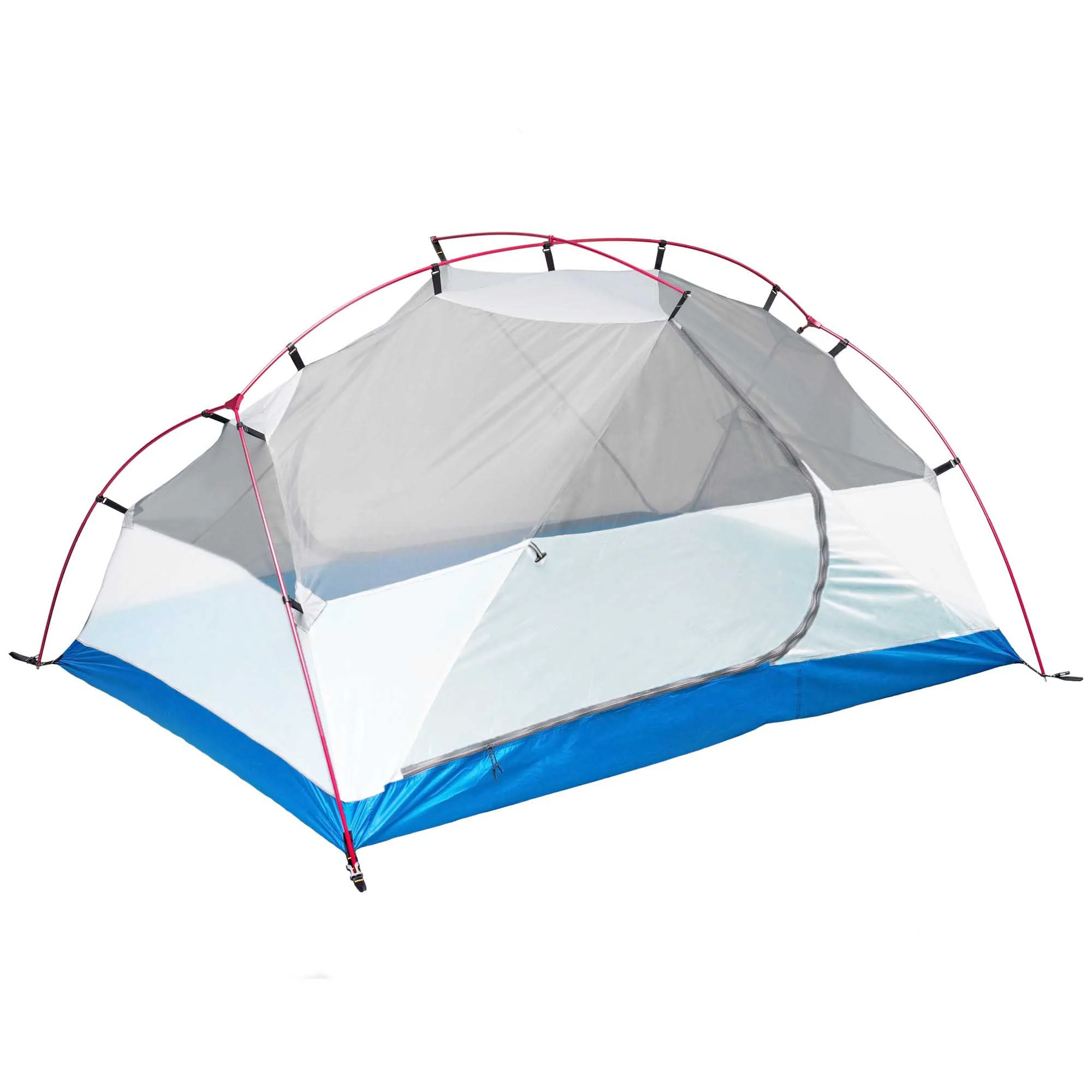
Solid Inner Body for Zion 1P, 2P, and 3P Tents
Once you've swapped in the solid inner and pitched it, take a few minutes to test the ventilation and adjust guylines before dark. This small routine will keep you warmer and drier through the night.