Quick Answer
Setting up Zendure Flexible Solar Panels for off-grid use involves choosing a suitable mounting surface, positioning the panels for optimal sun exposure, connecting them to a compatible charge controller or power station, and securing all cables to prevent energy loss.
Why Choose Flexible Panels for Off-Grid
Zendure Flexible Solar Panels weigh only 4.3 kg, making them 70% lighter than conventional glass panels. This weight advantage is critical when you need to transport panels to a remote campsite or mount them on a vehicle roof without adding excessive load.
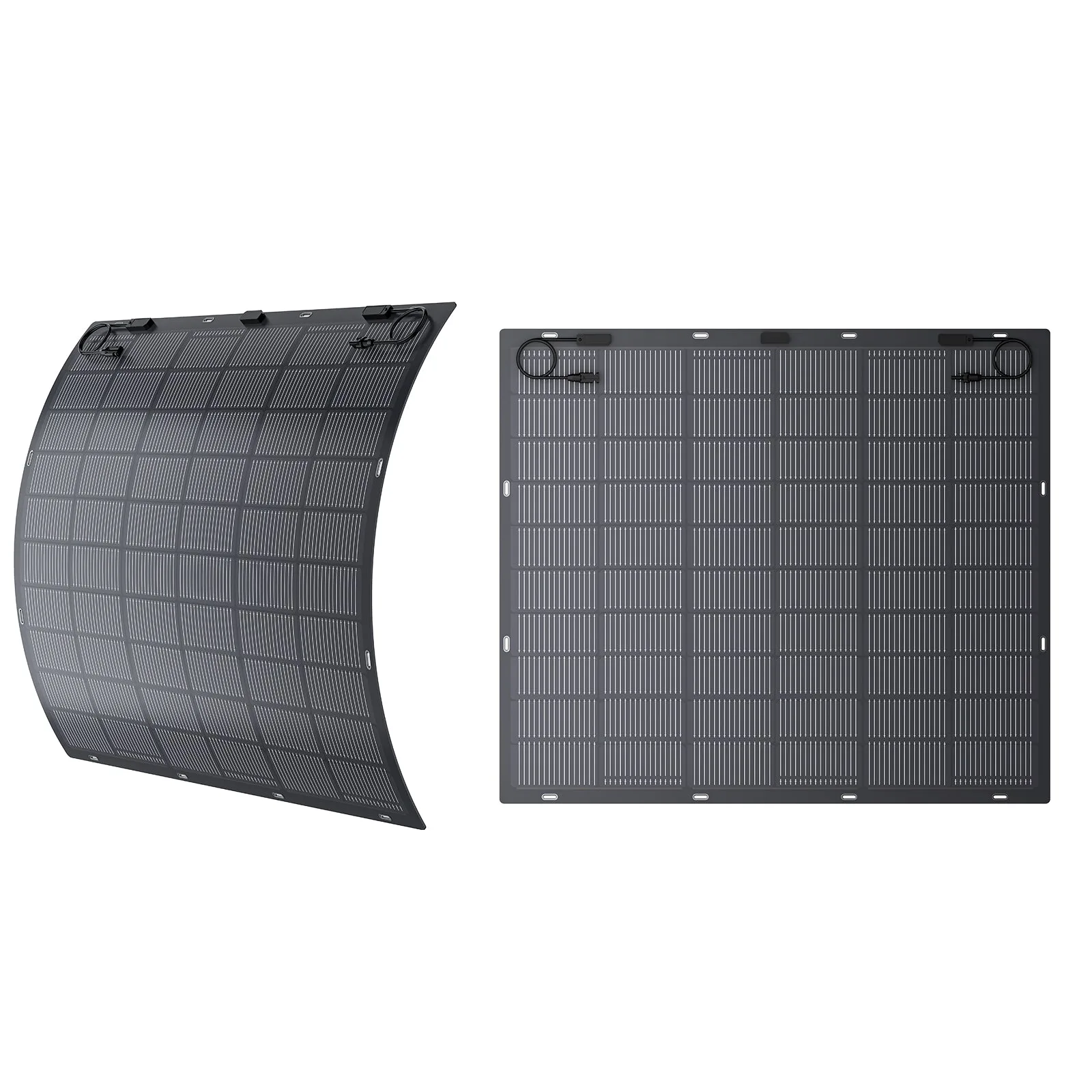
The 220° bending angle allows these panels to conform to curved surfaces like RV roofs, boat decks, or tent awnings. This flexibility means you can install them in places where rigid panels simply won't fit, expanding your off-grid setup possibilities.
Understanding Power Output and Efficiency
The 920W TOPCon technology in these panels boosts solar energy conversion efficiency to 25%, which means you harvest more energy per square foot compared to standard panels. For off-grid use, this higher efficiency translates to faster battery charging or running more appliances with fewer panels.
Keep in mind that actual output depends on sunlight intensity, angle, and temperature. While the 920W rating is under ideal conditions, you can expect around 70-80% of that in real-world off-grid scenarios. Plan your energy needs with this buffer in mind.
Step-by-Step Setup Guide
- Step 1: Choose Your Mounting Surface: Select a flat or gently curved surface that receives direct sunlight for most of the day. For RV roofs or tents, clean the area thoroughly and ensure the surface is dry before attaching the panel using the provided adhesive or brackets. Common mistake: mounting on a shaded or north-facing surface reduces output significantly. Always check sun path before finalizing the location.
- Step 2: Position the Panel for Optimal Sun Exposure: Angle the panel so it faces true south (in the Northern Hemisphere) at an angle equal to your latitude. For portable setups, use adjustable legs or a tilt mount to change the angle seasonally. The 220° bend allows you to contour the panel to curved surfaces without losing efficiency. Checkpoint: if you cannot tilt the panel, flat placement still works but may yield 10-20% less energy. Consider a portable stand for camping.
- Step 3: Connect to a Charge Controller or Power Station: Use the included MC4 connectors to attach the panel to a compatible charge controller or directly to a Zendure power station with built-in MPPT. Ensure polarity is correct (red positive, black negative) before making the final connection. Common mistake: connecting without a charge controller can overcharge batteries. Always use a controller unless your power station has one integrated.
- Step 4: Secure and Route Cables: Use cable clips or zip ties to secure the wires along the mounting surface, avoiding sharp edges that could chafe the insulation. Leave a drip loop near the panel to prevent water from running down the cable into the connector. Checkpoint: loose cables can cause voltage drop or disconnection. Test all connections by gently tugging after securing.
- Step 5: Test the System: With the panel in full sun, use a multimeter or your charge controller's display to verify voltage and current. For a 920W panel at peak sun, expect around 48V open-circuit voltage and up to 19A short-circuit current (actual values depend on model variant). Common mistake: assuming the panel is faulty if output is low on a cloudy day. Check the controller's history over several hours to assess real performance.
Product Facts
-
Zendure Flexible Solar Panels: Weighing just 4.3 kg, it is 70% lighter than conventional glass photovoltaic panels. This low weight makes the panel easy to carry to remote off-grid locations and simple to mount on vehicles or tents without heavy support structures.
Zendure Flexible Solar Panels
-
Zendure Flexible Solar Panels: The 920W TOPCon Tech boosts solar energy conversion efficiency to 25%. Higher efficiency means you need fewer panels to meet your off-grid power demands, saving space and reducing setup complexity.
-
Zendure Flexible Solar Panels: Supports a 220° bending angle, making it suitable for various curved surfaces. You can mount the panel on RV roofs, boat decks, or even tent sides, giving you installation options that rigid panels cannot offer.