Quick answer
To sew sequins onto bags without breaking needles, use a sharp, strong needle such as a Jeans or Microtex needle in sizes 90/14 or 100/16, sew slowly, and avoid forcing the machine through thick sequin clusters. For small or delicate areas, hand-sewing with a beading needle and strong thread gives you more control and zero needle breakage.
Why regular needles snap on sequins
Sequins are made of hard plastic or metal with a central hole. When a standard Universal needle hits the edge of a sequin, it can deflect sideways instead of piercing through, which bends or breaks the needle. The problem gets worse on bags because you are often sewing through multiple layers: sequin fabric, interfacing, lining, and sometimes foam or stabilizer. A needle that is too fine or has a rounded point will struggle. Choosing a needle designed for dense or hard materials makes the biggest difference.
Pick the right machine needle for sequins
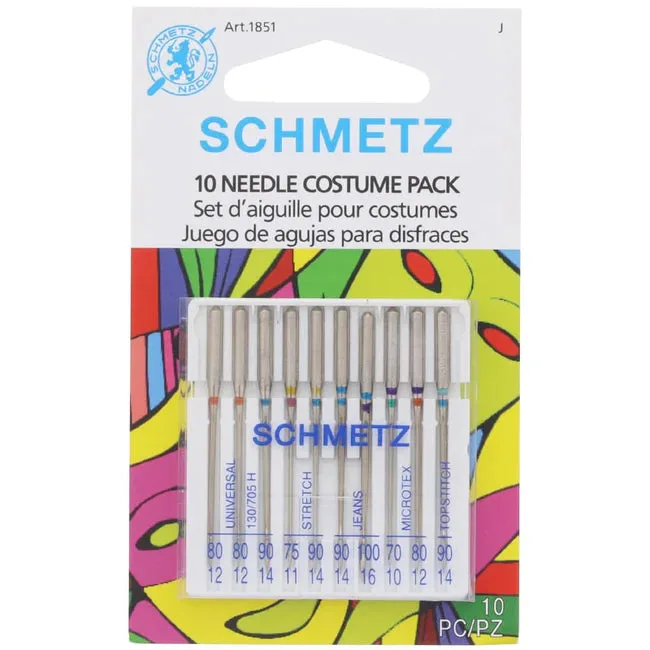
For machine sewing, a Jeans needle (size 90/14 or 100/16) or a Microtex needle (size 70/10 or 80/12) works well. Jeans needles have a strong shaft and a sharp point that can push through sequins without bending. Microtex needles are also sharp but finer, so they are better for lightweight sequin fabric or when you want smaller holes. If your bag fabric has stretch, a Stretch needle (75/11 or 90/14) can help, but it may not handle thick sequins as well. A Topstitch needle (90/14) has a larger eye and is useful if you are using thick thread. The Schmetz 10 Needle Costume and Cosplay Pack includes all of these types, so you can test which one works best for your specific sequin fabric without buying full packs of each.
Machine-sewing sequins: slow and steady
Set your machine to a medium stitch length (2.5 to 3 mm) and lower the needle manually into the sequin area for the first few stitches. Do not use the foot pedal to start; turn the handwheel by hand until the needle has pierced through the sequins and into the fabric below. Then sew slowly with a steady speed. If the needle makes a loud pop or the machine jams, stop immediately. You may need to switch to a larger needle or move the sequins out of the way. For bags, sew sequin strips or patches before assembling the bag whenever possible. Sewing flat pieces is much easier than wrestling with a finished bag under the machine.
Hand-sewing sequins for delicate or small areas
Sewing sequins by hand gives you precise control and eliminates needle breakage. Use a beading needle (size 10 or 12) and a strong thread like nylon or silk. For individual sequins, bring the needle up through the fabric, thread on a sequin, then go back down just next to the sequin. For a row, pick up several sequins on the needle at once, then stitch them down with a small backstitch between each. This is slower but ideal for attaching sequins to bag flaps, straps, or around hardware. If you are attaching sequins to a bag that will get heavy use, reinforce the area with a small piece of interfacing behind the fabric.
Sequin applique tips for bags
A sequin applique is a pre-made patch of sequins on a backing fabric. You can sew it onto a bag by machine or hand. For machine sewing, use a Jeans or Microtex needle and sew around the outer edge of the applique, not through the sequins themselves if possible. If the applique has a thick sequin border, hand-sew it with a whipstitch. Always test on a scrap piece first. When placing the applique on a bag, avoid areas that will rub against your body or get caught on zippers. For a professional look, choose a thread color that matches the backing, not the sequins.
Hardware and finishing touches
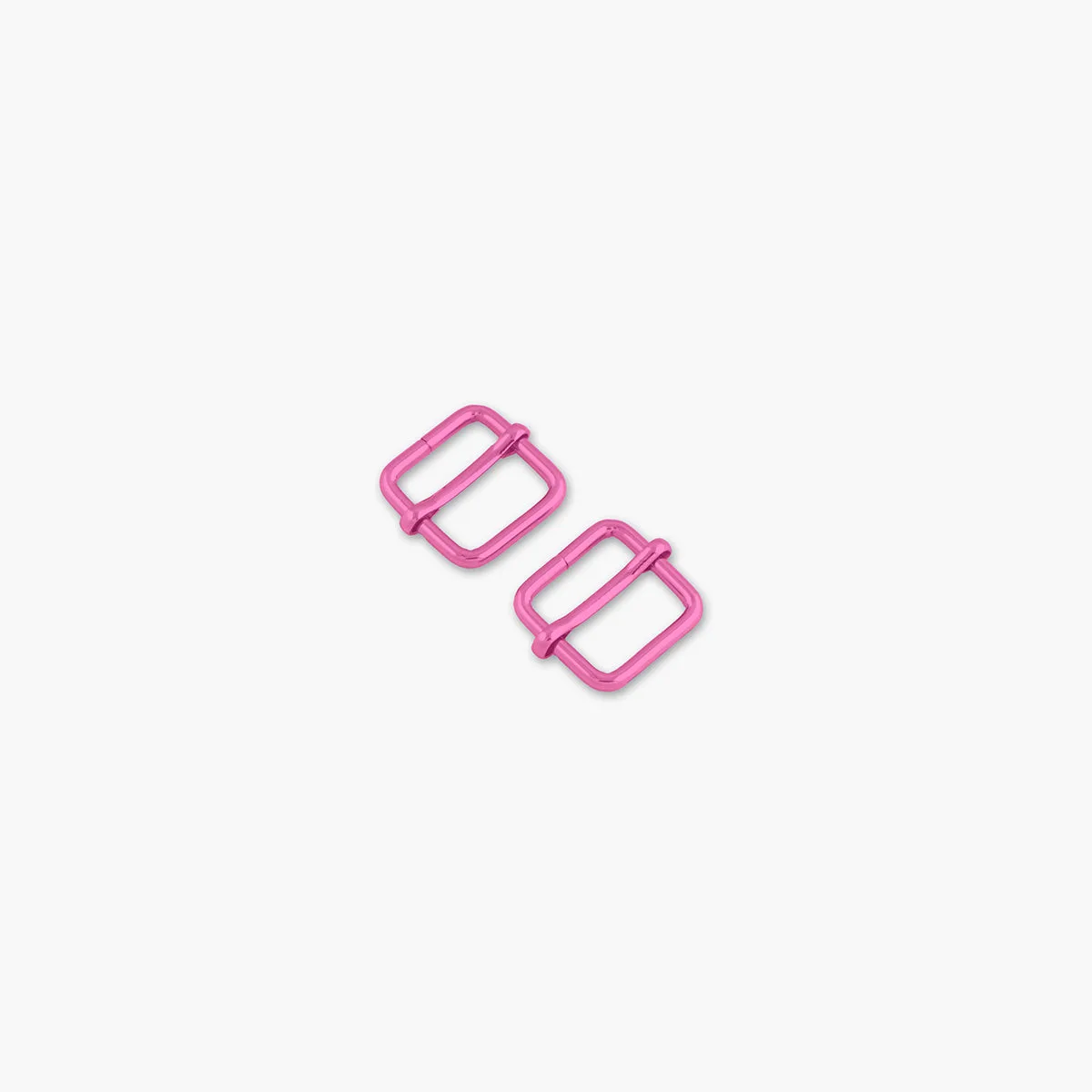
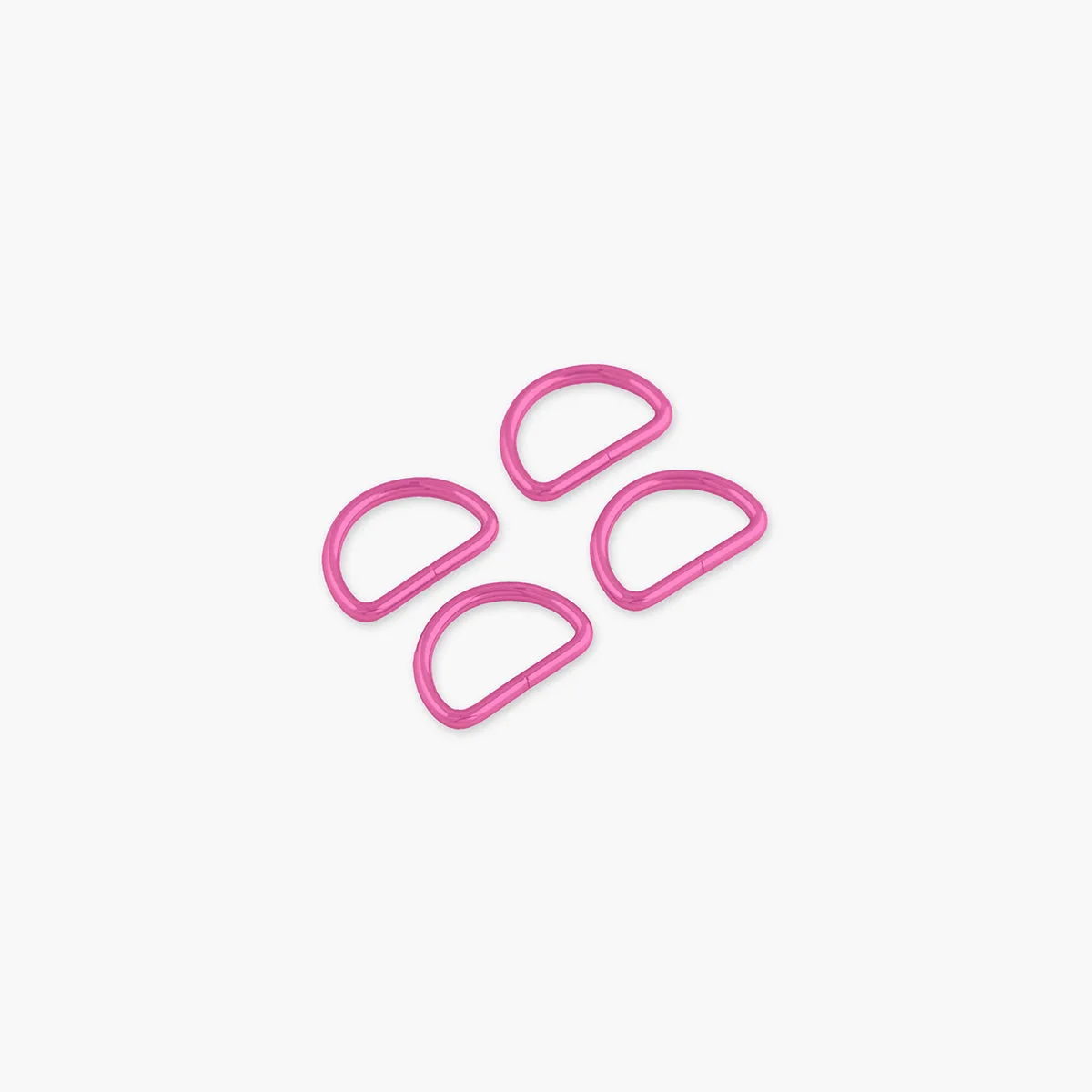
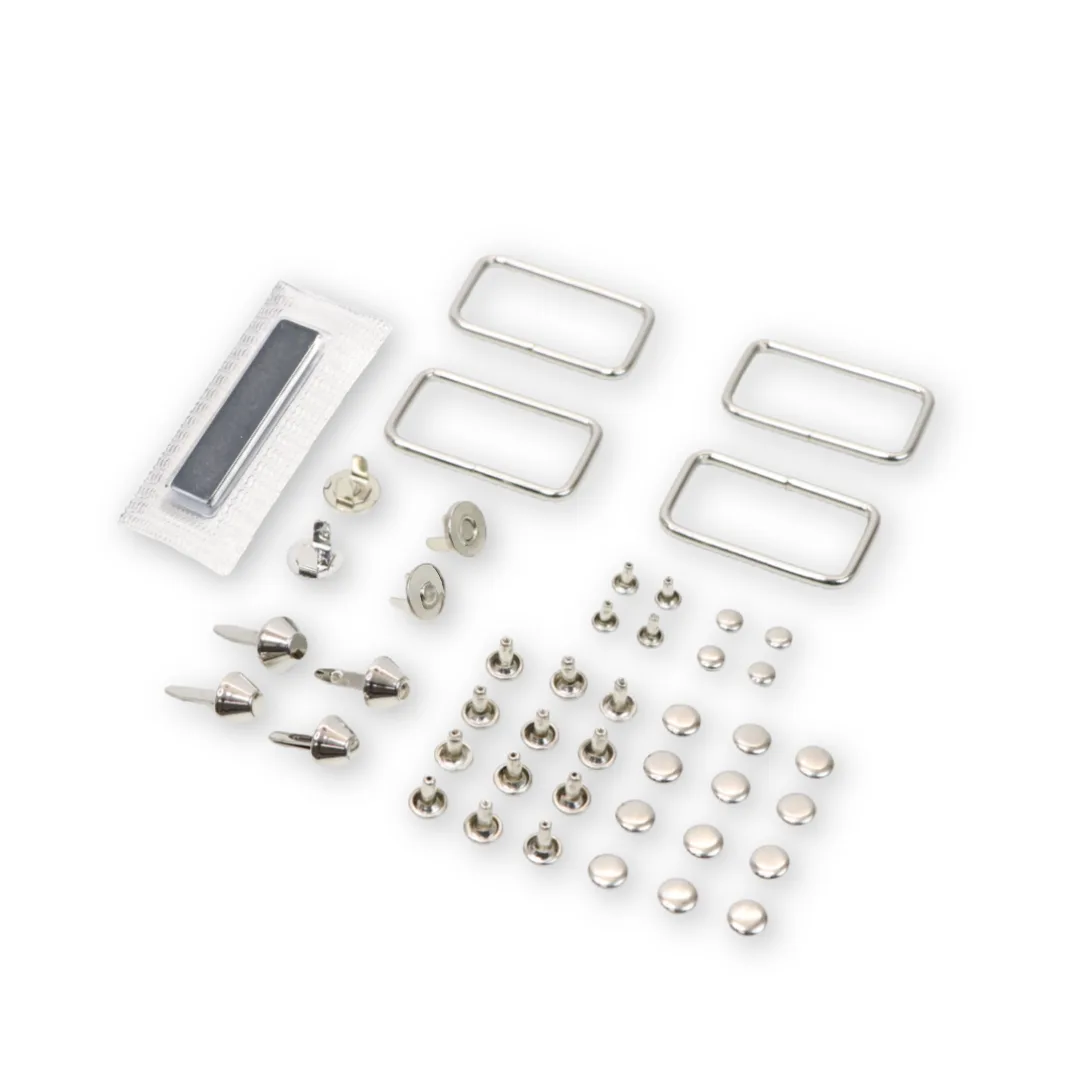
After attaching sequins, you may want to add hardware like D-rings or slider buckles to your bag. These are functional and add a bit of bling. The Four Tula Pink 1" D-Rings are perfect for purses, crossbody bags, and handbags. You can use D-rings to attach straps, handles, or key fobs. Pair them with coordinating slider buckles and swivel hooks for a professional look. The Two Tula Pink 3/4" Slider Buckles let you adjust the length of your strap and are very easy to attach. When installing hardware, sew through the webbing or fabric, not through the sequins, to avoid breaking needles. If your bag pattern includes hardware placement, follow it, but always reinforce the area with a small piece of stabilizer.
Step-by-step: sewing sequins without breaking needles
- Test your needle on a scrap: Before sewing your bag, take a scrap of your sequin fabric and test the needle you plan to use. Start with a Jeans 90/14 or Microtex 80/12. Sew a few inches slowly. If the needle breaks or bends, try a larger size or a different type. Checkpoint: The needle should pierce cleanly without popping or deflecting.
- Stabilize the fabric: Sequins can shift and create uneven stitches. Place a piece of tear-away or wash-away stabilizer behind the sequin fabric. This gives the needle something solid to push against and reduces skipped stitches. Checkpoint: The fabric should feel firm but not stiff. If it's too thick, use a smaller piece of stabilizer only under the sequin area.
- Sew slowly and manually start: Lower the needle by hand for the first stitch. Then sew at a slow speed, guiding the fabric gently. Do not pull or push the fabric; let the feed dogs move it. If the machine jams, stop and clear the area before continuing. Checkpoint: Listen for a steady rhythm. Any loud noise means stop and inspect.
- Hand-sew delicate areas: For small sequin clusters, curves, or areas near hardware, switch to hand-sewing. Use a beading needle and strong thread. Bring the needle up through the fabric, add a sequin, and go back down. For rows, pick up multiple sequins and secure with a backstitch. Checkpoint: The sequins should lie flat and not pull the fabric. If they pucker, loosen your thread tension.
- Add hardware after sequins: Install D-rings, slider buckles, or other hardware after the sequins are sewn. Sew through the bag fabric or webbing, not through sequins. Reinforce with a small piece of stabilizer behind the hardware area. Checkpoint: Hardware should be secure and not twist. Test the strap adjustment if using slider buckles.
Products that help
- Schmetz 10 Needle Costume and Cosplay Pack: Schmetz 10 Needle Costume and Cosplay Pack includes three Universal Needles (80/12, 90/14), two Stretch Needles (75/11, 90/14), two Jeans Needles (90/14, 100/16), two Microtex Needles (70/10, 80/12) and one Topstitch Needle (90/14). This assortment lets you test different needle types on your sequin fabric to find the one that sews without breaking, so you don't have to buy multiple full packs.
- Four Tula Pink 1" D-Rings: Four Tula Pink 1" D-Rings are perfect for purses, crossbody bags, handbags and more. You can use D-rings to attach strap, handles, key fobs, and more. These D-rings let you add a functional and decorative element to your sequined bag, and they pair with coordinating hardware for a polished finish.
- Two Tula Pink 3/4" Slider Buckles: Two Tula Pink 3/4" Slider Buckles are perfect for purses, backpacks, crossbody bags and more. You can attach Slider Buckles to your straps and handles to allow you to adjust the length of the strap. Slider buckles make your bag adjustable, which is useful for crossbody or shoulder bags, and they coordinate with Tula Pink D-rings and swivel hooks.