Quick Answer
To sew faux leather successfully, use a leather needle, a walking or Teflon foot, and test on scraps first. Choose a simple pattern and avoid pins that leave permanent holes. With the right tools and techniques, you can create beautiful bags and accessories.
Faux leather is a rewarding material for sewing projects, offering the look and feel of leather without the high cost or maintenance. However, it behaves differently from woven cotton: it doesn't stretch much, it can be thick and sticky, and mistakes like pin holes are permanent. With a few adjustments, you can sew it smoothly.
Whether you're making a clutch, a tote, or adding straps to a bag, these beginner-friendly tips will help you achieve professional results. From choosing the right needle to handling tricky corners, we'll cover the essentials so you can start your first faux leather project with confidence.
Choose the Right Needle and Thread
The needle is your most important tool when sewing faux leather. A standard sharp needle can struggle to penetrate the material and may cause skipped stitches. Instead, use a leather needle (size 90/14 or 100/16) designed to cut through the material cleanly. The wedge-shaped point creates a small slit rather than tearing the fibers.
For thread, a polyester or nylon thread with some stretch is ideal. Avoid cotton thread, which can break under stress. A weight of 40 or 50 works well for most bag projects. Always test your stitch on a scrap piece to ensure the tension is balanced and the feed dogs are pulling the material evenly.
- Use a leather needle for best results.
- Choose polyester or nylon thread for durability.
- Test stitches on scraps before starting.
Use the Right Presser Foot and Settings
Faux leather can stick to a standard metal presser foot, causing uneven feeding and frustrating puckering. A walking foot or a Teflon-coated foot helps the material glide smoothly. If you don't have one, you can also place a piece of tissue paper between the foot and the leather, then tear it away after stitching.
Adjust your stitch length to about 3-3.5 mm. Shorter stitches create a perforation line that can weaken the material, while longer stitches are more forgiving. Reduce your presser foot pressure if your machine allows it, and always sew slowly around curves and corners.
- Invest in a walking foot or Teflon foot.
- Set stitch length to 3-3.5 mm.
- Lower presser foot pressure if possible.
Avoid Pins and Use Clips Instead
Pins leave permanent holes in faux leather, so it's best to use binder clips or Wonder Clips to hold layers together. These clips distribute pressure evenly and don't damage the material. When clipping, place them close to the seam allowance but not so close that they interfere with the presser foot.
If you must use pins, place them within the seam allowance so the holes are hidden. But for clean, professional results, clips are the way to go. They're also easier to remove as you sew, saving time and frustration.
- Use binder clips or Wonder Clips instead of pins.
- If using pins, keep them within the seam allowance.
- Clips allow for quick adjustments while sewing.
Test Your Stitches and Handle Thickness
Before starting your project, sew a test seam on a scrap piece of faux leather. This allows you to check the stitch quality, tension, and how the material feeds. Adjust your settings until the stitches are even and the material doesn't pucker.
Faux leather can be thick, especially when layers are combined. To reduce bulk, trim seam allowances, clip curves, and grade seams (trimming one layer shorter than the other). If your machine struggles with multiple layers, consider using a hammer to flatten seams or a roller foot to ease the material through.
- Always test on scraps first.
- Trim and grade seams to reduce bulk.
- Use a hammer or roller foot for thick layers.
Step-by-Step: Your First Faux Leather Project
- Gather your materials: Choose a simple pattern like a card case or small clutch. You'll need faux leather (or cork fabric), a leather needle, polyester thread, clips, and a walking or Teflon foot. Checkpoint: Ensure you have all tools before starting.
- Cut your pieces carefully: Use a rotary cutter and a cutting mat for clean edges. Avoid using pins on the pattern; instead, use pattern weights to hold it in place. Mark seam lines with a chalk pen or a light pencil. Mistake to avoid: Pins can leave permanent holes in faux leather.
- Test on scraps: Before sewing your actual pieces, sew a test seam on a scrap. Adjust stitch length and tension until the stitches are even and the material feeds smoothly. Checkpoint: If the test seam puckers, adjust tension or use a different presser foot.
- Sew slowly and reinforce stress points: Start sewing slowly, guiding the material without pulling. At corners and curves, stop with the needle down to pivot. Backstitch at the beginning and end of seams, and reinforce points like strap attachments with extra stitches. Mistake to avoid: Pulling the material can stretch the faux leather out of shape.
- Finish and inspect: After sewing, trim seam allowances, clip curves, and press seams with a cool iron (or a pressing cloth) to set them. Inspect your work for any skipped stitches or loose threads and fix them immediately. Checkpoint: Your project should look clean and professional, ready to use or gift.
Products That Help with Faux Leather Projects
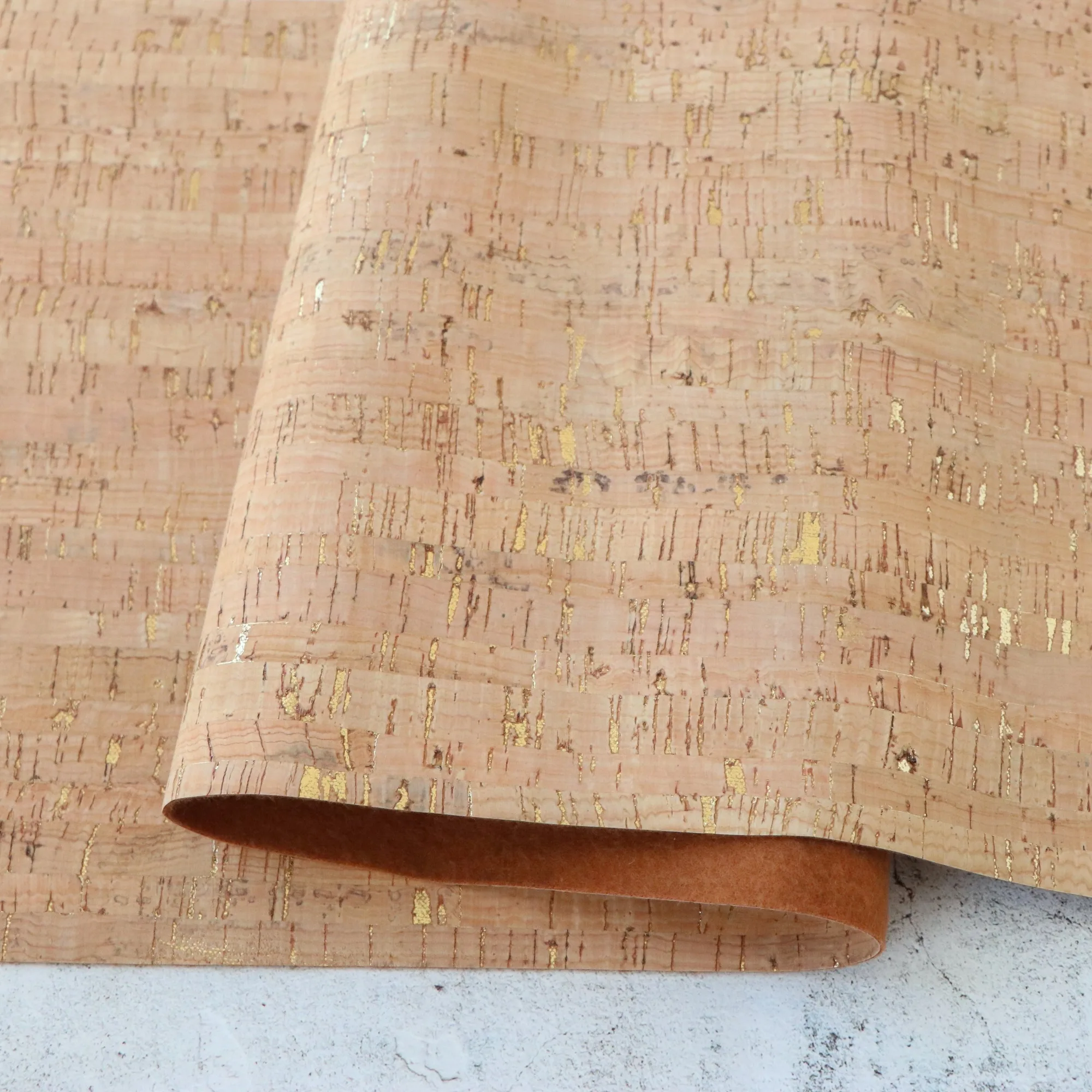
- Rustic Natural Gold Flecked Cork Fabric: This premium, cork fabric, also known as cork leather, is easy-to-sew through, pliable, and durable. Cork fabric has a similar handle to faux leather or genuine leather because it is soft, smooth, and pliable. It is not hard or brittle. If you're new to faux leather, cork fabric is a forgiving alternative that behaves similarly but is easier to manage. It's perfect for practice projects like simple pouches or straps.
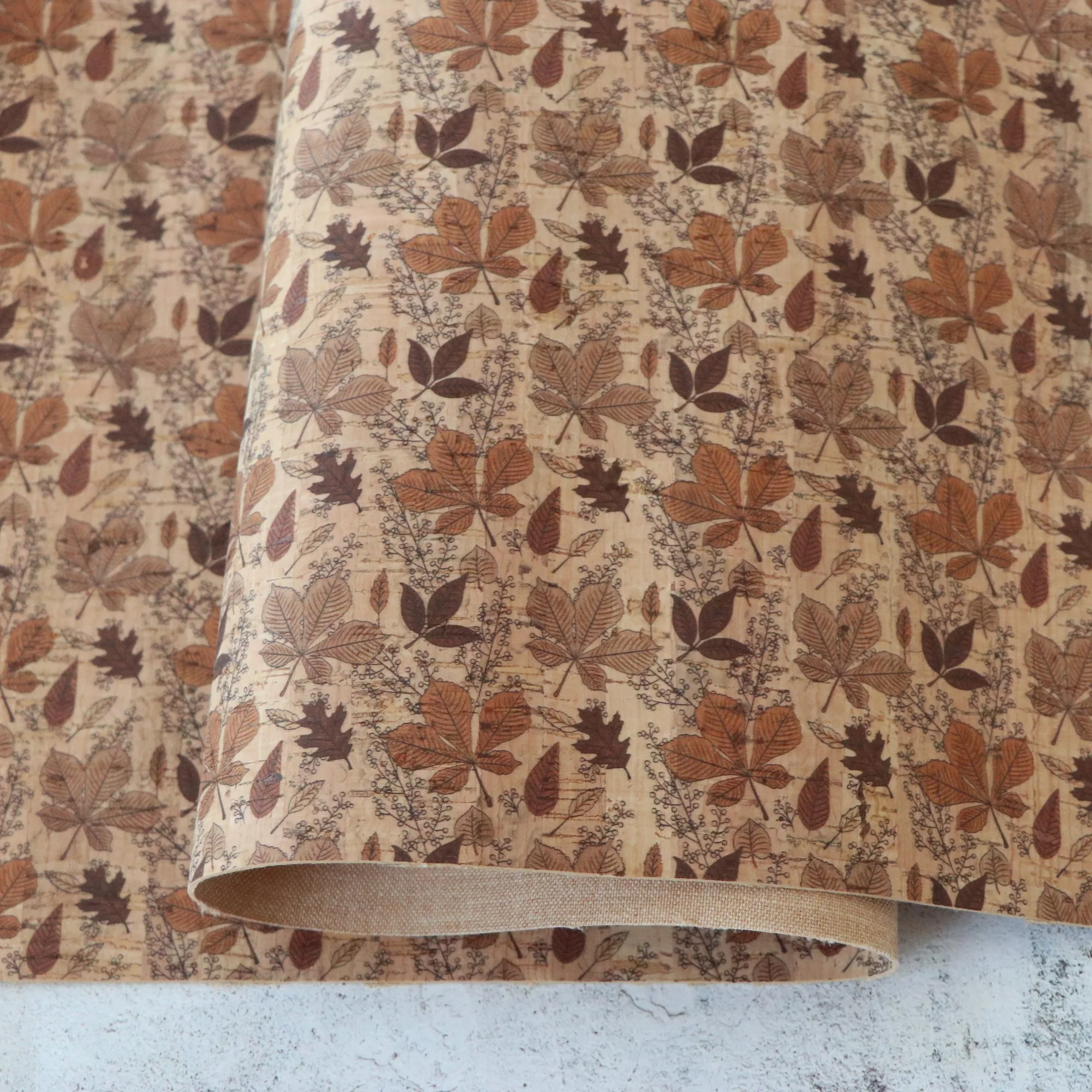
- Autumn Leaves Cork Fabric: Our premium cork fabric is carefully renowned for its softness, durability, and consistent quality so it sews beautifully on both domestic and industrial machines. Unlike lower-grade corks that can crack, flake, or feel stiff, ours is smooth, pliable, and designed specifically for bag making and detailed sewing projects. When you're ready to move beyond practice, this cork fabric offers a beautiful, seasonal option for bags and accessories. Its consistency ensures a smooth sewing experience even for beginners.
Sewing with faux leather opens up a world of creative possibilities, from stylish bags to personalized accessories. By following these beginner tips and practicing on quality materials, you'll soon feel confident tackling more complex projects. Remember to take your time, test as you go, and enjoy the process.