Quick answer
To sharpen Kuhn Rikon kitchen knives at home safely, match the blade's existing angle—typically 15–20 degrees per side—using a whetstone or pull-through sharpener. Always hone before sharpening, and finish with a few light strokes. For most home cooks, a simple 3-step routine every 2–3 months keeps edges razor-sharp without risking damage.
Gather the Right Tools and Set Up Safely
Before you start, assemble a whetstone (1000/6000 grit combo is ideal), a honing rod, a damp cloth, and a stable cutting board or stone holder. Never sharpen over a bare counter—place a nonslip mat underneath to prevent slipping. If you're using a pull-through sharpener, check that it's designed for your knife's edge type; carbide models remove more metal and are best for dull, inexpensive blades, while ceramic or diamond models are gentler on harder steel.
Find and Match the Sharpening Angle
The correct sharpening angle is the single most important factor for a safe, effective edge. Kuhn Rikon kitchen knives typically have a 15–20 degree angle per side, but you can verify by laying the blade flat on the stone and slowly lifting the spine until the edge sits flush—that's your angle. A common mistake is lifting too high (over 25 degrees), which creates a blunt, thick edge that won't slice. Use a coin under the spine as a guide: a quarter gives roughly 15 degrees, a nickel about 20 degrees. For Swiss knife sharpening, consistency matters more than speed—maintain the same angle on every stroke.
Hone First, Then Sharpen Only When Needed
Honing realigns the edge; sharpening removes metal to create a new edge. Do not confuse the two. Hone your knife every 2–3 uses with a few light strokes at the same angle—this takes 20 seconds and delays the need for full sharpening. Only sharpen when honing no longer restores bite (e.g., a tomato skin slips instead of catching). Over-sharpening wears down the blade unnecessarily. For kitchen knife care, a simple rule: hone weekly, sharpen every 2–3 months for home cooks.
Step-by-Step Sharpening on a Whetstone
Soak your whetstone in water for 10–15 minutes (unless it's a splash-and-go type). Place it on a nonslip base. With the knife at your angle, push the blade across the stone as if slicing a thin layer off the surface—use light pressure and cover the full length of the edge, from heel to tip. Do 5–10 strokes per side, then check for a burr (a slight roughness on the opposite side) by running your finger perpendicular to the edge—carefully. Once a burr forms along the entire edge, flip and repeat. Finish with 5–10 lighter strokes on a finer grit (6000) to polish. Wipe the blade clean and dry immediately.
Safety Checks and Common Mistakes
Never test sharpness by running your thumb along the edge—use a sheet of paper or a tomato instead. Keep your fingers behind the bolster and away from the edge path. If you're using a pull-through sharpener, don't press down hard; let the slots do the work. A frequent error is sharpening at inconsistent angles, which rounds the edge. Another is skipping the honing step, which leads to unnecessary metal removal. Always clean and dry your knife after sharpening to prevent rust, especially on carbon steel blades.
Step-by-step knife sharpening
- 1. Set up a safe workspace: Place a nonslip mat under your whetstone or cutting board. Keep a damp cloth nearby to wipe the blade and a bowl of water for soaking the stone. Ensure good lighting so you can see the edge angle clearly. Checkpoint: The stone should not move when you press on it.
- 2. Identify the sharpening angle: Lay the blade flat on the stone, then lift the spine until the edge touches. Use a coin under the spine as a guide: quarter for ~15°, nickel for ~20°. Most Kuhn Rikon knives work well at 15–20° per side. Checkpoint: The angle should feel natural and consistent on both sides.
- 3. Hone before sharpening: Use a honing rod at the same angle. Make 5–10 light strokes per side. This realigns the edge and may restore sharpness without removing metal. Only proceed to sharpening if honing doesn't bring back a keen edge. Checkpoint: If the knife slices paper cleanly after honing, skip sharpening.
- 4. Sharpen on a whetstone: Soak the stone (if needed). With the knife at your angle, push the blade across the stone as if slicing a thin layer off the surface. Use light pressure and cover the full edge. Do 5–10 strokes per side until a burr forms along the entire edge. Checkpoint: Feel for a burr on the opposite side before switching.
- 5. Refine and polish: Flip the knife and repeat the same number of strokes on the other side. Then switch to a finer grit (e.g., 6000) and do 5–10 lighter strokes per side to polish the edge. Wipe the blade clean and dry immediately. Checkpoint: The edge should reflect light evenly with no flat spots.
- 6. Test and store safely: Test sharpness by slicing a sheet of paper or a ripe tomato—not your thumb. Clean and dry the knife, then store it in a block, on a magnetic strip, or in a blade guard. Never leave a sharp knife loose in a drawer. Checkpoint: The knife should glide through paper without tearing.
Product facts
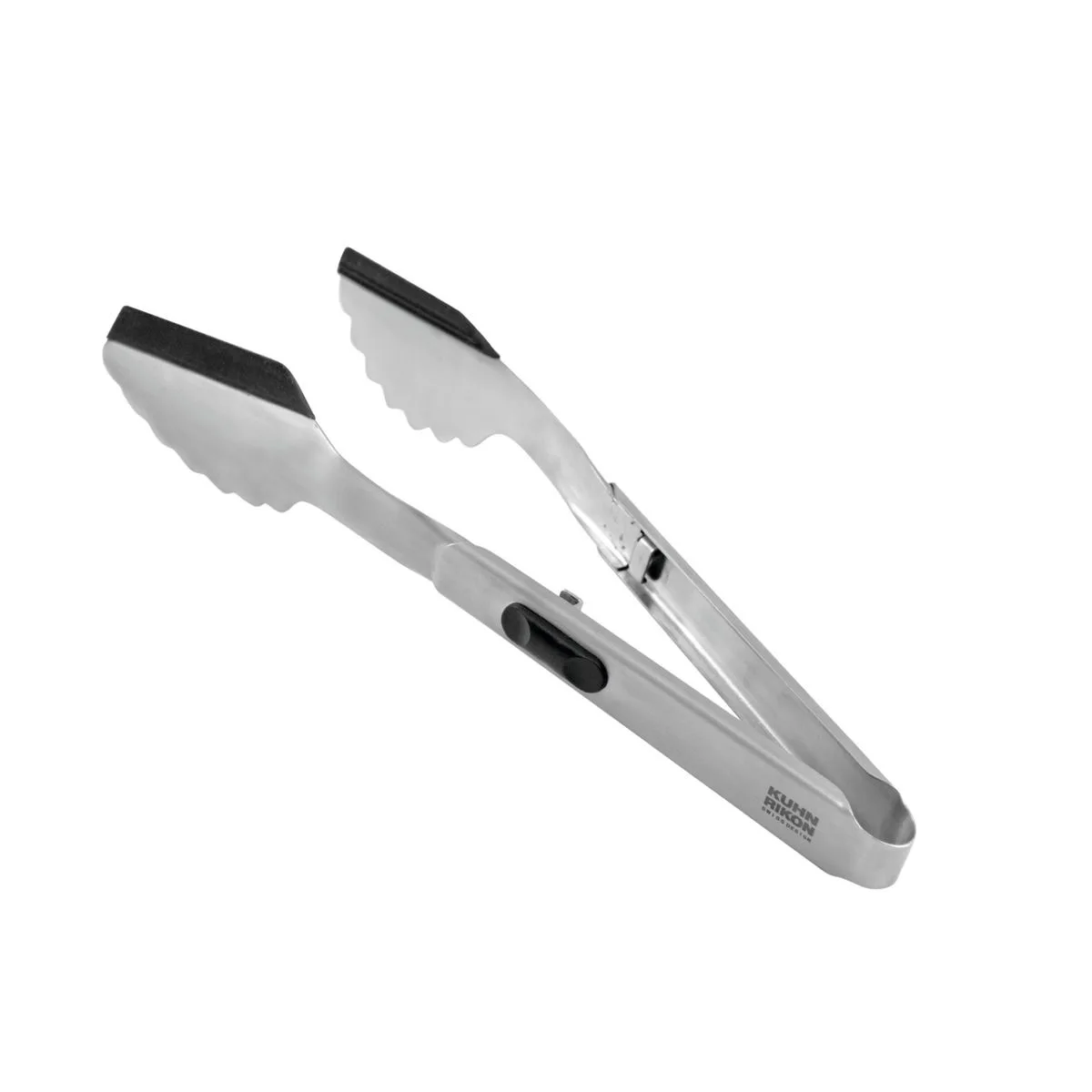
- SoftEdge™ Locking Scalloped Tong Black: KUHN RIKON cooking utensils are perfectly adapted to every need and simplify cooking, baking and serving. A well-organized workspace with the right utensils reduces clutter and lets you focus on safe sharpening technique.
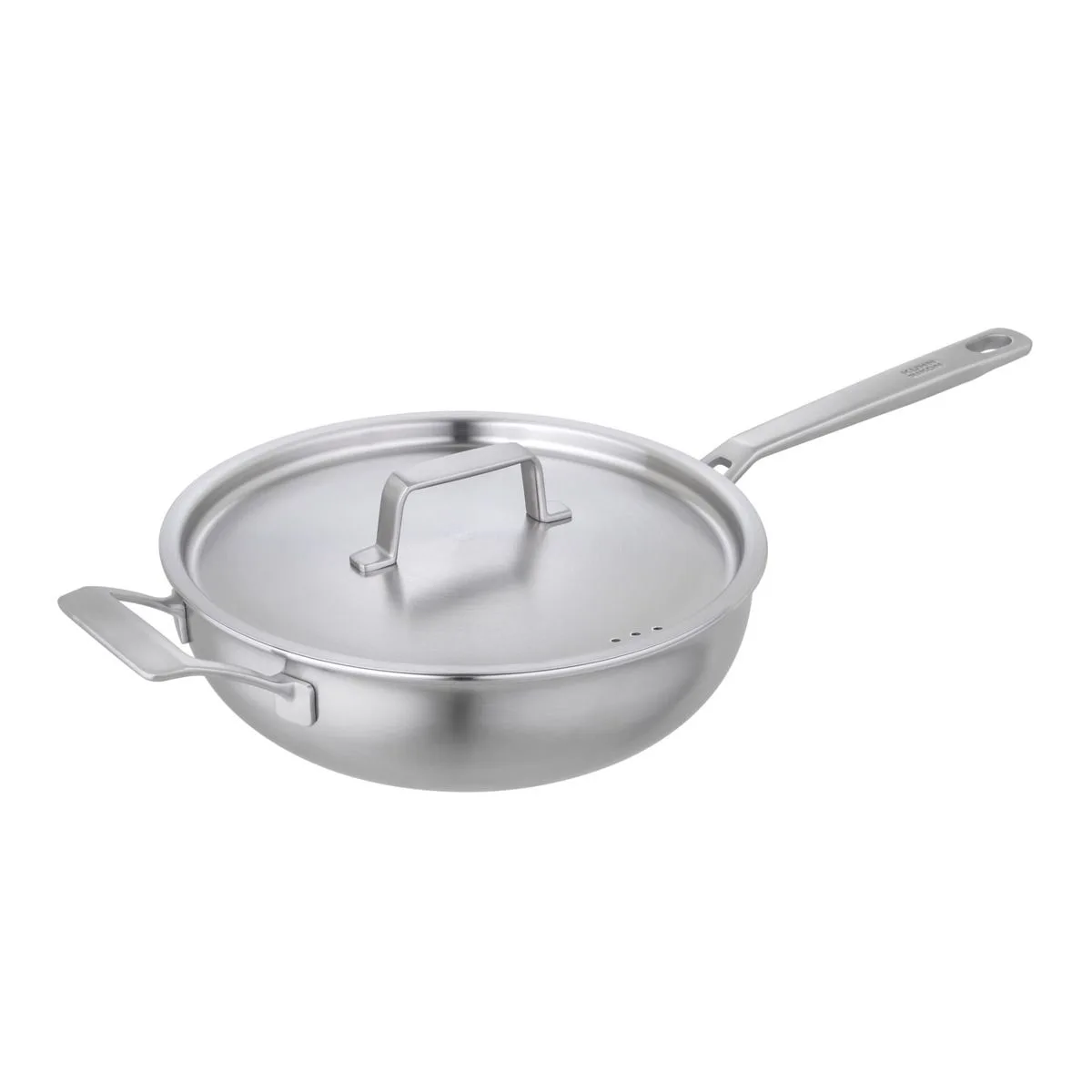
- CULINARY FIVEPLY Sauteuse unbeschichtet Ø 24 cm: Finden Sie jetzt eine große Auswahl an Kochtöpfen und Bratpfannen zum Kochen und Braten in Premium Qualität! Dampfkochtöpfe✓ Thermotöpfe✓ Farbige Töpfe✓ Bratpfannen✓ in top Schweizer Qualität! Pairing sharp knives with quality Swiss cookware ensures efficient meal prep and consistent results.
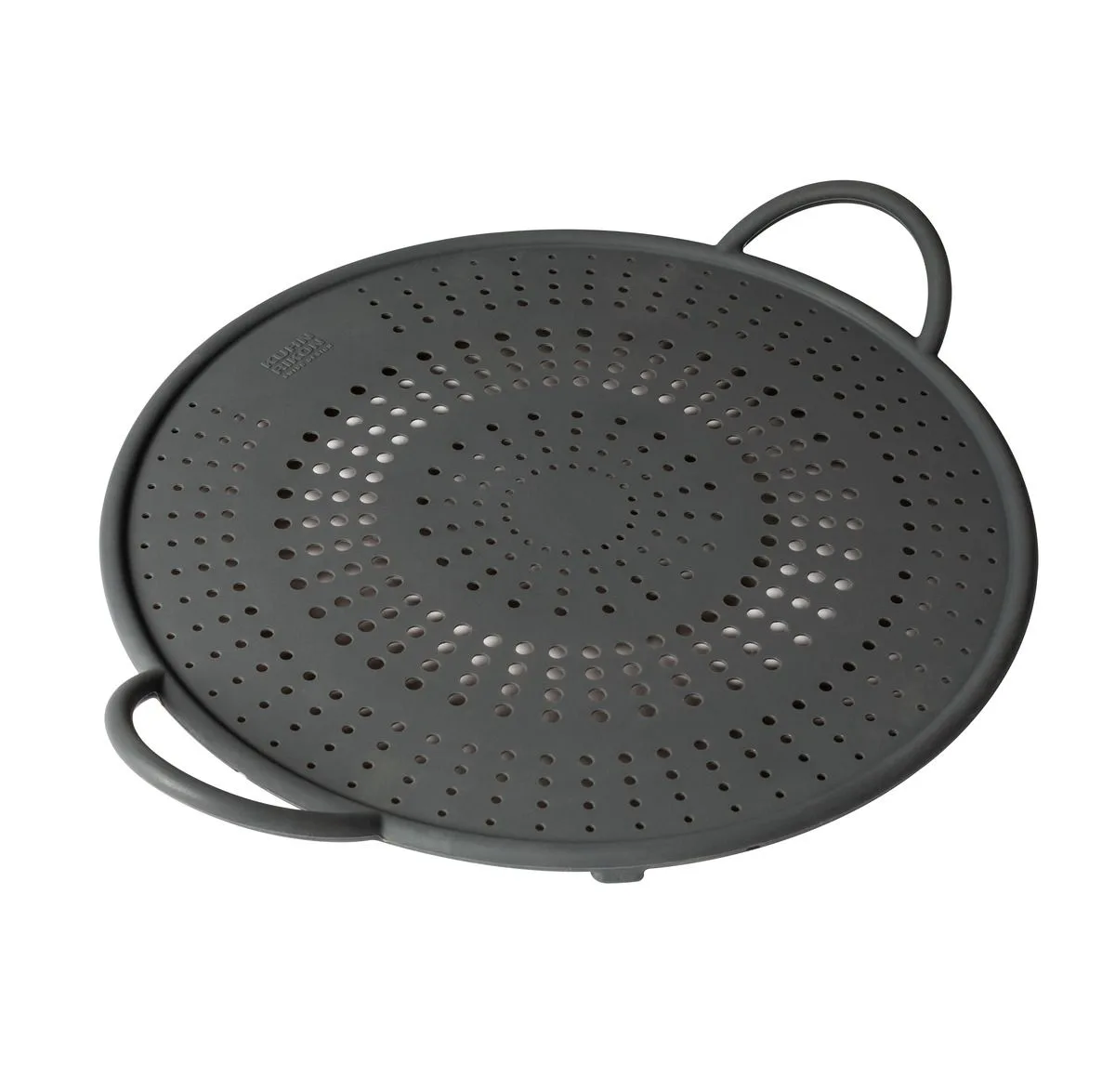
- Spritzschutz Silikon grau · Ø 26 cm: Hochwertige Pfannen für passionierte Hobby- und Profiköche! Schnelle Lieferung✓ Zufriedene Kunden✓ Top Qualität✓ jetzt online bestellen! A splatter guard keeps your stovetop clean while you practice knife skills, making cleanup faster.