Quick answer
You cannot restore a worn needle file's teeth by sharpening it at home, but you can dramatically extend its working life with proper cleaning and storage. The real file life extension wins come from clearing chips before they rust or pack the teeth. If the cutting edges are truly dull, replacement is the honest answer.
Needle files are the detail worker's best friend: small, precise, and surprisingly tough. But because they're small and inexpensive, they attract a lot of folklore about how to keep them cutting. Some of that advice is useful. Some of it will quietly ruin your files.
This guide separates needle file myths from practical file care. We'll cover what actually extends file life, what doesn't, and when it's time to stop nursing a worn file and reach for a fresh one.
Myth: You can sharpen a dull needle file at home
Verdict: False. A needle file cuts because of its cut teeth, which are formed into the steel. Once those teeth wear down or round over, there is no home method that recreates them. Acid baths, grinding, and sandpaper tricks either smooth the teeth further or damage the file body.
What you can do is keep the existing teeth working longer. The Excel Blades Triangle Needle File is constructed of high quality steel for strength and durability and carries a lifetime guarantee, which tells you the manufacturer expects the file to hold up under normal use. That durability is about resisting wear, not about being re-sharpenable.
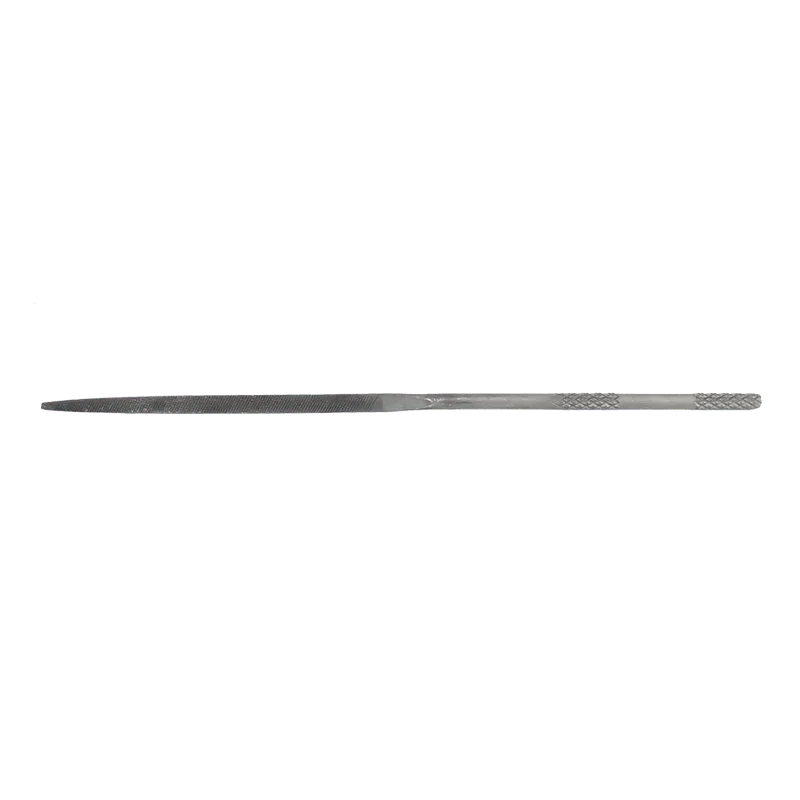
Triangle Needle File
- Do not soak files in acid or vinegar hoping to re-etch the teeth.
- Do not run a file against a grinding wheel to 'refresh' it.
- Replace the file when it skates instead of cutting.
Myth: A wire brush is the best way to clean a file
Verdict: Partly true, but easy to overdo. A stiff brush can knock loose chips out of the teeth, which is exactly what you want. The problem is pressure. Bearing down with a wire brush on fine needle file teeth can dull the cutting edges you're trying to preserve.
Use a light touch and brush along the cut direction, not across it. For packed material like wood resin or plastic shavings, a short soak in a light solvent followed by a soft brush is gentler than aggressive scrubbing. The goal is to remove debris, not to polish the teeth.
- Brush with the grain of the cut, not against it.
- Use a soft brush for fine cuts and a stiffer one only for coarse files.
- Never use a wire wheel on a bench grinder for needle files.
Myth: File cards are optional if you clean your files regularly
Verdict: False. A file card is the single most useful tool for file life extension. It's a paddle brush with short bristles designed to reach into the teeth and lift out chips before they compact. Skipping it is the fastest way to turn a working file into a clogged one.
Clogged teeth don't cut; they rub. Rubbing generates heat, and heat accelerates wear on the file and can mar your workpiece. Card the file every few minutes during heavy removal, and always before you put it away.
- Card the file when you feel it start to slide instead of bite.
- Card before storage, not just before the next use.
- A chalk rub on the file before use can slow chip packing.
Myth: Any oil or water is fine for cleaning and storing files
Verdict: False. Water is the enemy of carbon steel files. Leaving a file damp, even briefly, invites rust that pits the teeth and shortens its life. Oil is better for storage but can attract dust and gum up fine cuts if applied heavily.
The practical routine is simple: card the file dry, wipe it with a lightly oiled cloth, and store it so the teeth don't rub against other tools. A thin coat of light machine oil is enough. If you work in a humid shop, add a desiccant pack to your file drawer.
- Never store files wet or damp.
- Wipe with a lightly oiled cloth, not a soaked one.
- Keep files separated so teeth don't chip against each other.
Myth: All needle files are the same, so brand doesn't matter for longevity
Verdict: False. Steel quality and tooth formation vary, and that directly affects how long a file stays sharp. The Excel Blades Triangle Needle File, for example, is constructed of high quality steel for strength and durability and carries a lifetime guarantee. That's a meaningful signal about expected service life.
The Triangle shape profile is also worth understanding. It can help you sharpen trimmer blades to saws, and it's useful for enlarging holes or smoothing curved surfaces. Using the right profile for the job reduces side-loading and premature wear, which is its own form of file life extension.
- Match the file profile to the task instead of forcing one file to do everything.
- Use the Triangle profile for enlarging holes and smoothing curves.
- A lifetime guarantee is a clue about steel quality, not a license to abuse the file.
Myth: You should press harder as a file gets dull
Verdict: False, and it's the fastest way to kill a file. Pressure doesn't restore cutting action; it generates heat and can snap fine needle files. If a file needs more than light, controlled strokes to cut, it's telling you something.
The right response is to card the file, check for clogged teeth, and if it's still not cutting, switch to a fresh file. Forcing a dull file also risks slipping and gouging your workpiece, which costs more time than a replacement file is worth.
- Let the teeth do the work with light, even strokes.
- If it skates, stop and card it before adding pressure.
- Replace rather than force when cutting action is gone.
Verdicts on needle file care
- Home sharpening: Acid baths, grinding, and sandpaper tricks do not restore worn file teeth and can damage the file. Verdict: False. Replace dull files instead.
- Wire brushing: Light brushing with the cut direction helps; heavy pressure with a stiff brush dulls fine teeth. Verdict: Partly true. Use a light touch.
- File cards: Carding every few minutes and before storage is the most effective file life extension habit. Verdict: True. Make it a routine.
- Oil and water storage: Water causes rust; a light oil wipe and dry storage prevent it. Verdict: False for water, true for light oil.
- Brand and steel quality: Steel quality and tooth formation affect how long a file stays sharp; the Triangle Needle File is high quality steel with a lifetime guarantee. Verdict: False. Brand matters for longevity.
- Pressing harder when dull: Pressure generates heat, risks breakage, and does not restore cutting action. Verdict: False. Card, then replace if needed.
Files and blades worth knowing
- Triangle Needle File: Constructed of high quality steel for strength and durability and carries a lifetime guarantee. The Triangle shape profile can help you sharpen trimmer blades to saws and is useful for enlarging holes or smoothing curved surfaces. A file built for durability and backed by a lifetime guarantee is a better candidate for long-term care than a no-name file, and the Triangle profile covers tasks that would otherwise wear out other files.
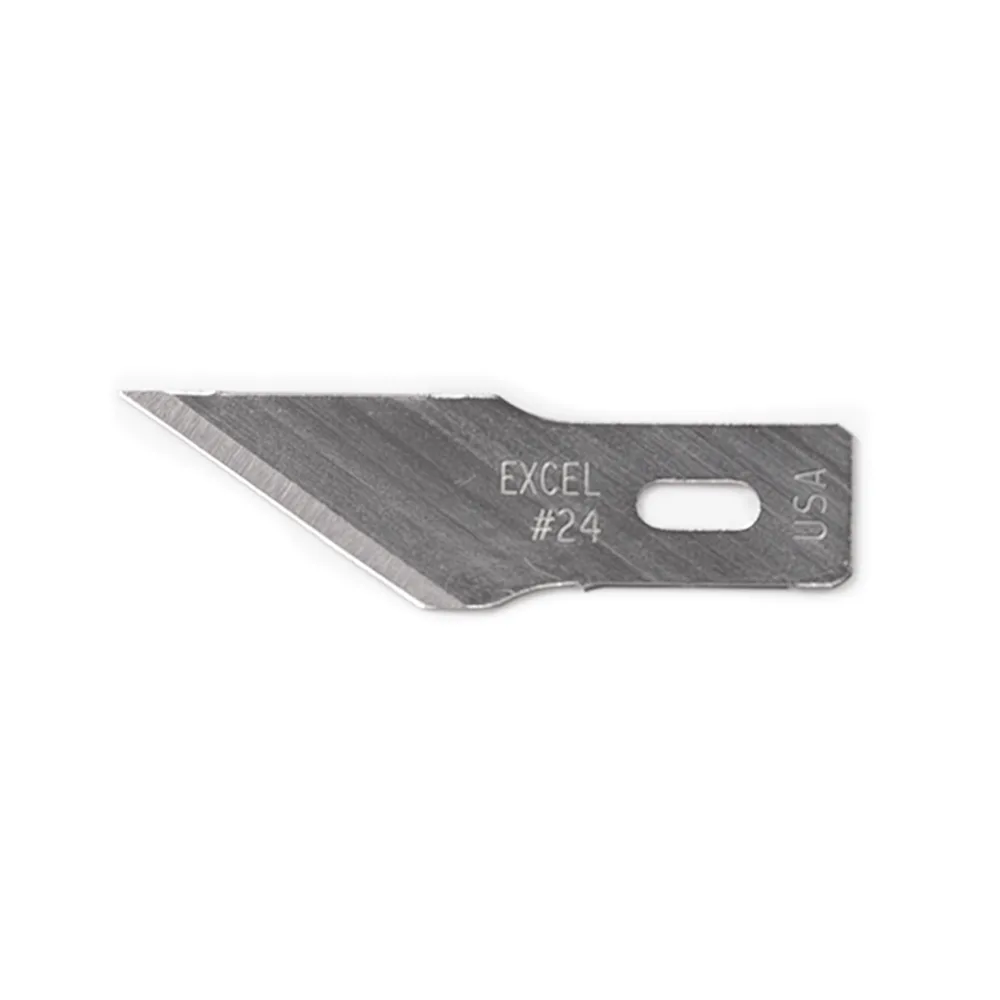
- #24 Deburring Blade, USA Made: Carbon steel blades with a sharp 3/4-inch angled edge, made 100 percent in the USA, for deburring, cutting, shaping, and stripping materials including paper, card stock, film, photographs, plastic, and leather. Deburring is often the step right before or after filing. A dedicated deburring blade keeps you from using your needle file for tasks it wasn't designed for, which protects the file's teeth.
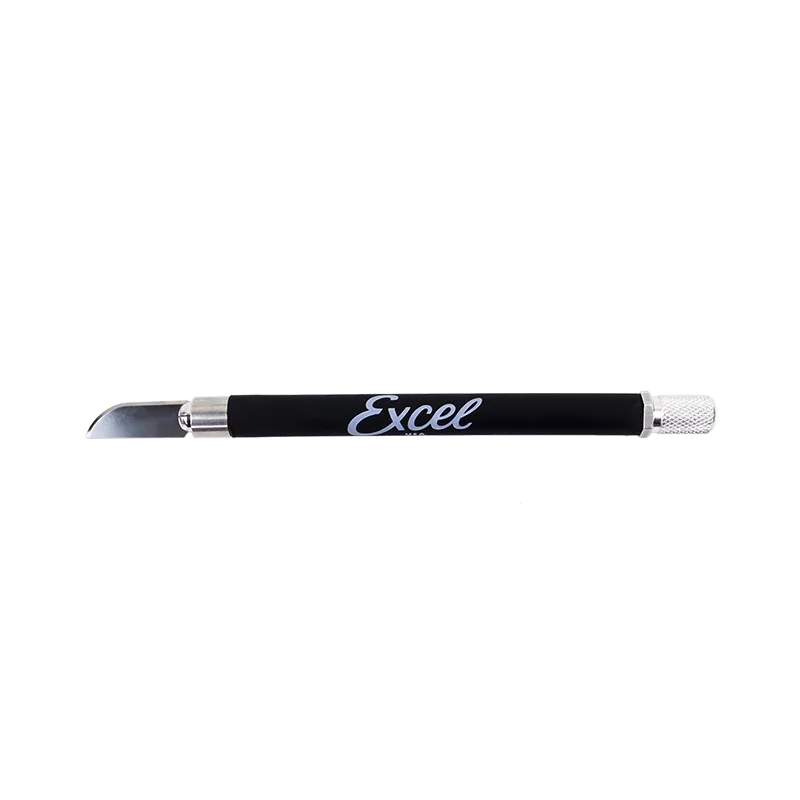
- K3 Pen Knife with Curved Blade: Includes a replaceable #10 curved blade, a soft grip rubberized handle, a safety cap, and a 4-jaw aluminum chuck for secure blade positioning. Fits Excel Blades #5, #6, and #10 blades. A pen knife with a replaceable blade is a reminder that consumable cutting edges are meant to be swapped, not restored. The same logic applies to needle files: replace when worn.
Needle files aren't sharpened, they're maintained. Card them often, keep them dry and lightly oiled, and match the profile to the job. When a file truly stops cutting, replace it and get back to clean, controlled work.