Quick Answer
To solve a jigsaw puzzle faster, start by sorting pieces by color and edge, then assemble the border. Work on distinct sections in parallel, and use the box image as your map. This method reduces trial and error and helps you finish in fewer sessions.
Jigsaw puzzles are a relaxing way to unwind, but sometimes you want to finish that 1,000-piece challenge before the weekend ends. Whether you're new to puzzling or a seasoned enthusiast, a few strategic habits can cut your solving time dramatically without taking the fun out of the process.
The key is not to rush—it's to work smarter. By setting up your workspace, sorting intentionally, and building in a logical order, you'll spend less time staring at pieces and more time snapping them together. Here's a step-by-step approach that works for any puzzle, from 100-piece floor puzzles to intricate 597-piece anatomical ones.
Prepare Your Workspace
Before you dump out the pieces, choose a flat surface that's large enough to hold the completed puzzle plus some working room. A puzzle board or a piece of felt can make it easy to move your work-in-progress if you need to clear the table. Good lighting is essential—natural light or a bright lamp helps you distinguish subtle color differences.
Flip all pieces face-up. This initial step might seem tedious, but it's a huge time-saver. You'll instantly see the colors and patterns, making sorting much faster. As you flip, give each piece a quick glance to start forming mental categories.
- Use a tray or cookie sheet to keep sorted groups separate.
- If you're short on space, sort into shallow containers or stackable trays.
Sort Pieces Strategically
Most puzzlers sort into two piles: edge pieces and interior pieces. But for a large puzzle, you'll want to go further. Separate by color, pattern, or distinct elements like text or unique shapes. For example, in the Human Heart Anatomy Jigsaw Puzzle, you might sort by the red muscle tissue, blue veins, and white background.
Don't over-sort. Too many categories can become overwhelming. Aim for 6–10 piles that match the major visual areas of your puzzle image. As you build sections, you can refine these piles.
- Keep edge pieces separate—they're your starting frame.
- If a piece doesn't fit any category, set it aside in a 'miscellaneous' pile.
Build the Border First
Assembling the border gives you a defined frame and a sense of accomplishment. It also creates a boundary that makes it easier to place interior pieces later. Start by finding all flat-edged pieces and connecting them. Refer to the box image to match colors and patterns.
A common mistake is to build the border without checking the image, leading to mismatched pieces. Always compare the piece's pattern to the picture, even for edges. Once the frame is complete, you have a clear canvas to fill.
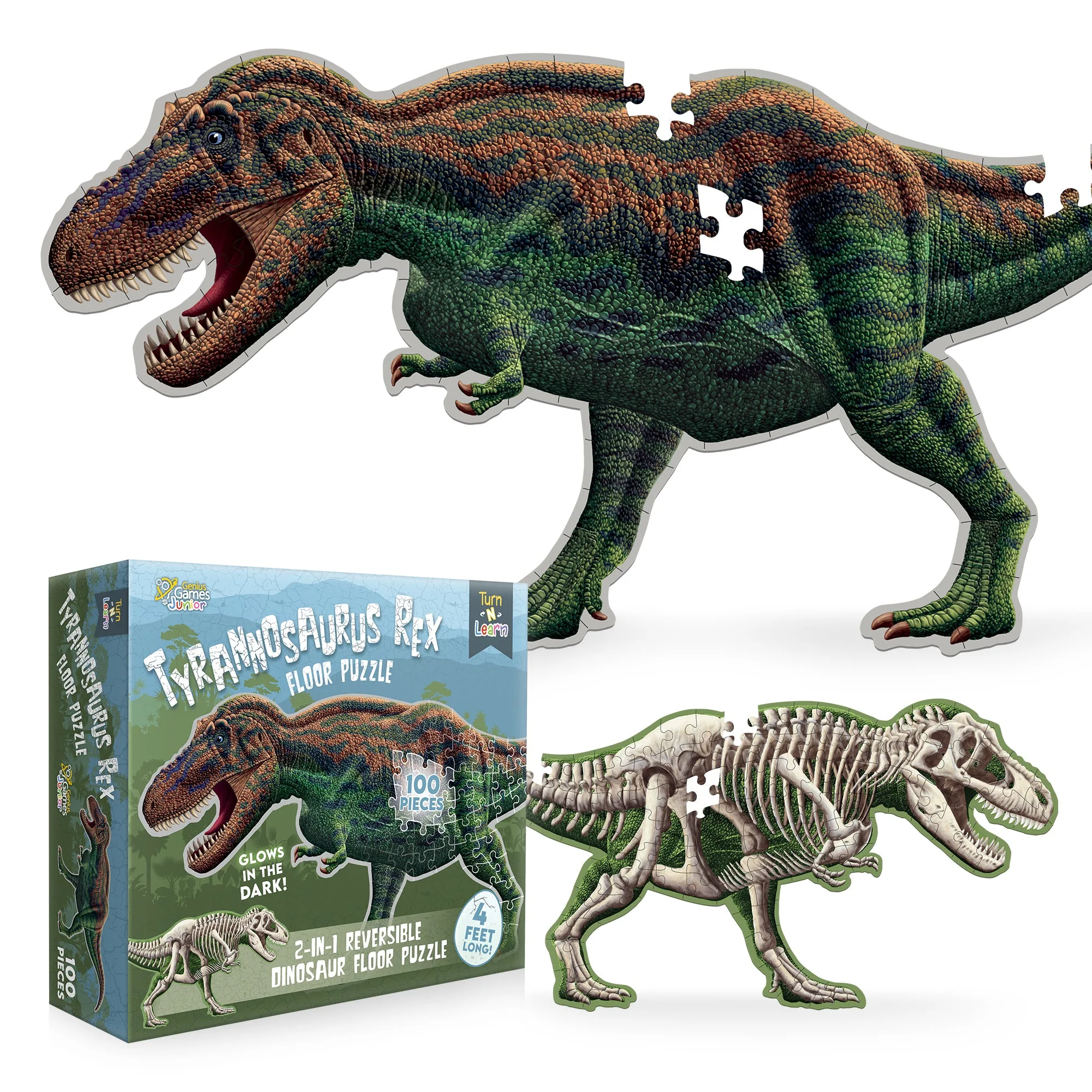
- If your puzzle is double-sided, like the Turn N Learn puzzles, pick one side to work on and keep the other side face-down to avoid confusion.
Work on Sections, Not Line by Line
Instead of trying to fill the puzzle row by row, focus on distinct sections that are easy to identify. For instance, in a dinosaur puzzle, you might assemble the T. rex's head separately from its tail. This approach is faster because you're matching pieces within a smaller, well-defined area.
Once you've completed several sections, you can connect them. This method also makes it easier to see progress, which keeps you motivated. It's especially effective for puzzles with clear subjects, like the Fantail Calico Goldfish or Shark puzzles.
- Use the box image to identify natural boundaries within the picture.
- If you get stuck on a section, move to another and come back later.
Step-by-Step Quick-Start Routine
- Flip and sort: Turn all pieces face-up and sort into edge and color groups. Checkpoint: You can see all pieces and have at least 3 piles.
- Assemble the border: Connect all edge pieces using the box image as reference. Checkpoint: Frame is complete and matches the picture.
- Build sections: Pick a distinct area (like a face or a fin) and assemble it within the frame. Checkpoint: At least one section is done; connect it to the frame.
Puzzles That Help You Practice These Strategies
- Tyrannosaurus Rex Dinosaur Jigsaw Puzzle - 4FT Double Sided Glow in the Dark Floor Puzzle: 100-piece floor puzzle with double-sided design and an Anatomy Reference Guide. The double-sided feature lets you choose between the outside and inside views, giving you two puzzles in one. Sorting by side is a natural way to practice your strategy.
- Human Heart Anatomy Jigsaw Puzzle | Dr. Livingston's Unique Shaped Science Puzzles: 597-piece puzzle with die-cut pieces that highlight real anatomy, illustrated by a certified medical illustrator. The detailed anatomical sections (like the aorta and ventricles) provide clear visual boundaries, making it easier to sort and build in sections—perfect for testing your new skills.
Speed comes from smart habits, not rushing. By preparing your space, sorting with intent, and building in sections, you'll finish puzzles faster and enjoy the process more. Next time you start a new puzzle, try these steps and see how much time you save.