Quick answer
You can spot a likely blind box duplicate before opening by combining three checks: compare the box weight against a known figure, listen for internal movement, and decode the case ratio or printed code. No single test is definitive, so treat each as a signal and stop when two agree.
Why duplicates happen and what you can actually detect
Blind box duplicates usually come from buying multiple boxes from the same case or restock without tracking what you already own. Manufacturers pack cases in fixed ratios, so if you buy three boxes from one case, you are more likely to repeat a figure than if you buy from different cases. The box itself gives you three detectable clues: weight, sound, and printed codes. Weight varies by figure size and material; sound reveals how tightly the figure is packed; codes can indicate case position or assortment. None of these is a guarantee, but together they turn a pure gamble into an informed guess.
Set up your baseline before you buy
Before you can spot a duplicate, you need a reference point. Weigh two or three boxes of the same series that you have already opened, or ask the store for a weight range. Record the weight of each known figure on a kitchen scale that reads to 0.1 g. Also note whether the figure is flocked, magnetic, or has small parts, because those change the sound and weight. Keep a simple list on your phone: series name, figure name, weight, and any code on the box. Without a baseline, a weight test is just a number.
Use case ratios to predict repeats
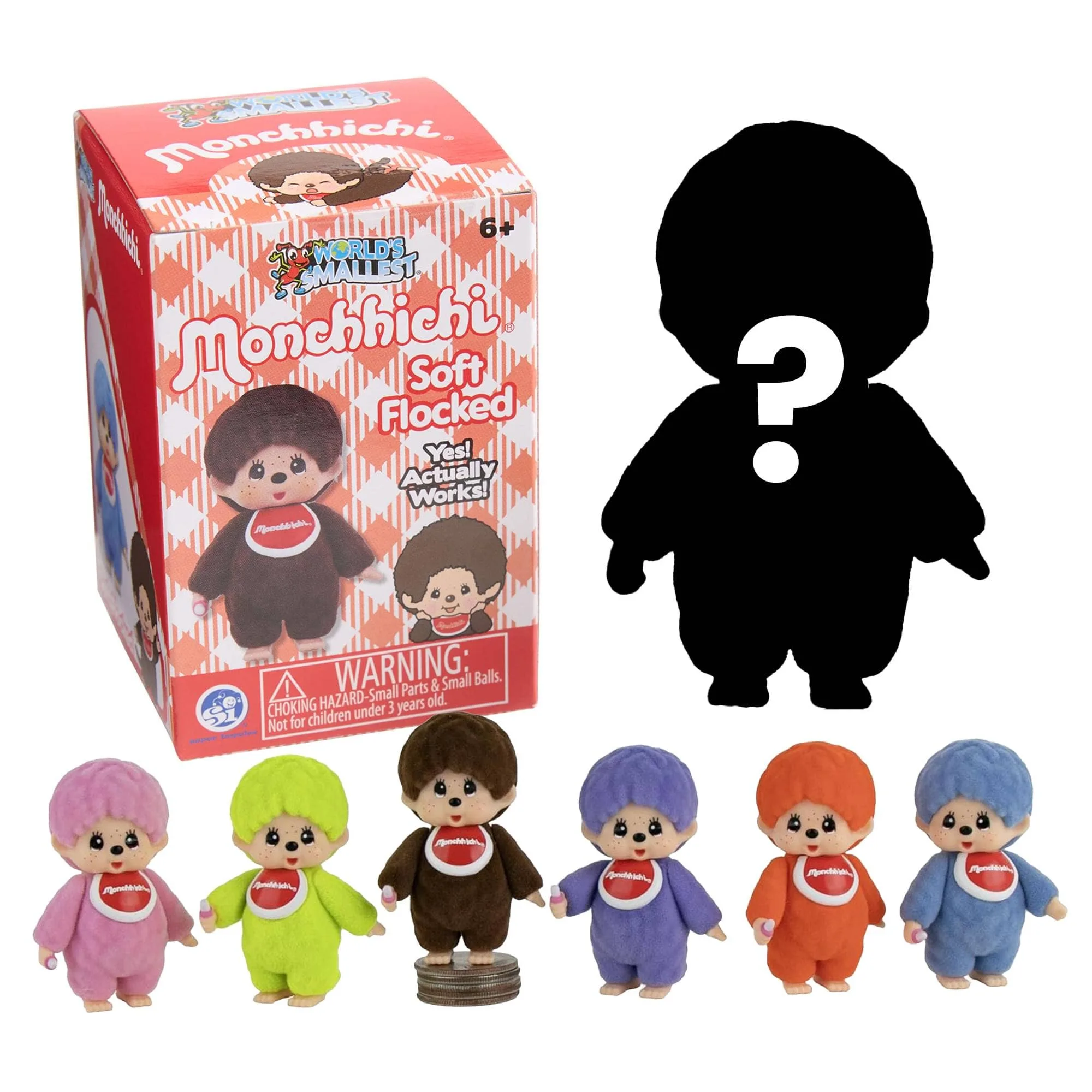
Case ratios tell you how many of each figure are packed in a full case. If a case holds 12 boxes and one figure appears twice, that figure is a secret duplicate risk when you buy from the same case. Ask the seller whether the box comes from a sealed case or a mixed restock. If you are buying online, order from different cases or wait for a restock. For a series like the World's Smallest Monchhichi Blind Box, which has six colors, a full case may include repeats of popular colors, so buying six boxes from one case does not guarantee six different colors.
Decode the codes without overtrusting them
Many blind boxes carry a small printed code or stamp on the bottom or side. These codes often identify the production batch or case position, not the exact figure. Some collectors share code lists online, but codes change between print runs and are not standardized across brands. Use codes as a tiebreaker only after weight and sound checks. If a code matches a known duplicate from your list, treat it as a warning, not a verdict. Never pay a premium for a box solely because a code looks rare.
Your step-by-step duplicate check
- Weigh the box on a 0.1 g scale: Place the unopened box on a kitchen scale and record the weight. Compare it to your baseline list for the same series. A difference of more than 1–2 g is a strong signal, but small figures like the 2-inch Monchhichi may vary less, so treat small differences as inconclusive. Checkpoint: if the weight matches a figure you already own, set the box aside and check another.
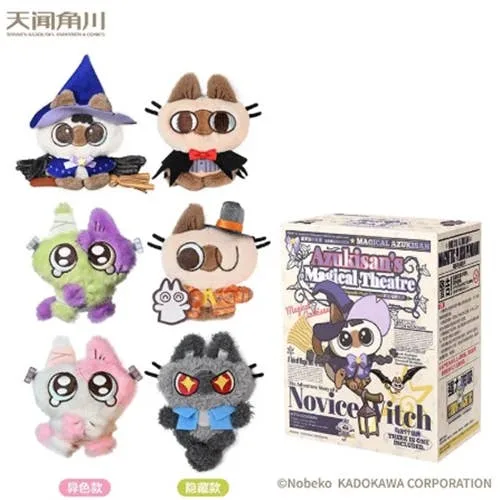
- Shake gently and listen for movement: Hold the box near your ear and shake once. A tight, muffled sound suggests a well-packed figure; a loose rattle suggests small parts or a different internal tray. For magnetic plush like the Azukisan pendant, a metallic click is normal, while a heavy thud may mean a larger figure. Checkpoint: if the sound matches a box you already opened and disliked, do not buy it.
- Check the case ratio and seller's source: Ask whether the box comes from a sealed case or a mixed restock. If you are buying multiple boxes, request they come from different cases. A full case of six Monchhichi colors may still contain repeats, so do not assume six boxes equal six unique colors. Checkpoint: buying from a sealed case reduces but does not eliminate duplicates.
- Look for a printed code and compare to your list: Inspect the bottom and side panels for a small stamped code. Write it down and compare it to codes from boxes you already own. If the code matches a duplicate you have, treat it as a warning. Do not rely on online code lists alone, as they vary by batch. Checkpoint: a code match is a tiebreaker, not proof.
- Decide with two agreeing signals: If weight and sound both point to a figure you already have, skip that box. If only one signal matches, the risk is moderate; buy only if you are comfortable with a possible duplicate. If no signals match, the box is likely new to your collection. Checkpoint: never open a box you suspect is a duplicate just to confirm—return it unopened if the seller allows.
Product facts to guide your checks
- World's Smallest Monchhichi Plush Blind Box | One Random: Each World's Smallest Monchhichi Blind Box includes one surprise mini Monchhichi, flocked and approximately 2 inches tall, available in six colors: brown, purple, orange, green, blue, and pink. Because the figure is small and flocked, weight differences between colors may be subtle; use a 0.1 g scale and compare against a known figure from the same series rather than guessing by feel.
- NOBEKO MAGICAL AZUKISAN MAGNETIC PLUSH PENDANT BLIND BOX: NOBEKO Magical Azukisan Magnetic Plush Pendant Blind Box contains one random magnetic plush pendant per box. The magnet adds a distinct metallic rattle when you shake the box; a dull thud instead may indicate a different figure or packing, so sound is a useful secondary check for this series.