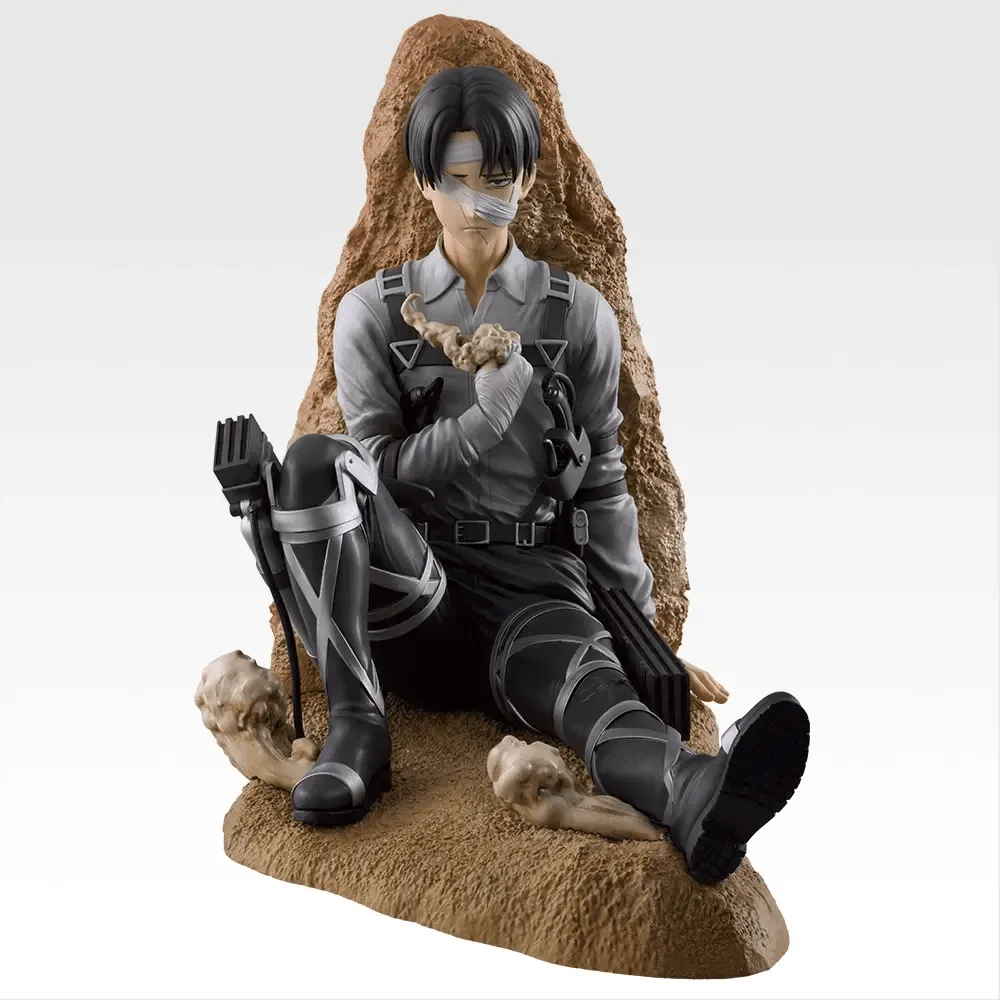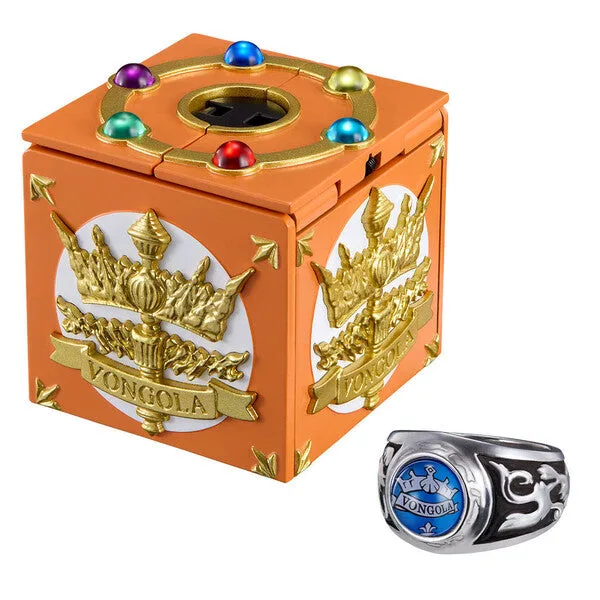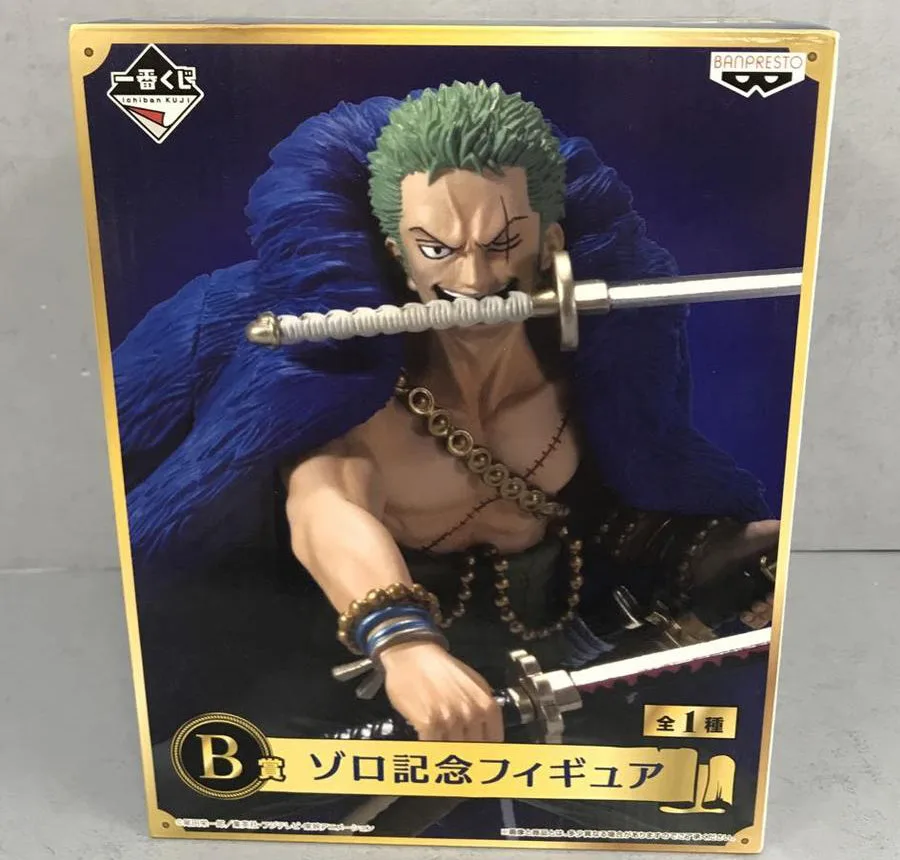
Quick answer
The fastest way to spot fake Attack on Titan figures is to compare the official product photos against the seller's actual photos, then check the box logo, paint edges, joint fit and the country of origin. If the price is far below the usual retail range or the seller cannot show the base and packaging, treat it as a bootleg until proven otherwise. Buy from sellers who state the figure is 100% authentic JAPAN and dispatched from Japan, and ask for extra photos before paying.
Why Attack on Titan figures attract counterfeits
Attack on Titan has a huge global fan base, and popular characters like Levi, Eren and Mikasa are frequently copied by bootleg factories. Counterfeiters target figures that are easy to mold and sell quickly, so prize figures and smaller scale releases are often faked. The problem is not limited to online marketplaces; convention tables and social media sellers also move fakes. Knowing the warning signs before you buy saves you money and protects your collection from a figure that may lean, fade or break within weeks.
Start with the seller, not the figure
Before you examine any photos, look at who is selling. A reliable seller will state the figure is 100% authentic JAPAN, show the original box and base, and ship from a known location such as Osaka, Japan. Vague listings that avoid the words authentic or official, or that use only stock images, are a red flag. If the seller is not willing to send additional photos of the actual item, walk away. This one check filters out most bootleg listings before you waste time comparing details.
Compare the box and logos carefully
Authentic Attack on Titan figures come in packaging with clean, sharp printing. Check the licensor logo, the series name, and the manufacturer mark. On fakes, logos are often slightly blurry, off-center, or use the wrong font weight. The box material may feel thin, and the plastic window can be warped or scratched. If the box art looks like a photocopy of a photocopy, or the character name is misspelled, that is a strong bootleg sign. Also check the barcode and the small copyright text; counterfeiters frequently omit the year or the licensor entirely.
Inspect paintwork and sculpt details
Paint is where most fakes give themselves away. On an authentic figure, the eyes, uniform straps and Survey Corps wings are painted with clean edges and even coverage. On a bootleg, you will often see paint bleeding over the sculpt lines, uneven skin tones, or a glossy finish where the original is matte. Look at the face first: counterfeit eyes are frequently misaligned or have a different pupil shape. Then check the hair and clothing folds for mold lines or excess plastic. If the seller's photos are too small or too dark to judge paint, ask for close-ups in natural light.
Check joints, base and assembly
If the figure has articulated joints, test or ask about the fit. Authentic joints move smoothly and hold a pose; bootleg joints are often loose, squeaky or so tight they risk snapping. The base is another giveaway. Real bases usually have the character name, series or manufacturer molded or printed on the underside. Fakes often have a plain base or a sticker that peels easily. If the figure does not stand securely on its base, or the peg does not line up, that points to a counterfeit mold.
Verify the Japanese origin and release details
Many authentic anime figures are produced for the Japanese market, and legitimate sellers will say so. Look for the country of origin on the box or figure. If the listing claims the figure is from Japan but the box says otherwise, that is a contradiction worth investigating. You can also compare the release date and manufacturer against official announcements. A figure that supposedly came out years ago but is being sold as new in bulk is suspicious. When a specification is not shown, such as the exact height or series, ask the seller rather than guessing.
Use price and rarity as a final filter
Price is not proof on its own, but it is a useful signal. If a figure normally sells for a certain range and you see it for a fraction of that, the seller is either unaware of the value or selling a fake. Rare figures are especially targeted because buyers are eager and less likely to question a good deal. Compare the asking price with several reputable listings, and be cautious of sellers who pressure you to buy immediately. A genuine seller will not rush you.
Step-by-step authenticity check
- Step 1: Ask the seller for real photos: Request clear photos of the front, back, base and box from the actual item, not stock images. A legitimate seller will provide them without hesitation. No real photos means no deal.
- Step 2: Check the box and logos: Compare the licensor logo, series name and copyright text against official images. Look for blurry printing, misspellings or missing copyright years. If the box looks like a copy, the figure probably is too.
- Step 3: Inspect paint and sculpt: Zoom in on the face, eyes and uniform details. Check for paint bleeding, uneven skin tone or a glossy finish that should be matte. Paint quality is the hardest thing for bootlegs to fake.
- Step 4: Test joints and base fit: Ask if the joints move smoothly and if the figure stands securely on its base. Check that the base has molded or printed manufacturer details. A loose or misaligned base is a common fake giveaway.
- Step 5: Confirm origin and release details: Verify the country of origin and cross-check the release date and manufacturer. Be wary if the seller cannot confirm the series or height. Authentic sellers know their product details.
- Step 6: Compare price and rarity: Check the price against several reputable listings. A price far below the usual range is a strong warning sign, especially for rare figures. If it feels too good to be true, it usually is.
Authentic figure examples to compare against
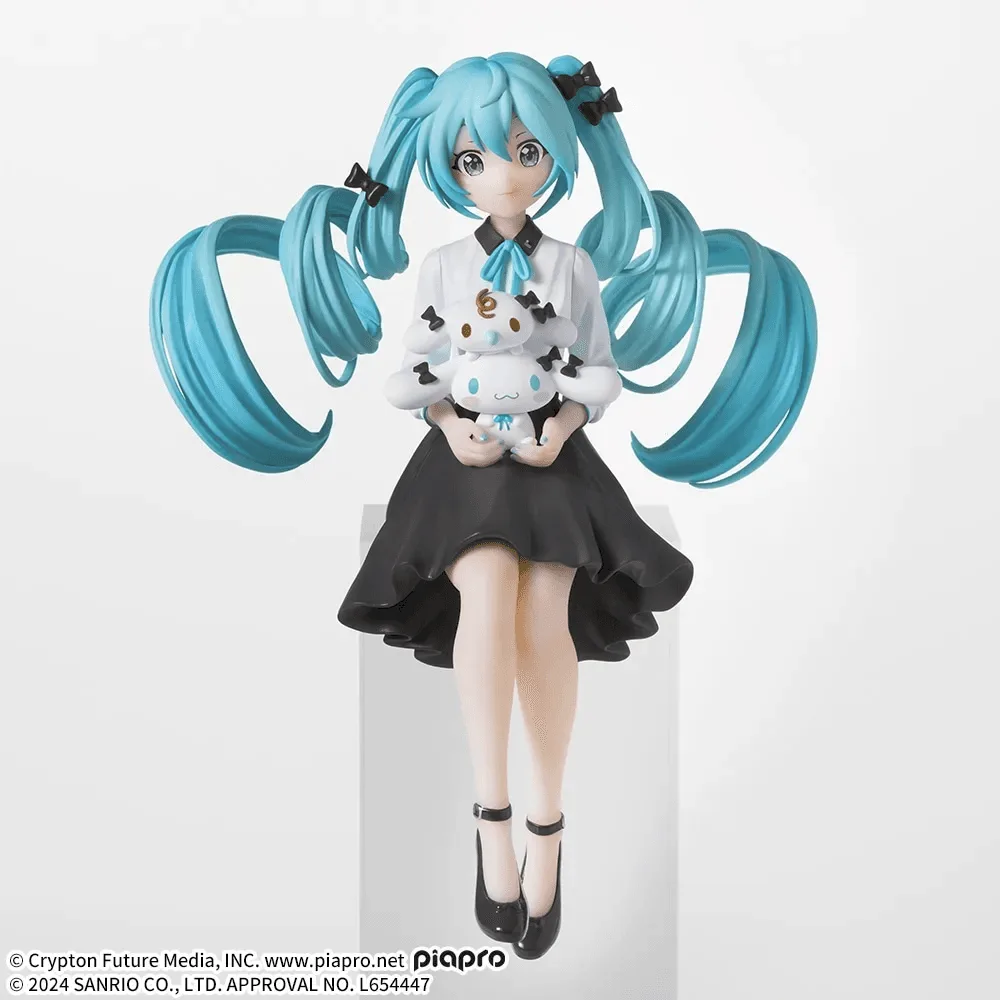
- XStellar Hatsune Miku x Cinnamoroll Summer Ver. Figure: Brand: SEGASeries: Hatsune MikuCharacter: Hatsune Miku x Cinnamoroll Summer Ver.Height: 7.02 inches - 18 cm Use the listed brand, series and height to compare against a suspicious listing. If the seller cannot confirm these details, ask before buying.
- Ichiban Kuji One Piece MONKEY.D.LUFFY Memories of Adventure and Voyage to the Future Luffy Figure: Brand: BandaiSeries: Ichiban Kuji One Piece MONKEY.D.LUFFY Memories of Adventure and Voyage to the FutureCharacter: Luffy (Prize A, Prize B, Prize C, Prize D, Last One Prize) Prize figures have multiple versions with different heights. A seller who lists only one vague size for a prize figure may be mixing up or hiding the actual release.
- Banpresto Umamusume: Pretty Derby Curren Chan Figure: Brand: Bandai BanprestoSeries: Banpresto Umamusume: Pretty DerbyCharacter: Curren ChanHeight: 6.63 inches - 17 cm Knowing the exact brand and height helps you check whether the figure in the photos matches the official release. A height that is off by more than a small margin is a warning sign.