Quick Answer
Spot low-quality supplements by checking the label for vague ingredient blends, undisclosed fillers, and missing third-party testing. Choose products that list specific plant-based sources and avoid proprietary blends that hide exact amounts. When in doubt, look for brands that prioritize transparency and use whole-food ingredients.
Not all supplements are created equal. Some are packed with synthetic fillers, undisclosed additives, or poorly absorbed forms of nutrients. Knowing how to spot low-quality supplements can save you money and protect your health.
This guide cuts through the marketing noise and gives you practical red flags to watch for, so you can confidently choose quality supplements that align with your wellness goals.
Red Flag #1: Vague Labels and Proprietary Blends
A supplement label that lists a 'proprietary blend' without revealing the exact amounts of each ingredient is a major red flag. This tactic allows manufacturers to hide the potency of individual components, often burying the most expensive or effective ingredients under a heavy dose of cheaper fillers.
Quality supplements, like those from Global Healing, are transparent about their ingredient lists. For example, their Vitamin C supplement clearly states it is derived from amla extract and black currant, giving you confidence in what you are actually consuming.
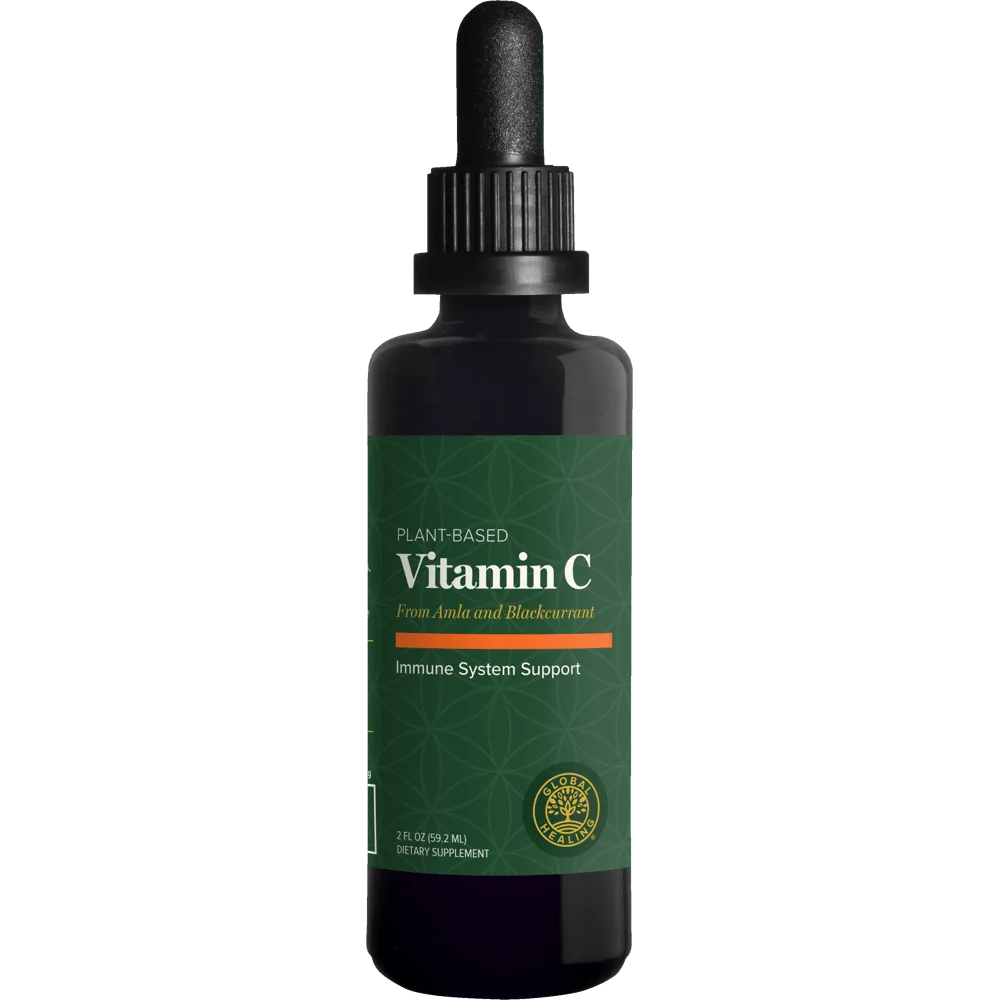
Vitamin C
- Look for labels that list each ingredient with a specific dosage.
Red Flag #2: Artificial Fillers, Binders, and Additives
Many low-quality supplements contain artificial colors, preservatives, and flow agents like magnesium stearate or silicon dioxide. These additives serve no nutritional purpose and can even interfere with absorption. If you see a long list of unrecognizable chemical names, it's a sign that the product may be more about mass production than your health.
Opt for supplements that are vegan, organic, and free from unnecessary additives. Global Healing's products, such as their Iron supplement, are plant-based and made with whole-food ingredients like curry tree leaves, organic thyme, and echinacea root, ensuring you get pure nutrition without the junk.
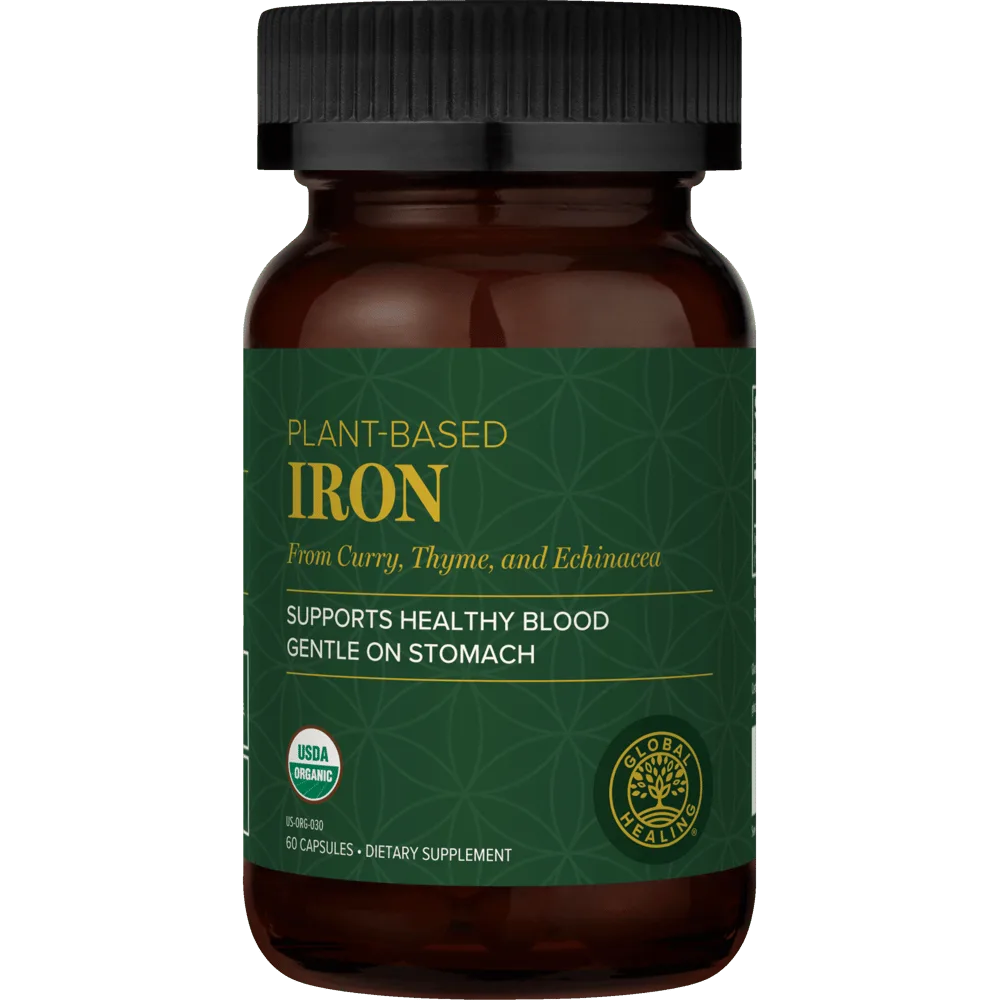
Iron
- Check the ingredient list for artificial colors, sweeteners, and preservatives.
Red Flag #3: No Third-Party Testing or Quality Certifications
Third-party testing is a hallmark of a quality supplement. Independent labs verify that the product contains what the label claims and is free from contaminants. If a brand doesn't mention third-party testing, it's a red flag that they may be cutting corners on quality control.
While not all brands advertise their testing, you can look for certifications like non-GMO, organic, or vegan. Global Healing's Omega 3•6•7•9 is organic, plant-based, and non-GMO certified, giving you extra assurance of its quality.
- Look for third-party seals or statements on the product page or packaging.
Red Flag #4: Poorly Absorbed Forms of Nutrients
The form of a nutrient matters just as much as the dose. Cheap supplements often use poorly absorbed forms, meaning your body may not get the full benefit. For example, iron from curry tree leaves in Global Healing's Iron supplement is designed for optimal absorption, unlike some synthetic forms that can be harsh on the stomach.
Similarly, turmeric's absorption is enhanced by black pepper, as seen in Global Healing's Turmeric formula. Look for supplements that mention bioavailability-enhancing technologies or ingredients.
- Research the form of the nutrient to ensure it is well-absorbed.
Red Flag #5: Unrealistic Claims and Marketing Hype
If a supplement promises miracle cures or overnight results, be skeptical. Quality supplements support your health over time, but they don't replace medical treatments or guarantee dramatic outcomes. Low-quality brands often rely on exaggerated claims to sell products.
Stick to brands that focus on science-backed ingredients and honest communication. Global Healing's Paratrex I, for example, uses plant extracts traditionally used for microbial balance and is powered by MicroSomal Technology for fast absorption, without making overblown promises.
- Be wary of supplements that claim to 'cure' diseases or deliver instant results.
Verdicts on Common Supplement Claims
- Claim: 'Natural' means high quality: The term 'natural' is unregulated and can still hide synthetic additives. Always read the full ingredient list. Look for specific plant-based sources and certifications like organic.
- Claim: 'Proprietary blend' ensures potency: Proprietary blends can mask low doses of key ingredients. Transparency is better. Choose supplements that list exact amounts for each ingredient.
- Claim: 'Third-party tested' is just a label: Third-party testing is a meaningful quality indicator when it's real. Look for seals or statements from independent labs. Prefer brands that openly discuss their testing practices.
Quality Supplements That Pass the Test
- Vitamin C: Our Vitamin C supplement is derived from plant-based sources, specifically amla extract and black currant. These natural ingredients provide rich and potent vitamin C. Choosing a plant-based source like amla and black currant means you get vitamin C alongside beneficial phytonutrients, not just synthetic ascorbic acid.
- Iron: Our plant-based formula is made with iron extracted from curry tree leaves and blended with organic thyme and echinacea root. This blend is designed for optimal absorption and offers gentle digestive support, unlike harsher synthetic iron supplements that can cause stomach upset.
- Omega 3•6•7•9: Not only is our formula highly effective, but it is also organic, plant-based, and non-GMO certified. Organic and non-GMO certifications reduce your exposure to pesticides and genetically modified ingredients, which is a key consideration for quality-conscious buyers.
Spotting low-quality supplements comes down to reading labels with a critical eye, prioritizing transparency, and choosing brands that use whole-food, plant-based ingredients. By watching for these red flags, you can make informed choices that truly support your health.