Quick Answer
Pick a character from My Hero Academia that matches your skill level and budget, then source or build the costume and props step by step.
Why Character Choice Matters for Beginners
Your first cosplay should be fun, not frustrating. Characters with simpler outfits, like Izuku Midoriya (Deku) in his green tracksuit, are easier to assemble because the pieces are common clothing items. Katsuki Bakugo’s costume has more details like the gauntlets and orange grenade accessories, which require more crafting or searching. Choose a character whose look you love but whose complexity matches your available time and sewing or prop-making experience.
If you are new to cosplay, start with a civilian outfit version of a character—such as Deku’s school uniform—before tackling the hero costume. This lets you practice layering and styling without committing to a full bodysuit or intricate armor.
Where to Find or Make the Costume
You have two main paths: buy a pre-made costume or make it yourself. Pre-made cosplays from online stores or conventions save time and are great for beginners who lack sewing skills. However, they may not fit perfectly and often use lower-quality fabrics. Making your own costume gives you control over fit and materials but requires basic sewing knowledge and more time.
For a balanced approach, buy the base pieces (like a green hoodie for Deku or an orange tank top for Bakugo) and modify them with fabric paint, patches, or additional details. This hybrid method reduces cost and effort while still letting you add personal touches.
Props and Accessories: The Finishing Touch
Props bring a cosplay to life. Deku’s signature item is his red sneakers and a simple notebook, both easy to find or customize. Bakugo’s gauntlets and explosion effects are more challenging but can be made from foam, cardboard, or 3D-printed parts. For a first cosplay, choose props that are lightweight and safe to carry at conventions.
If you buy a pre-made prop, check the material—foam and plastic are lighter and more durable than resin. Always test props for comfort and mobility before wearing them for a full day.
Step-by-Step Guide to Your First My Hero Academia Cosplay
- Choose Your Character and Version: Pick a character you love and decide which outfit version to recreate. For beginners, Izuku Midoriya's hero costume or school uniform is a solid choice because the pieces are easy to find. Katsuki Bakugo's costume has more details but is still manageable with some prop work. Common mistake: Picking a character with complex armor or wings for your first cosplay. Stick to simpler designs to avoid burnout.
- Source the Base Costume Pieces: Search for each clothing item separately. For Deku, you need a green hoodie, dark pants, and red sneakers. For Bakugo, an orange tank top, black pants, and a dark vest. Thrift stores and online retailers are good starting points. If you buy a pre-made cosplay, read size charts carefully and check return policies. Checkpoint: Try on all pieces together before adding modifications. Adjust fit with safety pins or temporary stitching.
- Add Character-Specific Details: Customize your base pieces to match the character. For Deku, add the white stripes on the hoodie using fabric paint or iron-on tape. For Bakugo, create the grenade gauntlets from foam or purchase pre-made props. Use reference images from the anime to get the colors and shapes right. Common mistake: Overcomplicating details. Start with the most recognizable features and add extras later if you have time.
- Style Hair and Makeup: Deku's green curly hair can be achieved with a wig or temporary hair dye. Bakugo's spiky blonde hair requires styling gel or a wig with spikes. Practice makeup to match the character's face shape and expressions—Bakugo's sharp eyebrows and Deku's softer features are key. Checkpoint: Do a full test run with wig and makeup a week before your event to ensure everything stays in place.
- Assemble and Practice Wearing the Cosplay: Put on the entire outfit, including props, and move around. Check that you can sit, walk, and use your hands without discomfort. Make adjustments to straps or fasteners. Practice striking a few poses from the show for photos. Common mistake: Forgetting to break in shoes or props. Wear them around the house for a few hours to avoid blisters or mishaps at the convention.
Product Recommendations
-
My Hero Academia Collectible Card Game Izuku Midoriya vs. Katsuki Two Player Rival Decks | Trading Card Game for Adults and Teens | Ages 14+ | 2 Players | Avg. Playtime 45+ Mins |: This officially licensed card game includes two pre-built decks featuring Izuku Midoriya and Katsuki Bakugo, with art from the anime. It's a fun way to immerse yourself in the characters' rivalry while studying their costume details for your cosplay.
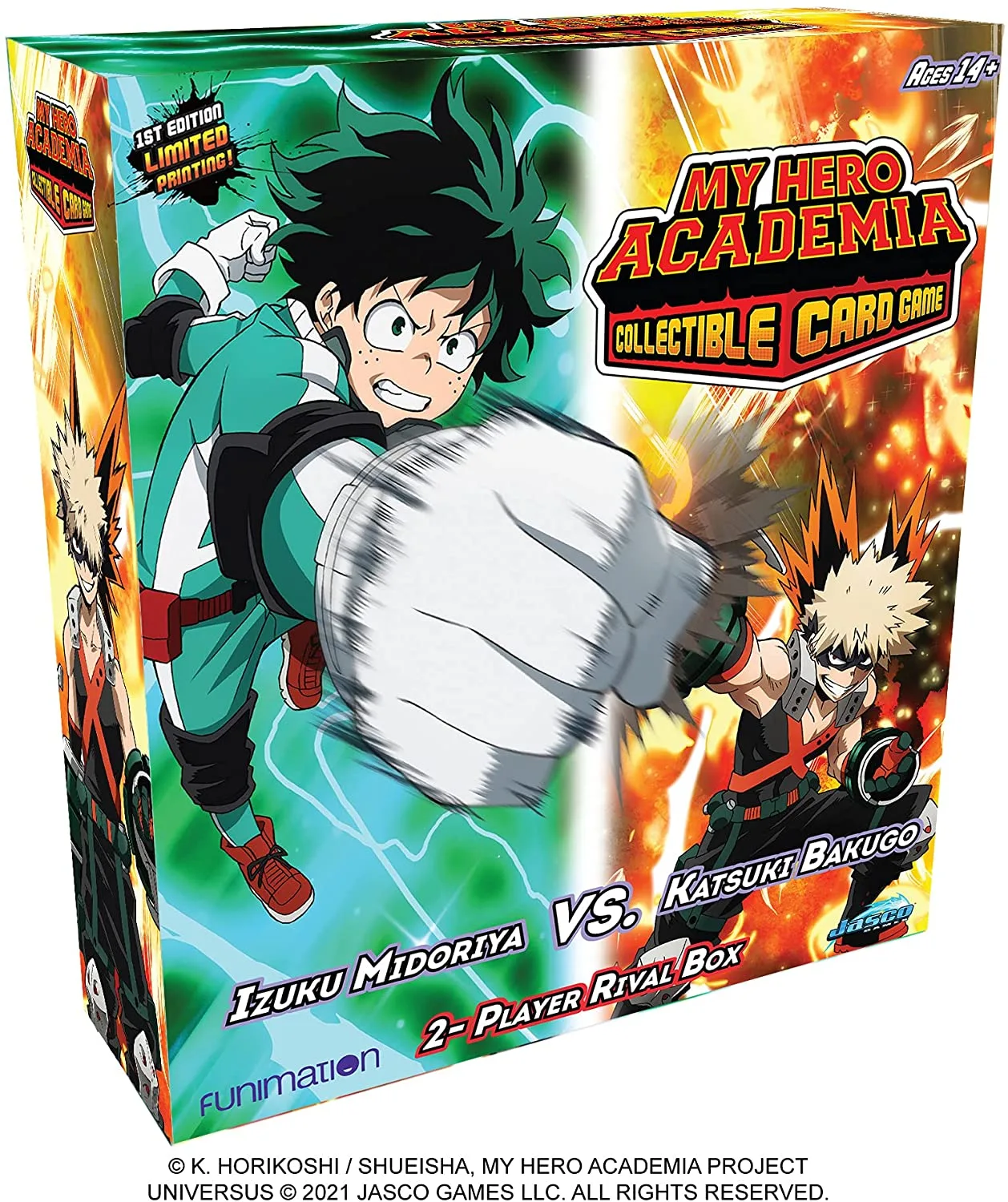
My Hero Academia Collectible Card Game Izuku Midoriya vs. Katsuki Two Player Rival Decks | Trading Card Game for Adults and Teens | Ages 14+ | 2 Players | Avg. Playtime 45+ Mins |